
TIANJIANG · FOOD INGREDIENT SOLUTIONS
CLEAN LABEL STARCH
Starch Solutions for Clean Label Food Formulation
Explore starch options for your texture, thickening and processing needs. Start with your food application, label goals and production conditions to identify suitable grades for evaluation.
Grade selection should be confirmed through formulation and processing trials.
FROM LABEL GOALS TO APPLICATION TRIALS
Find the right fit for your formulation.Target market & ingredient requirements
Temperature, mixing & storage conditions
Hydration, texture & finished-product performance
UNDERSTANDING THE CATEGORY
WHAT IS
CLEAN LABEL STARCH?
Start with the ingredient information your buyers need and the performance your food requires. Then evaluate the product grade against both.
For product selection, consider clean label starch options in relation to your ingredient requirements, target texture and manufacturing process. Review each grade's source, processing information and specifications before application trials.
Label Goals
Define your target market, preferred ingredient declaration and sourcing requirements. Request product-specific documentation for any claims you need to support.
Functional Requirements
Specify the thickening, flow and mouthfeel you want. Include hydration conditions, cooking temperature, mixing, acidity and storage in your evaluation.
Grade-Specific Selection
Compare the selected grade's specifications with your process. Validate dosage, preparation and finished-product performance through representative application trials.
CLEAN LABEL STARCH PORTFOLIO
EXPLORE OUR
CLEAN LABEL STARCH
RANGE
Explore five product categories, then narrow your selection by preparation method, processing conditions and the texture you want to achieve.
01 TEXTURE & FORMULATION
Functional Native Starch
Explore functional native starch options for your target body, flow and mouthfeel. Match the grade to your food system and label requirements.
CHECK BEFORE SELECTION Cooking profile, target viscosity and ingredient declaration.
VIEW PRODUCT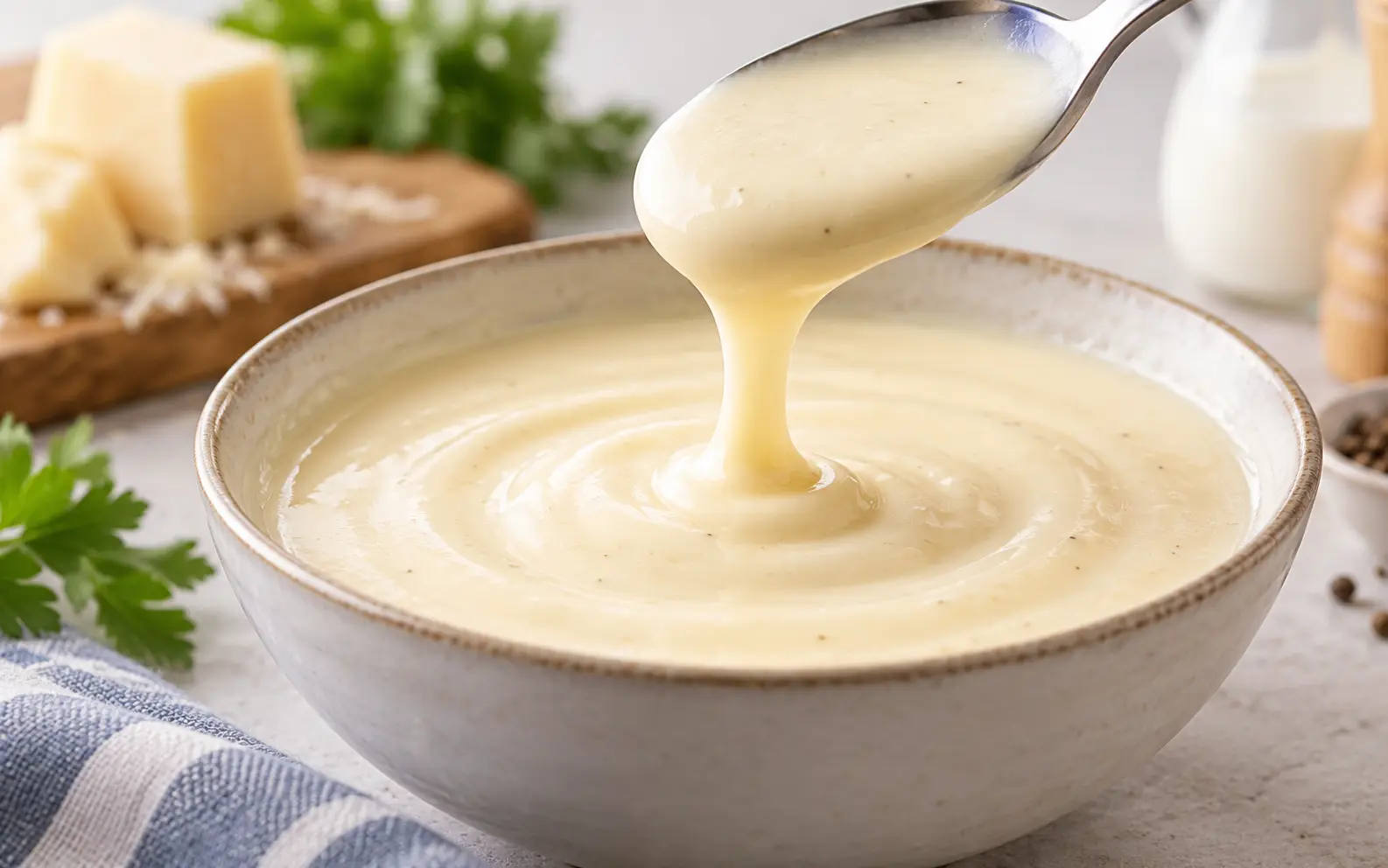 01
SMOOTH SAUCE & CREAMY TEXTURE
01
SMOOTH SAUCE & CREAMY TEXTURE
02 HYDRATION & PREPARATION
Pregelatinized Starch
Evaluate pregelatinized starch for convenient hydration and texture development. Confirm preparation instructions for the selected grade.
CHECK BEFORE SELECTION Water temperature, addition sequence and mixing time.
VIEW PRODUCT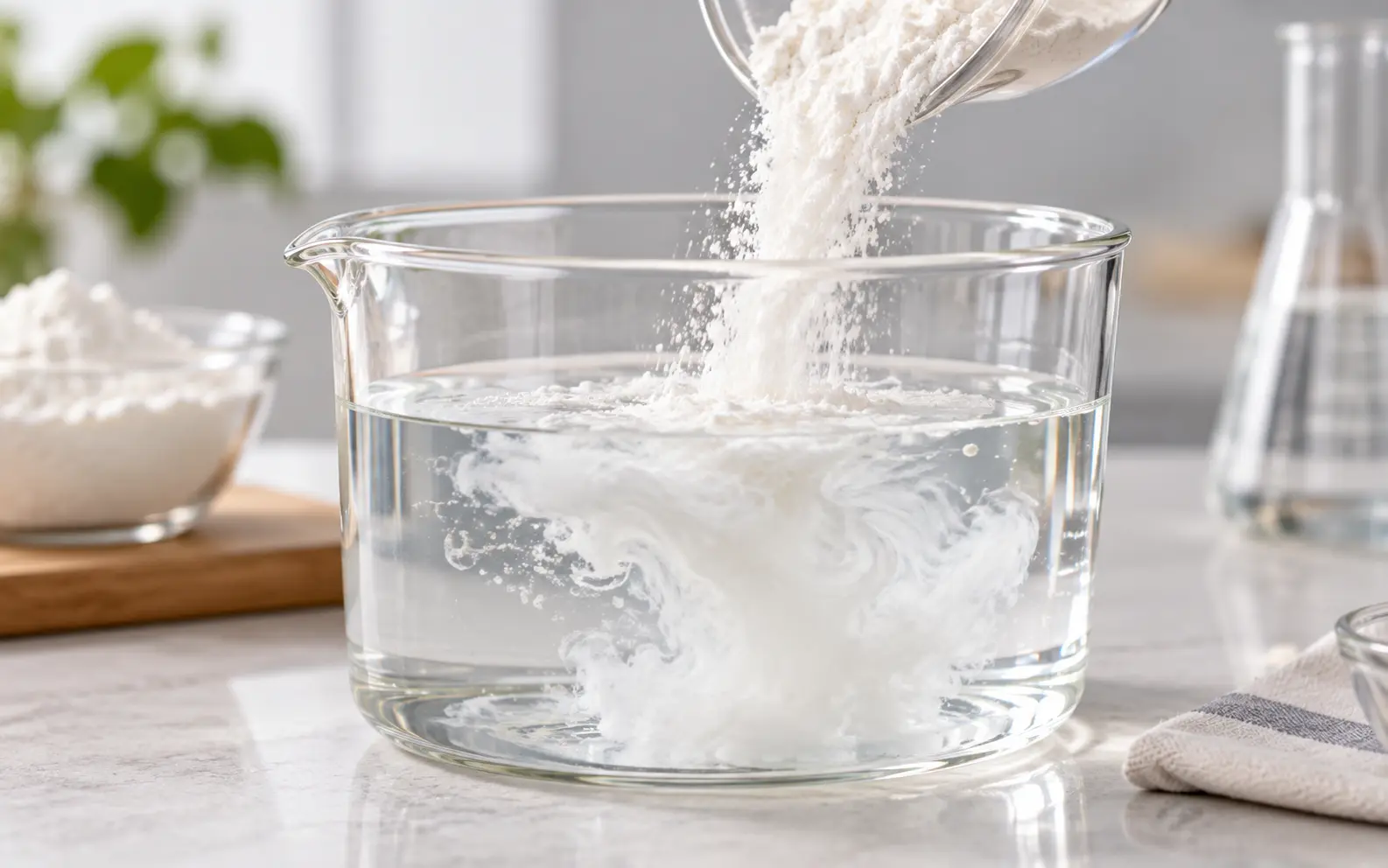 02
HYDRATION & PREPARATION
02
HYDRATION & PREPARATION
03 INSTANT FOOD SYSTEMS
Instant Clean Label Starch
Explore starch options for instant mixes and convenient preparation. Evaluate dispersion and viscosity development in your complete formulation.
CHECK BEFORE SELECTION Liquid composition, hydration time and final consistency.
VIEW PRODUCT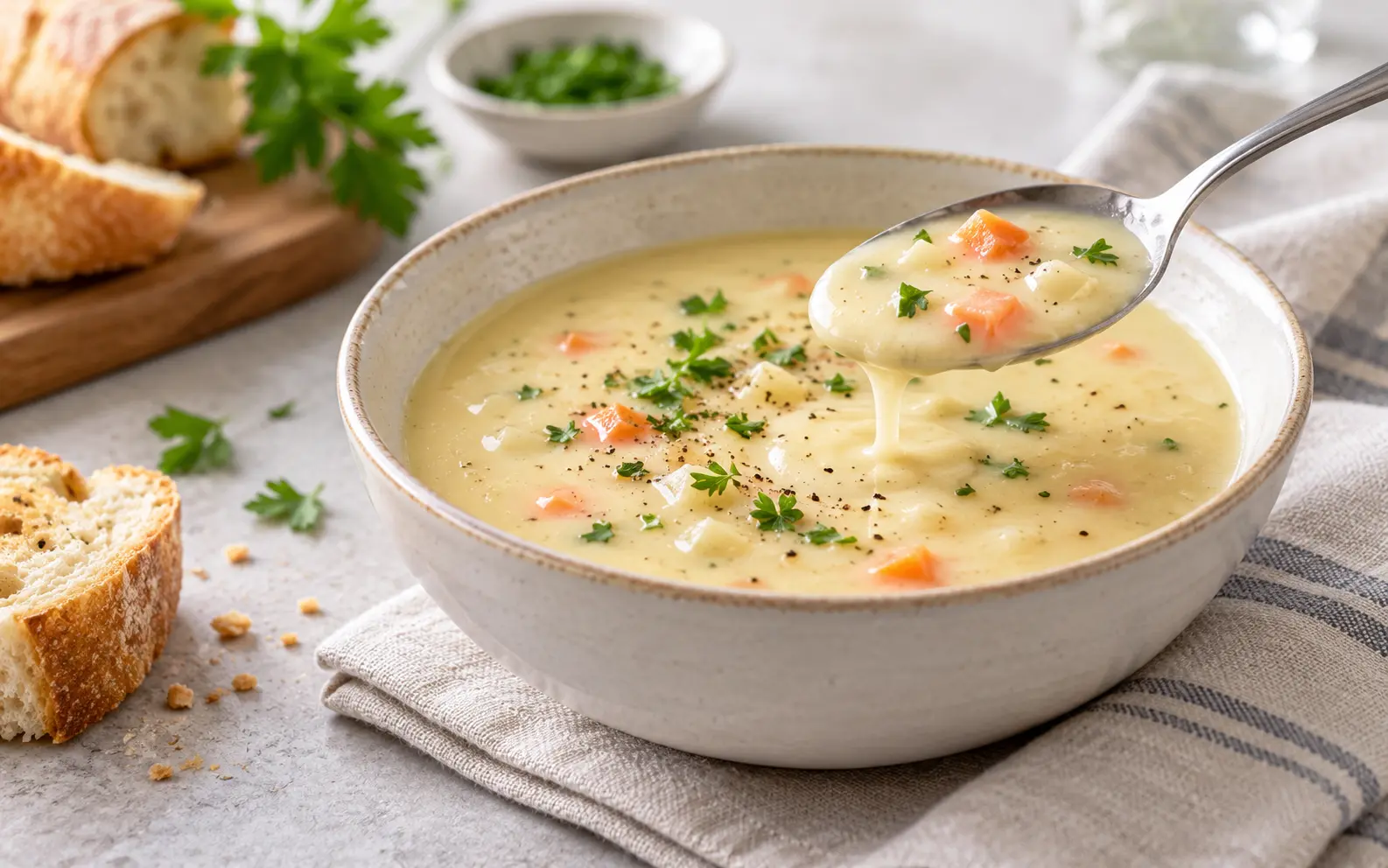 03
INSTANT SOUP & COLD-PREPARED DRESSING
03
INSTANT SOUP & COLD-PREPARED DRESSING
04 HEAT & MOISTURE ROUTE
Heat-Moisture Treated Starch
Review heat-moisture treated starch for your processing and texture requirements. Compare grade specifications with your production conditions.
CHECK BEFORE SELECTION Heating conditions, mixing intensity and target texture.
VIEW PRODUCT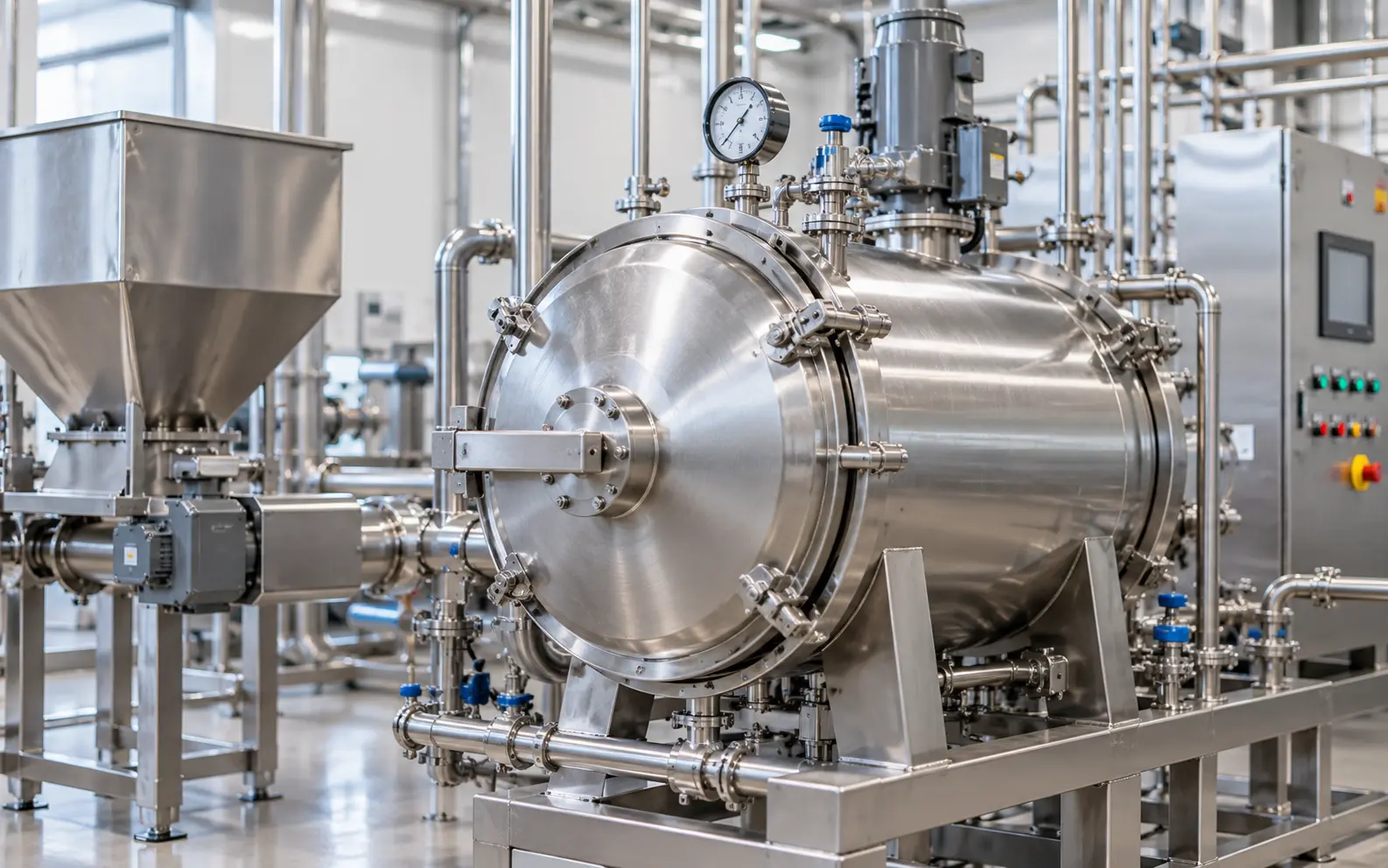 04
HEAT-MOISTURE TREATMENT
04
HEAT-MOISTURE TREATMENT
05 THERMAL TREATMENT ROUTE
Thermally Inhibited Starch
Evaluate thermally inhibited starch options against your process demands. Confirm performance through trials in the intended food application.
CHECK BEFORE SELECTION Temperature, shear, acidity and storage conditions.
VIEW PRODUCT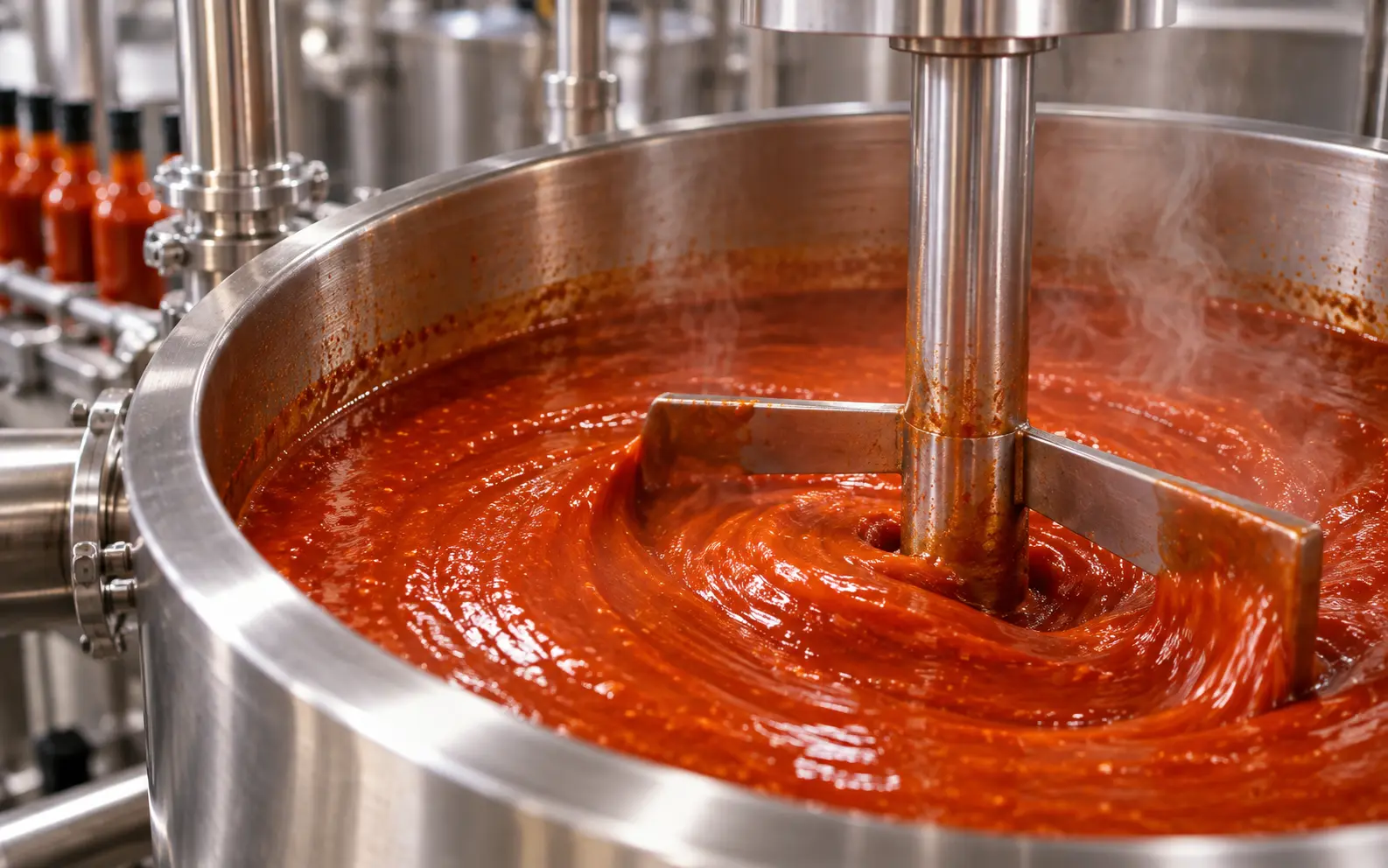 05
HOT SAUCE PROCESSING & MIXING
05
HOT SAUCE PROCESSING & MIXING
Selection note: These category names may overlap in processing route or application. Review the selected grade's documentation and confirm label suitability and performance in your intended market and formulation.
START WITH YOUR PROCESS
CHOOSE CLEAN LABEL STARCH BY PROCESSING CHALLENGE
Select the challenge closest to your application. See what information to share, what to compare in a trial and how to move toward a suitable grade.
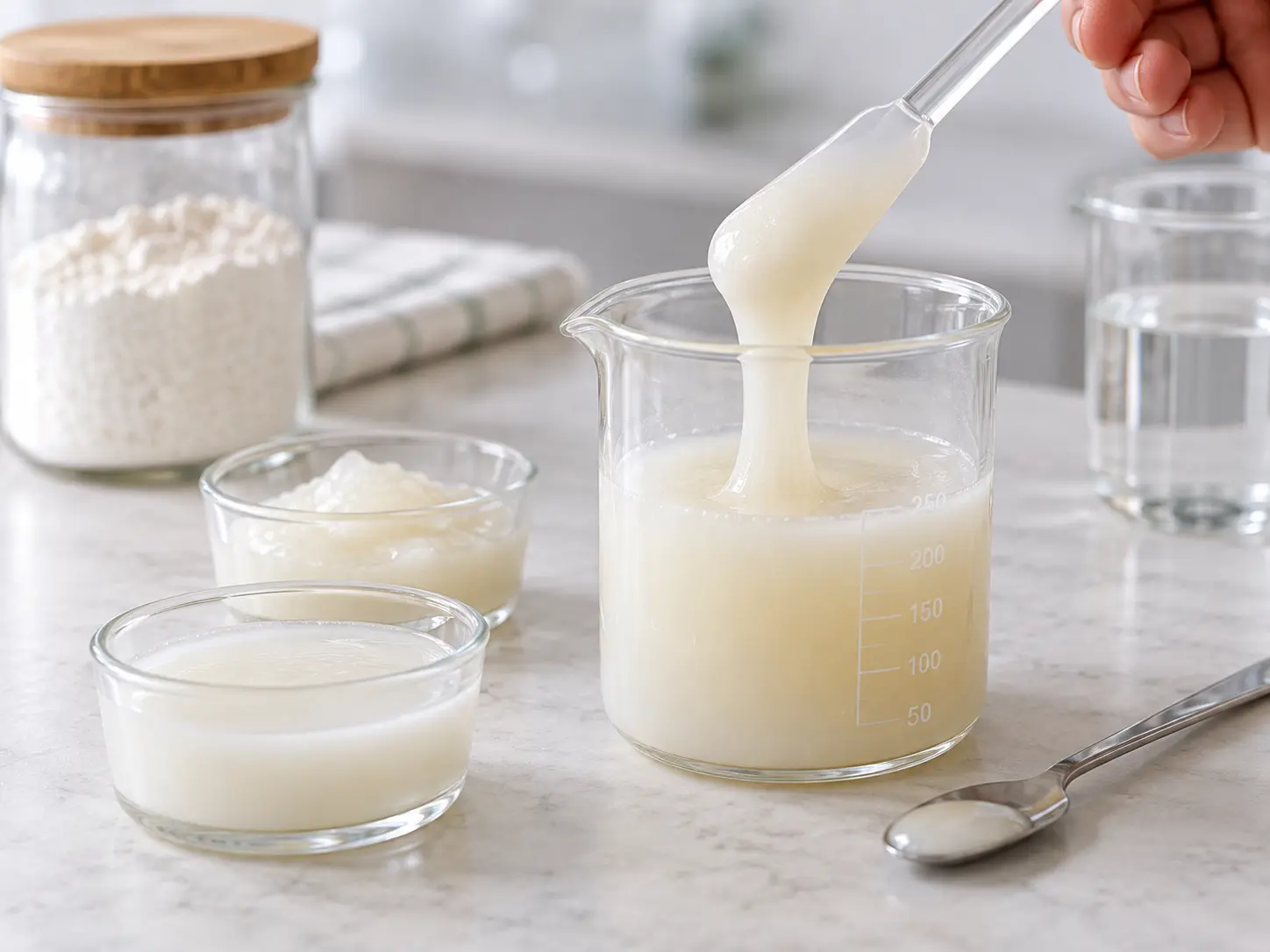 COLD MIXING · HYDRATION · VISCOSITY TESTING
Define the conditions. Compare the results. Confirm the grade.
CHALLENGE 01 · EVALUATION GUIDE
Cold Preparation & Hydration
Lumps or slow viscosity development?
Review how the starch is added and hydrated in your actual mix. Compare preparation methods before changing the grade or dosage.
INFORMATION TO SHARE
- Water temperature and liquid composition
- Powder addition order and mixing method
- Available hydration time
WHAT TO COMPARE
Compare dispersion, visible lumps and viscosity at agreed time intervals under the same preparation conditions.
SELECTION DIRECTION Review instant or pregelatinized options with the technical team; confirm the selected grade's preparation instructions.
Discuss This ChallengeEmail our team with this challenge included.
CHALLENGE 02 · EVALUATION GUIDE
Heating & Shear
Texture changes after cooking or mixing?
Describe the full temperature and mixing history, including pumping and holding. Evaluate the finished food after the complete process.
INFORMATION TO SHARE
- Peak temperature and holding time
- Mixer, pump or homogenizer conditions
- Viscosity before and after processing
WHAT TO COMPARE
Run candidate grades through the same heating and mixing sequence, then compare flow and texture at a consistent measurement temperature.
SELECTION DIRECTION Request grade-specific processing data and shortlist candidates for a representative production trial.
Discuss This ChallengeEmail our team with this challenge included.
CHALLENGE 03 · EVALUATION GUIDE
Acidic Formulations
Consistency changes in an acidic recipe?
Include the complete recipe and the point at which acid is added. Assess the starch within the intended food system.
INFORMATION TO SHARE
- Final pH and acid addition stage
- Heating time and temperature
- Salt, sugar and other key ingredients
WHAT TO COMPARE
Compare consistency after cooking, cooling and storage using the actual recipe and acid addition sequence.
SELECTION DIRECTION Ask for candidates evaluated under comparable acidic processing conditions; verify performance in your formulation.
Discuss This ChallengeEmail our team with this challenge included.
CHALLENGE 04 · EVALUATION GUIDE
Chilled & Frozen Storage
Water separation or texture loss during storage?
Define storage and distribution conditions before comparing products. Include thawing and reheating if these are part of normal use.
INFORMATION TO SHARE
- Storage temperature and target shelf life
- Freeze-thaw cycles, if relevant
- Thawing or reheating method
WHAT TO COMPARE
Track visible water separation, texture and consistency at defined storage intervals and after thawing or reheating.
SELECTION DIRECTION Request storage data for the candidate grade and confirm results in a finished-product shelf-life study.
Discuss This ChallengeEmail our team with this challenge included.
CHALLENGE 05 · EVALUATION GUIDE
Texture & Mouthfeel
Too pasty, too sticky or not enough body?
Use a reference sample to describe the desired eating experience. Compare texture and flow alongside the practical cost of use.
INFORMATION TO SHARE
- Desired flow, body and mouthfeel
- Current starch grade and dosage
- Reference sample or texture target
WHAT TO COMPARE
Prepare a controlled dosage series and compare spoonability, coating, flow and sensory texture against the reference.
SELECTION DIRECTION Discuss grade and dosage options together, then confirm your preferred result after processing and storage.
Discuss This ChallengeEmail our team with this challenge included.
FROM INGREDIENT TO FINISHED FOOD
CLEAN LABEL
STARCH
APPLICATIONS
Start with the food you make. Explore application directions, identify the texture you want and share the processing conditions that will guide grade selection.
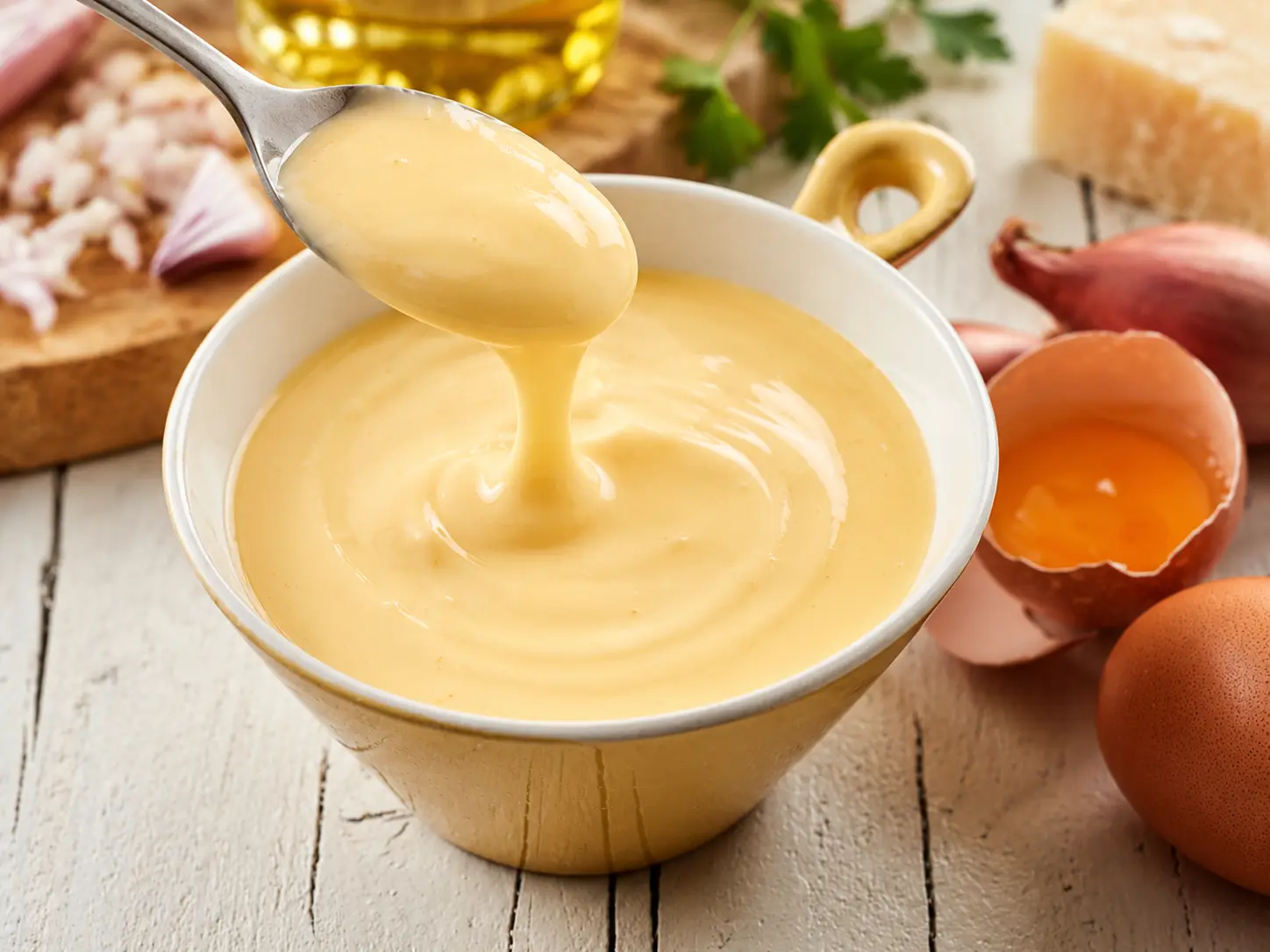
APPLICATION 01
Sauces & Dressings
Evaluate body, pourability and coating in your finished sauce.
Heating profile, pH and mixing intensity.
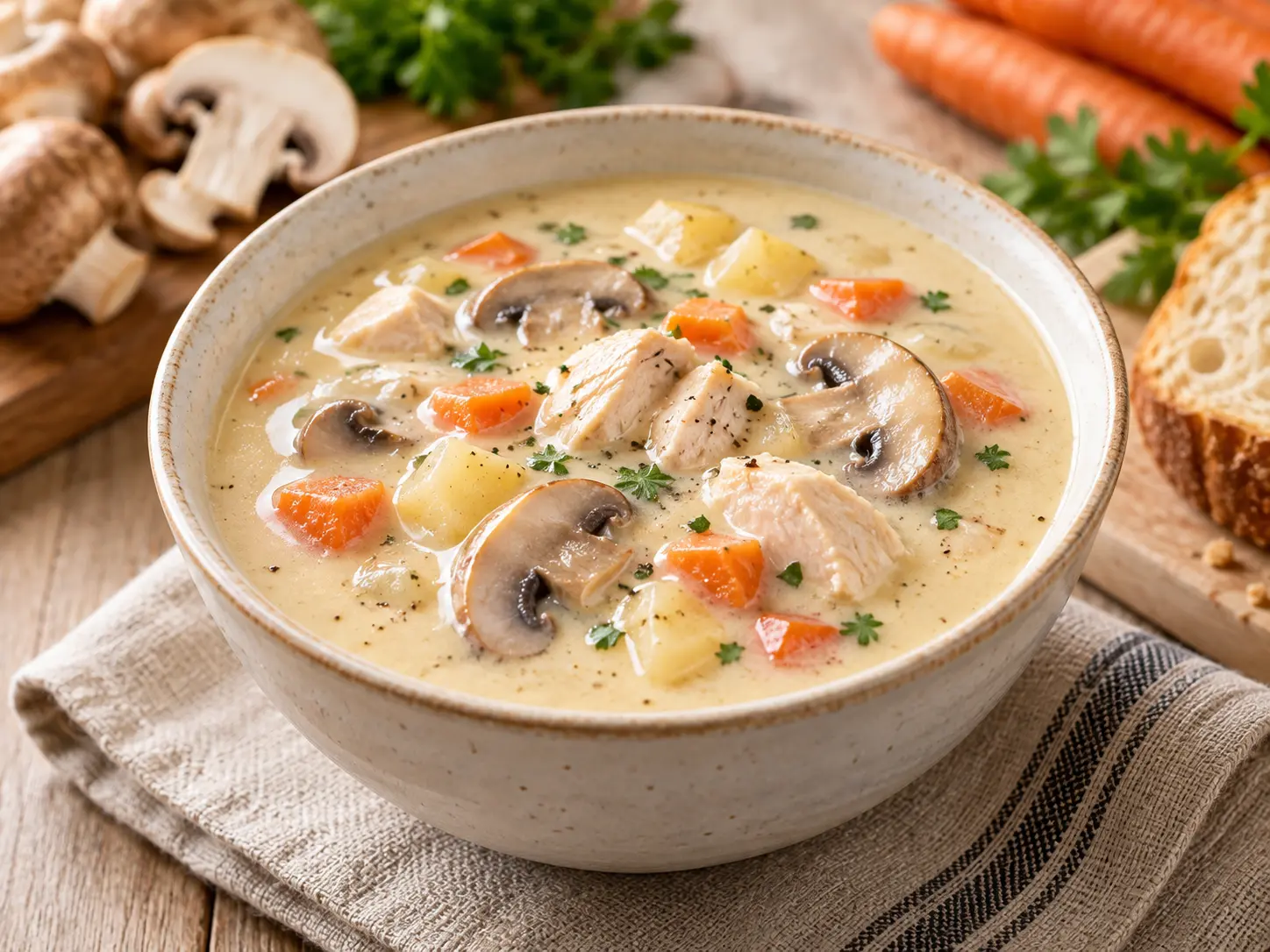
APPLICATION 02
Soups & Ready Meals
Compare consistency after cooking, holding and reheating.
Cooking time, serving temperature and reheating method.
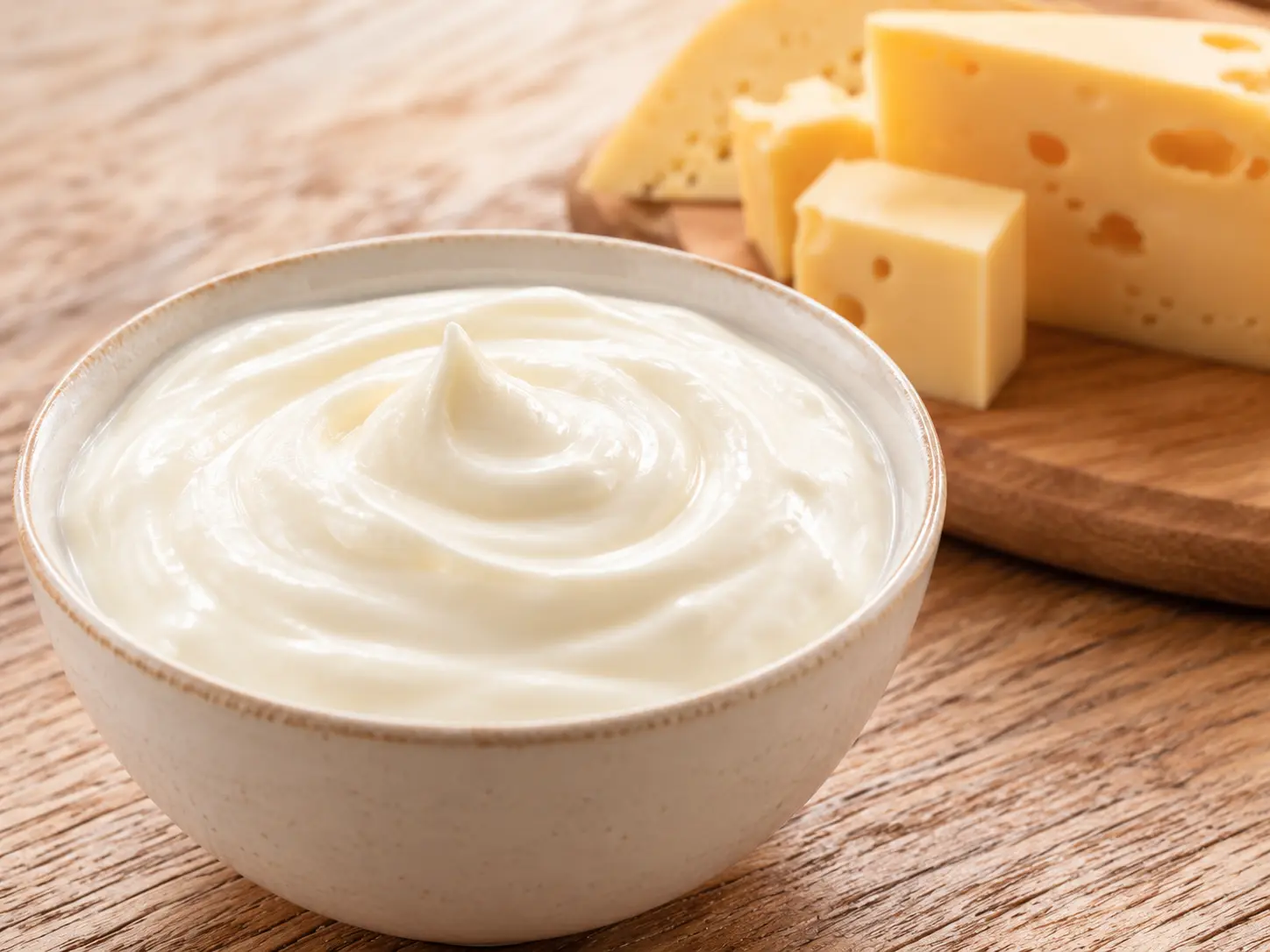
APPLICATION 03
Dairy & Plant-Based Alternatives
Assess smoothness, spoonability and water separation in your food system.
Protein base, fermentation or acidification, and chilled storage.

APPLICATION 04
Bakery & Fruit Fillings
Evaluate filling body, handling and texture after baking and cooling.
Fruit content, sugar level, baking profile and storage.
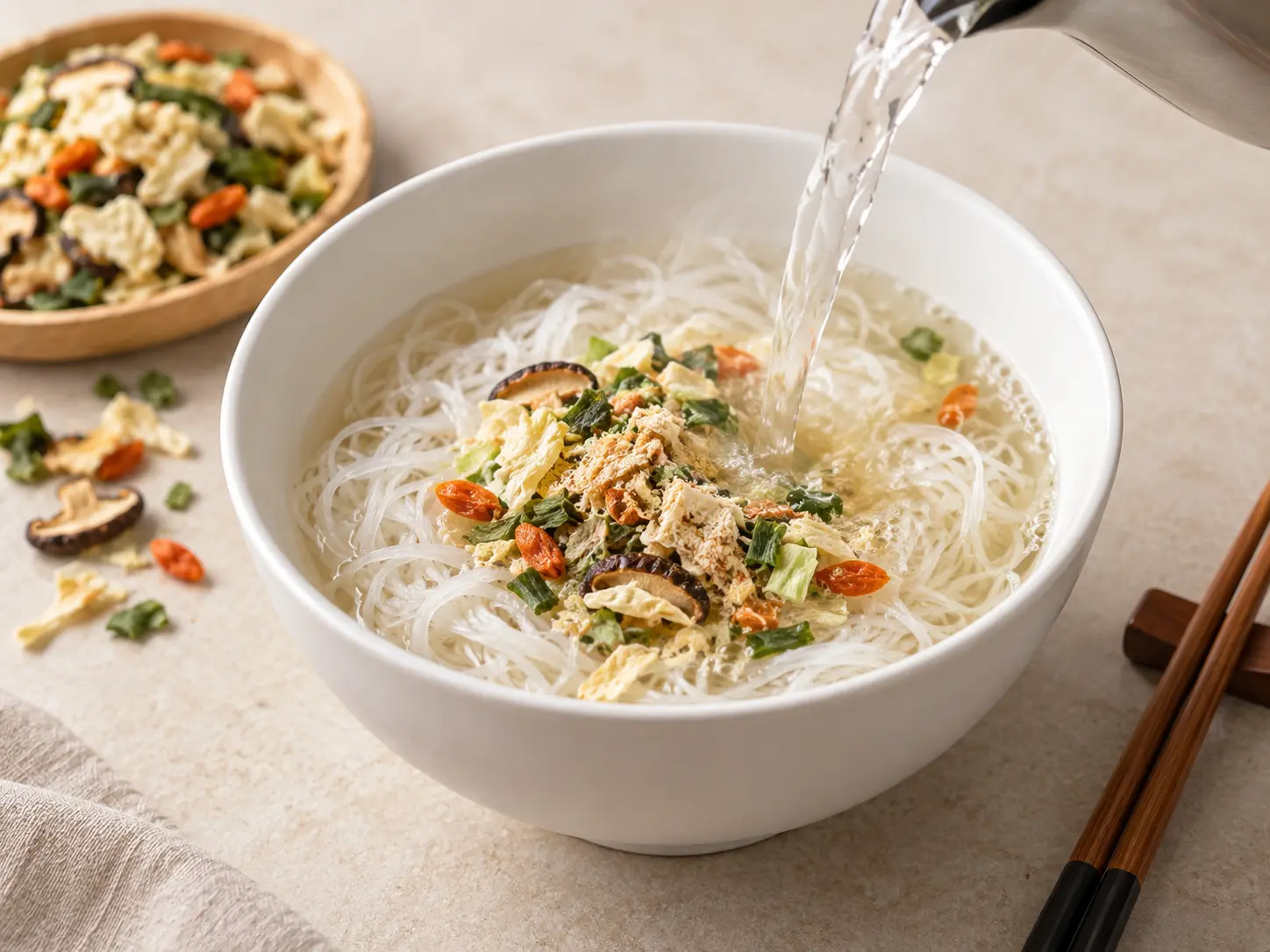
APPLICATION 05
Instant Mixes
Compare dispersion, hydration time and texture during preparation.
Liquid temperature, addition sequence and mixing time.
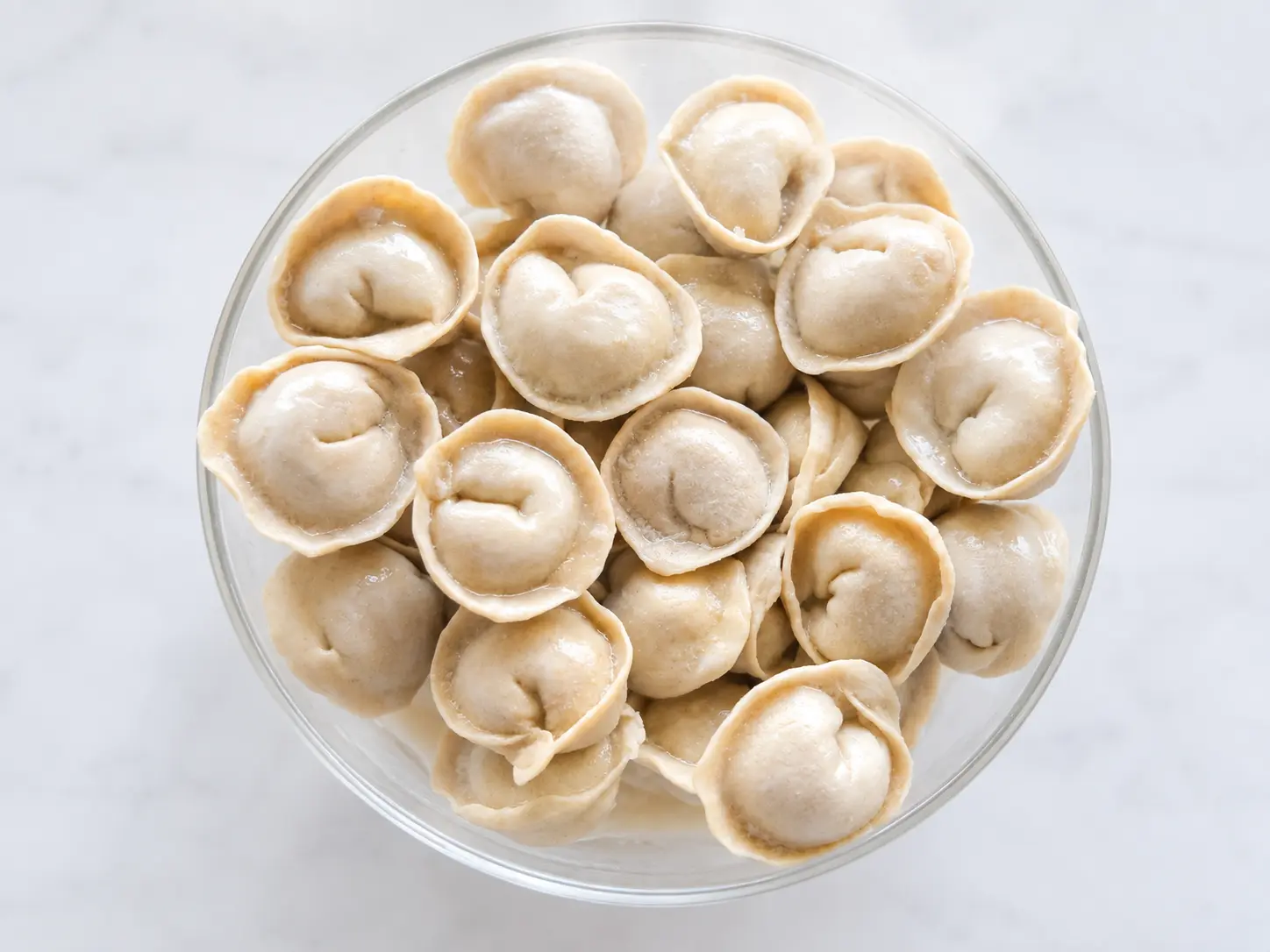
APPLICATION 06
Frozen & Chilled Foods
Evaluate water separation and texture across the intended storage cycle.
Storage temperature, thawing conditions and reheating.
MATCH THE GRADE TO YOUR APPLICATIONConfirm performance in your complete recipe and process. Share your food system, label goals and target texture with our team.
Explore ApplicationsFROM RAW STARCH TO FINISHED PRODUCT
CLEAN LABEL STARCH
PRODUCTION PROCESS
Follow the supplied food-starch production flow from slurry preparation and separation through drying, dry-powder handling, metal control, packaging and product release.
PROCESS FLOW · 01 — 14
Starch Production & Quality-Control Route
The steps below reproduce the production sequence shown in the process chart supplied for this page.
Raw starch and tap water enter the slurry preparation stage.
Screening removes impurities before the next separation stage.
Compressed air assists filtration; filtrate is directed to the environmental treatment station.
Air and indirect steam heating are used in the drying stage.
Material enters the second slurry-processing stage shown in the supplied flow chart.
The second slurry screening stage removes additional impurities.
Water and compressed air support separation; filtrate is directed for environmental treatment.
A second airflow-drying stage uses air and indirect steam heating.
Coarse starch particles are separated from the dried powder.
OPRP1The powder passes through the magnetic-control stage before metal detection.
Metal detection is identified as the critical control point in the supplied process chart.
CCP1Finished starch moves to the packaging stage after metal detection.
Product inspection is shown between packaging and finished-product release.
Released finished product proceeds to warehouse storage.
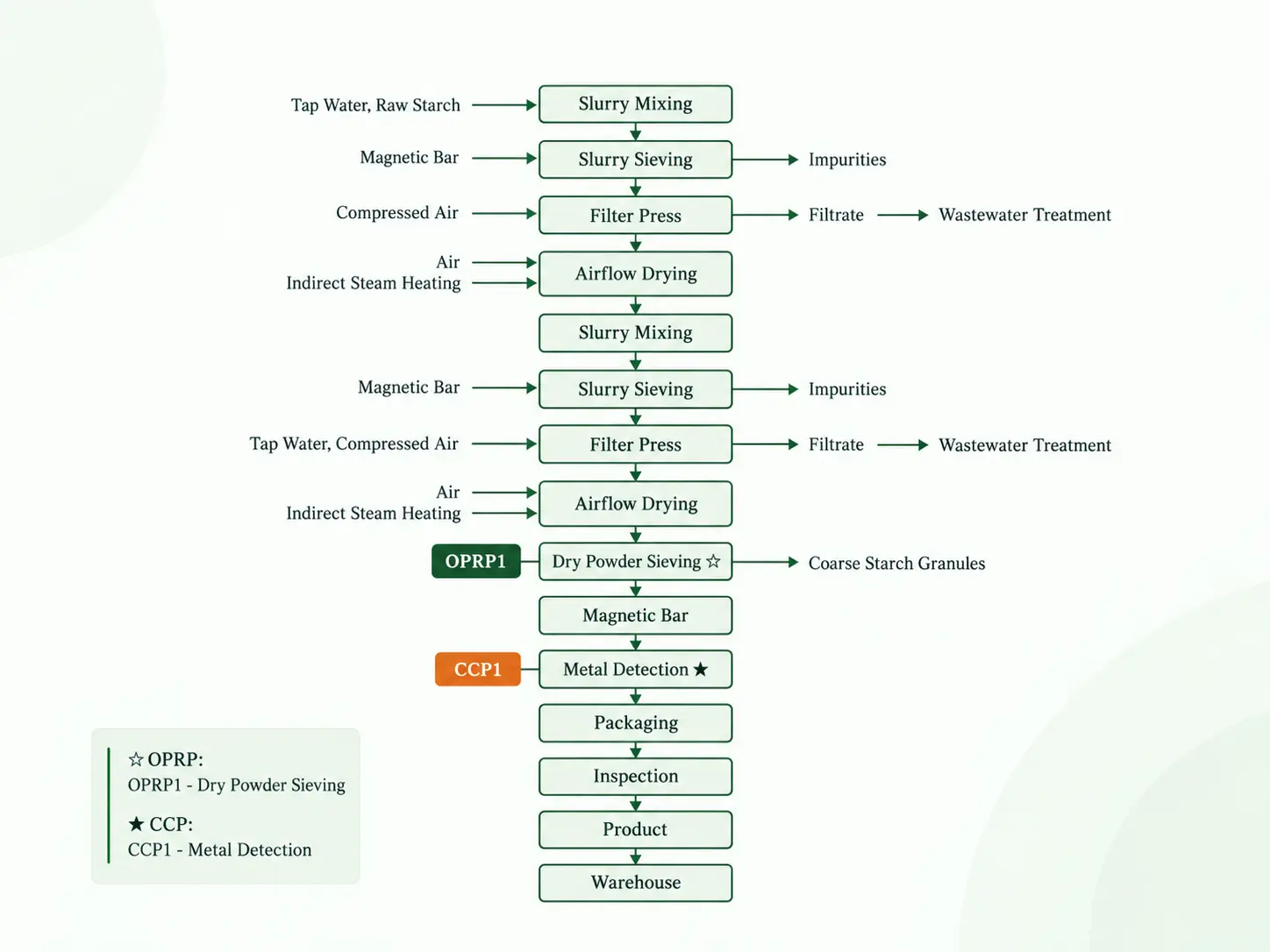
This section visualizes the food-starch production process supplied for this website. Individual clean label starch grades may use different processing routes or conditions. Confirm the product-specific specification and process documentation for the grade being evaluated.
QUALITY · FOOD SAFETY · DOCUMENTATION
CERTIFICATIONS
& COMPLIANCE
Documentation that helps buyers evaluate a clean label starch supplier.
International food manufacturers need more than functional starch performance. Supplier evaluation can also involve food-safety systems, quality management, traceability, batch documentation and market-specific compliance support.
Compliance Support





Batch Traceability
Support buyer review by connecting finished product batches with production and quality records.
Product Documentation
Specifications, technical information and available quality documents can support supplier approval.
Quality Control
Production and finished-product controls help maintain consistency between commercial batches.
Buyer Qualification
Documentation can be reviewed during sourcing, technical evaluation and supplier qualification.
Certification scope, issuing body, validity period and applicable production site should be confirmed against the current certificate before purchasing or supplier approval. Contact us for documentation relevant to the clean label starch grade under evaluation.
MANUFACTURING · TECHNICAL · SUPPLY
WHY CHOOSE OUR
CLEAN LABEL STARCH
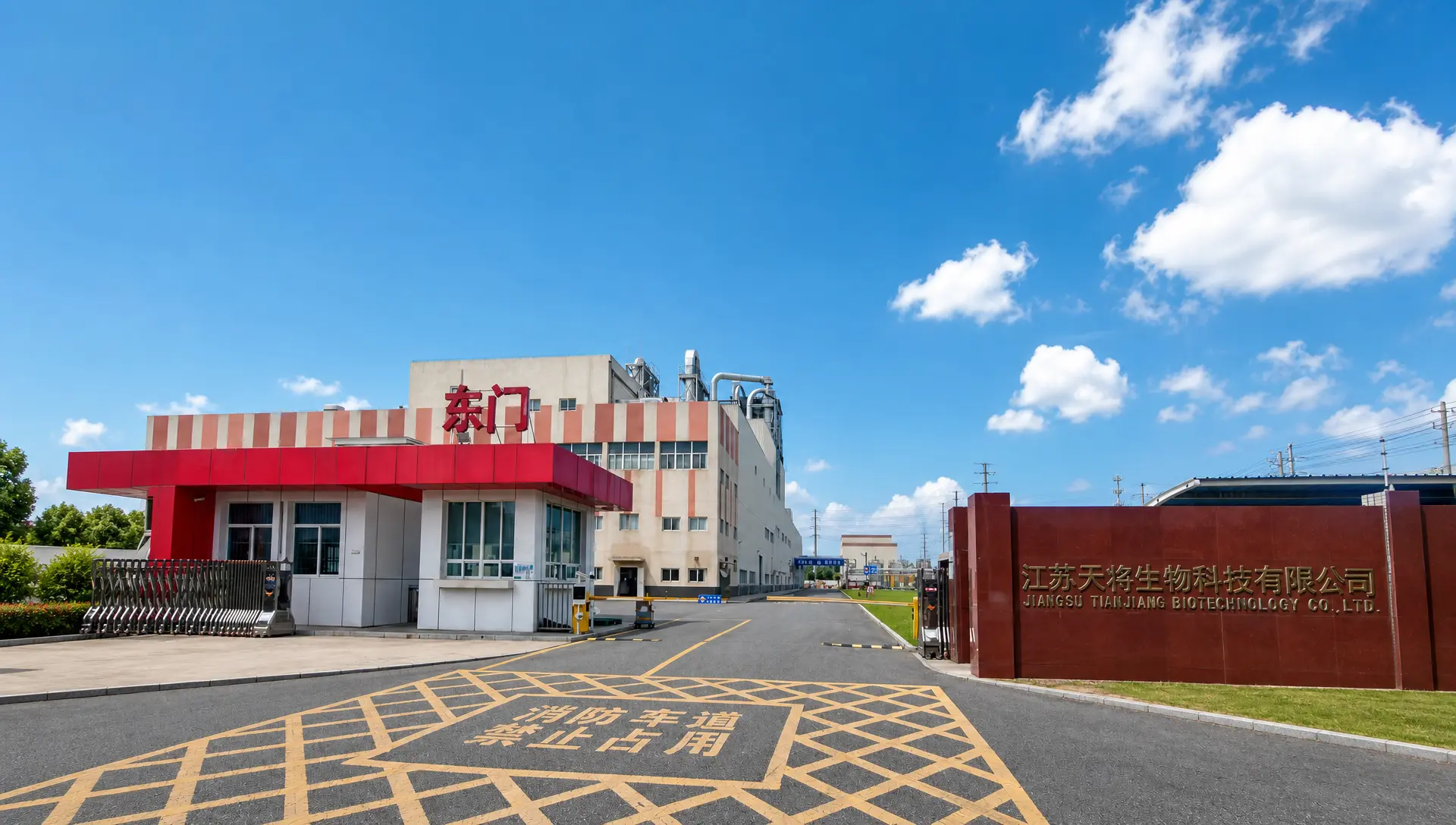
As a professional clean label starch manufacturer , we combine production capability with application evaluation, quality control and supply support to help food manufacturers move from initial formulation screening toward commercial production.
 01
RAW MATERIAL
01
RAW MATERIAL
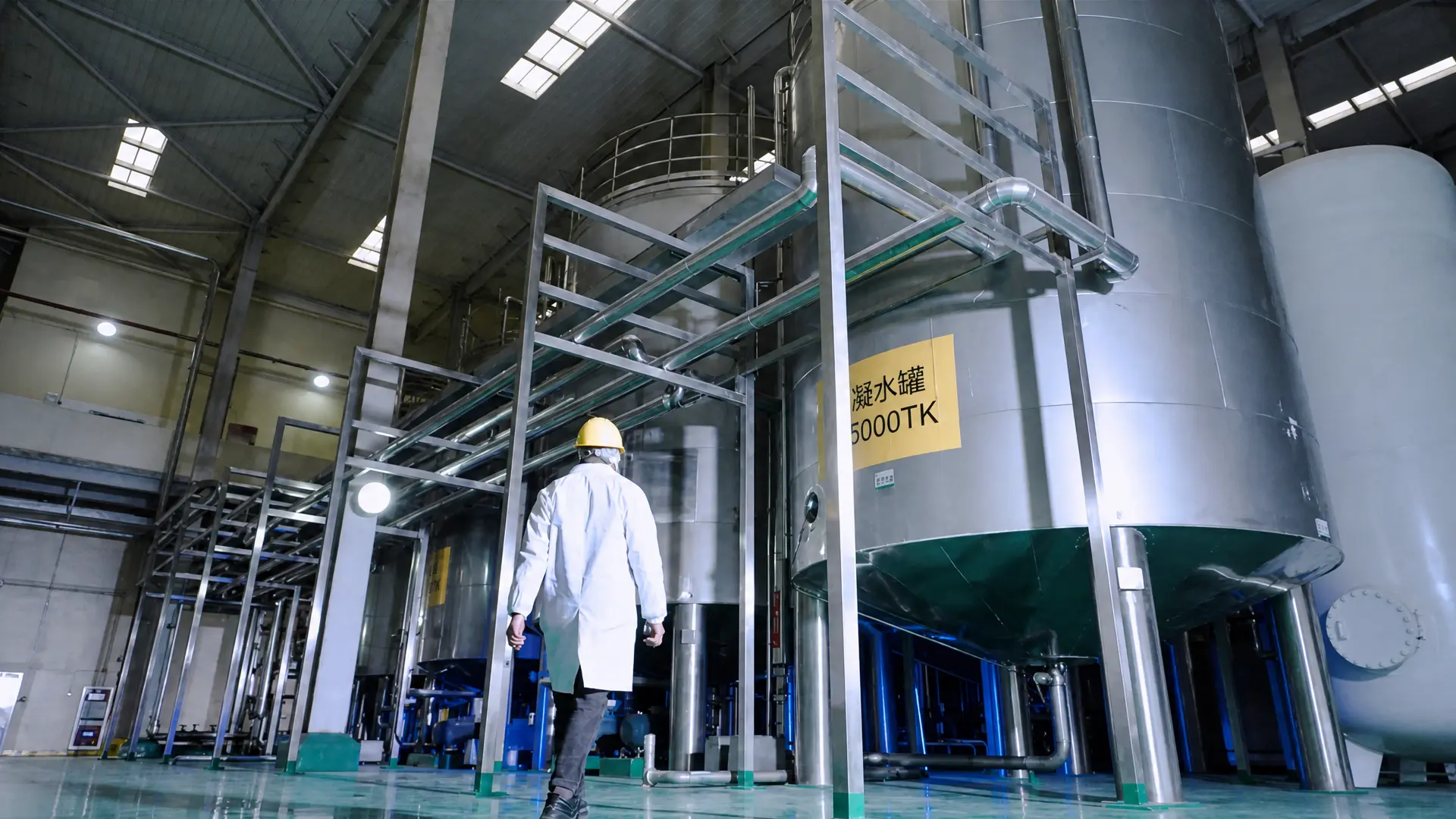
Raw Material Control
Raw-material consistency is an important starting point for stable starch processing, quality evaluation and finished-product performance.
 02
PRODUCTION
02
PRODUCTION
Controlled Manufacturing
Production control from slurry processing and drying through screening, metal detection and packaging supports consistent commercial manufacturing.
 03
APPLICATION LAB
03
APPLICATION LAB
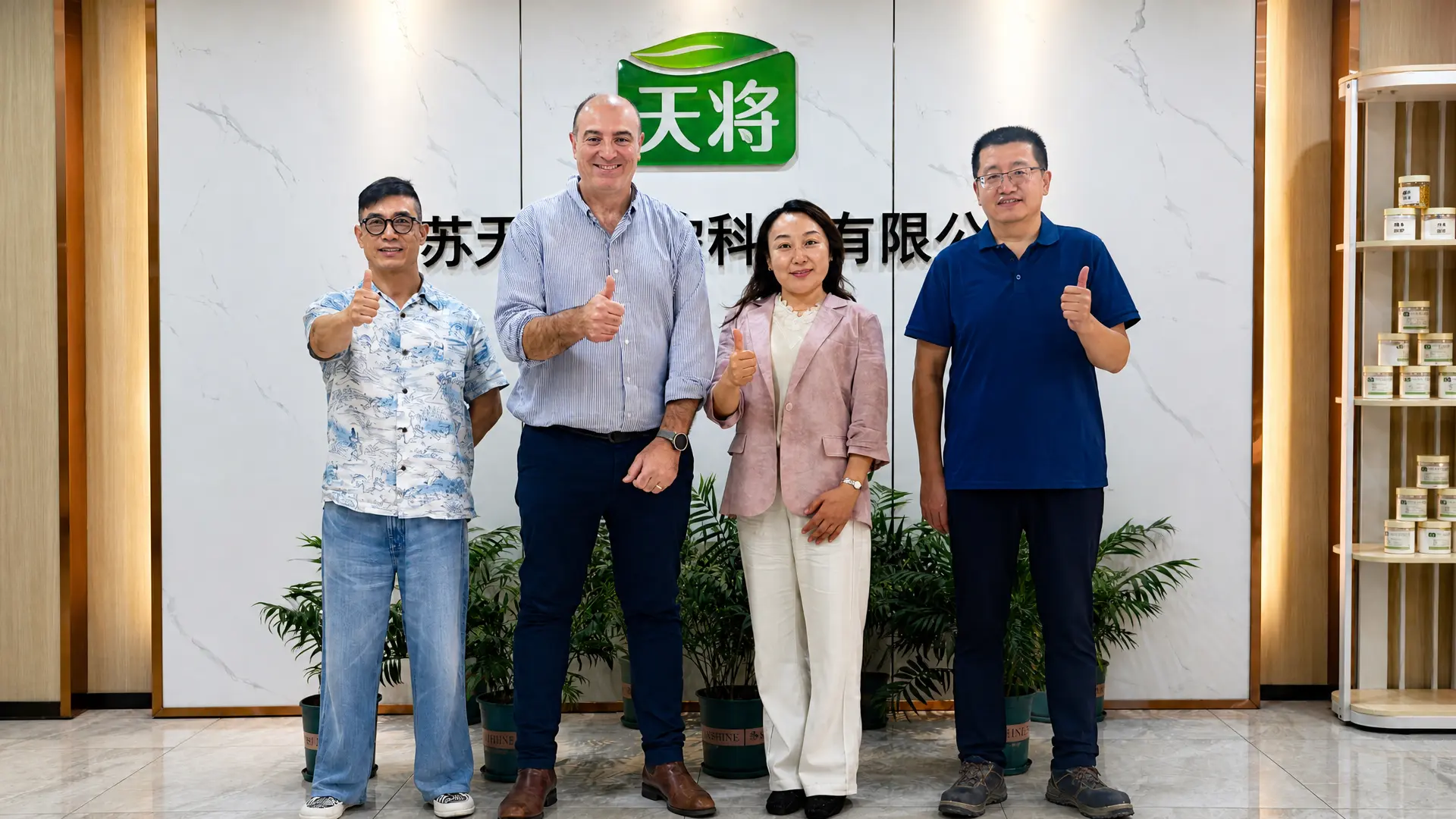
Application Evaluation
Starch candidates can be compared according to processing conditions, viscosity, texture and other formulation targets relevant to the intended application.
 04
FORMULATION
04
FORMULATION
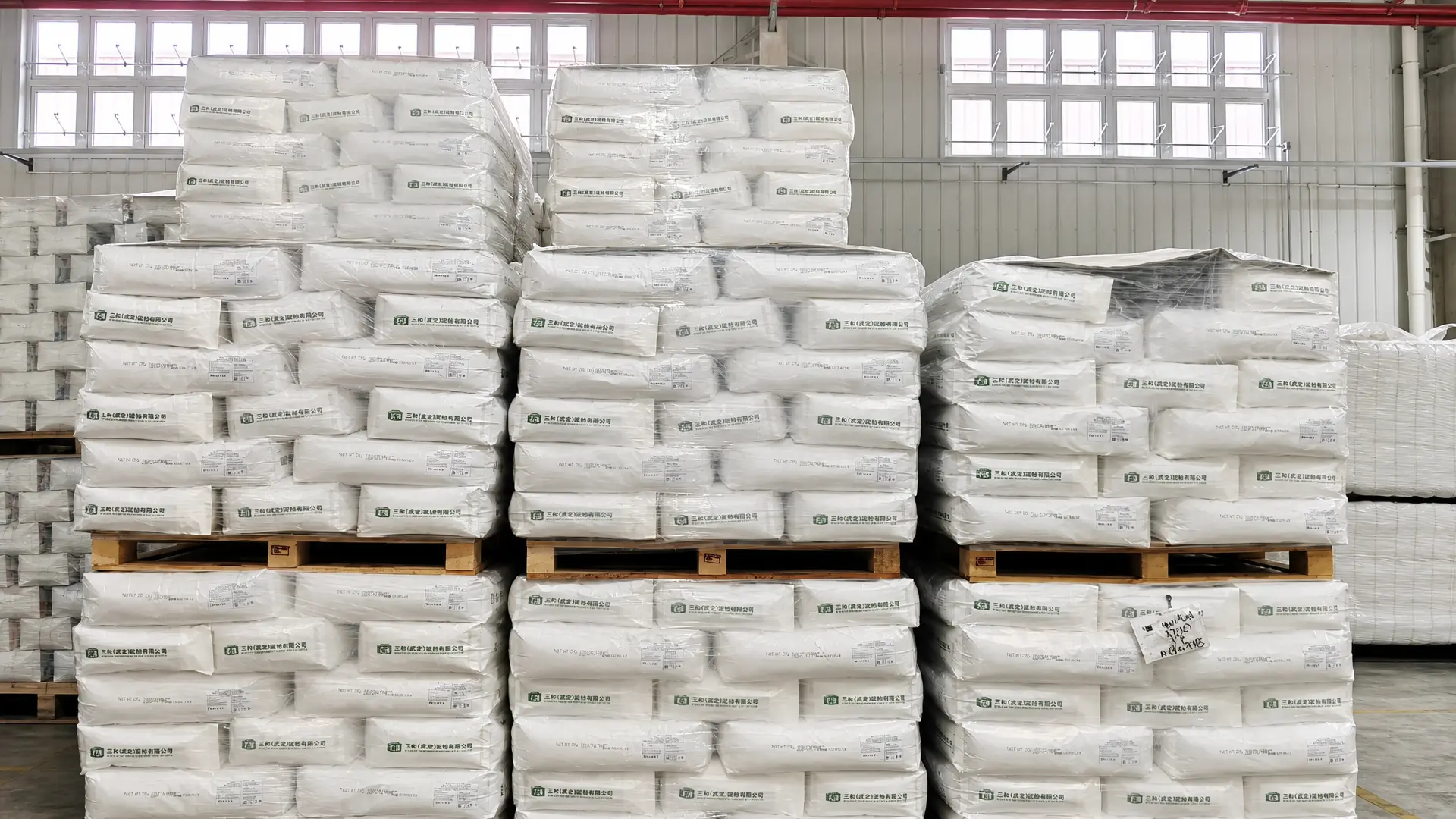
Solution-Oriented Selection
Product selection can begin with the actual application challenge rather than treating all clean label starch grades as interchangeable.
 05
SUPPLY
05
SUPPLY
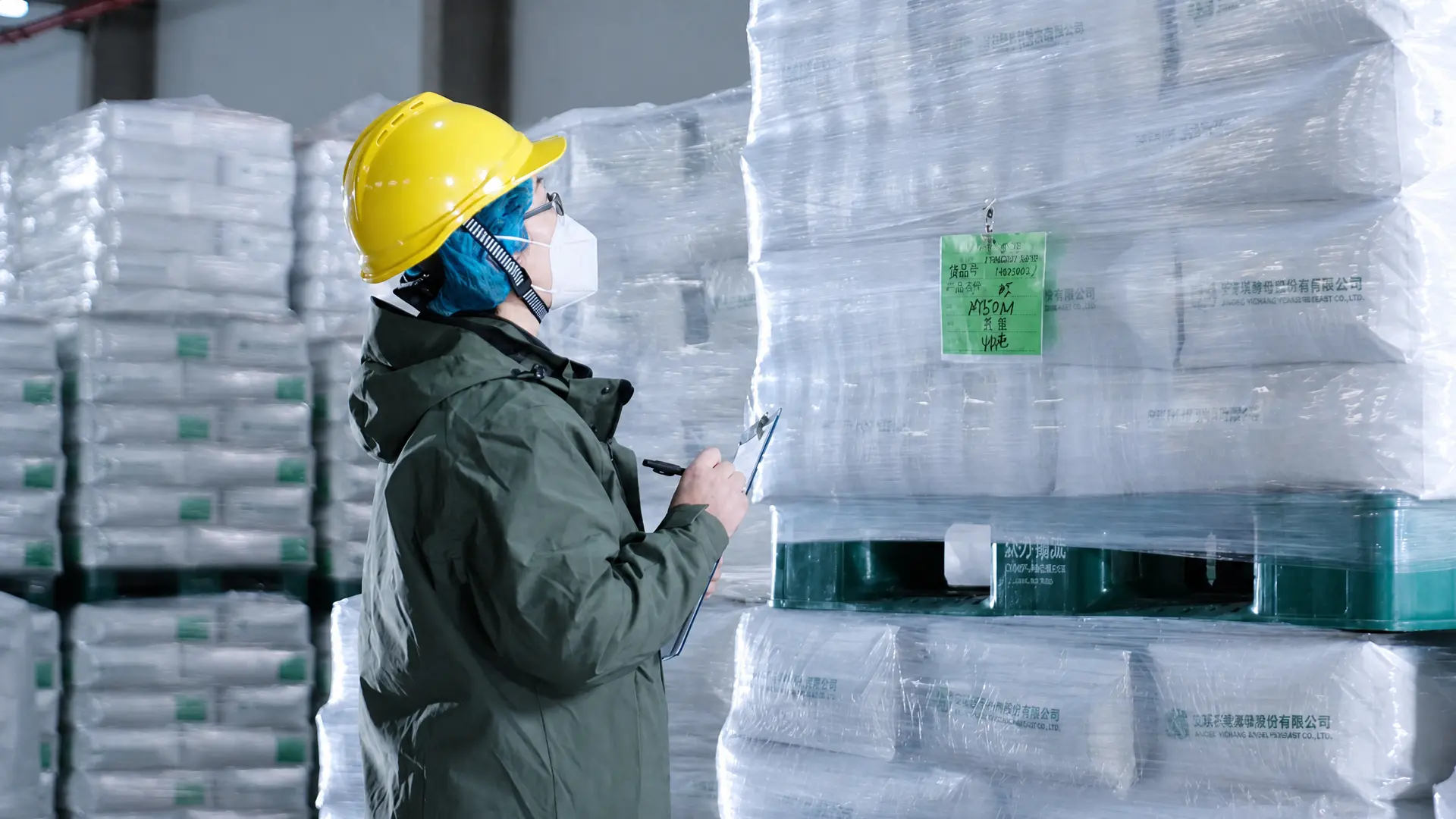
Supply & Batch Coordination
Commercial sourcing requires coordination between production planning, product documentation, packaging and finished-goods handling.
 06
EXPORT SUPPORT
06
EXPORT SUPPORT
Export Documentation Support
Product, quality and shipment documentation can support international buyer review, supplier qualification and commercial delivery.
Evaluating a Clean Label Starch Manufacturer?
Send your target application, current ingredient, processing conditions, required functionality and destination market. These details provide a clearer basis for product screening and documentation review.
Product suitability, documentation and regulatory requirements should be confirmed for the specific starch grade, intended food application and destination market before commercial adoption.
FROM FORMULATION QUESTION TO COMMERCIAL PRODUCT
BUILD YOUR NEXT
CLEAN LABEL FORMULATION
Looking for a clean label starch for a new product or replacing an existing starch system? Share your application, processing conditions and performance target so the technical discussion can begin with the real formulation challenge.
TO START A TECHNICAL REVIEW, SEND US:
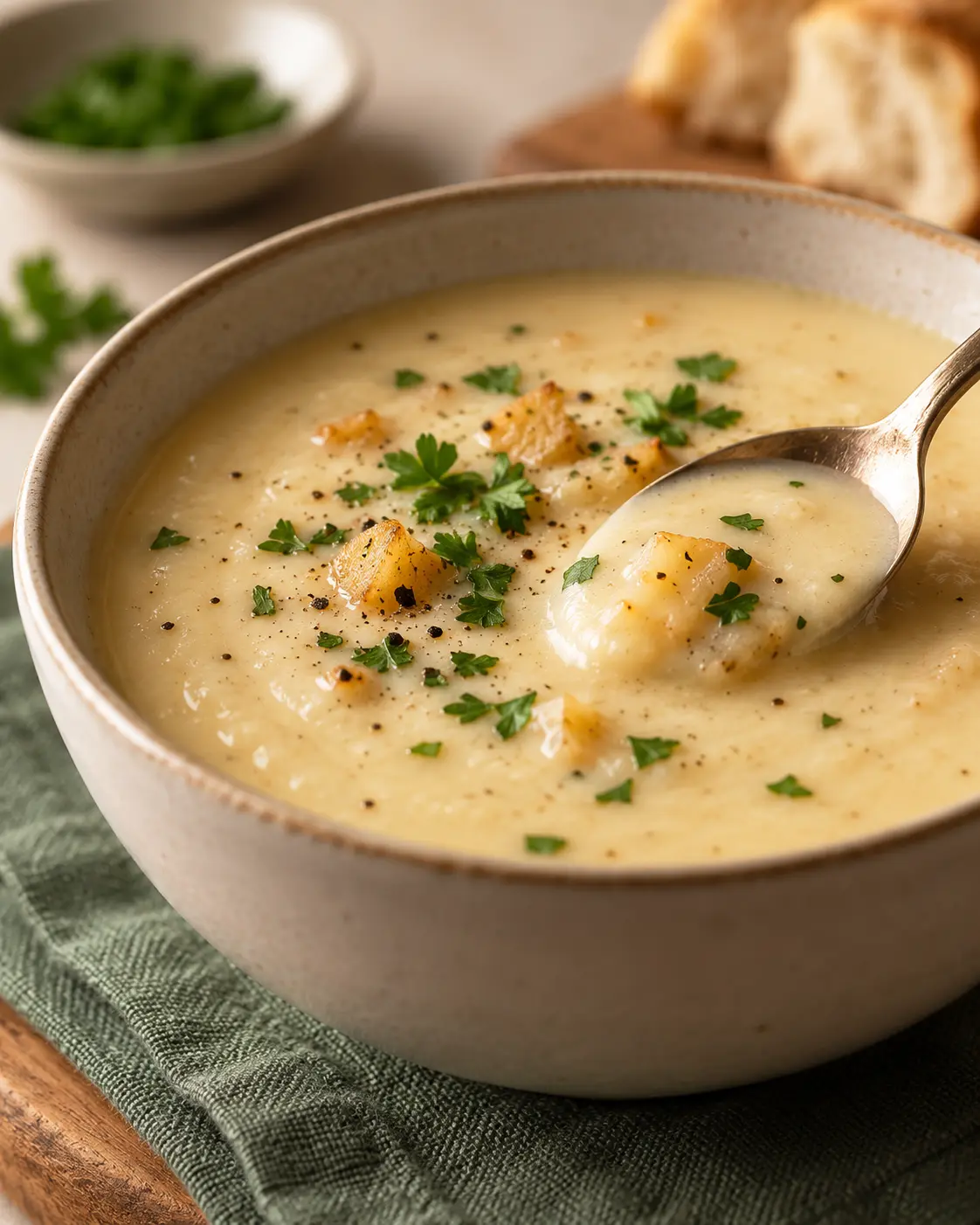 FOOD APPLICATION
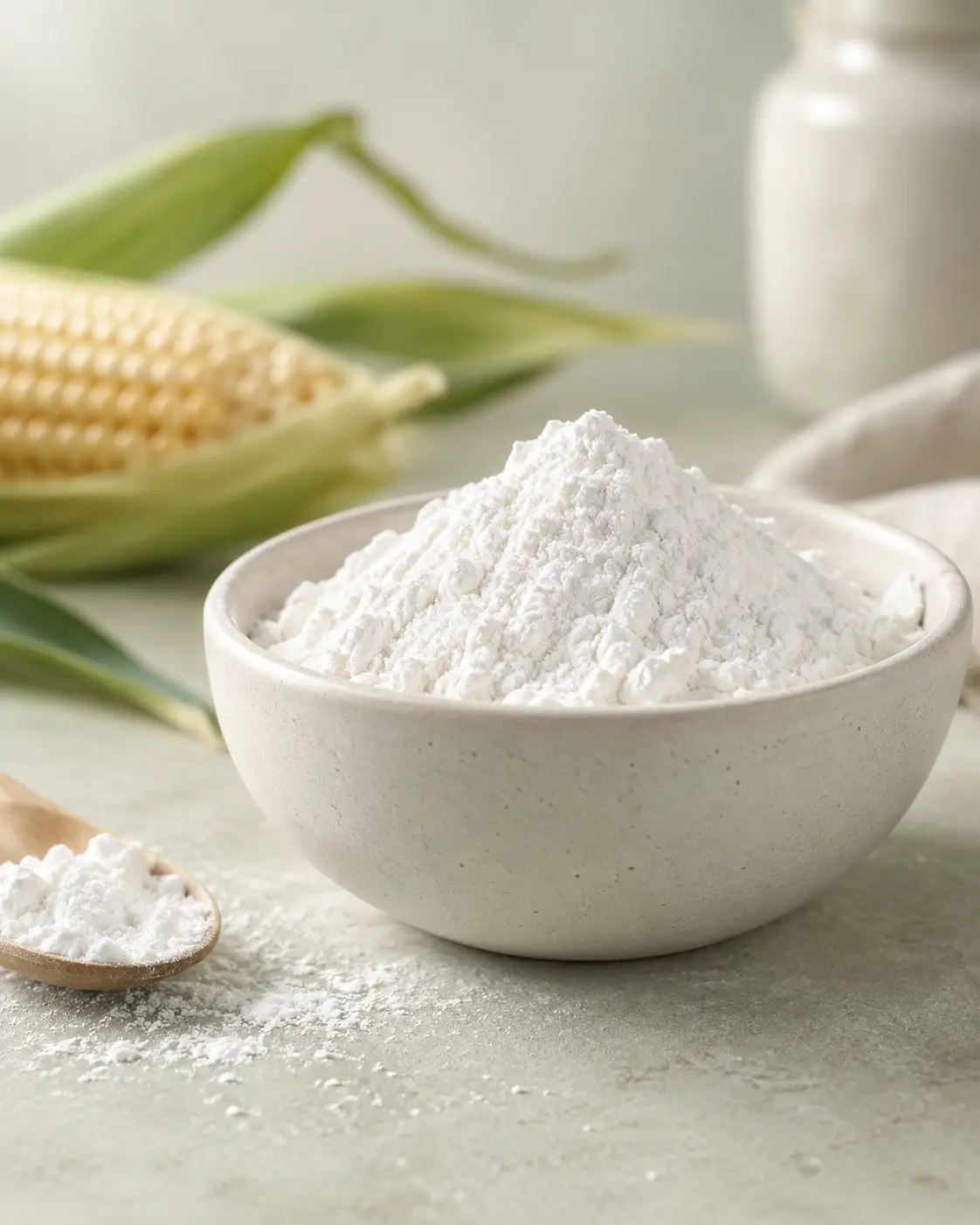 CLEAN LABEL STARCH
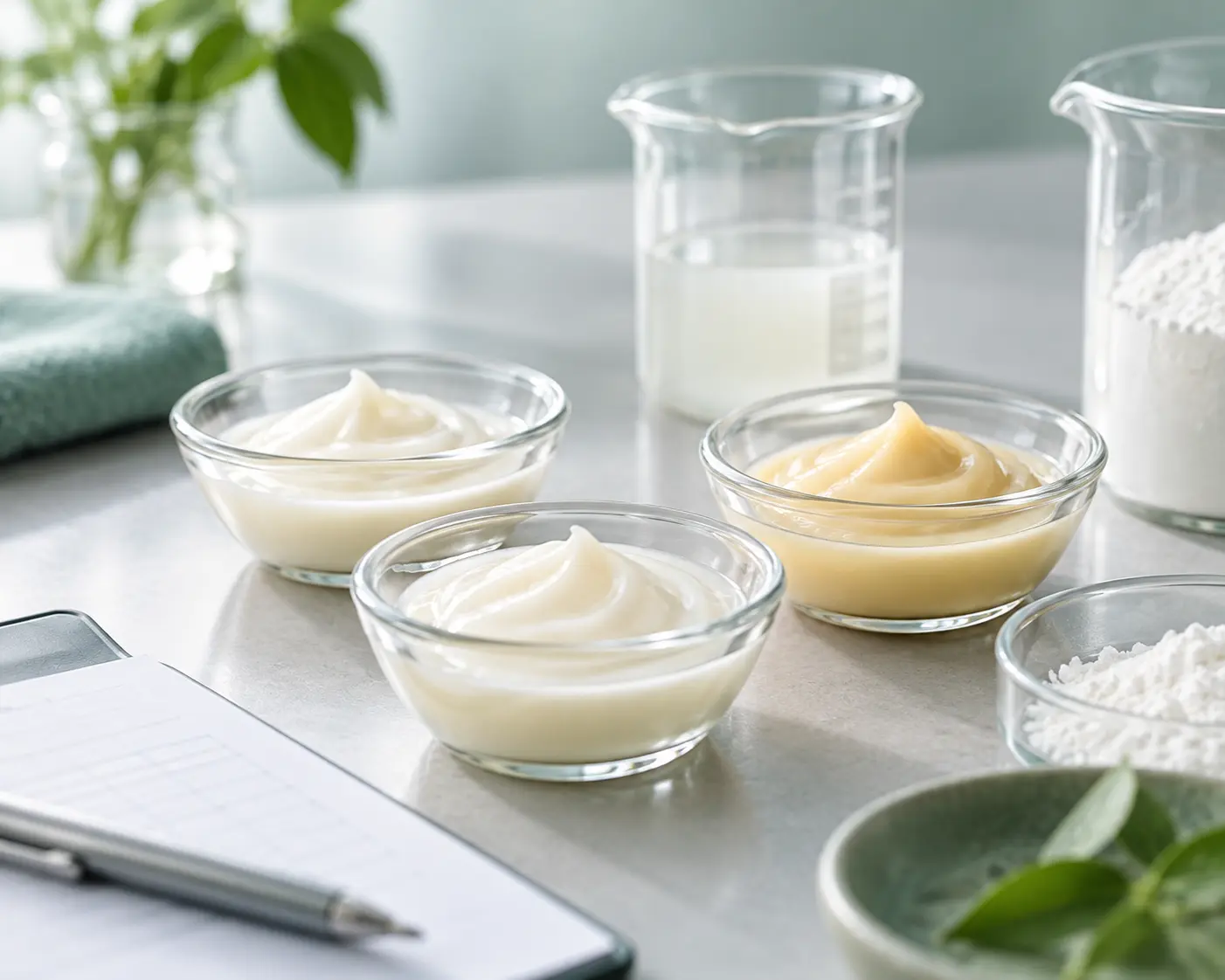 TECHNICAL EVALUATION
Define the finished food and current formulation challenge.
Temperature, shear, pH and processing sequence help narrow the evaluation.
Clarify viscosity, texture, storage and label requirements.
Compare performance using relevant formulation and processing conditions.
Confirm technical performance and commercial requirements before adoption.