
TIANJIANG / BAKING JAM FORMULATION
Baking Jam Formulation with Modified Starch
This baking jam formulation platform uses Tianjiang modified starch to help manufacturers control bake stability, filling viscosity, fruit suspension, water migration, pumpability and finished texture for Danish pastries, croissants, bread, pies, cookies and filled bakery products.

01 / DEFINE THE BAKERY APPLICATION
Baking Jam Solutions for Manufacturers and R&D Teams
Define fruit content, target Brix, filling dosage, baking temperature, bake time, deposit method, freeze-thaw exposure and finished texture before selecting the starch system.
Bake Stability
Control filling expansion, boil-out and migration when the bakery product is exposed to high oven temperatures.
Processing Performance
Balance viscosity with pumpability so the filling can move through pipes, depositors and injection systems without losing structure.
Commercial Scale-Up
Connect the approved formula with the exact Tianjiang grade, technical specification, COA, packaging, MOQ and supply program.
02 / FOUR INDUSTRIAL FRUIT-FILLING PLATFORMS
Four Baking Jam Formulation Platforms
The required texture changes between croissant filling, high-fruit Danish filling, high-Brix baking jam and post-bake injection products.

Classic Strawberry Bake-Stable Filling
Balanced for Danish pastry, sweet bread and general industrial bakery applications.

High-Fruit Danish & Croissant Filling
Uses 40% prepared fruit for stronger fruit identity while maintaining bake stability.
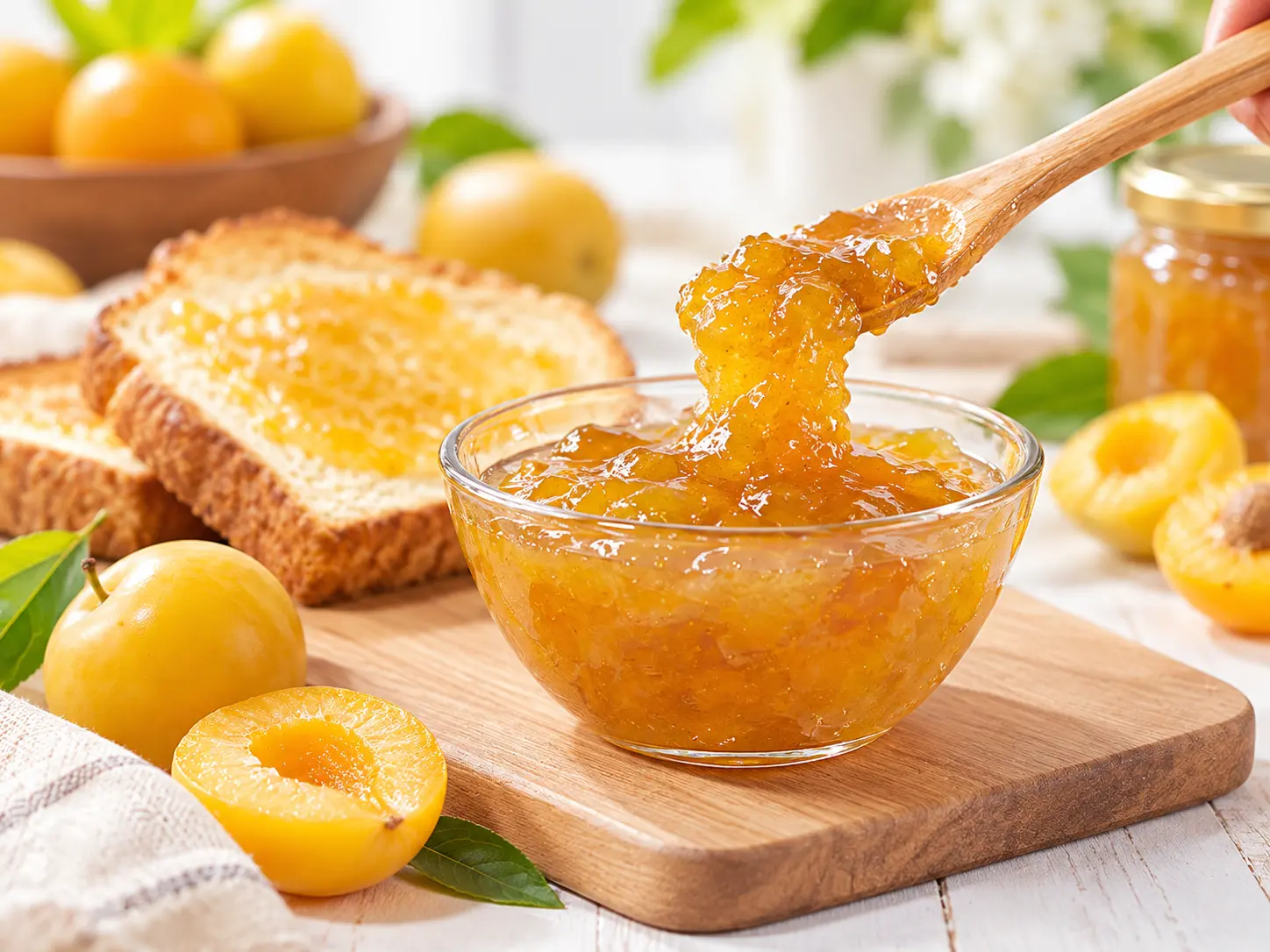
High-Brix Industrial Baking Jam
Designed for stronger body, reduced oven flow and applications requiring high soluble solids.
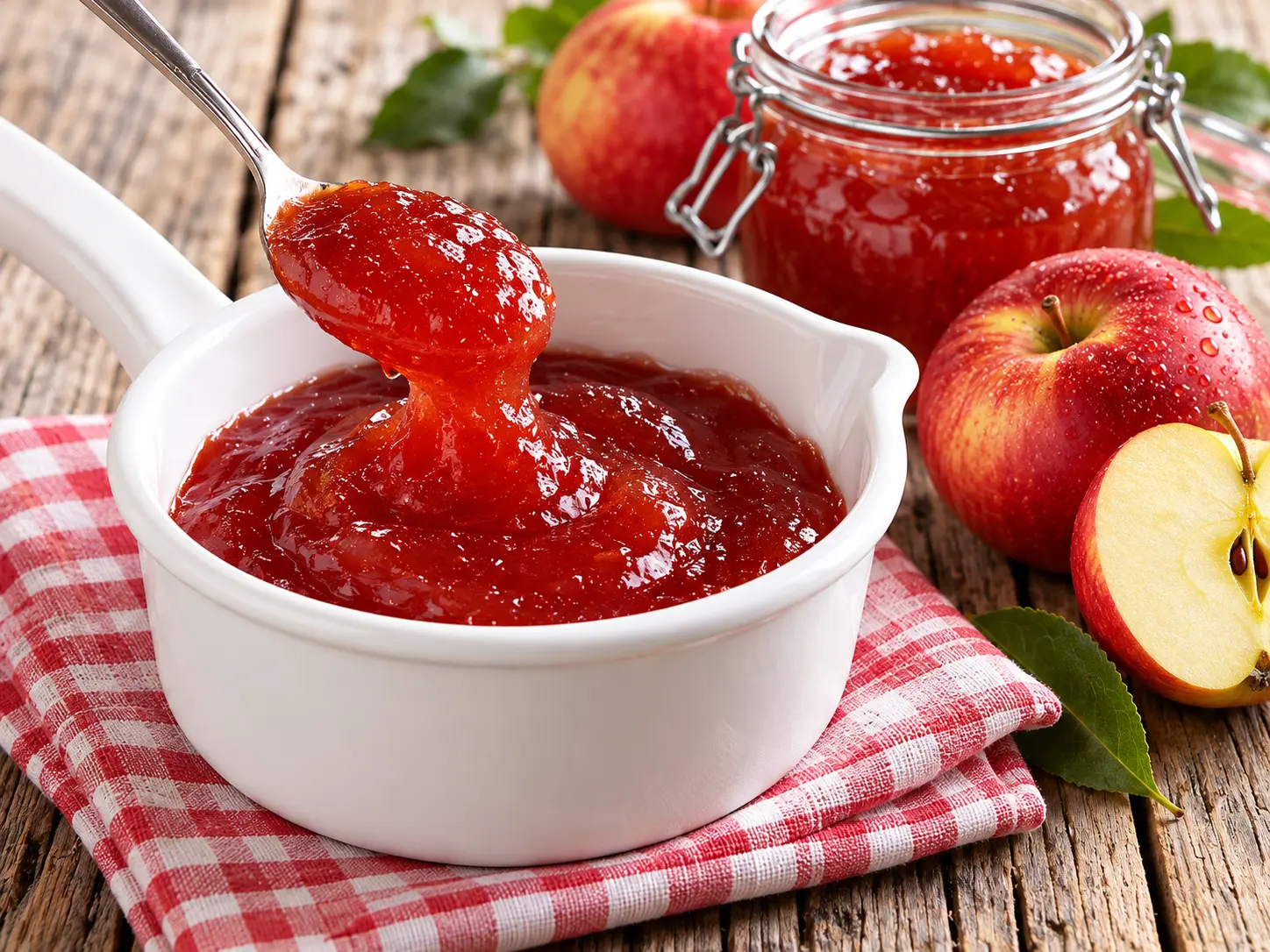
Smooth Injectable Fruit Filling
Designed for doughnuts, cakes and post-bake injection where pumpability and clean dosing are critical.
03 / TIANJIANG PRODUCTION-SCALE FORMULA SYSTEM
Tianjiang Baking Jam Production Formulas
Choose the bakery-filling platform and enter the production batch size. The calculator converts the percentage formulation into manufacturing weights.
Baking Jam Formulation Batch Calculator
| Ingredient | Formula % | Batch Mass, kg | Primary Function |
|---|---|---|---|
| Starting Formula Total | 100.00% | 100.000 | Before process evaporation |
TJ-BJ-01 · 100 kg starting formulation · 4.25% Tianjiang modified starch · target 60–64°Brix.
The formulation table represents starting ingredient weights. The final cooked batch weight will change as water evaporates. Always control the finished product by Brix, pH, viscosity and bake-test performance, not by cooking time alone.

04 / MODIFIED STARCH PERFORMANCE
How Modified Starch Improves Baking Jam Stability
Tianjiang modified starch is designed to build enough structure to resist oven flow while maintaining a smooth, pleasant filling texture after cooling.
Bake Stability
Reduce excessive spreading, boil-out and leakage during the bakery process.Heat Stability
Maintain viscosity during high-temperature processing and subsequent baking.Shear Resistance
Support texture through mixers, pumps, depositors and injection systems.Acid Tolerance
Maintain useful viscosity in acidic fruit formulations.Water Management
Reduce migration of free water into dough, pastry or cake.Glossy Texture
Support smooth, bright fruit appearance without excessive gumminess.
05 / COMMERCIAL MANUFACTURING
Baking Jam Manufacturing Process
The optimized Tianjiang process keeps the starch hydration stage separate from final acid adjustment, helping protect viscosity during high-temperature processing.
TJ-BJ Recommended Production Sequence
-
Weigh all ingredients
Prepare fruit, sweeteners, Tianjiang modified starch, water, salt and supporting ingredients according to the production batch sheet.
-
Prepare the starch phase
Disperse Tianjiang modified starch, salt and approved preservative into process water under controlled agitation.
-
Prepare the fruit phase
Blend prepared fruit, sugar, glucose syrup and flavor components until evenly distributed.
-
Heat the starch phase
Raise the starch phase to approximately 90–95°C and maintain controlled mixing for about 5 minutes or until full starch development.
-
Combine both phases
Add the fruit phase gradually into the developed starch system while maintaining uniform agitation.
-
Concentrate to target Brix
Continue heating until the formulation reaches the defined soluble-solids target for the selected product platform.
-
Adjust final acidity
Add the citric-acid solution near the end of processing and verify the final target pH.
-
Fill and cool
Fill under the manufacturer's validated packaging process, then cool before storage or bakery-line use.


06 / CONTROL THE COMPLETE BAKERY SYSTEM
Bake Stability, Brix, pH and Pumpability
A filling that looks correct in the kettle can still fail during depositing, proofing or baking. Evaluate both process and finished bakery performance.
Bake Stability
Record spreading, boil-out, leakage and post-bake shape retention under a standardized oven profile.
Brix
Soluble solids affect sweetness, water availability, flow and final filling body.
Final pH
Control acidity for flavor, starch performance, preservation strategy and fruit profile.
Pumpability
Measure the filling through the actual pipe, pump, depositor or injection equipment.
07 / DIAGNOSE THE BAKERY FAILURE MODE
Baking Jam Formulation Troubleshooting
Do not correct every bakery defect by simply increasing starch. Brix, pH, filling weight, proofing and oven profile can be equally important.
| Observation | Factors to Investigate | Controlled Next Trial |
|---|---|---|
| Filling leaks during baking | Starch strength, filling dosage, Brix, oven profile and dough containment. | Confirm Brix and filling weight before increasing starch. |
| Filling spreads too much | Low viscosity, high free water, insufficient starch development or low solids. | Compare equal-Brix samples at different starch levels. |
| Filling becomes rubbery | Excess starch, high Brix, pectin interaction or excessive concentration. | Reduce structure while keeping fruit and soluble solids constant. |
| Water migrates into the pastry | Free water, weak starch system, low Brix or long storage. | Measure water release and pastry softness after controlled storage. |
| Viscosity drops after acid addition | Acid-sensitive starch, high temperature or extended exposure at low pH. | Move acid addition later and compare at equal final pH. |
| Filling is difficult to pump | Excess yield stress, high starch, low temperature or fruit particles. | Measure viscosity before and after the actual pump. |
| Fruit pieces sink | Continuous-phase viscosity, particle density and filling conditions. | Evaluate particle distribution after cooling and baking. |
| Gloss decreases after baking | Overheating, starch opacity, fruit oxidation or excessive solids. | Compare starch grades under the same oven profile. |
08 / SELECT BY PROCESS PERFORMANCE
How to Select Modified Starch for Baking Jam
Share the fruit type, Brix, pH, baking temperature, filling dosage, pump system and required post-bake texture so Tianjiang can recommend a candidate starch grade.
High Bake Stability
Prioritize structure retention when the filling experiences long or high-temperature baking.
Acid Resistance
Choose a grade that maintains useful viscosity at the finished fruit-system pH.
Shear Stability
Consider industrial mixers, pumps and depositors when selecting the starch.
Modified Corn Starch
Suitable grades can provide strong body, cost-effective viscosity and robust bake stability.
Modified Tapioca Starch
Suitable grades can support smooth texture, clarity and neutral fruit flavor.
Commercial Documentation
Confirm exact grade, botanical source, technical specification, COA, certifications and destination-market requirements.
09 / MAKE EVERY TRIAL COMPARABLE
Baking Jam Formulation and Quality Testing
Compare candidate starches using the same fruit lot, finished Brix, pH, filling weight and oven profile.

Recommended Evaluation Points
- Pre-Bake Viscosity Record instrument, speed, temperature and sample age.
- Post-Bake Spread Measure filling movement after a defined oven profile.
- Boil-Out / Leakage Record visible loss from pastry, bread or pie products.
- Brix and pH Measure every trial before bakery testing.
- Water Migration Evaluate dough or pastry softening after defined storage.
- Sensory Quality Compare fruit identity, gloss, mouthfeel, starchiness and post-bake texture.
10 / MOVE FROM R&D TO PURCHASING
Modified Starch Specifications for Baking Jam Purchasing
Once the baking test meets the target, connect the application result with procurement, quality and plant requirements.
Exact Grade Specification
Request the selected Tianjiang starch grade and preparation instructions.Representative COA
Review relevant quality and acceptance parameters.Botanical Source
Confirm corn, tapioca or another declared starch source.Regulatory Documentation
Review ingredient designation, certifications, allergens and market requirements.Commercial Terms
Confirm sample quantity, MOQ, packaging, quotation basis and lead time.Supply Planning
Share projected monthly demand, delivery destination and change-control requirements.

11 / TECHNICAL QUESTIONS
Baking Jam Formulation FAQs
Practical guidance for bakery filling manufacturers, R&D teams and ingredient buyers.
How Much Modified Starch Is Used in Baking Jam?
Tianjiang's core baking-jam application range is approximately 4.0% to 4.5% modified starch. The optimum level depends on fruit content, Brix, pH, bakery process and target post-bake texture.
What Makes a Fruit Filling Bake Stable?
Bake stability depends on the complete formulation, including modified starch, fruit solids, sugars, water, pH and any supporting hydrocolloids. The oven profile and filling dosage also affect performance.
Why Does Baking Jam Leak During Baking?
Potential causes include low filling viscosity, too much free water, insufficient soluble solids, excessive filling weight or an unsuitable starch system.
Why Is Acid Added Near the End of Processing?
Late acid adjustment can reduce the time that the starch spends under simultaneous high-temperature and low-pH conditions, helping protect viscosity.
Can Modified Tapioca Starch Be Used in Baking Jam?
Yes. An appropriate modified tapioca starch can be evaluated for smooth texture, clarity, acid tolerance and bake stability. Modified corn starch can also be screened.
What Is the Difference Between Fruit Jam and Baking Jam?
Standard fruit jam is mainly optimized for spreading and storage. Baking jam must additionally maintain controlled flow, water binding and structure during high-temperature bakery processing.
Can Baking Jam Be Used Before and After Baking?
Some systems can serve multiple applications, but pre-bake fillings and post-bake injectable fillings often require different viscosity, particle size and shear behavior.
What Information Should I Send Tianjiang for a Starch Recommendation?
Share fruit type, fruit percentage, target Brix, finished pH, baking temperature and time, filling weight, current starch dosage, depositing method and the required post-bake texture.
12 / TALK TO TIANJIANG
Request Modified Starch Samples for Baking Jam
Share your fruit formula, bakery process and post-bake target so Tianjiang can recommend a candidate modified starch grade.

Include current Brix, pH, starch dosage, bake temperature, bake time and leakage result when available.
Contact TianjiangPrepare Your Baking Jam Project Brief
13 / CONTINUE EXPLORING