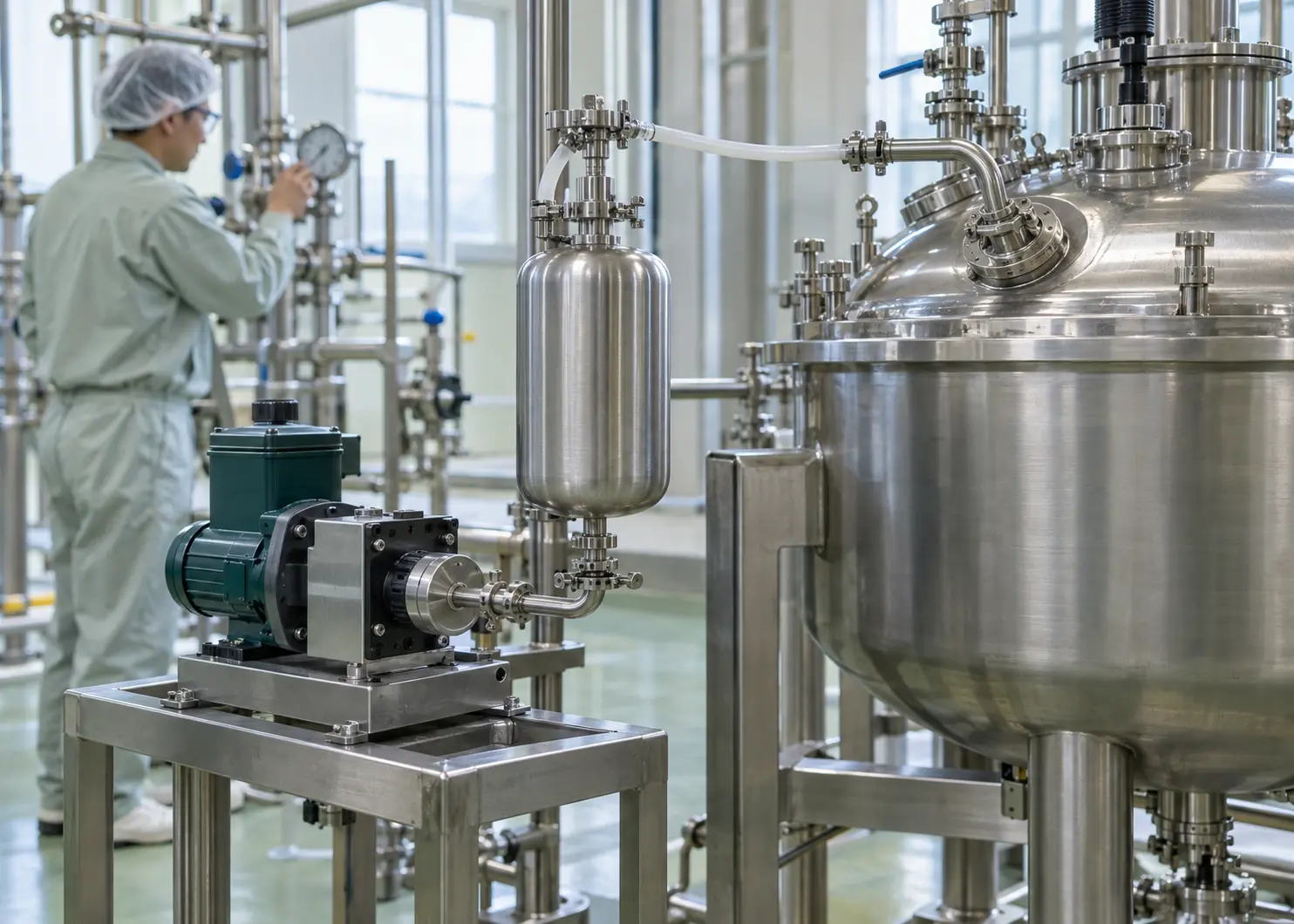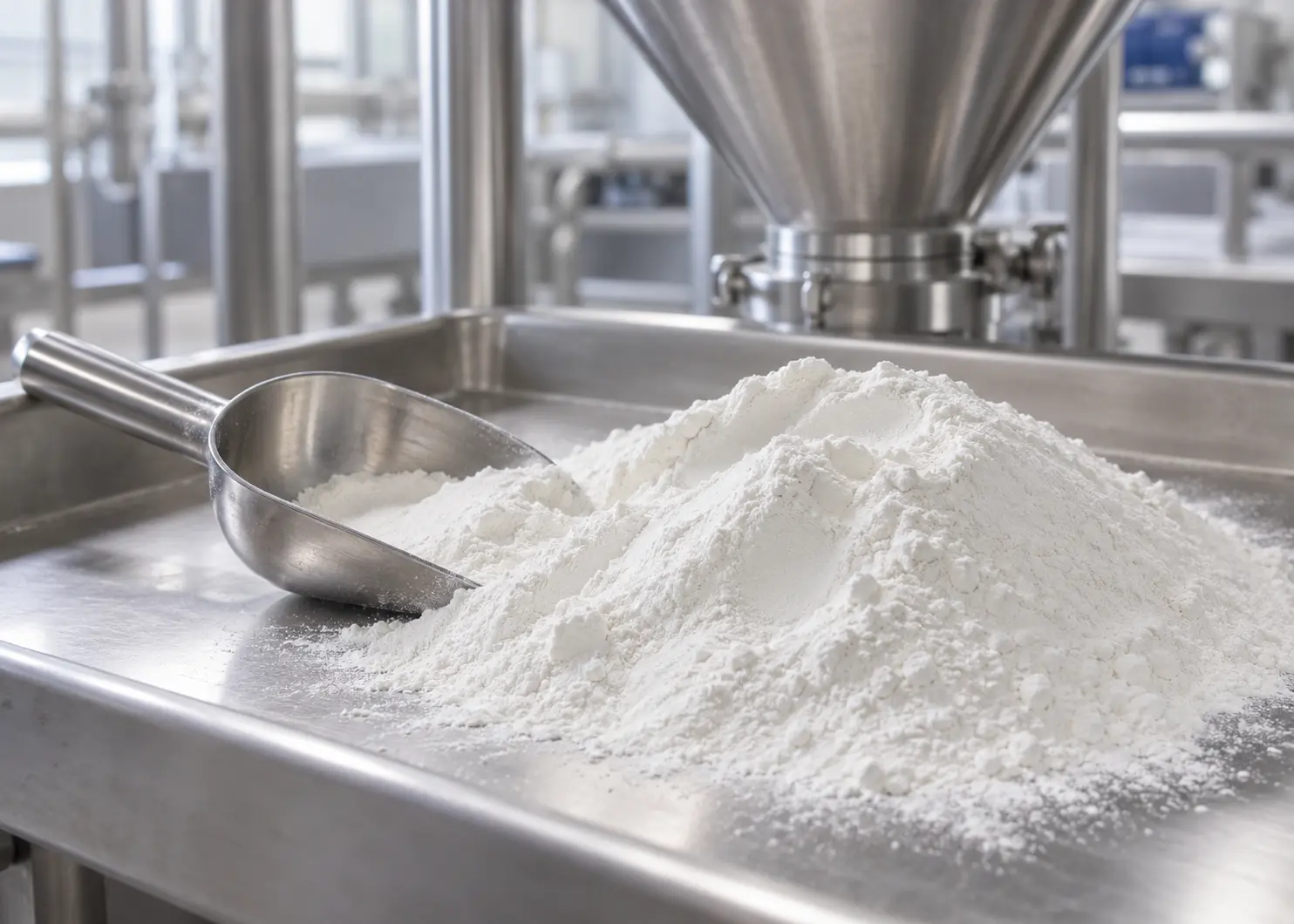
EMULSIFIED STARCH
Functional Modified Starch for Emulsification, Carrier & Encapsulation Systems
Tianjiang's emulsified starch portfolio includes E1450 for oil-and-water emulsification, stabilization and carrier functionality, together with E1452 for dry carrier, anticaking and selected encapsulation systems.
WHAT IS EMULSIFIED STARCH?
In Tianjiang's emulsified starch portfolio, functional starch modification is used to create products for two different but related formulation routes: stabilizing oil-containing systems and supporting carrier or powder applications.
Oil and Water Naturally Resist Mixing
Many beverage, flavor, sauce and emulsion systems contain both water-based and oil-related components. Without suitable stabilization, these phases may separate or distribute unevenly.
Functional Starch Helps Control the System
In suitable formulations, emulsifying starch such as E1450 can support oil dispersion, emulsion stability and carrier functionality, helping create a more uniform food system.
Emulsification & Oil Dispersion
E1450 is commonly evaluated where the formulation requires interaction between water and oil-related components, including flavor emulsions, beverage systems, carrier systems and selected encapsulation applications.
Carrier & Powder Functionality
E1452 is better positioned around dry carrier functionality, powder handling, anticaking and selected encapsulation systems, rather than being presented simply as an oil-water emulsifier.
One Category. Two Functional Routes.
TWO PRODUCTS. TWO FUNCTIONAL ROUTES.
Tianjiang's emulsified starch portfolio is built around two different formulation pathways. E1450 is positioned toward oil-containing and emulsion systems, while E1452 is positioned toward dry carrier, powder handling and selected encapsulation applications.
E1450 Starch Sodium Octenyl Succinate
A functional modified starch used where oil-related components need to be dispersed, stabilized or carried within water-based food systems.
Product selection should be confirmed according to the actual formulation, process and target functionality.
E1452 Starch Aluminium Octenyl Succinate
A modified starch positioned for dry carrier functionality, powder handling, anticaking and selected encapsulation applications.
E1450 vs E1452 at a Glance
Tell Us Whether Your System Is Wet, Dry or Encapsulated
Share your application, oil phase, carrier requirement, processing method and target finished-product performance.
HOW EMULSIFIED STARCH FUNCTIONALITY IS CREATED
E1450 and E1452 belong to the octenyl succinate modified starch family, but their technical routes are not identical. The diagrams below show the high-level manufacturing logic and help explain why the two products are used for different functional directions.
Modification Changes How Starch Interacts With the System
Octenyl succinate modification introduces functionality that can support interaction with oil-associated materials or carrier systems. The exact behavior depends on the product grade, processing route and final application.
E1450 Manufacturing Route
Starch Sodium Octenyl Succinate
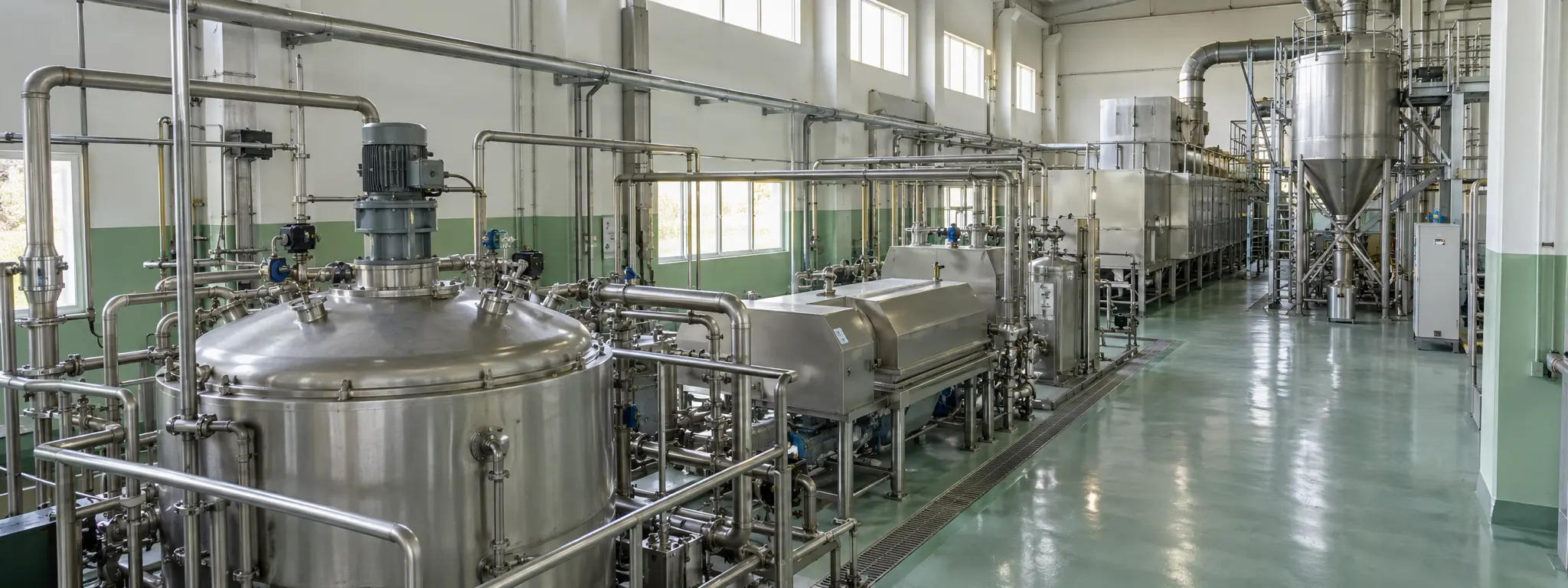
Starch Slurry Preparation
Food starch is prepared as a controlled slurry before entering the octenyl succinate modification stage.
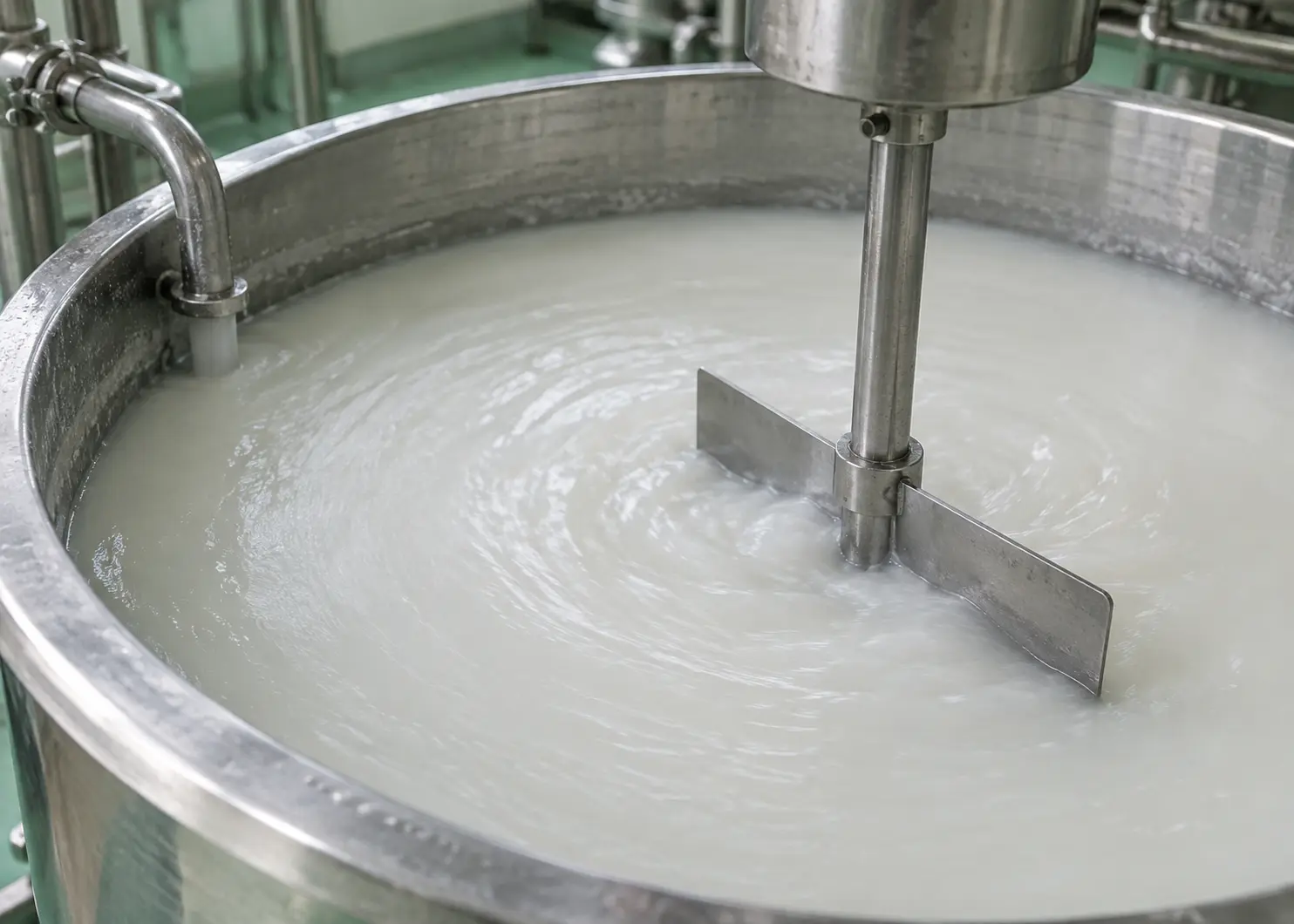
OSA Modification
Octenylsuccinic anhydride is introduced through controlled dosing to create the characteristic octenyl succinate modification.
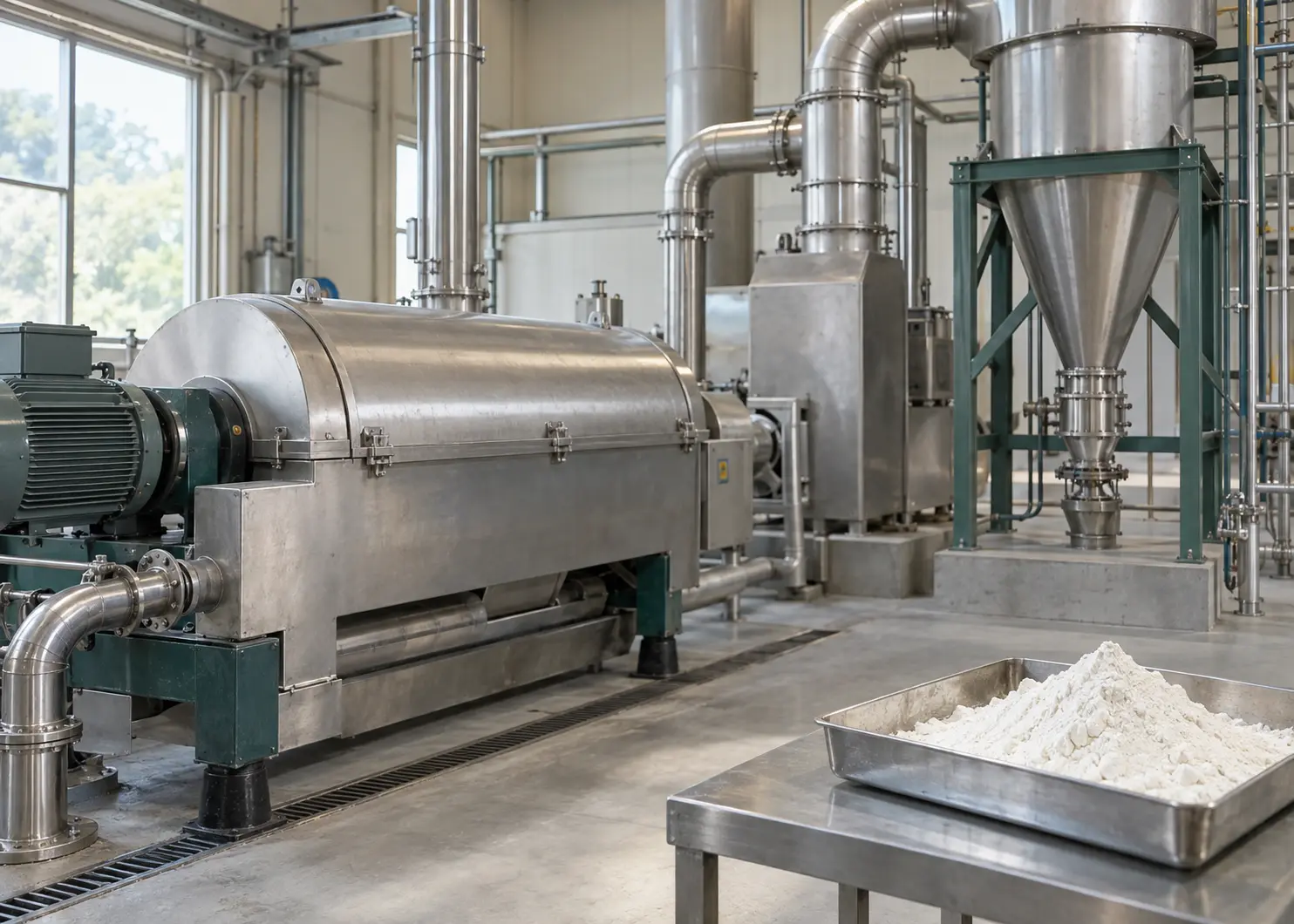
Recovery & Drying
Following modification, the regulatory route includes neutralisation, washing, dewatering and drying before the finished E1450 starch is recovered.
RW1050 / E1450 Manufacturing Sequence
Compact process map integrated directly into the E1450 route.
Wet-System Functionality
EU specifications describe E1450 as food starch treated with octenylsuccinic anhydride and recovered through neutralisation, washing, dewatering and drying.
EUROPEAN COMMISSION · EU 2026/196 ↗E1452 Manufacturing Route
Starch Aluminium Octenyl Succinate
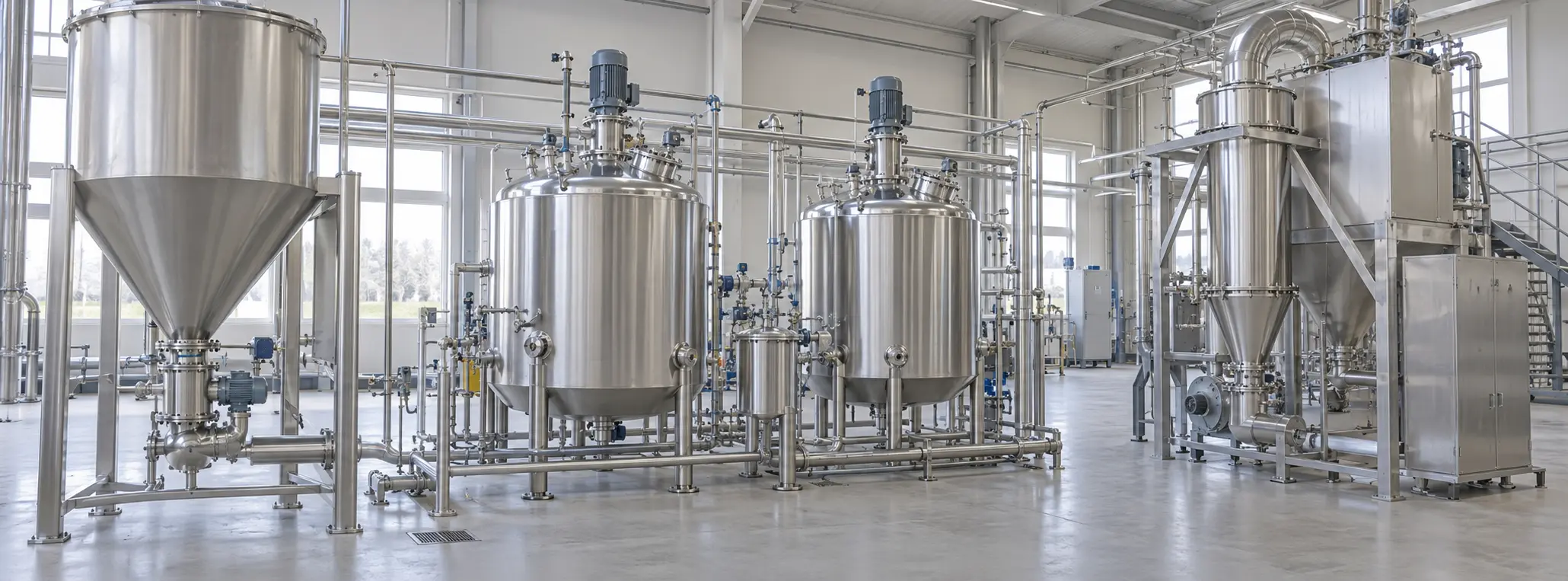
Food Starch Preparation
The manufacturing route begins with food starch prepared as the substrate for the subsequent modification process.
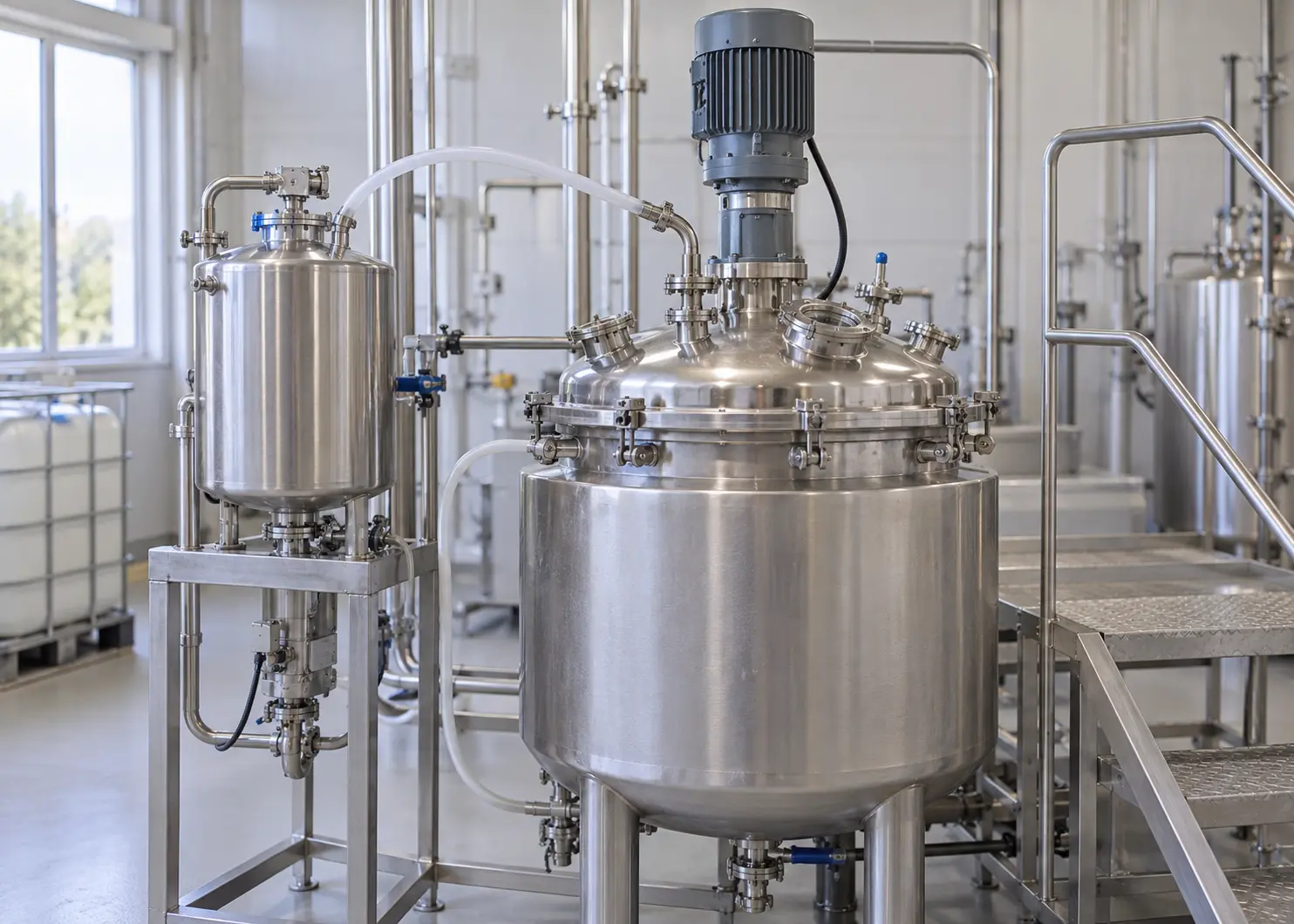
Octenyl Succinate Esterification
Octenylsuccinic anhydride is introduced through a controlled modification route to form the octenyl succinate starch ester.
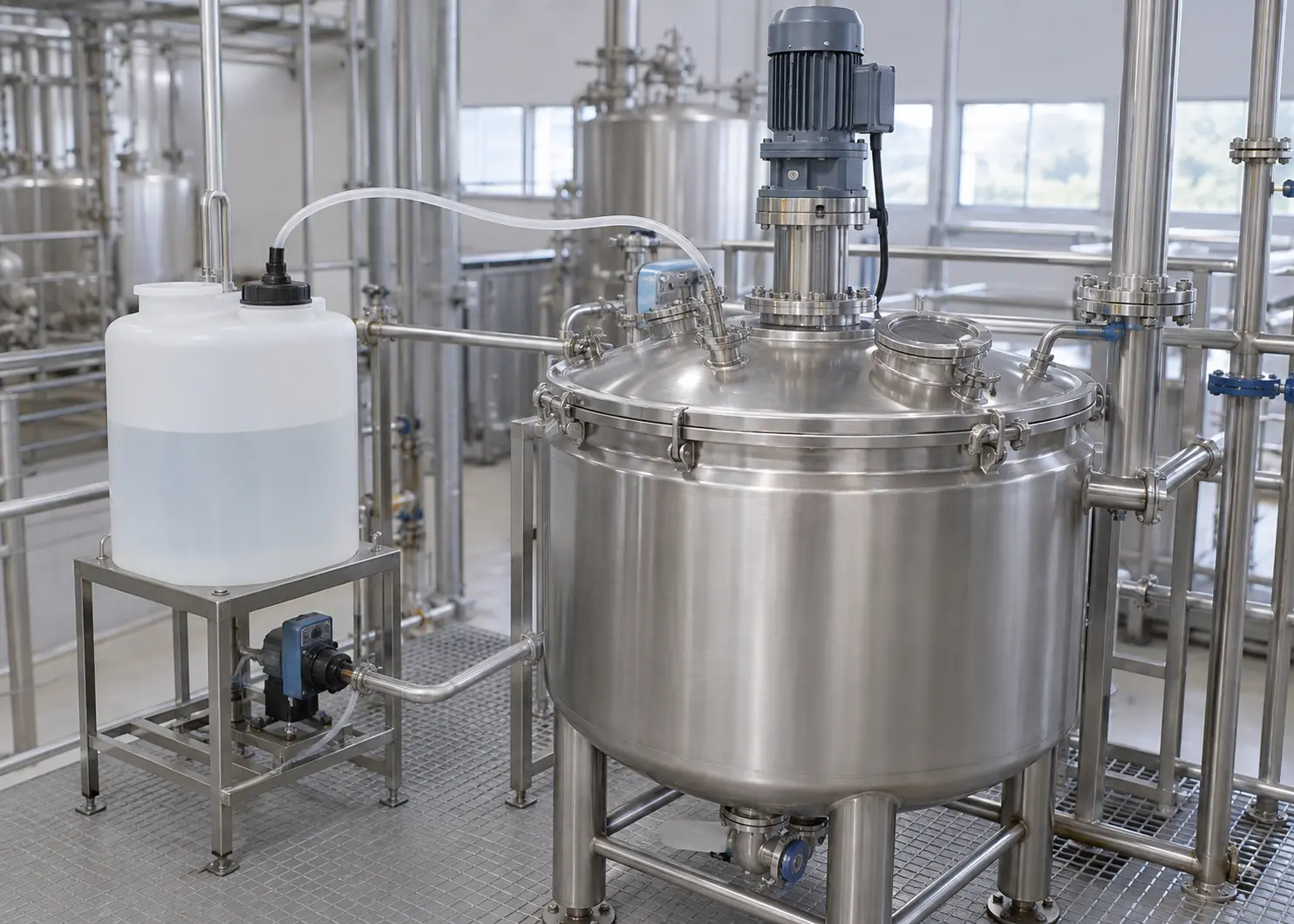
Aluminium Sulphate Treatment
The E1452 route includes subsequent aluminium sulphate treatment after the octenyl succinate modification stage.
E1452 Manufacturing Sequence
Compact route integrated directly into the E1452 product section.
Dry-System Functionality
EU specifications define E1452 as starch esterified with octenylsuccinic anhydride and subsequently treated with aluminium sulphate.
EUROPEAN COMMISSION · EU 231/2012 ↗Similar Chemical Family. Different Functional Direction.
The modification route helps explain the product identity, but the final selection must still be based on the actual formulation, process and performance target.
Oil / Water Interface
A useful starting direction where oil-associated components must be dispersed or carried within a water-based system.
Carrier / Powder System
A more relevant direction where dry carrier behavior, powder handling or anticaking functionality is central.
Application Trial
Confirm the selected product under representative formulation, processing and storage conditions.
Regulatory & Scientific Sources
Independent sources are provided for regulatory definitions and technical reference. Permitted uses should be checked according to the target market and food category.
A Process Diagram Is Not a Factory Recipe
These diagrams illustrate the high-level regulatory and technical manufacturing routes. Exact raw-material selection, reaction conditions, dosing strategy, purification parameters, equipment configuration and finishing procedures can vary by manufacturer and product specification.
CHOOSE EMULSIFIED STARCH BY FUNCTION
Start with the functionality required in your food or ingredient system. The wet or dry processing route can then be used to narrow whether E1450, E1452 or further application testing should be considered first.
Oil Dispersion
Where oil-related ingredients need to be dispersed into a water-based formulation, E1450 is the primary product direction to evaluate first.

E1450 is positioned around interaction with oil-related components in water-based systems, making it a useful starting point for emulsification and oil-dispersion requirements.
Wet System or Dry System?
Encapsulation can involve either route depending on the active ingredient, carrier design, drying process and final powder target.
Function → System Type → Product Route → Application Trial
The product code should be the result of the selection process, not the starting point. Final suitability should be confirmed in the actual formulation and process.
EMULSIFIED STARCH APPLICATION PATHWAYS
Different food and ingredient systems place different demands on emulsified starch. Wet emulsion applications typically begin with E1450, while dry carrier and powder-oriented systems are more closely aligned with E1452.
EMULSIONS
Beverage Emulsions
Useful where oil-related flavor, aroma or functional components need to be dispersed into a water-based beverage system.
SYSTEMS
Flavor Systems
E1450 can be evaluated where oil-associated flavors need dispersion, carrier functionality or preparation for later processing.
ACTIVES
Oil-Based Actives
A relevant route where an oil-associated ingredient must first be distributed within a water-based preparation or carrier system.
POWDERS
Spray-Dried Powders
Product selection depends on whether the main challenge is emulsifying an oil-related active before drying or supporting carrier and final powder functionality.
POWDERS
Seasoning Powders
E1452 is more closely aligned with dry carrier, powder handling and anticaking-oriented formulation requirements.
SYSTEMS
Dry Mix & Powder Systems
Suitable product screening can begin with E1452 when dry carrier behavior, powder flow or handling performance is the main target.
From System Type to Product Direction
Tell Us About the System You Are Developing
Share whether your formulation is wet, dry, oil-containing, spray-dried or encapsulated so the most relevant emulsified starch route can be screened.
EMULSIFIED STARCH SELECTION GUIDE
Product selection becomes easier when the formulation is screened in the correct order. Start with the system type, then review the material being carried, the processing route and the required final format before comparing E1450 and E1452 in application trials.
Screen the Application Before the Product Code
Is the Formulation Wet, Dry or Hybrid?
First identify whether the starch will work directly in a water-based emulsion, a dry powder system or a process that moves from wet preparation to final powder.
What Must Be Dispersed or Carried?
Review whether the formulation contains an oil phase, oil-associated flavor, functional active, dry ingredient or another material requiring carrier support.
How Will the System Be Processed?
Consider mixing, homogenization, emulsification, drying and other unit operations because the process determines whether wet-interface functionality or dry-carrier functionality is more important.
What Should the Finished System Become?
Define whether the target is a stable liquid emulsion, a carrier preparation, an encapsulated ingredient or a free-flowing powder system.
Compare the Candidate Route in an Application Trial
Use the screening result to choose a starting product direction, then confirm dosage, process compatibility and finished-product performance under representative conditions.
E1450 vs E1452 Selection Clues
Send the Five Selection Inputs to Tianjiang
Share your system type, oil or active material, processing route, final product format and target functionality to narrow the candidate product before testing.
FOOD-GRADE QUALITY & COMMERCIAL SUPPLY
From product screening to commercial shipment, Tianjiang supports emulsified starch customers with technical documentation, sample evaluation, standardized industrial packaging and international supply planning.
Technical Information for Product Review
Product evaluation normally begins with clear technical information, specification review and relevant batch documentation.
Available technical and batch documentation should be confirmed according to the selected E1450 or E1452 product and commercial requirement.
Evaluate the Product in Your Own System
Because emulsified starch performance depends on the complete formulation and process, sample testing is an important part of product selection.
Standard Industrial Packaging
Standardized bag dimensions and palletized shipment references support warehouse planning and international commercial supply.
Palletized Container Loading
These loading figures provide a practical commercial reference for shipment discussions. Final arrangements can be confirmed according to the order and logistics requirements.
From Technical Review to Commercial Order
Determine whether E1450, E1452 or further system screening should be evaluated.
Compare relevant technical information and product specifications.
Confirm performance in representative processing and storage conditions.
Finalize packaging, quantity, shipment and documentation requirements.
Request Technical Information or Start With a Sample
Tell us whether you are evaluating E1450, E1452 or still determining the correct emulsified starch route for your system.
EMULSIFIED STARCH FAQ
Find practical answers about emulsified starch functionality, E1450 and E1452 selection, oil-in-water systems, dry carrier applications, encapsulation, samples and commercial supply.
On this product page, emulsified starch refers to functional modified starch products selected for emulsification, carrier, stabilization, powder or encapsulation-related applications. The exact functionality depends on the individual starch grade.
Tianjiang's current emulsified starch portfolio includes E1450 and E1452, which should be treated as two different functional routes rather than interchangeable products.
E1450, Starch Sodium Octenyl Succinate, is the primary direction for wet systems where oil-related components require emulsification, dispersion or carrier functionality.
E1452, Starch Aluminium Octenyl Succinate, is positioned more strongly around dry carrier functionality, powder handling, anticaking and selected encapsulation systems.
E1450 is the primary starting direction where oil-related materials need to be dispersed into a water-based system. It can be evaluated for applications such as beverage emulsions, flavor systems and wet carrier preparations.
Final performance can also depend on oil load, homogenization, pH, processing conditions and storage target.
E1452 is the more relevant starting direction when the main requirement is dry carrier behavior, powder handling, anticaking direction or selected dry-system functionality.
It should not automatically be treated as equivalent to E1450 in oil-in-water emulsification systems because the two products serve different formulation routes.
They can represent different starting directions depending on the encapsulation process. Where an oil-associated active requires wet dispersion before drying, E1450 can be relevant.
Where dry carrier behavior or final powder functionality is more important, E1452 may be considered. The correct route depends on the active ingredient, carrier design, drying method and final powder target.
The more clearly the formulation route is described, the easier it is to identify a useful starting product for application testing.
You can contact Tianjiang to discuss sample evaluation and request relevant technical or batch documentation for the selected product.
The exact document set should be confirmed according to the specific product, order and commercial requirement.
The standard commercial reference is a 25 kg net bag, with an approximate gross weight of 25.2 kg and bag dimensions of 640 × 430 × 175 mm.
Final loading arrangements should be confirmed according to the order, packaging and shipment requirements.
Share the System Before Selecting the Product
Tell us whether the critical requirement is emulsification, wet carrier functionality, dry carrier behavior, powder handling or encapsulation.
FIND THE RIGHT EMULSIFIED STARCH FOR YOUR SYSTEM
Share your formulation type, oil or active material, processing route and finished-product target. Tianjiang can help narrow whether E1450, E1452 or further application screening should be evaluated first.
OIL DISPERSION
WET CARRIER
POWDER HANDLING
ANTICAKING