
Modified Starch Solutions for Freeze-Thaw Stability
Plan for the texture your product needs after thawing. Explore starch selection for frozen sauces, fillings and prepared foods, matched to your recipe, freezing conditions and reheating process.
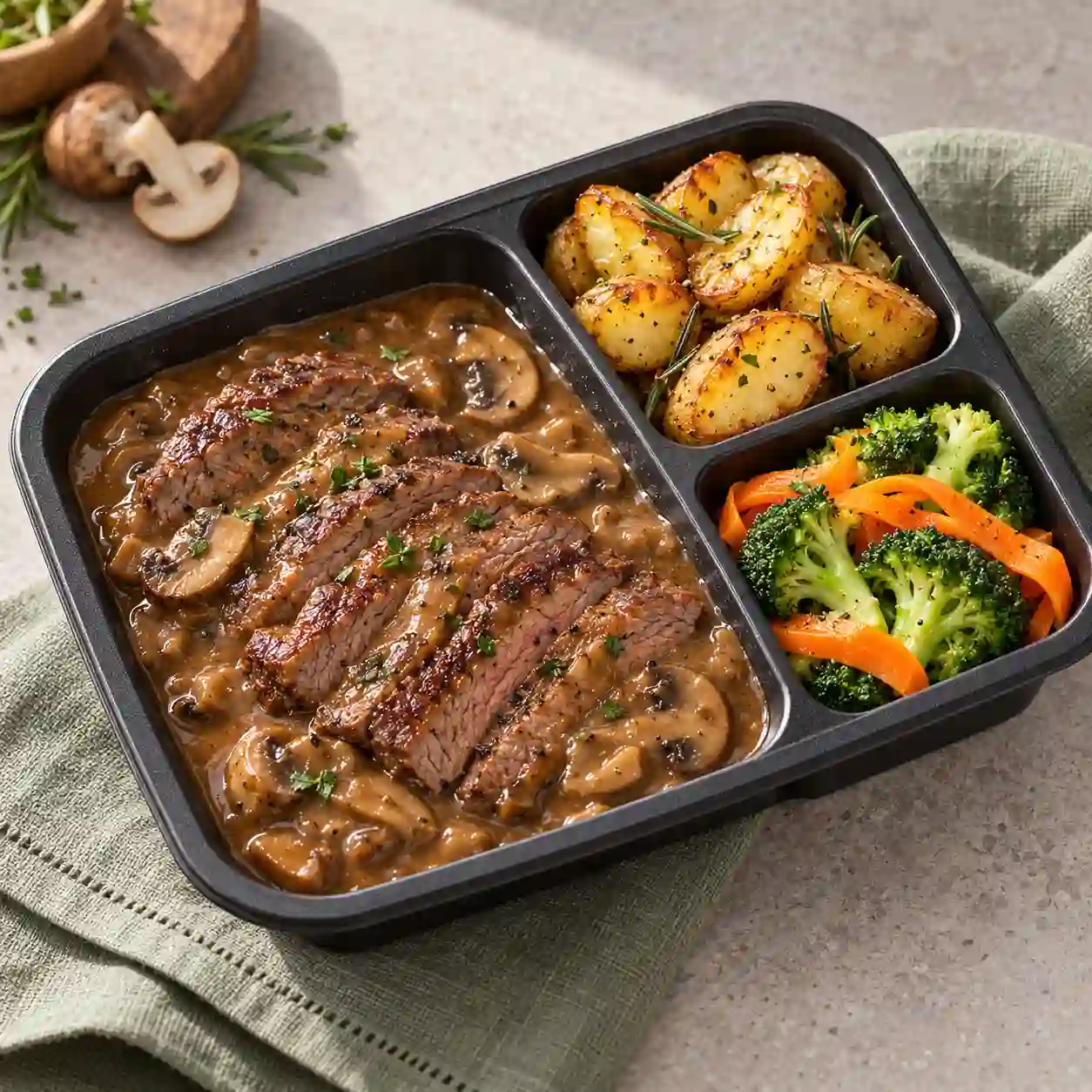
Is your product losing quality after thawing?
Start with what changes, when it changes and the conditions around it. Starch selection should be evaluated alongside the complete formulation and process.
A water layer appears
Record visible water after thawing and how it develops over time. Use consistent sample handling and measurement methods.
The texture becomes firm or grainy
Compare samples before freezing and after thawing at a defined temperature. Include the texture your customer actually experiences.
Sauce body changes after reheating
Assess flow, coating and uniformity after the intended reheating step. Separate thawing effects from changes introduced by heating.
Results vary between batches
Review cooking, cooling, freezing, storage and thawing. Include sample dimensions and relevant temperature variation in the trial plan.
Follow your product through freezing and thawing
Define each stage so your comparison reflects how the product is made, stored and served.
- 01Preparation
- 02Freezing
- 03Frozen storage
- 04Thawing
- 05Reheating & evaluation
Water distribution
Track water separation at defined stages instead of relying on appearance immediately after preparation.
Texture changes
Use relevant measurements for your product, such as flow, gel hardness or filling consistency.
Recipe and process
Include sugar, salt, fat and other major ingredients together with the real cooling and reheating conditions.
From frozen sauces to prepared meals
Define where the starch is used and which quality attributes matter after thawing. The application helps establish a useful test plan.
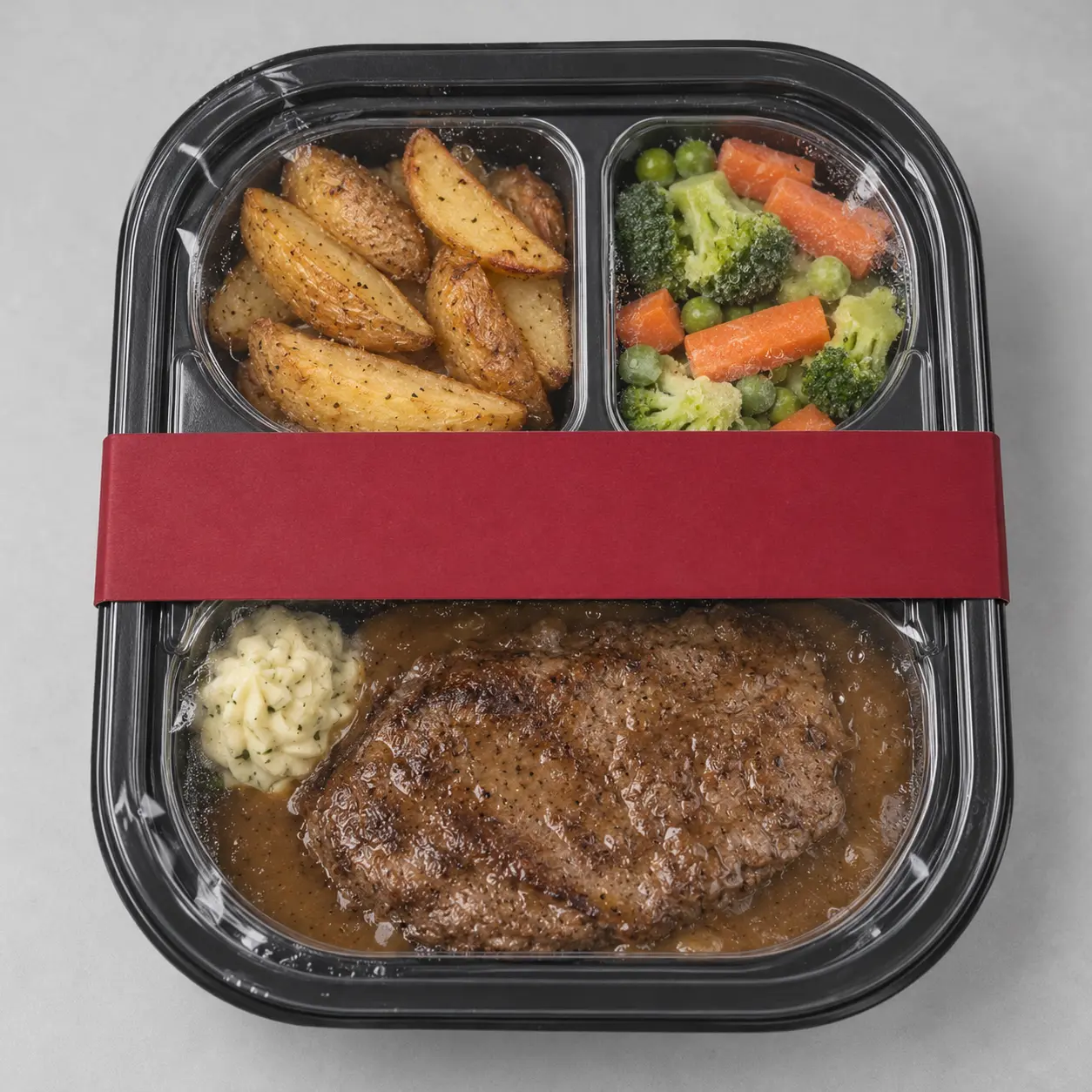
Frozen Sauces & Gravies
Assess the sauce phase within the complete meal. Compare water separation, body and coating after the intended thawing and reheating process.
Explore sauce applications →
Bakery Fillings & Desserts
For products intended for frozen storage, evaluate cream or filling consistency, moisture migration and appearance after thawing. Confirm the starch role in the specific recipe.
Explore bakery applications →
Dumplings & Rice Balls
Define whether starch is used in the wrapper or filling, then select relevant water-retention and texture measurements.
Explore frozen food applications →
Prepared Meals & Sauces
Evaluate sauce or thickened phases in the complete meal after thawing and reheating. Include the intended serving temperature in the comparison.
Explore prepared dish applications →Choose starch around your recipe and freezing process
Share your formulation and process to help narrow the candidate grades and trial conditions.
| Selection factor | Information to share | What to assess |
|---|---|---|
| Application & texture | Product type, starch location and target texture | Relevant finished-product quality attributes |
| Formulation | Starch dosage, sugar, salt, acid, fat and other major solids | Performance in the complete recipe |
| Cooking | Addition order, cooking temperature, time and mixing | Consistent preparation before freezing |
| Freezing | Freezing method, temperature, time and sample dimensions | Repeatable freezing conditions |
| Frozen storage | Duration, temperature and expected temperature variation | Changes under the intended storage conditions |
| Thawing & reheating | Thawing method, time and serving preparation | Quality at the intended consumption stage |
E1442 / Hydroxypropyl Distarch Phosphate
Discuss available grades against your formulation, target texture and freeze-thaw evaluation plan.
View E1442 product information →E1422 / Acetylated Distarch Adipate
Review grade options for the intended recipe, processing conditions and finished-product requirements.
View E1422 product information →An E-number identifies a modification type, not a universal freeze-thaw performance specification. Confirm preparation requirements and suitability for the specific grade through technical documentation and application trials.
Tianjiang’s Guide to Freeze-Thaw Evaluation
Compare cycle-dependent water separation and formulation effects before setting acceptance criteria for your own product.
Model-gel test conditions
Total starch: 15% w/w, dry basis. HDP means hydroxypropyl distarch phosphate; its share of the starch blend was 0%, 25% or 50%. The remaining starch was rice/tapioca at 54:46. Preparation: 80°C for 20 min. Each cycle included 7 days at −18°C; warmed samples were centrifuged at 15,000 × g for 15 min.
Syneresis (%) = separated liquid (mL) ÷ total water in the gel (g) × 100. HDP shares refer to the starch blend, not finished-product dosage. Tables retain the reported values and ± terms.
Track syneresis across freeze-thaw cycles
Coconut-milk model gels; syneresis (%).
| HDP share | Cycle 1 | Cycle 3 | Cycle 5 |
|---|---|---|---|
| 0% | 0 | 29.44 ± 2.68 | 35.32 ± 2.53 |
| 25% | 0 | 24.57 ± 5.81 | 30.32 ± 1.96 |
| 50% | 0 | 18.09 ± 6.83 | 22.28 ± 3.09 |
Means plotted; ± values appear in the table. Lines connect selected measured cycles.
Look beyond the first cycleInitial results do not describe later-cycle behavior.
Evaluate the complete formulation
Syneresis (%) after cycle 5 in three liquid media.
| Medium | 0% HDP | 50% HDP |
|---|---|---|
| Water | 43.49 ± 0.87 | 40.67 ± 2.81 |
| 45°Brix sucrose | 1.95 ± 1.54 | 0.38 ± 0.67 |
| Coconut milk | 35.32 ± 2.53 | 22.28 ± 3.09 |
Test the actual recipeThe same starch share gives different results across formulation media.
These model-gel comparisons guide test design, not a finished-product dosage or a Tianjiang grade specification. Repeated freeze-thaw testing and long-term frozen storage answer different questions; evaluate both where relevant.
Build a test plan for your product
Fix the comparison basis
Identify the starch, dosage, major ingredients and reference. Keep the recipe constant when comparing grades.
Define each cycle
Document cooking, freezing, storage, thawing and reheating. Use your actual process to set relevant trial conditions.
Measure the serving state
Assess water separation, flow and texture at the intended consumption stage and a consistent measurement temperature.
| Evaluation area | Information to record | Comparison control |
|---|---|---|
| Water separation | Separated water, calculation basis and centrifugation if used | Same handling and measurement procedure |
| Viscosity & flow | Instrument, settings, temperature and flow observations | Same sample conditioning |
| Texture | Relevant hardness, consistency or other texture measurements | Same sample geometry and method |
| Appearance | Uniformity, visible water, graininess and surface changes | Same observation time and lighting |
| Reheating | Method, time, temperature and final product state | Same serving preparation |
From frozen-product challenge to application trial
Share your challenge
Describe your application, current quality issue and known freezing, thawing and reheating conditions.
Discuss grade options
Contact Tianjiang to review candidate grades, technical information and sample requirements.
Evaluate in your process
Compare candidates in your actual recipe and assess the finished product against defined acceptance criteria.
Freeze-thaw stability: frequently asked questions
What is freeze-thaw stability?
It describes how a product maintains relevant quality attributes through freezing and thawing. Define those attributes for your application, such as water separation, consistency or texture.
Why does water separate after thawing?
Visible separation can reflect changes in the formulation structure and water distribution. Review the complete recipe and temperature history, then compare candidates using a consistent measurement method.
How should E1422 and E1442 grades be compared?
Compare identified grades in the same recipe and process, using documented dosages and preparation requirements. E-numbers alone do not establish a universal performance ranking.
How many freeze-thaw cycles should be tested?
Set the number and conditions around the intended use and foreseeable temperature history. An accelerated repeated-cycle test should have clearly defined freezing and thawing conditions.
Does freeze-thaw testing predict frozen shelf life?
A repeated-cycle comparison does not by itself establish shelf life. Assess the intended frozen-storage duration and actual product quality requirements separately.
What information is needed for a recommendation?
Share the product, starch location and dosage, recipe, cooking, freezing and storage conditions, thawing method, reheating process and target texture. Start with the information you have.
Find the right starch for your frozen formulation
Tell us what you make and what needs to improve. Contact Tianjiang to discuss candidate grades, technical information and sample availability.
Prefer email? sales@tianjiangmodifiedstarch.com
Helpful details for your enquiry
- Application and current quality issue
- Current starch and dosage
- Freezing and storage conditions
- Thawing and reheating process
- Target texture and sample needs
Not sure of every parameter? Start with what you know.