
HEAT-MOISTURE TREATED STARCH
Heat-Moisture Treated Starch is a physically processed food starch designed to adjust swelling, pasting, thermal and textural behavior while supporting clean-label formulation strategies.
WHAT IS HEAT-MOISTURE TREATED STARCH?
Controlled Heat and Moisture Processing
Heat-Moisture Treated Starch is produced through controlled hydrothermal processing using heat and restricted moisture to reorganize starch structure without conventional chemical modification.
Processing conditions are selected according to the botanical starch source and the functional profile required for the finished food application.
Granular Structure and Functional Adjustment
Heat-moisture treatment can alter swelling, pasting, gelatinization and rheological behavior while generally retaining the granular character of the starch.
Final performance is grade-specific and depends on starch source, moisture level, treatment temperature, time and food formulation.
KEY BENEFITS OF HEAT-MOISTURE TREATED STARCH
Heat-Moisture Treated Starch provides physically adjusted starch functionality for manufacturers seeking controlled pasting, texture and clean-label processing options.
Clean-Label Positioning
Physical hydrothermal processing supports formulations seeking alternatives to conventional chemically modified starch.
Controlled Swelling
Selected grades can provide more controlled granule swelling under defined processing conditions.
Pasting Profile Adjustment
Processing can modify peak viscosity, breakdown and overall pasting behavior according to starch source and grade.
Thermal Processing Tolerance
Selected grades can provide useful functionality in food systems exposed to controlled heating.
Texture Control
Supports the development of targeted body, firmness and final food texture.
Formulation Flexibility
Different starch sources and treatment conditions provide a range of grade-specific functional profiles.
HEAT-MOISTURE TREATED STARCH IN FOOD PROCESSING
Heat-Moisture Treated Starch should be selected according to botanical source, target pasting profile, temperature, shear conditions and the required finished-product texture.
Processing and Formulation Considerations
| Processing Factor | Product Selection Consideration |
|---|---|
| Starch Source | Corn, tapioca, potato and other starch sources can respond differently to heat-moisture treatment. |
| Treatment Intensity | Moisture, temperature and treatment time influence the final structural and pasting profile. |
| Processing Temperature | Evaluate viscosity and texture under the actual heating conditions used in production. |
| Shear | Final starch behavior should be tested under representative mixing, pumping and filling conditions. |
| Starch Dosage | Solids concentration strongly influences viscosity, body and final texture. |
| pH & Salts | Product performance should be confirmed in the final food formulation. |
| Cooling & Storage | Evaluate the final system after processing and during the intended product shelf life. |
HEAT-MOISTURE TREATED STARCH TEST SPECIFICATIONS
The values below represent Tianjiang's quality-control parameters for Heat-Moisture Treated Starch, covering sensory, physicochemical, functional and microbiological characteristics. Grade-specific specifications and actual batch results are reported in the applicable Tianjiang TDS and Certificate of Analysis (COA).
SENSORY QUALITY CONTROL CRITERIA
MICROBIOLOGICAL TEST LIMITS
PHYSICOCHEMICAL & FUNCTIONAL TEST LIMITS
| Test Parameter | Tianjiang Test Requirement |
|---|---|
| Moisture | ≤ 13.0% |
| pH | 4.5 – 7.0 |
| Total Ash | ≤ 0.20% |
| Whiteness | ≥ 90.0% |
| Swelling / Water Absorption | Grade-specific |
| Peak Viscosity | Grade-specific |
| Pasting / Thermal Profile Defined grade-specific test condition | Grade-specific |

PRODUCT IDENTIFICATION AND FUNCTIONAL TESTING
Tianjiang quality-control procedures include sensory inspection, moisture and pH testing, swelling evaluation, pasting and viscosity profiling, thermal-performance evaluation and microbiological examination.
Appearance, color, odor and physical uniformity are evaluated against the applicable Tianjiang product specification.
Moisture content and pH are measured under controlled laboratory conditions as part of routine quality control.
Water absorption and swelling behavior are evaluated under defined temperature and concentration conditions.
Pasting and viscosity behavior are evaluated using approved grade-specific heating and measurement conditions.
Routine controls include total plate count, yeast and mold, and relevant indicator or pathogen testing.
INTERNATIONAL REFERENCES FOR PHYSICALLY TREATED STARCH
EU PHYSICALLY MODIFIED STARCH CONTEXT
Official European regulatory language covering the treatment of physically modified starch within the food-additive regulatory framework.
VIEW EU REFERENCE ↗ U.S. NATIONAL LIBRARY OF MEDICINE · PUBMEDHEAT-MOISTURE TREATMENT REVIEW
Scientific review covering heat-moisture treatment as a physical starch modification process and its functional applications.
VIEW PUBMED REFERENCE ↗ U.S. FOOD & DRUG ADMINISTRATIONFDA — STARCH NAMING GUIDANCE
Official FDA guidance concerning common or usual names for food starches and starches from different botanical sources.
VIEW FDA REFERENCE ↗These values represent Tianjiang's quality-control requirements for Heat-Moisture Treated Starch. Functional parameters are grade-specific, and actual batch results are reported in the applicable product specification and COA.
REQUEST TIANJIANG SPECIFICATIONHEAT-MOISTURE TREATED STARCH FOOD APPLICATIONS
Heat-Moisture Treated Starch can be selected for food systems requiring controlled swelling, pasting behavior, texture and physically modified starch functionality.
Noodles & Pasta
Selected grades can support dough structure, cooking performance and final texture.
Bakery Products
Can contribute texture and moisture-management functionality in suitable bakery formulations.
Soups & Sauces
Supports controlled viscosity and pasting behavior according to the selected grade.
Dairy & Desserts
Suitable grades can contribute body and controlled texture in processed food systems.
Meat & Plant-Based Foods
Can support binding, texture and moisture management in selected formulations.
Prepared Foods
Provides grade-specific functionality for processed and convenience food applications.
QUALITY SUPPORT FOR HEAT-MOISTURE TREATED STARCH
Tianjiang supports Heat-Moisture Treated Starch supply through established quality, food-safety and production management systems.
ISO 9001
Quality Management System
ISO 22000
Food Safety Management
FSSC 22000
Food Safety System Certification
Halal
Supporting applicable customer and market requirements
Kosher
Supporting applicable customer requirements
Certification availability should be confirmed for the selected product grade and destination market.
HEAT-MOISTURE TREATED STARCH TECHNICAL DOCUMENTS
Technical and quality documentation supports product evaluation, supplier qualification, formulation testing and commercial purchasing.
Technical Data Sheet
Review product characteristics, pasting behavior and grade-specific functional information.
REQUEST TDS →Certificate of Analysis
Batch-specific analytical information for commercial shipments.
REQUEST COA →Product Specification
Review the agreed physical, functional and microbiological control requirements.
REQUEST SPECIFICATION →Application Support
Discuss starch source, viscosity, processing temperature, texture and performance requirements.
CONTACT TECHNICAL TEAM →HEAT-MOISTURE TREATED STARCH PACKAGING & GLOBAL SUPPLY
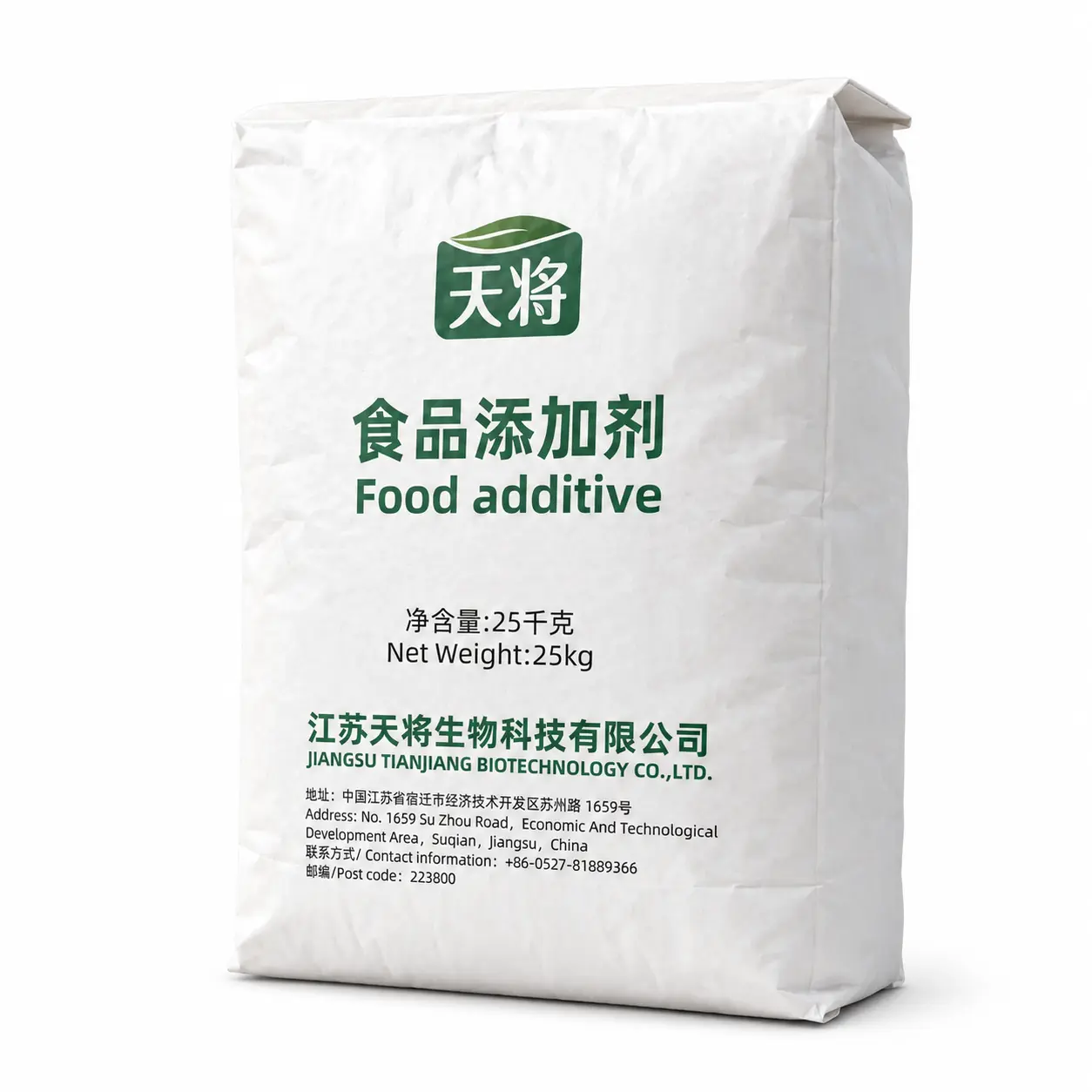
Heat-Moisture Treated Starch is supplied in durable packaging designed for reliable storage, pallet handling and international transportation.
Packaging and Container Loading Details
Pallet configuration and container loading can also be customized according to customer requirements.
REQUEST A HEAT-MOISTURE TREATED STARCH SAMPLE
Share your application, starch source preference, processing temperature, target viscosity, texture and stability requirements so our team can review a suitable grade for testing.
HEAT-MOISTURE TREATED STARCH FAQ
It is starch whose functional properties have been adjusted through controlled heat and restricted-moisture processing, rather than conventional chemical modification.
Yes. Heat-moisture treatment is commonly described as a hydrothermal physical modification of starch.
Pregelatinized starch is designed primarily for rapid hydration and instant viscosity, while heat-moisture treatment is used to reorganize granular starch structure and adjust pasting, swelling and thermal behavior.
No. Changes in viscosity depend on starch source and treatment conditions, so the appropriate grade should be selected based on the target application.
Grade availability may include corn, tapioca, potato and other starch sources depending on the required functional profile.
Yes. Samples can be requested for formulation screening and application testing.
Applicable technical documentation and batch-specific analytical records can be supplied according to commercial requirements.
Standard commercial supply is available in 25 kg bags with palletized container-loading options.
RELATED CLEAN-LABEL & FUNCTIONAL STARCH PRODUCTS
Functional Native Starch
Label-friendly functional starch for viscosity, texture and processing performance.
VIEW PRODUCT →Pregelatinized Starch
Starch designed for rapid cold-water hydration and convenient viscosity development.
VIEW PRODUCT →Instant Clean Label Starch
Instant functional starch combining cold-process performance with clean-label positioning.
VIEW PRODUCT →Acetylated Distarch Adipate
Modified starch for demanding processing and stable viscosity applications.
VIEW E1422 →EXPLORE FOOD APPLICATION GUIDES
INTERNATIONAL HEAT-MOISTURE TREATED STARCH REFERENCE CONTEXT
Ingredient naming and regulatory positioning should be confirmed according to starch source, processing route, intended use and destination market.
Physically Modified Starch Context
Official EU regulatory language relevant to physically modified starch and food-additive classification.
VIEW EU REFERENCE ↗ PUBMEDHeat-Moisture Treatment Research
Scientific review covering heat-moisture treatment, starch structure, functionality and food applications.
VIEW PUBMED REFERENCE ↗ U.S. FDAFood Starch Naming Guidance
Official FDA guidance concerning starch naming and botanical source identification.
VIEW FDA REFERENCE ↗NEED HELP SELECTING A PHYSICALLY TREATED STARCH?
Tell us about your application, starch source preference, heating process, target pasting behavior, viscosity, texture and stability requirements. Tianjiang's sales and technical teams can help review an appropriate starch grade for your project.
