
TIANJIANG / BREAD FORMULATION
Bread Formulation with Modified Starch
This bread formulation platform uses Tianjiang modified starch to help industrial bakeries improve crumb softness, moisture retention, anti-staling performance, sliceability, specific volume, dough tolerance and texture stability through packaged, refrigerated or frozen distribution.

01 / DESIGN THE COMPLETE BREAD SYSTEM
Bread Solutions for Manufacturers and R&D Teams
Modified starch should be selected together with flour strength, hydration, fat and sugar levels, fermentation, baking profile, packaging and target shelf life.
Softness Retention
Slow the increase in crumb firmness during packaged storage.
Moisture Retention
Maintain a softer, less dry crumb through cooling and shelf life.
Specific Volume
Support the dough system without creating a heavy, gummy or dense crumb.
Sliceability
Improve crumb integrity for high-speed industrial slicing and sandwich applications.
Dough Machinability
Control dough handling through dividing, rounding, moulding and panning.
Frozen Stability
Use suitable starch functionality for frozen dough, par-baked bread and thaw-and-sell systems.
02 / FOUR COMMERCIAL BREAD DIRECTIONS
Four Bread Formulation Platforms
These Tianjiang development platforms cover mainstream white sandwich bread, enriched milk bread, whole wheat and multigrain bread, and frozen or par-baked commercial bakery systems.
Soft White Sandwich Bread
A mainstream packaged sandwich loaf platform designed for fine crumb, soft texture, clean slicing and extended eating quality.
Enriched Milk Bread
A rich, soft commercial bread with milk, egg and fat, designed for fine shred, soft bite and delayed firming.
Whole Wheat & Multigrain Bread
A higher-fiber platform designed to reduce the dry, dense eating quality often associated with whole-grain bread.
Frozen / Par-Baked Soft Bread
A foodservice and central-bakery platform designed for frozen storage, final baking and softness after thawing.
Bakery Formats & Texture Inspiration
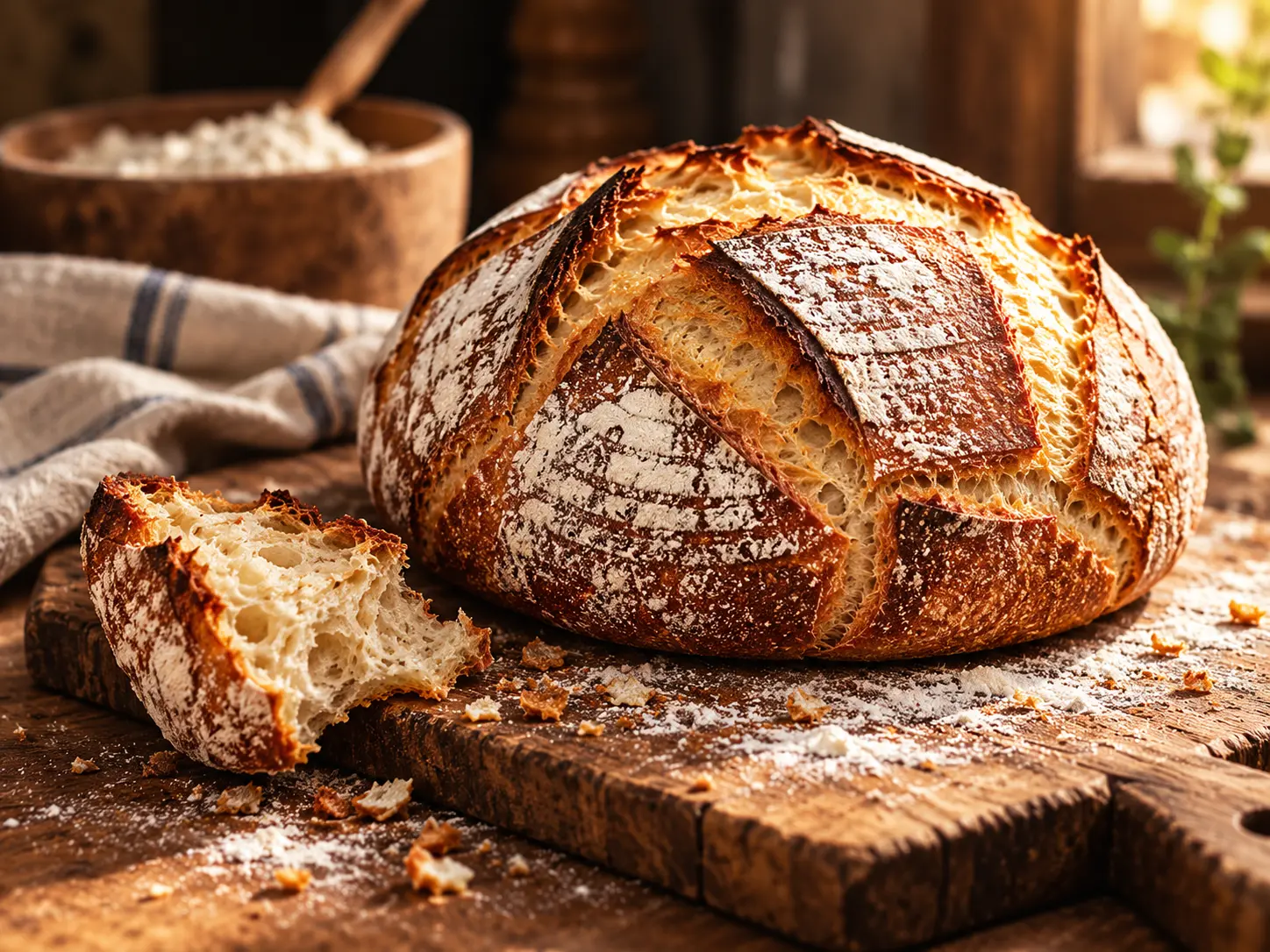
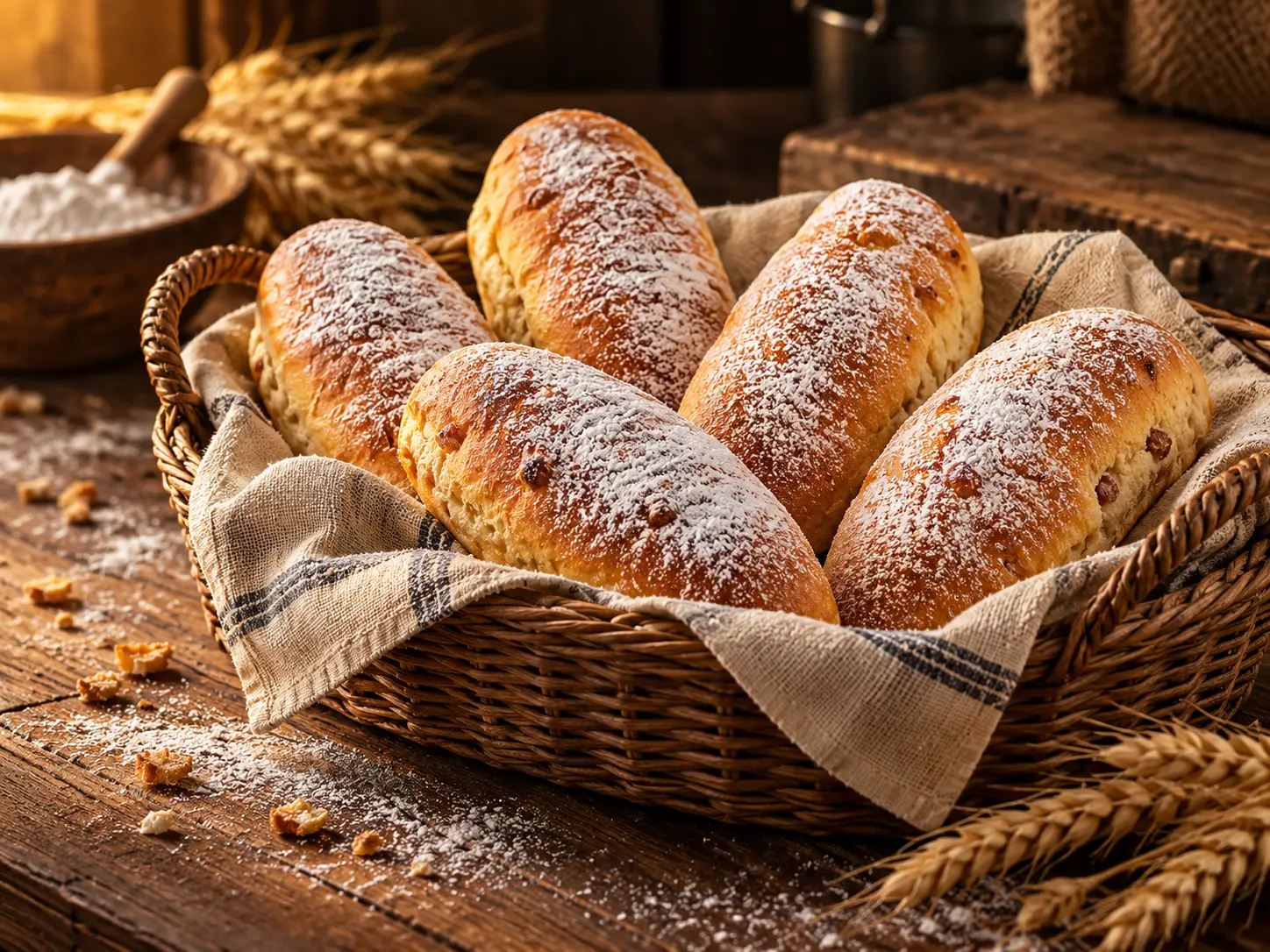
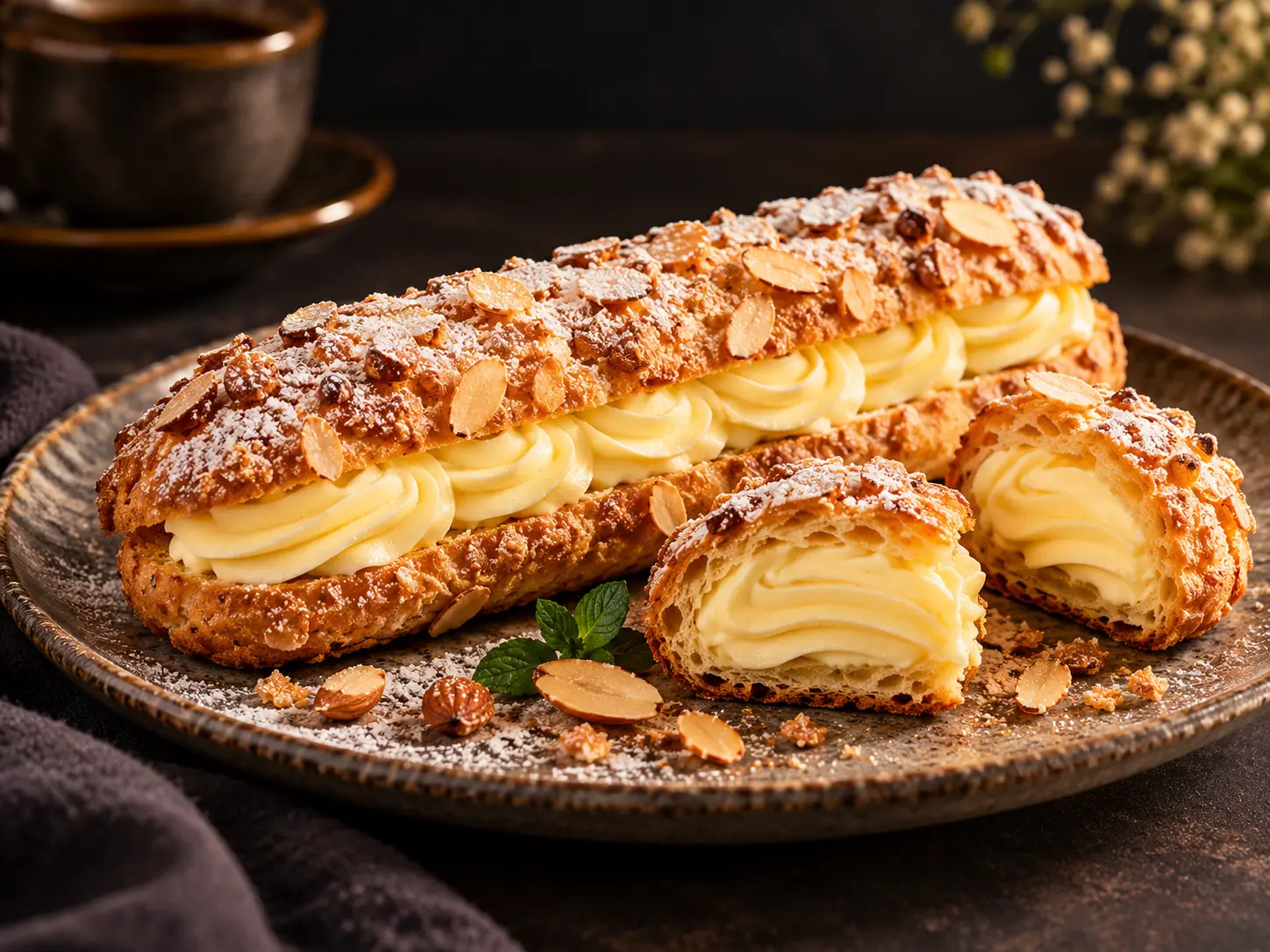
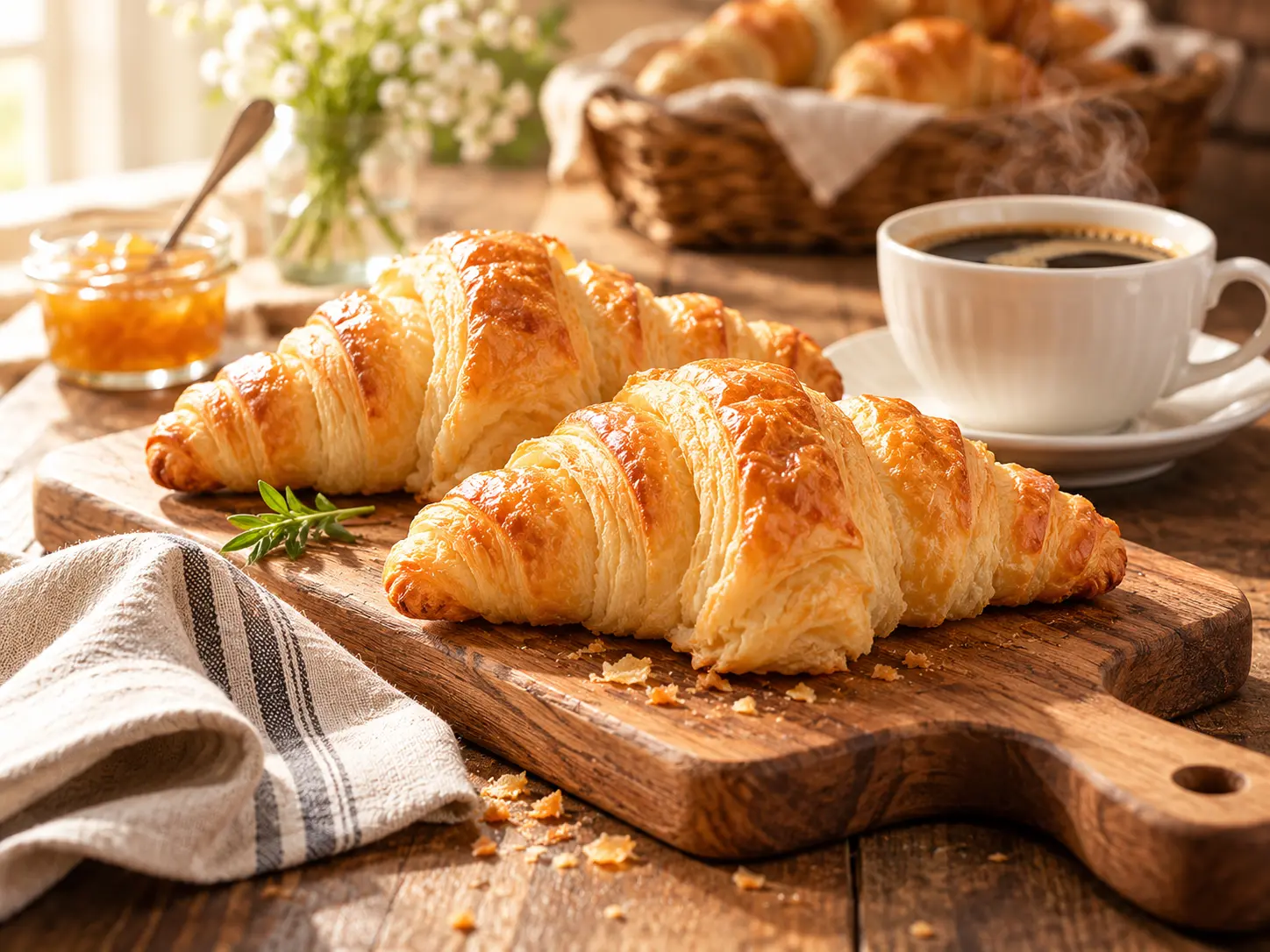
Explore crust, crumb, filling and lamination across different bakery formats. These finished-product photographs are visual references, not demonstrations of the four bread formulations above.
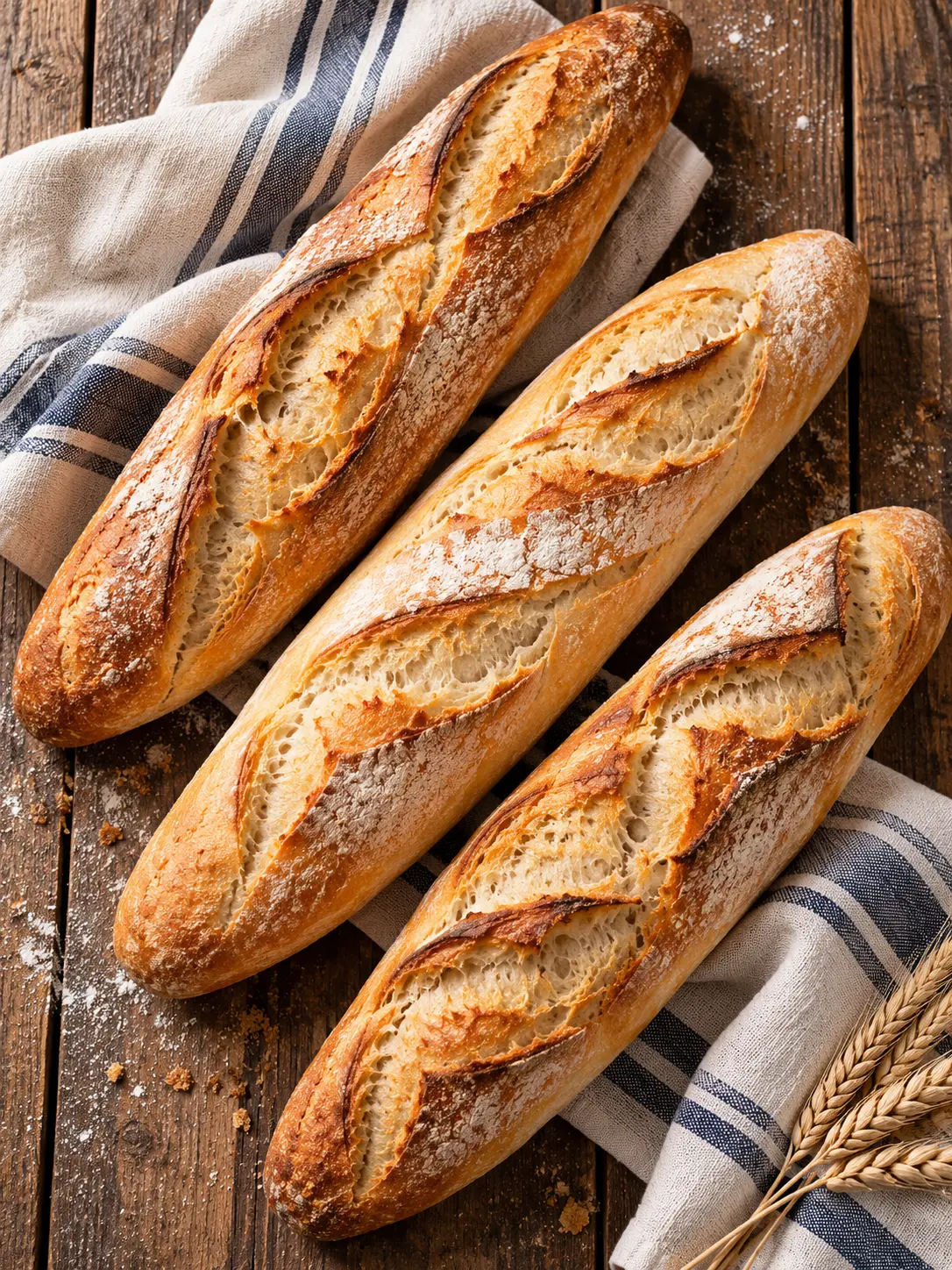
Baguette & Crust
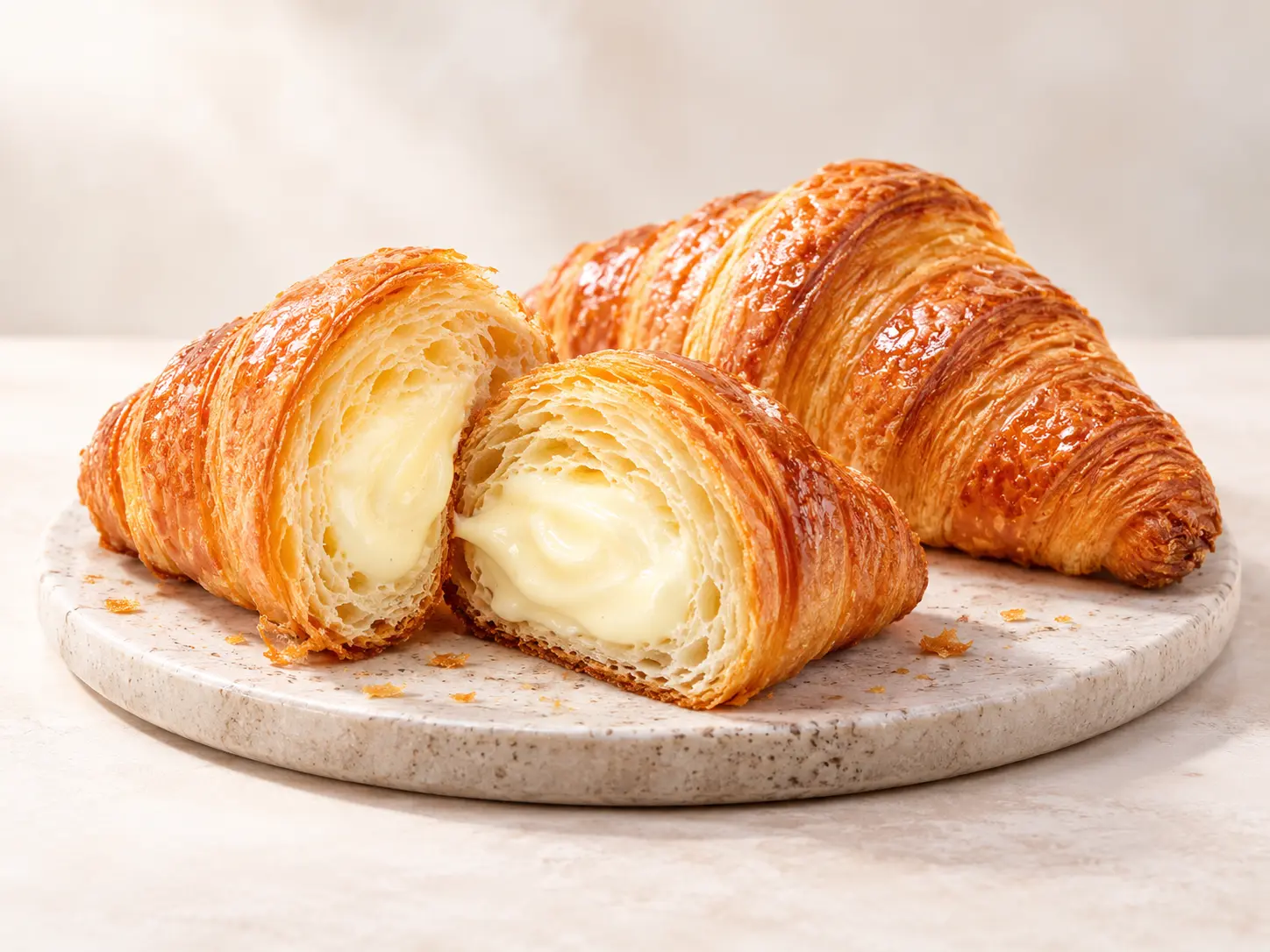
Cream-Filled Pastry
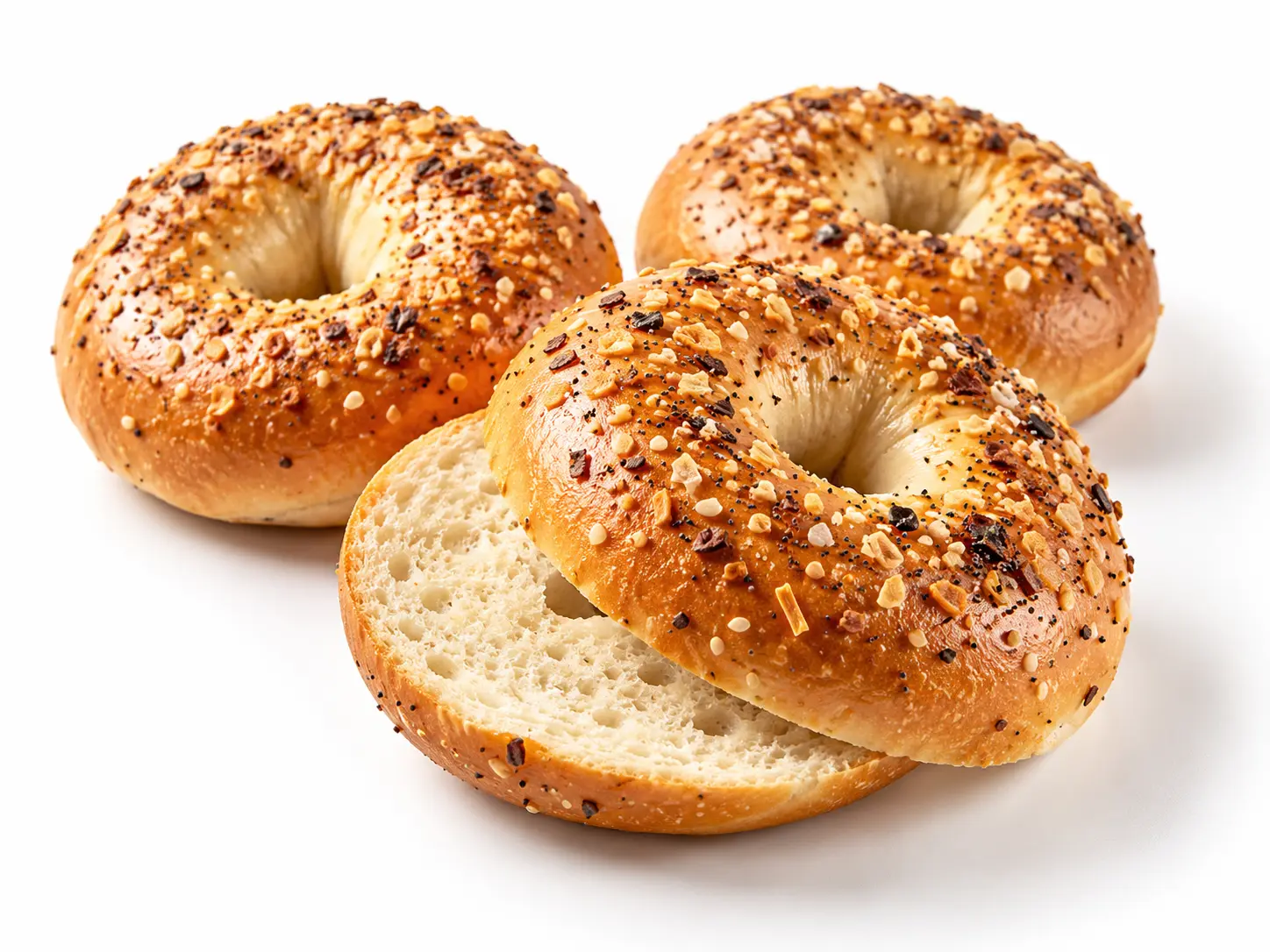
Mini Bagels
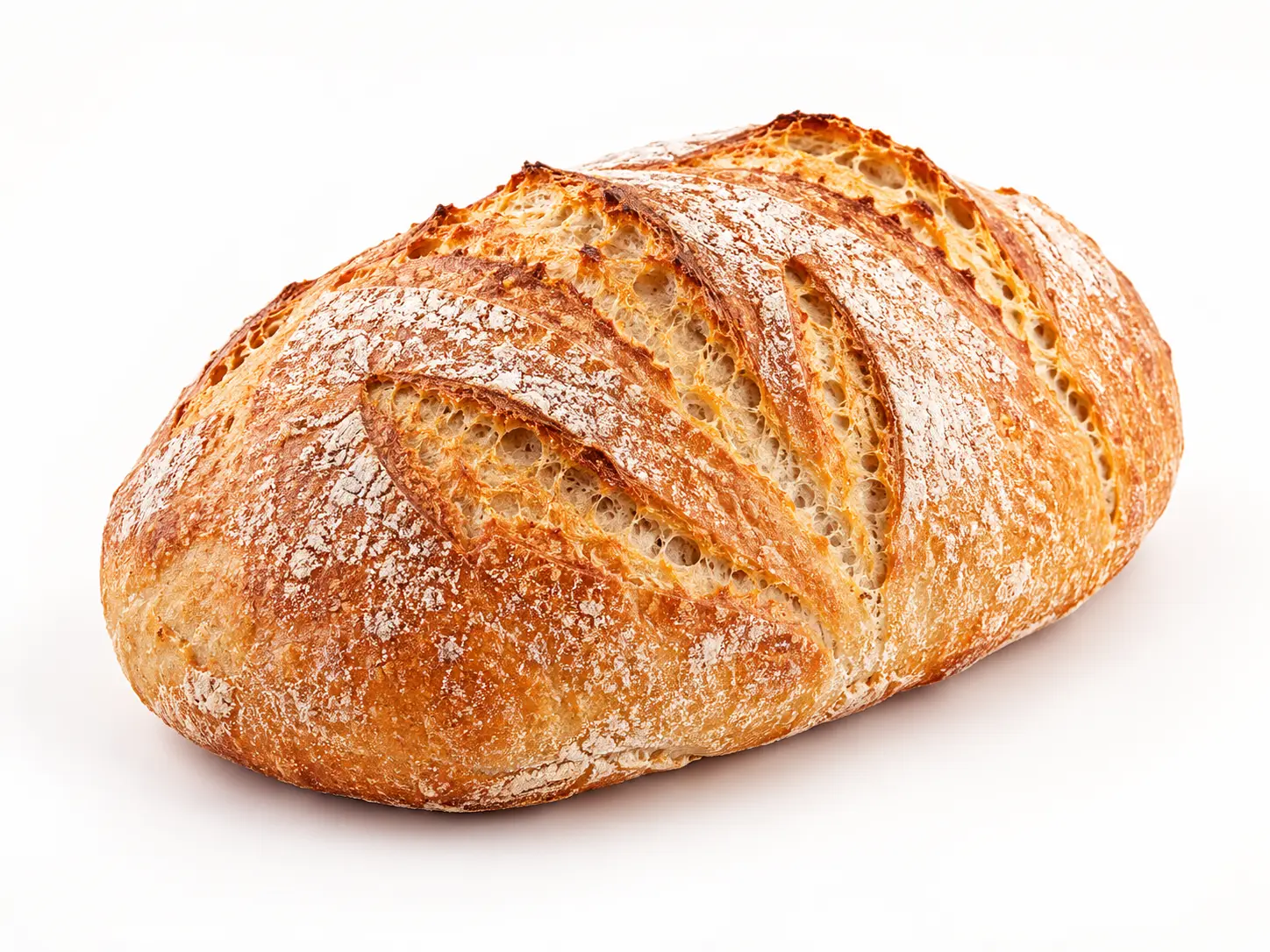
Laminated Croissant
These are Tianjiang application-development formulations based on established industrial bread formulation principles. They are not reproductions of Wonder, Nature's Own, King Arthur, Puratos or any other company's proprietary production formula.
03 / COMMERCIAL PRODUCTION FORMULA
Tianjiang Bread Production Formulas
Select a bread platform, enter the required final dough batch and compare Tianjiang modified-starch dosage using a baker's-parts system.
Bread Formulation Batch Calculator
Formula values use baker's parts, with total wheat flour = 100. For starch comparison trials, keep flour specification, dough temperature, mixing energy, proof conditions and bake profile constant.
| Ingredient | Baker's Parts | Batch Mass, kg | Primary Function |
|---|---|---|---|
| Total Formula | — | 100.000 | Final dough |
TJ-BR-01 · 100 kg dough · 3.00 parts Tianjiang modified starch per 100 parts wheat flour.
The formulas are starting platforms. Final water absorption, mixing time, yeast level and improver dosage should be adjusted to the actual flour, equipment and processing line.

04 / MODIFIED STARCH PERFORMANCE
How Modified Starch Improves Bread Quality
Modified starch should complement the gluten network, not replace proper dough development. Its main value is controlling moisture, texture and structural stability through processing and storage.
Moisture Retention
Bind and retain water to support a softer, less dry crumb.Anti-Staling Support
Help slow the increase in perceived firmness during storage.Crumb Structure
Support uniform cell structure and slice integrity.Dough Machinability
Suitable starches can support handling and reduce excessive surface stickiness.Whole-Grain Softness
Support moisture management in higher-fiber breads that otherwise become dense or dry.Freeze-Thaw Stability
Use stabilized grades for frozen dough or par-baked distribution systems.
05 / COMMERCIAL MANUFACTURING
Commercial Bread Manufacturing Process
Bread performance must be controlled from dry blending through dough development, proofing, baking, cooling, slicing and packaging.
-
Scale & pre-blend
Accurately weigh flour, Tianjiang modified starch, milk powder, gluten, salt and other dry ingredients.
-
Hydrate & mix
Add water, yeast, sugar and liquid ingredients according to the validated mixing sequence.
-
Develop the dough
Mix to the required gluten development and target finished dough temperature.
-
Bulk rest
Allow the dough to relax or ferment according to the selected production system.
-
Divide & mould
Control piece weight, rounding, intermediate proof and final moulding.
-
Final proof
Standardize temperature, humidity and proof height before baking.
-
Bake
Apply the oven profile required to develop volume, crumb structure and desired crust.
-
Cool, slice & pack
Cool completely to the validated temperature before high-speed slicing and packaging.
Finished Croissant Texture References
Compare baked surfaces and laminated layers. The photographs below show finished pastries rather than mixing, proofing or baking operations.

06 / MEASURE BREAD THROUGH SHELF LIFE
Softness, Volume and Anti-Staling Performance
A useful starch comparison should measure both fresh bread performance and the rate of change during storage.
Specific Volume
Measure cooled loaf volume relative to loaf weight.
Crumb Firmness
Compare compression force on Day 0, Day 3, Day 5 and later shelf-life points.
Moisture Loss
Track product weight and crumb moisture through packaging and storage.
Slice Integrity
Evaluate tearing, crumbing and deformation during industrial slicing.
07 / DIAGNOSE THE BREAD FAILURE
Bread Formulation Troubleshooting
Do not use modified starch to hide basic problems with flour quality, dough development, fermentation or baking. Diagnose the process first.
| Observation | Factors to Investigate | Controlled Next Trial |
|---|---|---|
| Bread becomes firm too quickly | Moisture loss, starch retrogradation, low fat or sugar, or unsuitable starch functionality. | Compare a moisture-retaining modified starch at equal baked moisture. |
| Loaf volume is too low | Weak gluten, under-mixing, yeast activity, dense formulation or proofing conditions. | Check dough development and proof performance before increasing starch. |
| Crumb is gummy | Under-baking, excess water or excessive functional starch. | Confirm internal bake and cooling conditions first. |
| Bread is dry | High bake loss, low hydration or insufficient water binding. | Measure bake loss and test a water-holding starch system. |
| Dough is too sticky | Excess water, weak flour, over-mixing or insufficient dough structure. | Standardize flour absorption and dough temperature. |
| Slices tear during cutting | Warm loaf, weak crumb, poor cooling or incorrect slicer setup. | Standardize bread temperature before reformulating. |
| Whole wheat bread is too dense | High fiber load, low hydration, weak gluten network or poor fermentation. | Optimize water and gluten support before increasing starch. |
| Frozen bread is dry after thawing | Moisture migration, ice-crystal damage or unsuitable freeze-thaw stability. | Evaluate a stabilized modified starch under the same freezing cycle. |
08 / SELECT STARCH BY BREAD TARGET
How to Select Modified Starch for Bread
Share flour protein, hydration, mixing method, proofing system, bake profile, packaging and target shelf life so Tianjiang can recommend the most relevant starch grade.
Softness-Retention Grade
Prioritize moisture management and soft crumb for packaged sandwich bread.
Anti-Staling Grade
Use when crumb firmness increases too rapidly during storage.
Whole-Grain Grade
Use in high-fiber formulas where moisture retention and crumb tenderness are difficult.
Modified Tapioca Starch
Suitable grades can support softness, water binding and neutral flavor.
Modified Waxy Corn Starch
Can be evaluated for moisture retention, processing tolerance and storage stability.
Freeze-Thaw Grade
Use for frozen dough, par-baked loaves or frozen distribution.
09 / STANDARDIZE EVERY BAKING TRIAL
Bread Formulation and Quality Testing
Compare starch candidates using the same flour lot, water absorption, dough temperature, proof height, bake profile and packaging.

Finished pastry presentation reference. Quality targets should be evaluated through product-specific trials.
Dough Temperature
Record immediately after mixing.Specific Volume
Measure after complete cooling.Crumb Firmness
Compare throughout the intended shelf life.Springiness
Track compression recovery and crumb resilience.Moisture
Measure water retention and package weight loss.Frozen Stability
For frozen systems, test after controlled freeze-thaw cycles.
10 / R&D TO PURCHASING
Modified Starch Specifications for Bread Purchasing
Once the selected starch passes baking and shelf-life testing, translate the R&D result into a purchasing and quality specification.
Exact Grade
Confirm Tianjiang modified starch grade and baker's-parts dosage.Botanical Source
Confirm tapioca, waxy corn, potato or other starch source.Functional Target
Define softness, water binding, anti-staling or freeze-thaw priorities.Representative COA
Review relevant quality parameters for incoming inspection.Regulatory Documentation
Confirm ingredient declaration and destination-market requirements.Commercial Planning
Confirm sample size, MOQ, packaging, lead time and monthly usage.
11 / TECHNICAL QUESTIONS
Bread Formulation FAQs
Technical guidance for industrial bakeries, bread R&D teams and ingredient buyers.
Why Is Modified Starch Used in Bread?
Suitable modified starch can support water binding, crumb softness, texture stability, slice integrity and shelf-life performance.
How Much Modified Starch Can Be Used in Bread?
The Tianjiang development platforms on this page use approximately 3–5 parts modified starch per 100 parts total wheat flour. The final level depends on starch functionality, flour quality, hydration and product target.
Can Modified Starch Help Bread Stay Soft Longer?
A suitable starch can help manage moisture and support a softer crumb, but shelf-life softness also depends on formulation, baking loss, packaging and storage conditions.
Can Modified Tapioca Starch Be Used in Bread?
Yes. Suitable modified tapioca starch can be evaluated for water binding, soft texture and neutral flavor in bread applications.
Why Does Packaged Bread Become Hard During Storage?
Bread firming can result from starch retrogradation, moisture redistribution, moisture loss and changes in the crumb matrix during storage.
Can Modified Starch Be Used in Whole Wheat Bread?
Yes. Whole-grain formulas often require additional attention to hydration, gluten strength and moisture retention, and suitable starch functionality can support these targets.
Can Modified Starch Be Used for Frozen Bread?
Yes. A starch with suitable freeze-thaw stability can be evaluated for frozen dough, par-baked bread and thaw-and-sell applications.
What Information Should I Send Tianjiang?
Share your current formula, flour specification, hydration, dough temperature, mixing method, proof conditions, baking profile, packaging, shelf life and primary texture problem.
12 / TALK TO TIANJIANG
Request Modified Starch Samples for Bread
Share your current bread formulation and commercial production challenge so Tianjiang can recommend a candidate modified starch for your next bakery trial.
Prepare Your Bread Project Brief
13 / RELATED BAKERY APPLICATIONS