
TIANJIANG / SWISS ROLL FORMULATION
Swiss Roll Formulation with Modified Starch
This Swiss roll formulation platform uses Tianjiang modified starch to help commercial bakeries develop a flexible sheet sponge, fine and uniform crumb, clean rollability, reduced cracking, moist texture and consistent performance through filling, rolling, cutting and packaged distribution.
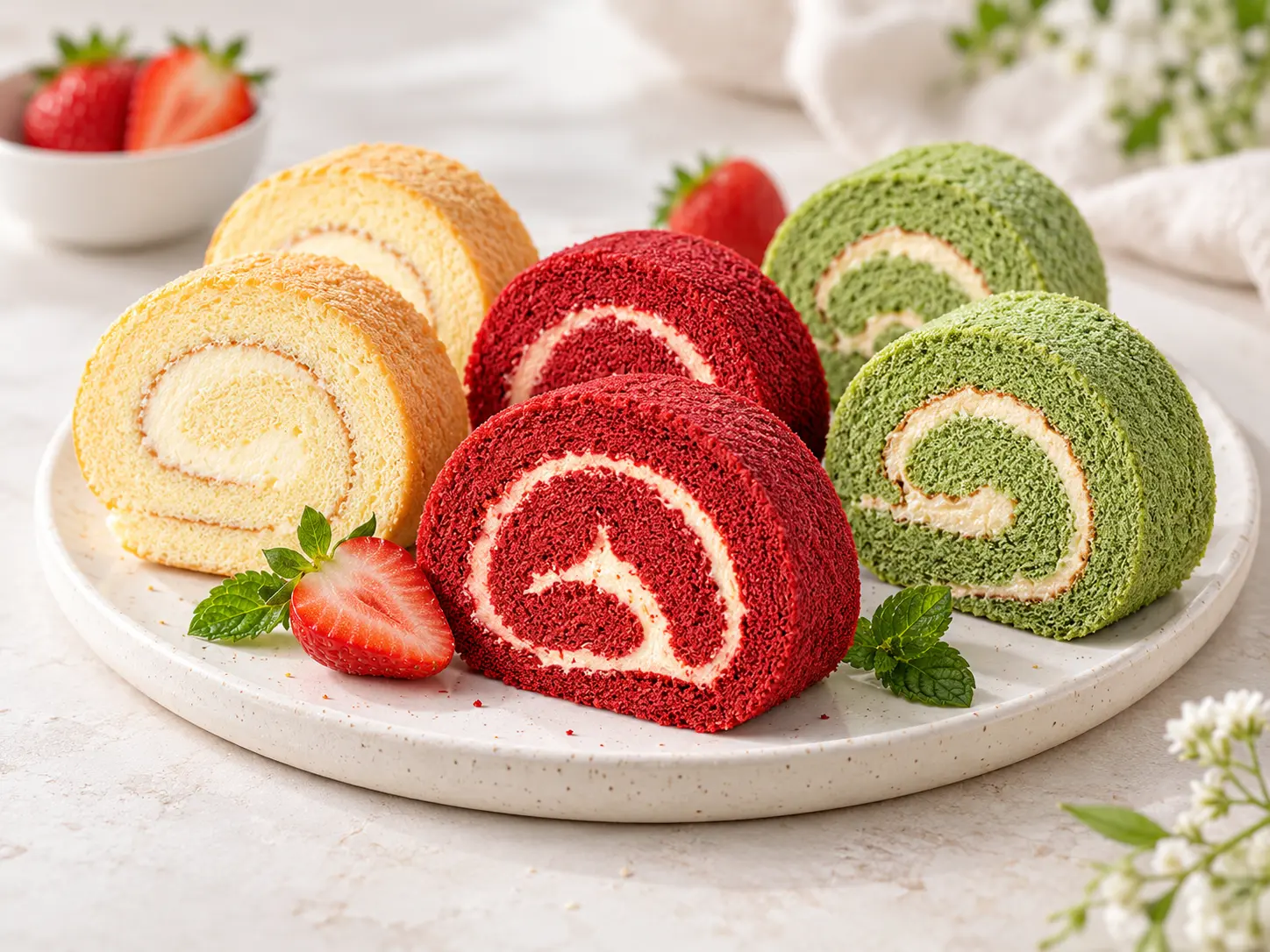
01 / DESIGN FOR THE ROLLING STEP
Swiss Roll Solutions for Manufacturers and R&D Teams
A commercial Swiss roll must perform as a system: sheet-cake aeration, batter viscosity, bake loss, crumb elasticity, filling moisture and rolling temperature all influence the finished product.
Flexible Sponge
Develop a thin sheet that bends smoothly without becoming dense or rubbery.
Crack Resistance
Reduce surface splitting and internal fractures during industrial rolling.
Fine Crumb
Maintain small, uniform cells for an attractive spiral and clean eating texture.
Moisture Retention
Limit rapid drying of the thin sponge sheet during cooling and storage.
Filling Compatibility
Balance the sponge against cream, jam, ganache or flavored fillings.
Packaged Stability
Maintain roll softness and shape during refrigerated, frozen or ambient distribution.
02 / FOUR COMMERCIAL SWISS ROLL DIRECTIONS
Four Swiss Roll Formulation Platforms
These Tianjiang development platforms cover classic cream rolls, chocolate snack cakes, fruit-and-cream rolls and chilled or frozen premium roll products.
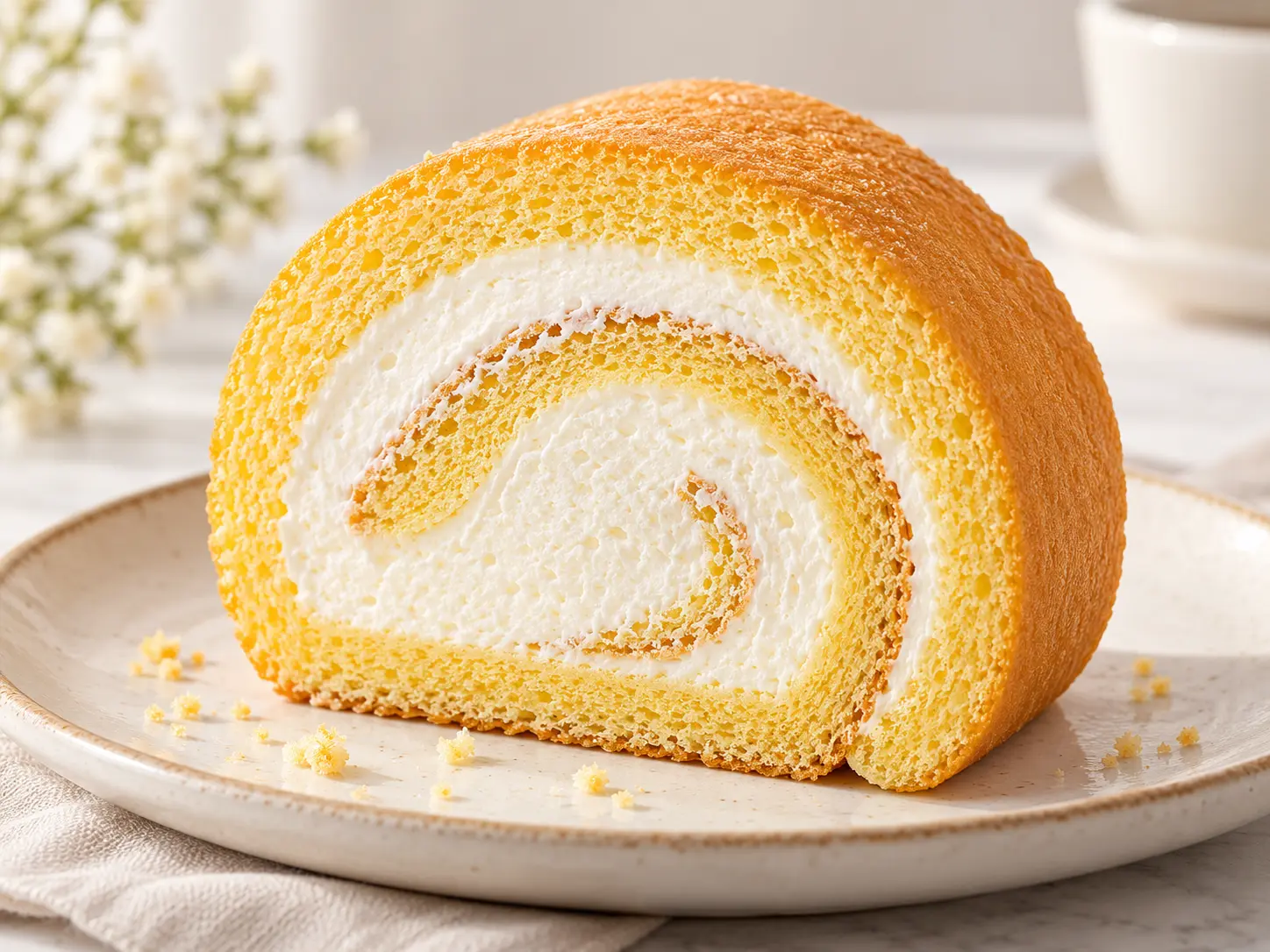
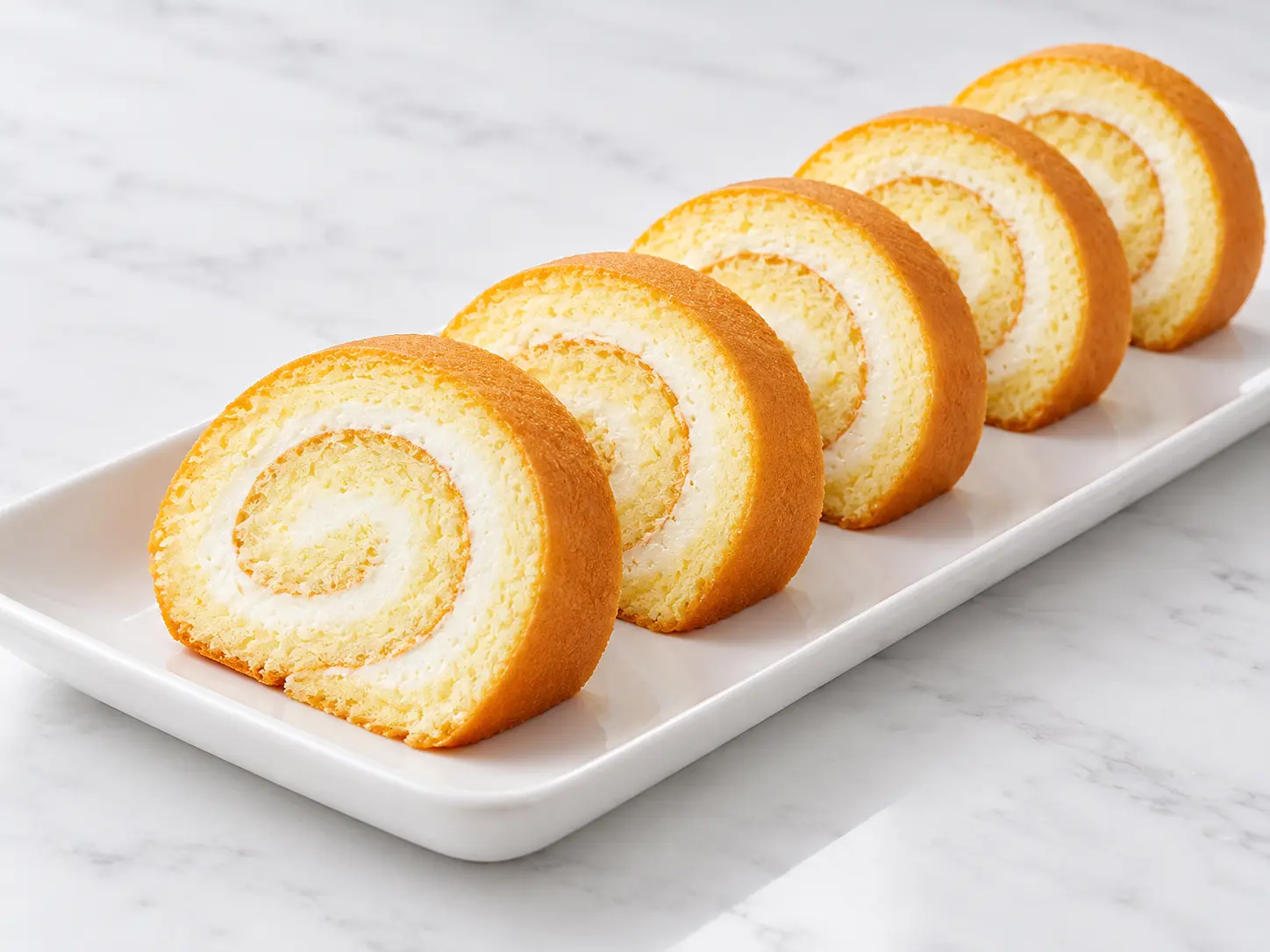
Classic Vanilla Cream Swiss Roll
A light, moist sheet sponge with smooth vanilla cream, designed for clean rolling and a soft bite.
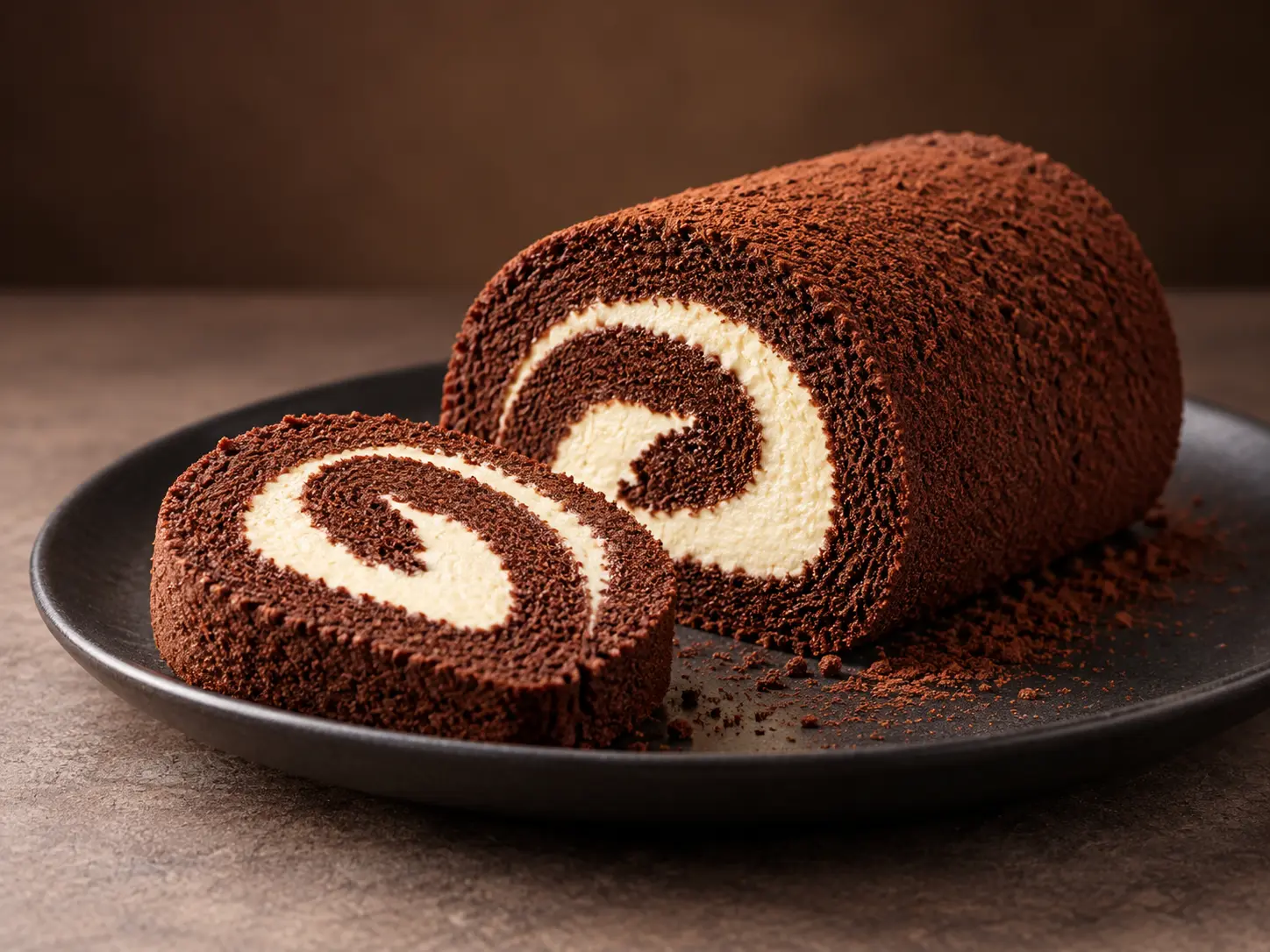
Chocolate Creme Snack Roll
A packaged snack-cake platform with chocolate sponge, sweet creme filling and optional chocolate coating.

Strawberry / Raspberry Cream Roll
A fruit-forward roll with flexible vanilla sponge, berry preparation and light cream filling.
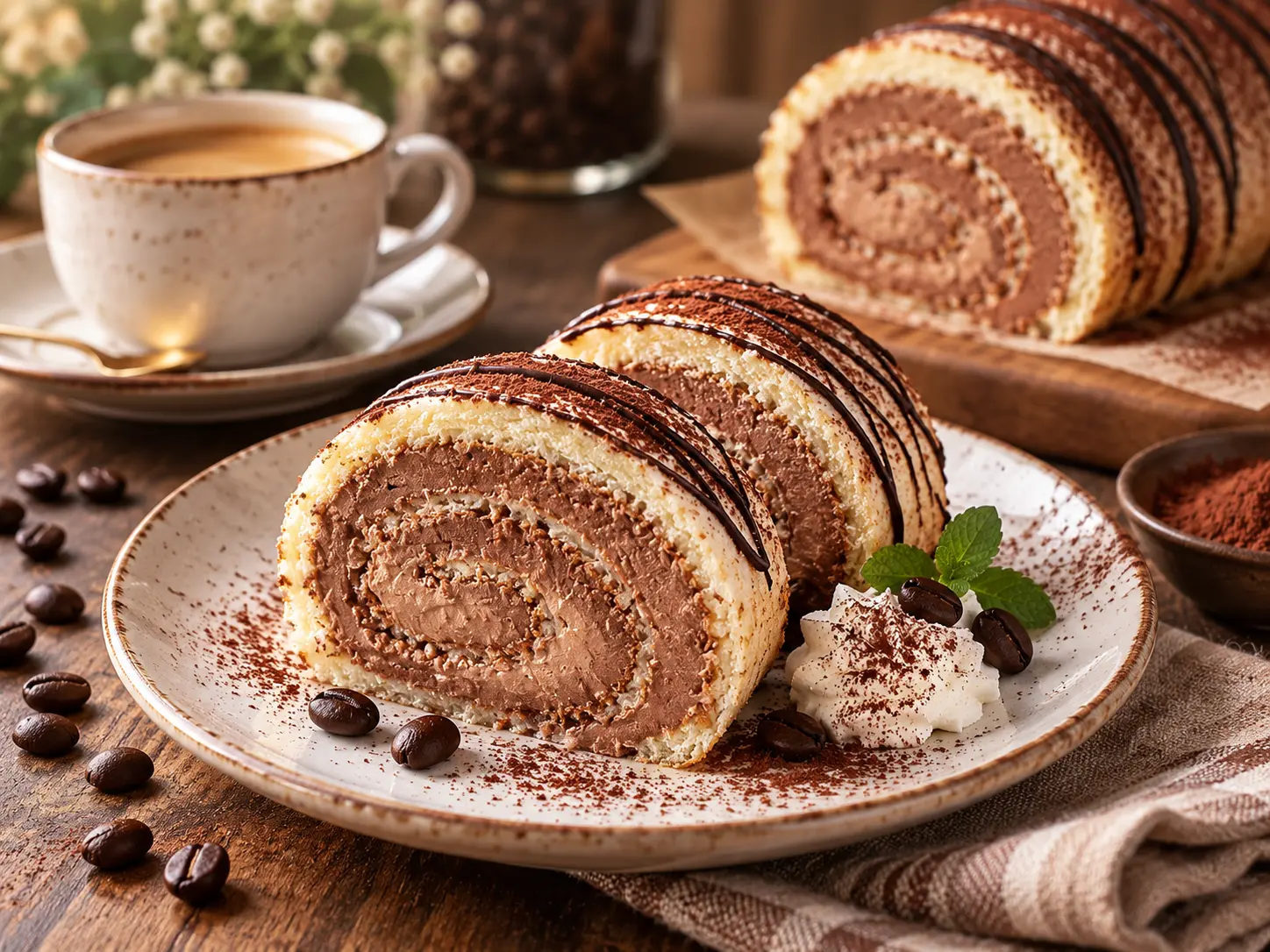
Chilled / Frozen Mocha Cream Roll
A premium refrigerated or frozen roll platform designed for softer crumb after chilling and thawing.
These formulas are Tianjiang application-development platforms built from common international Swiss roll processing principles. They are not reproductions of Little Debbie, Hostess, Yamazaki, Dawn, Puratos or any other manufacturer's proprietary formulation.

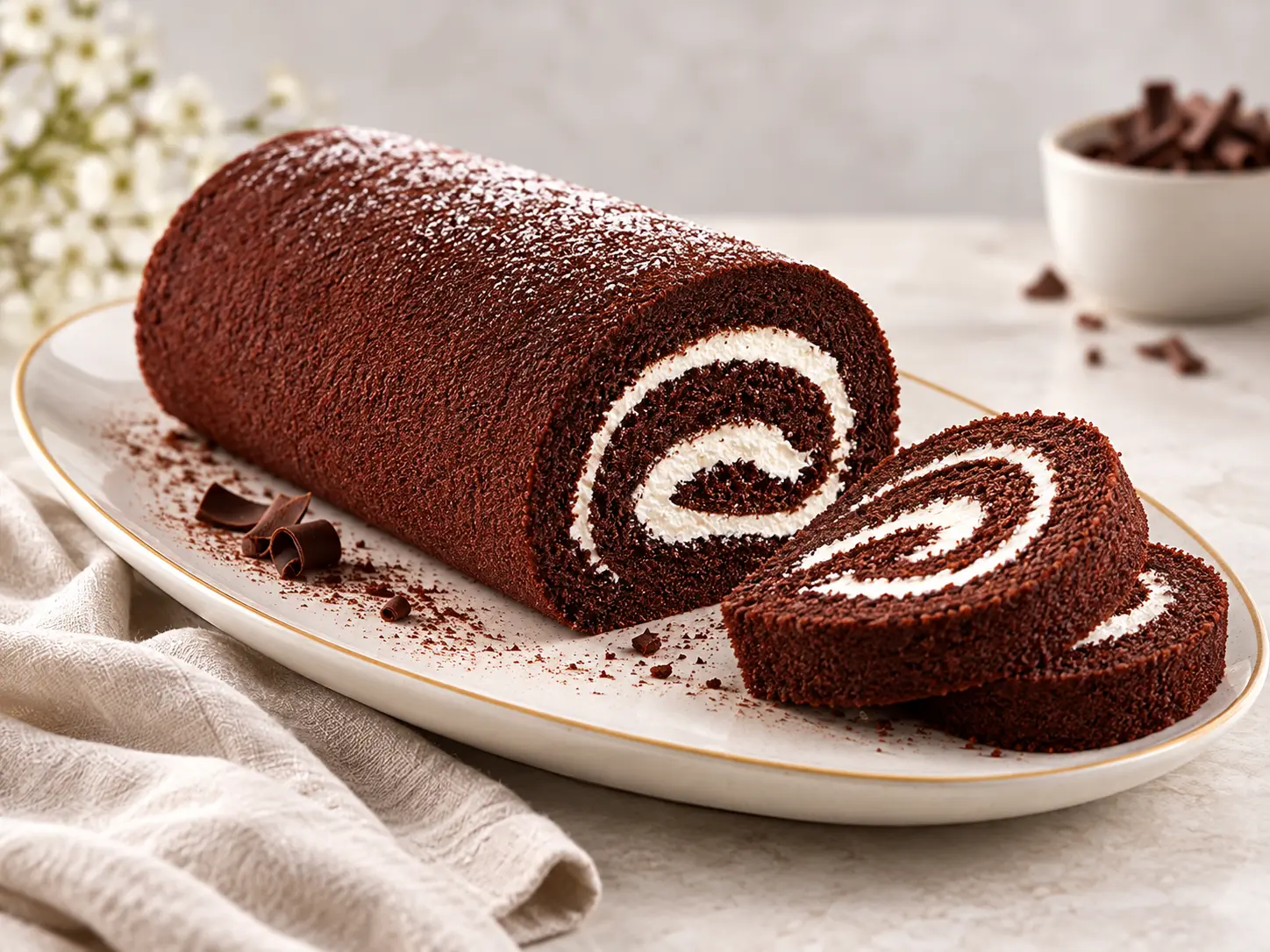
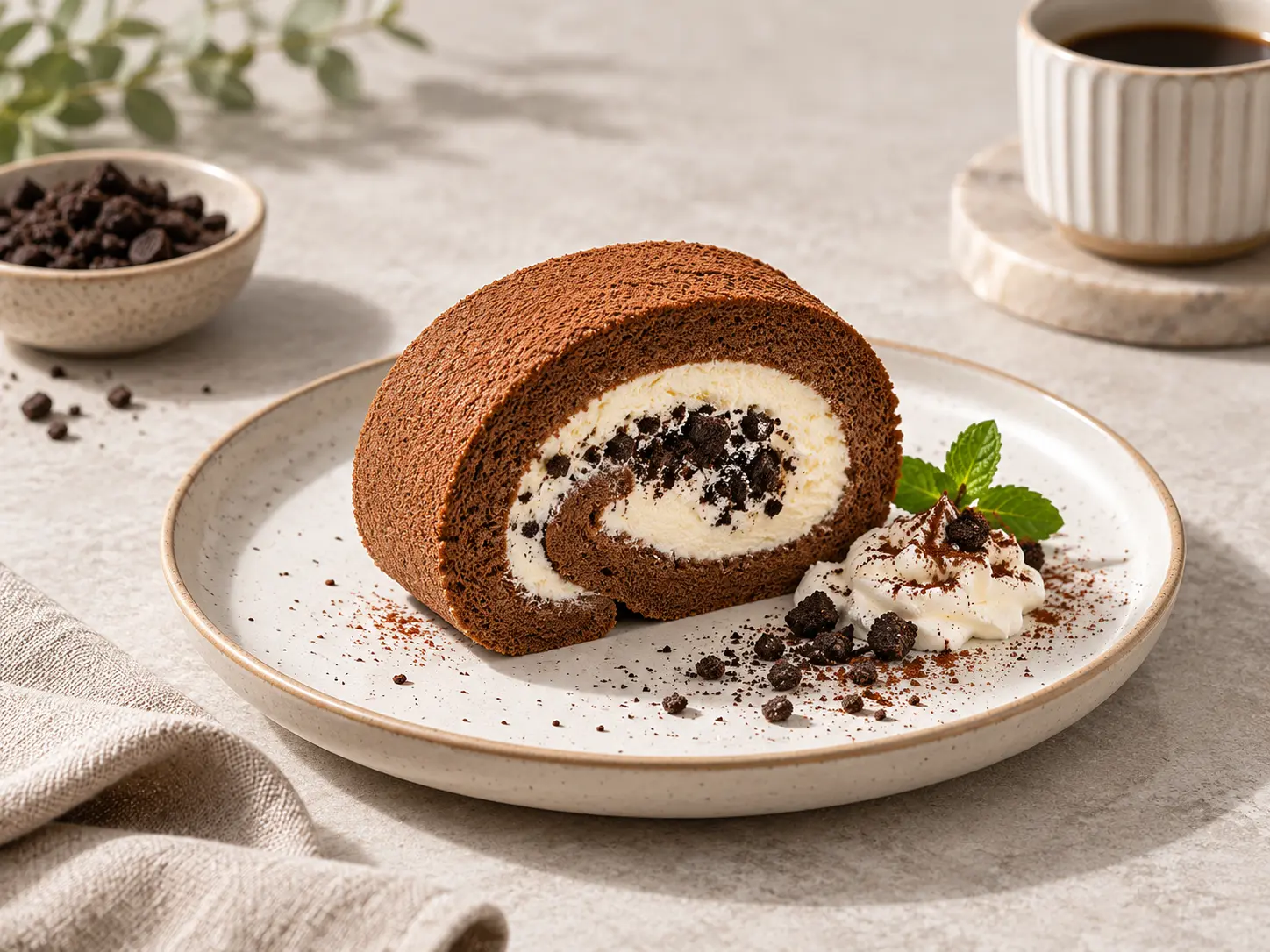
CHOCOLATE FINISHING INSPIRATION
Rich Cream, Glossy Center & Ganache
This chocolate roll illustrates filling and coating options for premium desserts. The photograph is a presentation reference and does not document the chilled or frozen mocha formulation above.
03 / COMMERCIAL PRODUCTION FORMULA
Tianjiang Swiss Roll Production Formulas
Select a product platform, enter the required final sponge-batter batch, and compare Tianjiang modified-starch dosage using a baker's-parts system.
Swiss Roll Formulation Batch Calculator
Formula values use baker's parts, with cake flour = 100. Changing the modified-starch level changes total formula parts, and the calculator automatically recalculates ingredient weights for the same final batter batch.
| Ingredient | Baker's Parts | Batch Mass, kg | Primary Function |
|---|---|---|---|
| Total Formula | — | 100.000 | Final sponge batter |
TJ-SR-01 · 100 kg batter · 6.00 parts Tianjiang modified starch per 100 parts cake flour.
For valid starch comparisons, keep deposit weight, sheet thickness, batter density, oven profile, cooling time and rolling temperature constant.
Swiss Roll Filling System References
| Platform | Recommended Filling Direction | Key Technical Target |
|---|---|---|
| TJ-SR-01 | Vanilla dairy or non-dairy cream | Smooth spread, low free moisture and stable spiral definition. |
| TJ-SR-02 | Sweet creme, chocolate creme or ganache-style filling | Ambient stability, controlled migration and compatibility with coating. |
| TJ-SR-03 | Berry preparation plus vanilla cream | Control fruit-water migration while retaining fresh flavor. |
| TJ-SR-04 | Mocha, mascarpone-style or whipped dairy filling | Chilled or freeze-thaw stability and clean slicing. |

04 / MODIFIED STARCH PERFORMANCE
How Modified Starch Improves Swiss Roll Sponge
The goal is not to make the sponge thicker. The starch system should help control batter structure, water distribution and crumb flexibility without making the sheet dense or gummy.
Batter Viscosity
Help maintain stable batter flow and uniform sheet deposition.Fine Cell Structure
Support more uniform gas-cell distribution during rapid sheet baking.Crumb Flexibility
Support a soft structure that bends during rolling.Moisture Retention
Slow excessive drying of the thin sponge sheet.Crack Resistance
Support structural continuity during bending, particularly around the first roll.Freeze-Thaw Stability
Suitable stabilized grades can support chilled and frozen roll products.
05 / COMMERCIAL MANUFACTURING
Commercial Swiss Roll Manufacturing Process
Swiss roll manufacture requires a thin, uniform sponge sheet with carefully controlled baking loss and rolling temperature.
-
Prepare dry ingredients
Sift cake flour, Tianjiang modified starch, leavening and other dry ingredients for uniform dispersion.
-
Develop the egg foam
Aerate the egg and sugar phase to the validated density and bubble structure.
-
Incorporate flour
Fold or blend the dry ingredients without excessive foam loss.
-
Add oil and liquid
Incorporate the emulsified oil-liquid phase with minimal loss of aeration.
-
Deposit the sheet
Control batter weight and thickness across the full baking tray or continuous belt.
-
Bake rapidly
Apply the validated high-temperature, short-time baking profile to set structure without excessive drying.
-
Cool to rolling temperature
Avoid both excessively hot rolling and excessive drying before filling.
-
Fill, roll and set
Apply the filling uniformly, roll under controlled tension, then chill or condition before cutting.
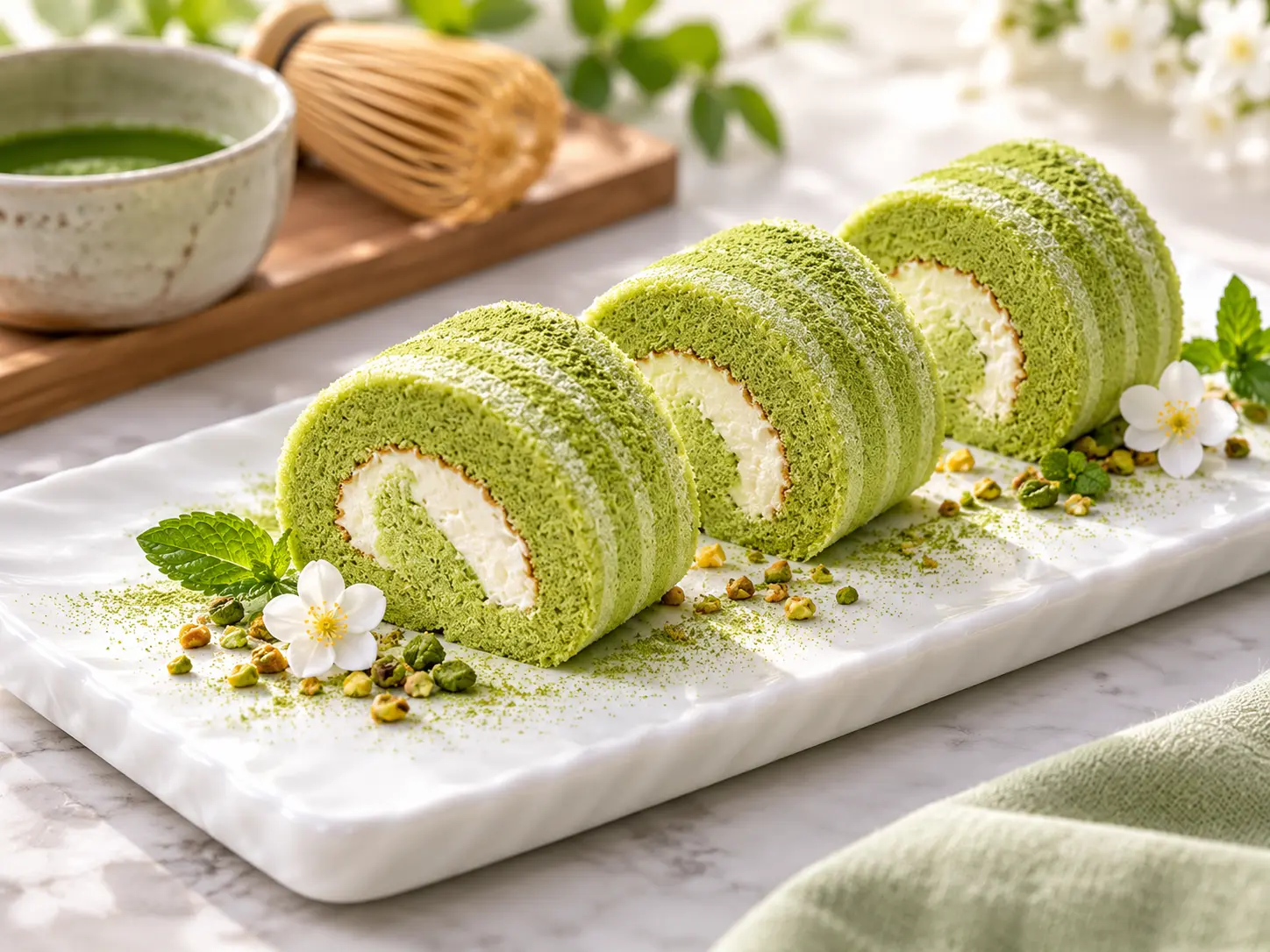
Finished Roll Formats & Flavor Inspiration
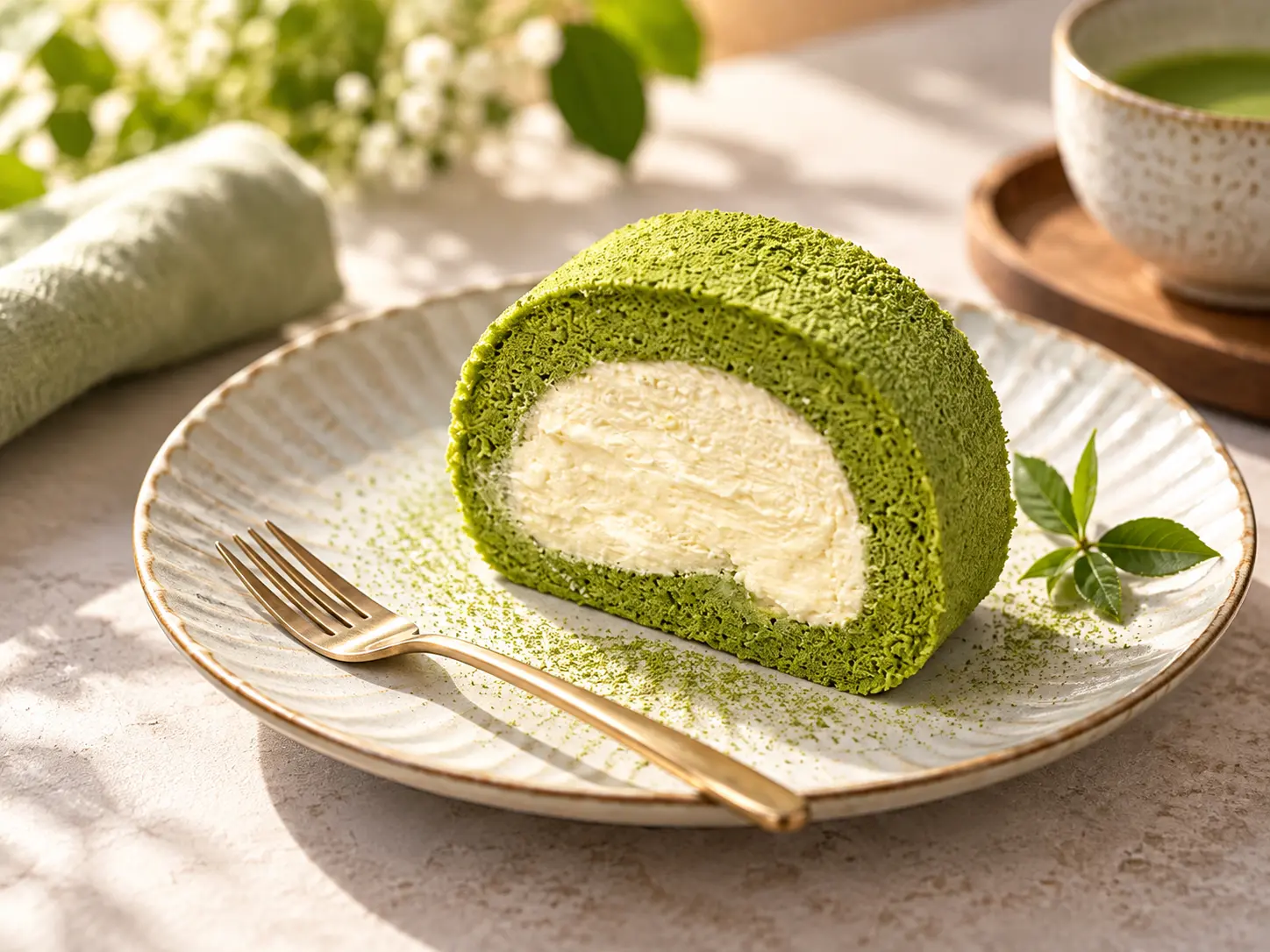
Matcha and chocolate roll photographs show finished sponge, filling and spiral presentation.

06 / MEASURE THE ROLLING PERFORMANCE
Flexibility, Rollability and Crack Resistance
Evaluate the sponge both before rolling and after the finished roll has been chilled, cut and stored.
Batter Density
Measure aeration before sheet deposition to improve batch consistency.
Sheet Flexibility
Measure resistance to bending at a standardized sheet temperature.
Crack Rate
Record visible surface cracking and internal fractures after rolling.
Shelf Softness
Track crumb hardness and flexibility through the intended storage period.
07 / DIAGNOSE THE ROLL FAILURE
Swiss Roll Formulation Troubleshooting
Do not solve every rolling problem by adding more starch. Bake loss, sheet temperature, foam quality and filling level must be checked first.
| Observation | Factors to Investigate | Controlled Next Trial |
|---|---|---|
| Sponge cracks during rolling | Excessive bake loss, low moisture, coarse crumb or insufficient flexibility. | Measure bake loss and rolling temperature before increasing starch. |
| Roll splits at the first turn | Sheet too cool, too thick, too dry or insufficiently elastic. | Standardize sheet thickness and temperature at the first roll. |
| Large internal holes | Coarse aeration, poor batter mixing or excessive leavening. | Measure batter density and foam structure first. |
| Sponge is gummy | Under-baking, excess moisture or excessive functional starch. | Validate bake endpoint before reducing flour. |
| Sponge is dry | Long baking time, high temperature, low syrup or poor moisture retention. | Measure bake loss and test a moisture-retaining starch. |
| Spiral becomes compressed | Sponge too soft, filling too heavy or excessive rolling tension. | Standardize filling weight and rolling pressure. |
| Fruit filling wets the sponge | High filling water activity or insufficient moisture control. | Evaluate the sponge and fruit filling as separate systems. |
| Frozen roll cracks after thawing | Poor freeze-thaw stability or chilled crumb firming. | Screen the TJ-SR-04 stabilized starch platform. |
08 / SELECT STARCH BY ROLL TARGET
How to Select Modified Starch for Swiss Roll
Share sheet thickness, batter density, baking profile, rolling temperature, filling system and shelf-life requirement so Tianjiang can screen an appropriate starch grade.
Flexible Sponge Grade
Prioritize softness and bendability where cracking is the main failure.
Moisture-Retention Grade
Use where thin sheets dry rapidly during cooling and storage.
Structure Grade
Use where the finished roll compresses under heavy cream or coating.
Modified Tapioca Starch
Suitable grades can support softness, elastic texture and neutral flavor.
Modified Waxy Corn Starch
Can be evaluated for moisture retention, processing stability and chilled applications.
Freeze-Thaw Grade
Use for frozen Swiss rolls or products distributed through frozen logistics.
09 / STANDARDIZE EVERY TRIAL
Swiss Roll Formulation and Quality Testing
Compare starch candidates with identical batter density, deposit weight, sheet thickness, oven profile and rolling temperature.
Batter Density
Record immediately before deposition.Sheet Thickness
Measure after baking and complete cooling.Bake Loss
Track water loss during the short sheet-baking cycle.Bend Test
Compare minimum bend radius before visible cracking.Roll Crack Rate
Record cracks after standard filling and rolling.Shelf Softness
Evaluate the sponge through the intended storage period.
10 / R&D TO PURCHASING
Modified Starch Specifications for Swiss Roll Purchasing
Once the selected starch passes rolling and shelf-life testing, convert the application result into a controlled ingredient specification.
Exact Grade
Confirm Tianjiang modified starch grade and baker's-parts dosage.Botanical Source
Confirm tapioca, waxy corn or other source.Functional Target
Specify flexibility, moisture, crumb and freeze-thaw requirements.Representative COA
Review relevant quality parameters.Regulatory Documentation
Confirm labeling and destination-market requirements.Commercial Planning
Confirm sample size, MOQ, packaging, lead time and expected monthly usage.
11 / TECHNICAL QUESTIONS
Swiss Roll Formulation FAQs
Technical guidance for industrial cake manufacturers, bakery R&D teams and modified-starch buyers.
Why Is Modified Starch Used in Swiss Roll?
A suitable modified starch can support batter viscosity, fine crumb structure, moisture retention, softness, sheet flexibility and storage stability.
How Much Modified Starch Is Used in Swiss Roll Sponge?
The Tianjiang development platforms on this page use approximately 6–8 parts modified starch per 100 parts cake flour. The optimum level depends on starch grade, baking profile, sheet thickness and shelf-life target.
Can Modified Starch Prevent Swiss Roll Cracking?
Modified starch can support crumb flexibility and moisture retention, but cracking is also influenced by bake loss, sheet thickness, rolling temperature, foam quality and rolling tension.
Why Does Swiss Roll Crack When Rolled?
Typical causes include an over-dry sheet, excessive baking, low sponge elasticity, large crumb cells, incorrect rolling temperature or excessive bending stress at the first turn.
Can Modified Tapioca Starch Be Used in Swiss Roll?
Yes. Suitable modified tapioca starch can be evaluated where soft texture, elasticity, moisture management and neutral flavor are required.
Which Starch Is Better for Frozen Swiss Roll?
A modified starch with appropriate freeze-thaw stability should be evaluated for both the sponge and any starch-containing filling.
Can Modified Starch Also Be Used in the Cream or Fruit Filling?
Yes, but the starch grade must match the process. Cold-process cream, cooked custard, fruit preparation and bake-stable filling can require different functionality.
What Information Should I Send Tianjiang?
Share the current formula, sheet thickness, batter density, deposit weight, oven temperature, baking time, rolling temperature, filling type, storage condition and primary failure.
12 / TALK TO TIANJIANG
Request Modified Starch Samples for Swiss Roll
Share your current Swiss roll formulation and rolling problem so Tianjiang can recommend a candidate modified starch for the next production trial.
Prepare Your Swiss Roll Project Brief
13 / RELATED BAKERY APPLICATIONS