
Tianjiang / Snack food applications
Modified Starch Solutions for Snack Foods
Explore modified starch solutions for potato crisps, mochi, mochi bread, mochi cream cake and tapioca pearls. Match starch functionality to your target crispness, chewiness, processing conditions and storage requirements.

Chewy.
01 / Find your application
Modified Starch Applications in Snack Foods
Explore five application directions. Each has its own texture, processing and storage priorities, with detailed formulation resources on the linked page.
 01
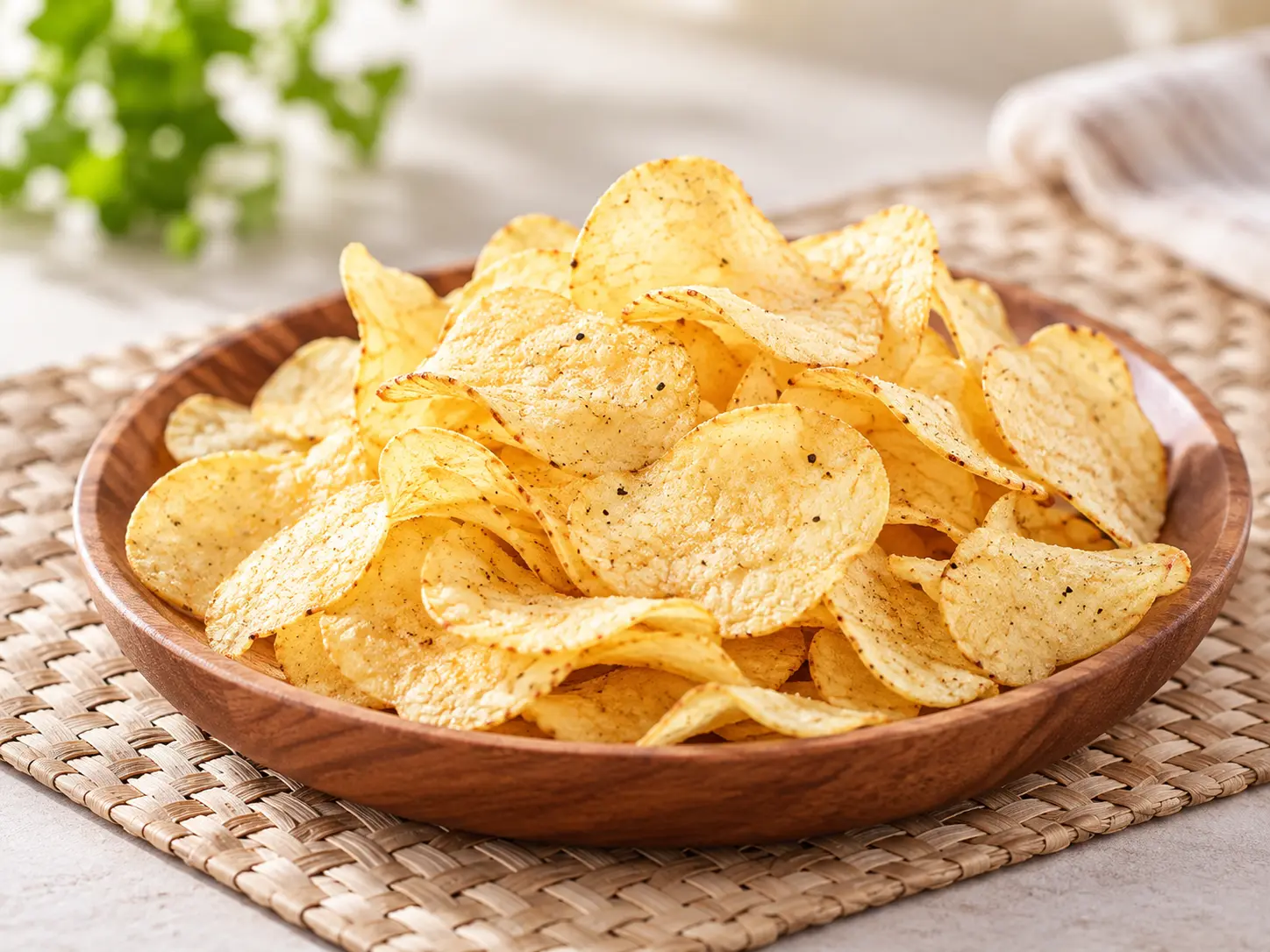
Potato Chips & Fabricated Crisps
Build a starch strategy around the chip format. For fabricated and baked crisps, compare dough cohesion, sheetability, expansion and finished fracture. Conventional sliced chips may need no added starch unless a coating or adhesion system is used.
Explore Potato Chips & Fabricated Crisps 02
Mochi
Match softness, stretch and chewiness to the intended mochi format. Assess surface stickiness, forming and texture after cooling and storage; include freeze-thaw trials when frozen distribution is part of the project.
Explore Mochi 03
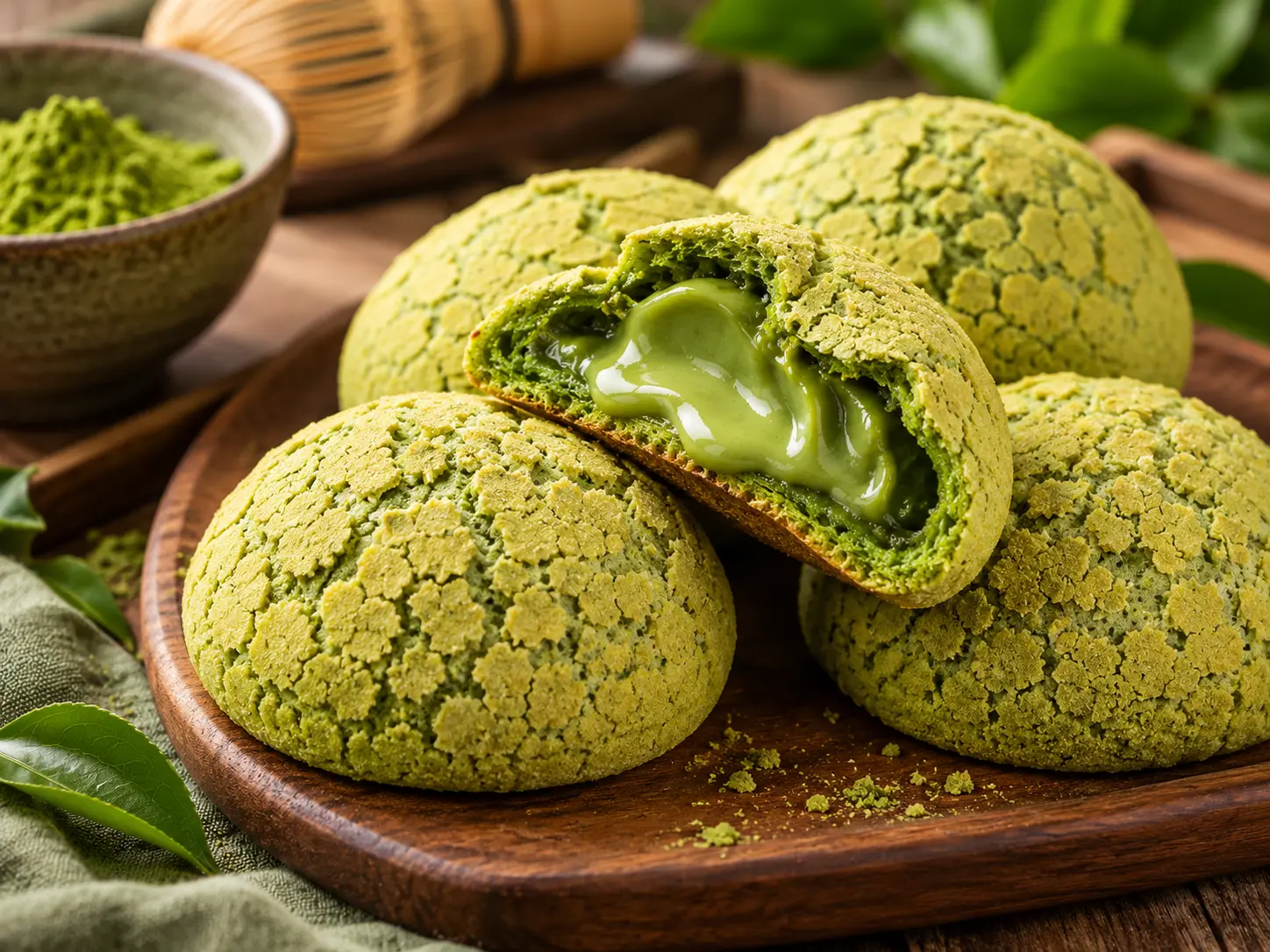
Mochi Bread
Balance a lightly crisp crust with a soft, chewy interior. Compare dough handling, oven expansion, internal structure and shape after cooling, then follow texture through the intended packaging and storage conditions.
Explore Mochi Bread 04
Mochi Cream Cake
Evaluate the mochi layer within the complete dessert. Check flexibility, slicing and moisture movement between mochi, sponge and cream. Match chilled or frozen evaluation to the actual distribution route.
Explore Mochi Cream Cake 05
Tapioca Pearls & Boba
Define the pearl format before selecting starch: conventional, fast-cook or ready-to-eat. Compare cooking integrity, chewiness, surface stickiness and shape, then evaluate the cooked pearls during holding and in cold beverages.
Explore Tapioca Pearls & Boba02 / Define the performance target
Key Technical Benefits for Snack Food Manufacturers
Use the finished snack and production method to set your priorities. Screen starch grades within the complete formulation rather than treating one grade as a solution for every snack.
Crispness and Expansion Control
For fabricated crisps and baked snacks, compare fracture, expansion and structural strength at consistent finished moisture. Aim for the required bite without excessive hardness or fragility.
Explore texture improvementSoftness, Chewiness and Elasticity
Set a distinct target for mochi, baked mochi bread or pearls. Screen grades for the desired softness and resilience, then compare texture after the actual preparation and holding period.
Explore texture solutionsDough Handling and Shape Retention
Evaluate mixing, sheeting, portioning, wrapping or forming as relevant. Check shape through cooking or baking and after cooling, alongside sticking, tearing and production handling.
Explore heat stabilityMoisture Management and Storage Texture
Track moisture movement, hardening and surface changes in the packaged product. Include chilled or freeze-thaw comparisons where applicable, using the intended storage conditions.
Explore water retentionMatch evaluation to the product: crisp snacks, soft mochi and cooked pearls require different performance targets. Confirm each candidate grade through application trials.
03 / Match the grade to the process
How to Select Modified Starch for Your Snack Application
Describe the product you are making, the bite you want and the issue you need to address. Connect the starch comparison to your actual production and storage route.
Define Your Snack Format and Texture Target
Start with the full formulation and a clear finished-product benchmark.
- Snack format and potato, rice, tapioca or other base ingredients
- Target crispness, softness, chewiness or stretch
- Current issue: tearing, sticking, collapse, hardening or breakage
- Filling, cream or other components that interact with the starch system
Match Processing and Storage Conditions
Record the conditions used to prepare and evaluate each sample.
- Frying, baking, steaming, forming or cooking sequence
- Starch addition point, hydration and gelatinization conditions
- Product size, moisture, packaging and storage temperature
- Evaluation after cooling, holding, storage or relevant freeze-thaw cycles
| Application | Texture target | Processing priorities | Finished-product checks |
|---|---|---|---|
| Fabricated potato crisps | Light crispness or a stronger crunch | Dough cohesion, sheeting, expansion and final moisture | Cooled fracture and breakage after handling |
| Mochi | Soft, stretchy and pleasantly chewy | Cooking, mixing, surface stickiness and forming | Firmness and flexibility during storage |
| Mochi bread | Light crust and a chewy interior | Dough handling, oven expansion and cooling | Volume, shrinkage, crumb and stored texture |
| Mochi cream cake | Flexible mochi and compatible layers | Layer preparation, assembly and slicing | Moisture movement and chilled or thawed texture |
| Tapioca pearls | Resilient chew and rounded shape | Pearl format, cooking and preparation method | Cooking integrity, holding and cold-drink texture |
Set dosage through formulation trials. For crisp products, compare samples at consistent final moisture; for soft or chewy products, use consistent preparation, holding time and evaluation temperature.
04 / Explore ingredient-label options
Clean Label Starch Options for Snack Foods
Bring your ingredient-label goals into the application brief. Compare suitable alternatives against the same manufacturing, texture and storage targets as your current formulation.
Functional Native Starch Options
Discuss functional native grades for projects with specific ingredient-declaration goals. Confirm the exact product, botanical source and preparation requirements before screening a candidate.
Texture and Processing Trade-Offs
Evaluate handling and finished texture together. A change in starch may require adjustments to hydration, dosage or processing to meet the required crispness, softness or chewiness.
Ingredient Declaration Requirements
Review documentation for the selected grade and intended market. Pregelatinization alone does not determine clean label suitability; confirm the specific ingredient and declaration requirements.
05 / Connect formulation with production
Snack Application Testing and Technical Support
Turn your texture target into a practical trial brief. Include the current formula, process and product benchmark so candidate grades can be evaluated in context.
- 01
Define the Trial Conditions
Record raw materials, hydration, preparation sequence, equipment conditions and the current challenge. Keep the benchmark and sample preparation consistent.
- 02
Evaluate Processing and Finished-Product Texture
Compare handling during production and texture after cooling, holding or storage. Select relevant checks for crispness, expansion, flexibility, slicing or cooking integrity.
- 03
Review Grade Specifications and Supply Requirements
Discuss the exact grade, specification, sample quantity, packaging, intended market and purchasing requirements before progressing toward production.
06 / Before your next formulation trial
FAQs About Modified Starch for Snack Foods
Starting points for snack manufacturers, formulation teams and ingredient buyers.
How do I select modified starch for my snack product?
Start with the snack format, base ingredients and intended texture. Share the processing sequence, current production issue, packaging and storage conditions. Compare candidate grades under consistent conditions and assess both manufacturing behavior and finished-product texture.
Do sliced potato chips and fabricated crisps need the same starch approach?
No. Traditional sliced potato chips may not need added starch in the base product. Fabricated crisps are made from a dough where starch can contribute to binding, sheeting, expansion and fracture. Coatings or seasoning-adhesion layers on sliced products are separate applications.
Can the same starch grade be used for mochi and mochi bread?
A candidate grade may be considered for both, but its suitability needs separate trials. Steamed or cooked mochi emphasizes softness, stretch and forming. Mochi bread adds oven expansion, crust formation and shape retention after cooling to the evaluation.
What should be evaluated in mochi cream cake trials?
Assess the mochi layer within the assembled cake, alongside the sponge and cream system. Compare flexibility, surface stickiness, slicing, layer movement and moisture migration. Evaluate chilled storage or freezing and thawing only according to the intended product route.
How should tapioca pearl texture be assessed after cooking?
Use a defined preparation method and compare the pearls at consistent times and temperatures. Record shape, cooking integrity, surface stickiness and chewiness after cooking, during holding and in the intended cold beverage. Different pearl formats need their own preparation protocol.
Are clean label starch options available for snack applications?
Suitable functional native and other starch grades can be discussed for projects with ingredient-label requirements. Confirm the exact product and documentation, then compare processing, texture and storage performance in the full formulation. A direct replacement at the same dosage should not be assumed.
07 / Tell us what you are making
Discuss Your Snack Application with Tianjiang
Tell us your snack format, target texture, processing conditions and storage requirements. Discuss suitable starch options and application trials with Tianjiang.