
Modified Starch Solutions for Frozen Food
Explore modified starch solutions for frozen steamed buns, rice balls and dumplings. Find suitable starch options to support freeze-thaw stability, moisture control, structural integrity and texture after cooking or reheating.

Modified Starch Applications in Frozen Food Products
Different frozen products require different starch functions. Explore the processing and eating-quality priorities for three core frozen food systems, then discuss the most relevant grade and evaluation approach for your formulation.
 01
Frozen Steamed Buns
Evaluate starch options for frozen baozi and steamed buns to support a soft, resilient crumb after steaming or reheating. Compare dough handling, steamed volume and moisture movement between the dough and filling under your actual fermentation, freezing and storage conditions.
Explore Frozen Steamed Buns 02
Frozen Rice Balls
For cooked-rice balls such as onigiri, evaluate starch options for moisture retention, grain cohesion and a softer bite after frozen storage and microwave reheating. Compare hardness, stickiness and shape retention using the same rice variety, cooking yield and forming conditions.
Explore Frozen Rice Balls 03
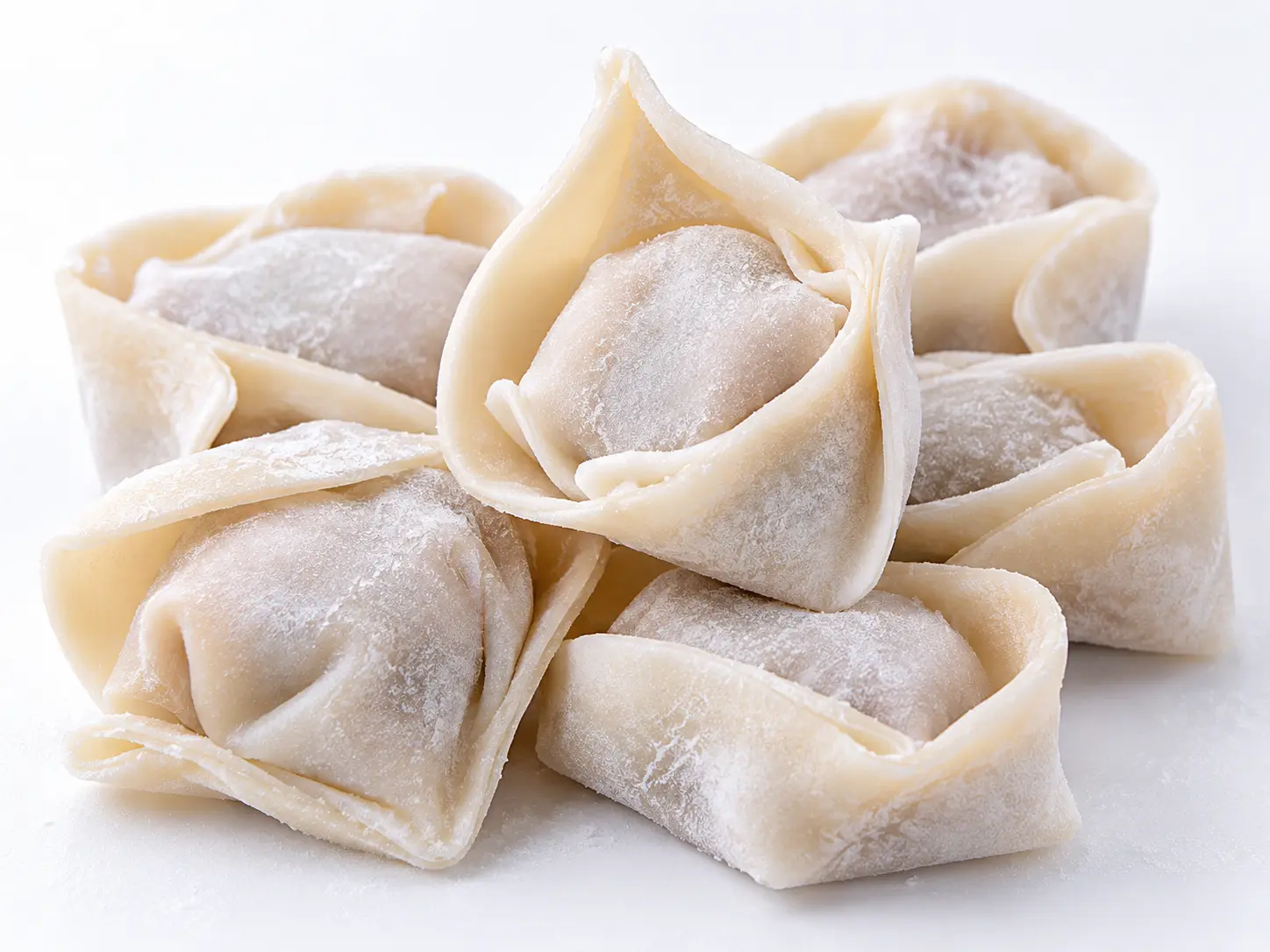
Frozen Dumplings
Evaluate wrapper strength, surface cracking and cooking breakage alongside the moisture requirements of the filling. Compare candidate starch grades in the complete recipe through forming, freezing and boiling or steaming, with attention to wrapper elasticity and the final eating texture.
Explore Frozen DumplingsChoose frozen steamed buns, rice balls or dumplings to explore application-specific formulation and processing guidance. Confirm starch performance through trials under your actual frozen storage and preparation conditions.
Key Technical Benefits for Frozen Food Manufacturers
Evaluate starch performance beyond the freezer: from product formation and frozen storage to thawing, cooking and reheating. Different formulations require different balances of structure, moisture and eating quality.
Freeze-Thaw Stability and Reduced Syneresis
Suitable grades may help control water separation and textural breakdown in systems sensitive to freezing and thawing. Confirm performance in the finished food, not only in a starch paste.
Moisture Retention and Water Migration Control
Assess water retention within fillings, doughs and sauces, including moisture movement between adjacent components during frozen storage and subsequent preparation.
Texture and Structural Integrity
Compare softness, elasticity, wrapper strength, cohesion and shape retention according to the food matrix. A firmer result is not always the desired result.
Cooking, Steaming and Reheating Performance
Confirm whether texture, viscosity and physical integrity meet the target after the consumer's actual cooking, steaming or reheating method.
Performance statements describe potential formulation functions, not guaranteed results for every grade or product. Product-specific testing is recommended.
How to Select Modified Starch for Frozen Food Applications
Start with the product matrix and the thermal process. Starch grades should then be compared against realistic freezing, storage, preparation and texture targets rather than selected from one performance claim alone.
Identify Your Food Matrix and Texture Requirements
- Define whether starch is used in a bun dough, cooked-rice ball, dumpling wrapper or filling.
- Share flour, starch, protein, fat, seasoning and other major ingredient information.
- Specify target softness, elasticity, cohesion, stickiness or body after cooking.
- Describe cracking, water separation, hardening, breakage or viscosity changes.
- Clarify the starch function and the dosage calculation basis.
Match Freezing, Storage and Reheating Conditions
- Confirm whether the product is frozen raw, partially cooked or fully cooked.
- Identify whether starch is gelatinized before the freezing step.
- Record the freezing process and relevant product temperature conditions.
- Specify target frozen storage conditions and possible temperature variation.
- Confirm thawing, boiling, steaming, microwave or other final preparation methods.
| Application | Primary Challenge | Priority Evaluation |
|---|---|---|
| Frozen Steamed Buns | Hardening, crumb structure and dough-filling moisture movement | Steamed softness, volume, resilience and filling interface |
| Frozen Rice Balls | Rice hardening, moisture loss and changes in grain cohesion | Reheated hardness, grain integrity, stickiness and shape retention |
| Frozen Dumplings | Wrapper cracking, cooking breakage and filling moisture loss | Frozen appearance, cooking loss, wrapper elasticity and bite |
Grade performance depends on the food matrix and process. Share whether additive dosage is measured against total formulation, flour weight or dry matter so trial results can be compared.

Clean Label Starch Options for Frozen Foods
For projects seeking an alternative ingredient declaration, candidate starches should be evaluated against the actual freezing process, consumer preparation method and market-specific labelling requirements.
Functional Native Starch Alternatives
Explore functional native starch as a possible option in suitable frozen food systems. Its technical contribution must be verified separately from chemically modified starch grades.
Balance Freeze-Thaw Stability and Texture
Compare water release, shape retention, texture and processing tolerance. A switch in starch type may also require adjustments to water addition, dosage or thermal processing.
Ingredient Declaration and Market Compliance
Verify the ingredient's source, manufacturing process, relevant specifications and intended selling market before making clean label or native starch claims.
Frozen Food Application Testing and Technical Support
A practical trial plan links product formulation to the freezing process and the final preparation method. Compare controls and candidate grades under consistent conditions.
Define the Formulation and Freezing Conditions
Document ingredients, dosage basis, product size, thermal history, freezing profile and reference formulation.
Evaluate Freeze-Thaw and Prepared Food Quality
Compare water release, appearance, texture, shape integrity and performance after standardized cooking or reheating.
Review Starch Grades and Commercial Requirements
Discuss candidate grades, sample evaluation, documentation, packaging, target market and supply needs.
Frozen storage trials and repeated freeze-thaw cycling are not interchangeable. Use conditions that correspond to the product's actual distribution and preparation route.
FAQs About Modified Starch for Frozen Foods
Common questions about starch functionality, freezing processes, product evaluation and ingredient selection.
Share your product matrix, freezing route and desired eating quality so the discussion can focus on relevant options.
Contact TianjiangHow does modified starch improve freeze-thaw stability in frozen foods?
Which modified starch is suitable for frozen dumplings and buns?
Can modified starch help reduce water separation after thawing?
What is the difference between E1422 and E1442 for frozen food?
How should freeze-thaw stability be tested in frozen food products?
Are clean label starch options available for frozen food formulations?
Discuss Your Frozen Food Application with Tianjiang
Looking for a modified starch solution for your frozen food formulation? Tell us about your product type, freezing conditions, texture targets and current processing challenges. Tianjiang can help you explore suitable starch options and plan application trials.
This form prepares an email in your mail application; it does not send data from the website.