
Global Bakery Formulations
Explore breads, laminated doughs, cakes, biscuits and bakery fillings from around the world. Compare ingredient frameworks, structure systems and the formulation choices behind each product.
Read the Formula Basis Before Scaling
The frameworks retain useful design ranges while distinguishing flour-based ratios, whole-mix percentages and separately prepared fillings.
Baker’s percentage
Flour is 100%. Water 65 and salt 2 mean 65 kg water and 2 kg salt per 100 kg flour. The total is normally greater than 100%. These are indicative development references, not tested Tianjiang specifications.
Whole-mix percentage
A total-mix formula sums to 100% before processing. Baking, frying or concentration changes yield and composition. Initial-mix percentages must not be labeled as finished baked-product composition.
Separate component ratios
A butter block, topping, filling or preferment may use its own basis. State that basis explicitly and count all flour and water when combining components. IDY means instant dry yeast; fresh yeast is not equivalent by weight.
Explore Bakery Products by Family
Browse international names and local styles. The directory includes grouped variants; the formulation tables also cover cross-category systems such as preferments and frozen dough.
Lean & Hearth Breads22 directory entries
- White Pan Bread
- Wheat Pan Bread
- Wholemeal / Whole-wheat Bread
- Baguette Ordinaire
- Baguette de Tradition / Pain de Tradition
- Pain De Campagne
- Pain au Levain / Sourdough
- Ciabatta
- Country Sourdough
- Deli Rye
- Mischbrot
- Roggenbrot
- Vollkornbrot
- Westphalian Pumpernickel
- US-style Pumpernickel
- Bagel
- Pretzel / Laugengebäck / Brezel
- Pane Pugliese
- Pane Toscano
- Pan De Cristal
- Broa
- Grissini
Enriched & Sweet Breads33 directory entries
- Brioche
- Pain De Mie
- Challah
- Panettone
- Pandoro
- Colomba
- Stollen / Dresdner-style Stollen
- Babka
- Cinnamon Rolls
- Hot Cross Buns
- Shokupan / Hokkaido Milk Bread
- Chinese Bakery Buns
- Bo Lo Bao / Pineapple Bun
- Cocktail Bun
- Concha / Pan Dulce
- Pan De Muerto
- Rosca De Reyes
- Pão De Leite
- Pulla
- Kanelbulle
- Skillingsbolle
- Kulich
- Tsoureki
- Choreg
- Anpan
- Melon Pan
- Cream Pan
- Soboro Ppang
- Danpat Ppang
- Ensaymada
- Pan De Sal
- Ensaïmada
- Panetón
Flatbreads & Pizza35 directory entries
- Pita / Khubz Arabi
- Naan
- Roghni Naan
- Lavash
- Markook Saj
- Chapati Roti
- Phulka
- Paratha / Laccha Paratha
- Poori
- Bhatura
- Wheat Tortilla
- Corn Tortilla / Nixtamal Dough
- Injera / Teff Flatbread
- Focaccia
- Schiacciata
- Neapolitan-style Pizza
- Pizza al Taglio / Teglia
- New York Pizza
- Chicago Deep Dish
- Detroit Pizza
- Sfincione / Sicilian Pizza
- Pizza Contemporanea / Canotto
- Lefse
- Tunnbröd
- Yufka
- Bazlama
- Gözleme
- Laffa
- Msemen / Rghaif
- Afghan Naan
- Obi Non
- Shotis Puri
- Roomali Roti
- Pol Roti
- Roti Canai / Roti Prata
Steamed Bakery11 directory entries
- Mantou
- Baozi Dough
- Gua Bao
- Siopao
- Nikuman
- Jjinppang / Hoppang
- Bánh Bao
- Tingmo
- Huajuan
- Yin Si Juan
- Shengjian
Laminated Doughs20 directory entries
- Croissant
- Pain Au Chocolat
- Pain Aux Raisins
- Danish Pastry / Wienerbrød / Spandauer
- Puff Pastry / Feuilletage
- Inverted Puff / Feuilletage Inversé
- Rough Puff
- Mille-Feuille
- Palmiers
- Vol-Au-Vent
- Sausage Rolls
- Curry Puffs
- Sfogliatelle
- Strudel Dough
- Baklava / Phyllo
- Börek / Yufka
- Banitsa
- Khari
- Lao Po Bing / Wife Cake
- Mung Bean Pastry
Cakes & Mooncakes30 directory entries
- Pound Cake
- High Ratio Layer Cake
- Genoise Sponge
- Victoria Sponge
- Chiffon
- Angel Food
- Castella / Kasutera
- Christmas Fruit Cake
- Black Forest / Schwarzwälder Kirschtorte
- Swiss Roll / Jelly Roll
- Madeleines
- Brownies
- Blondies
- Opera Cake
- Sacher Torte
- Dobos Torte
- Fraisier
- Bûche de Noël
- Lamingtons
- Cantonese Mooncake
- Suzhou Mooncake
- Snow-skin Mooncake / Bing Pi
- Teochew Mooncake
- Dorayaki
- Taiyaki / Imagawayaki
- Medovik
- Madeira Cake
- Dundee Cake
- Red Velvet
- Taiwanese Castella
Cookies, Biscuits & Crackers32 directory entries
- Chocolate-chip / Drop Cookies
- Rolled Biscuits
- Wire-cut Cookies
- Rotary-moulded Biscuits
- Sandwich Biscuits
- Wafers
- Wafer Sticks
- Digestive
- Shortbread
- Rich Tea
- Marie
- Speculoos / Speculaas
- Lebkuchen
- Pfeffernüsse
- Macarons
- Amaretti
- Biscotti / Cantucci
- Savoiardi / Ladyfingers
- Fortune Cookies
- Anzac Biscuits
- Gingernuts
- Oat Biscuits
- Stroopwafels
- Soda Crackers / Saltines
- Cream Cracker
- Water Biscuit
- Graham Cracker
- Crispbread / Knäckebröd
- Rusk / Fette Biscottate
- Osmania
- Karachi Fruit Biscuits
- Nan Khatai
Fried Bakery13 directory entries
- Yeast Ring Doughnuts
- Cake Doughnuts
- Churros
- Beignets
- Berliner / Pfannkuchen / Krapfen
- Youtiao
- Shakoy
- Mandazi
- Loukoumades
- Zeppole
- Sopaipillas
- Buñuelos
- Honey Buns
Pies, Tarts, Choux & Meringue19 directory entries
- Pâte Brisée / Shortcrust
- Pâte Sucrée / Sablée
- Hot Water Crust
- Suet Crust
- Choux / Éclair
- Profiteroles / Choux à la Crème
- Paris-Brest
- Chouquettes
- Gougères
- Croquembouche
- St Honoré
- Meringue
- Pavlova
- Vacherin
- Dacquoise
- Meat Pie Pastry
- Empanada Dough
- Cornish Pasty Pastry
- Quiche Pastry
Fillings, Creams, Icings & Glazes19 directory entries
- Crème Pâtissière / Pastry Cream
- Crème Diplomat
- Mousseline
- Chiboust
- Bake-stable Custard Cream
- Buttercream
- Fondant
- Royal Icing
- Ganache
- Mirror Glaze
- Water Icing / Doughnut Glaze
- Anko / Red-bean Paste
- Lotus Seed Paste
- Mung Bean Paste
- Shiro-An
- Frangipane
- Kaya / Coconut–Egg Spread
- Dulce De Leche Filling
- Bake-stable Fruit Filling
No directory names match. Try a broader term or check the formulation tables.
Bakery Formulation Frameworks by Family
Read the basis shown beneath each product name. Ranges describe alternative development choices; do not combine every maximum or treat a process example as a validated production schedule.
Lean & Hearth Breads
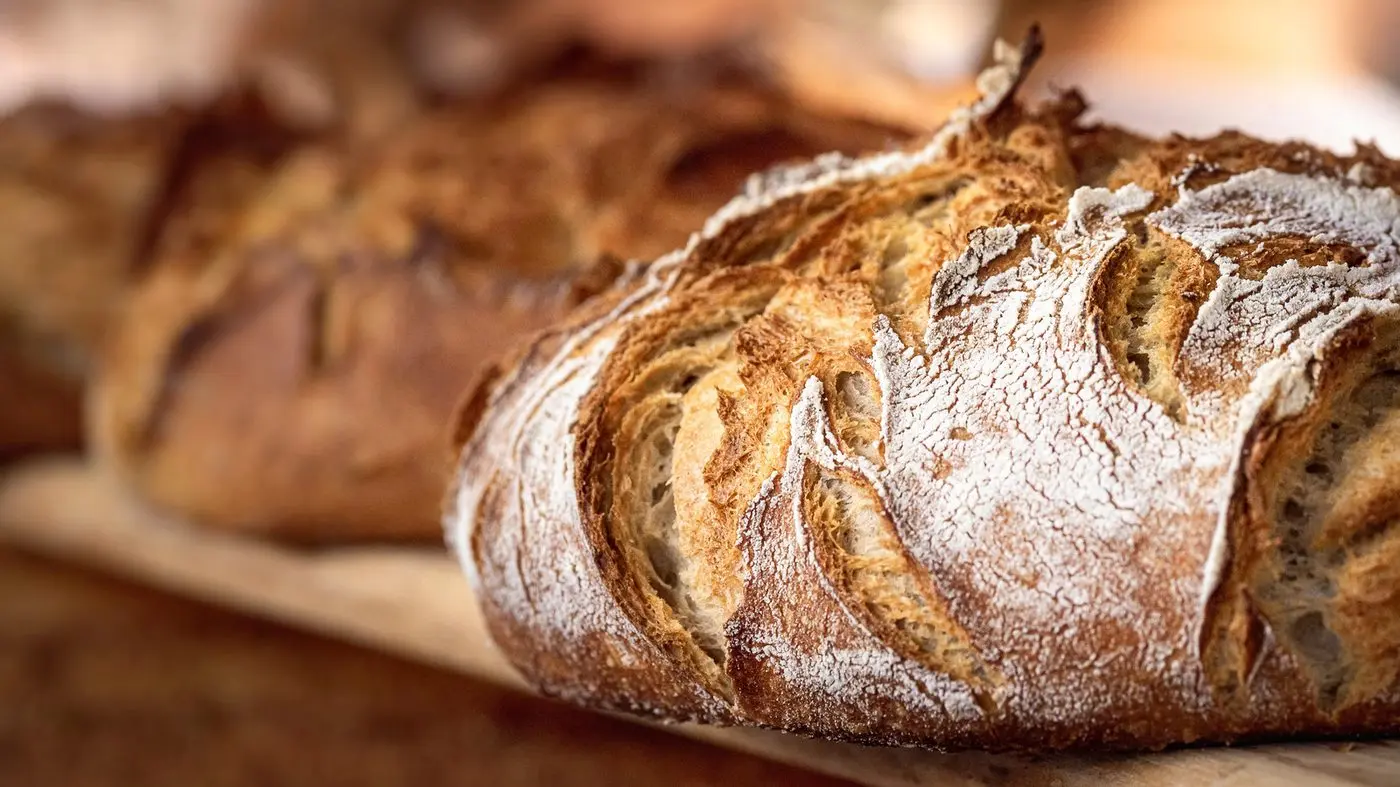
Wheat gluten, native flour starch and fermentation work together. Rye-heavy breads use a different balance of starch, arabinoxylans and acidity.
| Product & formula basis | Ingredient framework & indicative ranges | Process & structure considerations |
|---|---|---|
| White Pan Bread / CBPBaker's % | Bread flour 100; water 58–65; instant dry yeast (IDY) 1–1.7 or fresh yeast 3–5; salt 1.8–2.2; sugar 0–6; fat 0–4. A selected commercial improver direction is 0.3–1.0, with its composition specified. | Match mixing energy and fermentation to the process. A high-energy, no-bulk-fermentation route differs from conventional breadmaking; record dough temperature, proof response and loaf volume. |
| Baguette-style Lean DoughBaker's % | Wheat flour 100; water 68–75; salt around 2; selected yeast and/or levain. No sugar or fat in this lean framework. | Choose flour strength and fermentation before setting yeast dosage. Assess handling, scoring, crust and crumb. A style description does not establish compliance with a protected product name. |
| CiabattaBaker's %; total flour basis | Bread flour 100, optionally including whole wheat 0–10; water 75–85; IDY 0.5–0.7; salt 2–2.2; olive oil 0–3. A biga route may preferment 30–50% of total flour. | Include biga flour and water in the totals. Build strength through mixing and folding, then minimize degassing during division. Evaluate open crumb against handling tolerance. |
| Country SourdoughBaker's %; include levain flour and water | Total flour 100, for example bread flour 80 plus whole wheat 20; total water 70–80; salt 2. A levain addition direction is 15–25 per 100 total flour; specify its hydration and deduct its flour/water from final additions. | Track levain maturity, dough temperature and acidification. Bulk fermentation and cold retard should follow dough development rather than a fixed timetable. |
| Westphalian-style PumpernickelGrain and meal basis | Rye meal/whole rye forms the principal cereal base, with a direction of 90% or more of grain ingredients; water around 80–100 per 100 rye meal; salt around 1.8; selected rye sour. | Soaking, acidification and a long covered bake create a dense texture. Distinguish this style from US-style pumpernickel with added sweetener or color; determine the actual product identity separately. |
| BagelBaker's % | High-strength flour 100; water 55–58; IDY around 1; salt 2; malt ingredient 0–5, with its solids and enzyme activity specified; fat 0. | Control dough firmness, shaping, surface treatment and baking. Compare crust chew and interior density; honey- or malt-water treatments are distinct choices. |
| Pan de CristalBaker's % | Strong bread flour 100; water 90–110; IDY 0.5–1; salt 2; olive oil 2–5. | Staged water addition can help develop a very wet dough. Assess extensibility, gentle handling, open crumb and a thin crisp crust. |
| Roggenbrot / MischbrotBaker's %; total cereal flour basis | Select the rye/wheat split first; mixed-rye directions may use rye 51–89 of total flour 100, with higher-rye designs at 90 or more. Water 70–85; salt 1.8–2; prefermented flour direction 30–50%. | Rye starch and arabinoxylans contribute strongly to structure. Control acidity, flour enzyme activity and cooling before slicing; do not treat rye as a wheat-gluten dough. |
Enriched & Sweet Breads
Egg, fat and sugar affect fermentation and structure. Milk, egg and butter contribute water as well as solids.
| Product & formula basis | Ingredient framework & indicative ranges | Process & structure considerations |
|---|---|---|
| BriocheBaker's % | Flour 100; milk 5–20; osmotolerant IDY 1.2–2; salt 1.8–2.6; sugar 10–22; eggs 35–72. Select a butter level: 30–40, 50–65 or 75–100 for different richness targets. | These butter bands are alternatives. Develop the dough and incorporate butter under temperature control; evaluate fermentation, shaping and fat distribution. |
| Panettone-style Sweet BreadBaker's % unless stated | Strong flour 100; sugar 15–25; salt around 1.8; egg-yolk direction 25–50; maintained natural starter. Butter and dried/candied fruit require a separately balanced product specification. | Account for water from yolks, butter and starter rather than adding a nominal hydration on top. Evaluate staged mixing, starter condition, inclusions and cooling support; no naming standard is asserted here. |
| Shokupan / Milk BreadBaker's % | Bread flour 100; milk 66–76; IDY around 1; salt 1.7–2; sugar 7–10; butter 5–13; egg 0–10. Cream, milk powder or condensed milk are optional separate variants. | Milk addition is not the same as water hydration. Tangzhong or yudane can be explored with their flour and liquid deducted from the total formula; compare crumb softness and slicing. |
| Stollen-style Fruit BreadBaker's % | Flour 100; milk 30–40; osmotolerant IDY 2–3; salt 1.5; sugar 10–15; butter 30–50; dried fruit 40–70; egg 5–10. | Specify fruit soaking and retained liquid. Evaluate fruit distribution, dense crumb and post-bake coating. Product naming and storage need their own assessment. |
| HK Sweet Buns / Bo Lo BaoBaker's %; topping has its own flour basis | Dough: flour 100; milk/water 55–60; IDY 1.5–2; salt 1.5; sugar 12–18; fat 8–12; egg 10–15. Topping: flour 100; sugar 50–60; butter 40–50; egg 10–15. | Calculate topping separately and set a topping-to-dough ratio. This sweet-dough platform supports coconut, custard and other fillings; the cracked pineapple-bun topping does not require pineapple. |
| Concha / Pan DulceBaker's %; topping ratio by mass | Dough: flour 100; milk 50–55; IDY 1.5–2; salt 1.5; sugar 12–18; fat 10–15; egg 15–20. Topping flour:sugar:fat approximately 1:1:1. | Match topping consistency to dough expansion. Score the shell pattern and compare cracking, coverage and crumb texture. |
| Cinnamon RollsBaker's %; filling relative to dough | Flour 100; milk 50–60; IDY 1.5–2; salt 1.8; sugar 10–15; butter 10–20; egg 10–20. Butter/sugar/cinnamon filling may be 20–30% of dough mass. | The filling percentage is not flour-based. Evaluate rolling, portioning, proof expansion and filling leakage; Nordic variants may add cardamom and use different shapes. |
| KulichBaker's % | Strong flour 100; milk 40–50; osmotolerant IDY around 2; salt 1; sugar 15–20; butter 15–20; yolk 15–25; dried fruit added to the chosen specification. | Tall molds and rich dough affect proofing and cooling. Related tsoureki/choreg directions use different aromatics and shapes rather than the same finished recipe. |
Flatbreads & Pizza
Select the specific shaping and cooking route. Thin flatbreads, griddle breads and pan pizzas require distinct handling.
| Product & formula basis | Ingredient framework & indicative ranges | Process & structure considerations |
|---|---|---|
| PitaBaker's % | Flour 100; water around 55; salt around 1.1; yeast preparation selected for the fermentation route. | Sheet uniformly and coordinate proofing with rapid baking. Evaluate pocket formation and flexibility; yeast type and activity must be defined before choosing dosage. |
| NaanBaker's % | Flour 100; water 35; yogurt 25; salt around 1.1; selected yeast; sugar 0–3. Post-bake ghee is a separate addition. | Yogurt contributes water, solids and acidity. Compare extensibility, blistering and tenderness under the actual oven or tandoor conditions. |
| Chapati / RotiBaker's % | Atta flour 100; water around 60; salt 0–1; oil/ghee in dough 0–2. A separate paratha direction adds layering fat around 10–20 on flour. | Resting and sheeting affect puffing and flexibility. Keep unleavened roti, layered paratha and other fried variants as distinct processes. |
| Wheat TortillaBaker's % | Flour 100; water 50–55; salt 1.5–2; shortening/lard 8–12; baking powder 1–2. | Compare hot pressing or sheeting, puffing, foldability and cracking after storage. Set preservation and packaging separately; the formula alone does not define ambient shelf life. |
| InjeraBaker's %; cereal blend 100 | Teff or selected cereal blend 100; water 150–200; an appropriate maintained fermentation culture. No added oil in this direction. | Control fermentation, batter viscosity and the cooked-batter addition where used. Evaluate pore structure and flexibility; wheat/barley blends are not gluten-free. |
| Neapolitan-style PizzaBaker's % | Flour 100; water 55.5–62.5; salt 2.5–3.3; a small, process-specific fresh-yeast addition; no oil or sugar in this lean direction. | Match fermentation time and temperature to yeast activity. Hand forming and oven conditions affect rim expansion; this framework does not certify a protected product designation. |
| New York-style PizzaBaker's % | Strong flour 100; water 60–63; salt 2–2.5; IDY 0.4–1; oil around 2; sugar 1.5–2. | Compare stretching, browning, foldability and reheating. Detroit-style and deep-dish variants need separate hydration, pan fat and baking choices. |
| FocacciaBaker's % | Flour 100; water 70–85; salt 2–2.5; IDY 0.5–1; olive oil in dough 5–10. Surface oil direction 5–10 is an additional flour-based amount. | Keep surface oil and brine separate in the mass balance. Evaluate pan proofing, dimpling, crumb openness and the oil/crust balance. |
Steamed Bakery
Evaluate dough development and steaming together, with filled products assessed as complete foods.
| Product & formula basis | Ingredient framework & indicative ranges | Process & structure considerations |
|---|---|---|
| MantouBaker's % | Flour 100; water 50–55; IDY direction 0.5–1. A separate mildly enriched trial may include sugar 8 and shortening 2. | Evaluate mixing, proof response and steaming for the actual piece size. Compare skin smoothness, volume and firmness after cooling or reheating. |
| Baozi DoughBaker's %; filling relative to wrapper | Flour 100; water 50–55; IDY 0.8–1; sugar 2–8; oil 2–5; salt 0–0.5; optional baking powder 0–1. Filling may be 60–100% of wrapper mass. | Filled-product cooking must address the filling as well as dough texture. Check seam integrity, expansion and collapse after steaming. |
| Siopao / Bánh BaoBaker's % | Flour 100; water/milk 50–55; sugar 8–10; fat 3–5; selected yeast and baking-powder system. | Define filling and leavening preparation before setting dosage. Compare wrapper softness and filling-to-wrapper balance in the actual steaming and holding process. |
Laminated Doughs
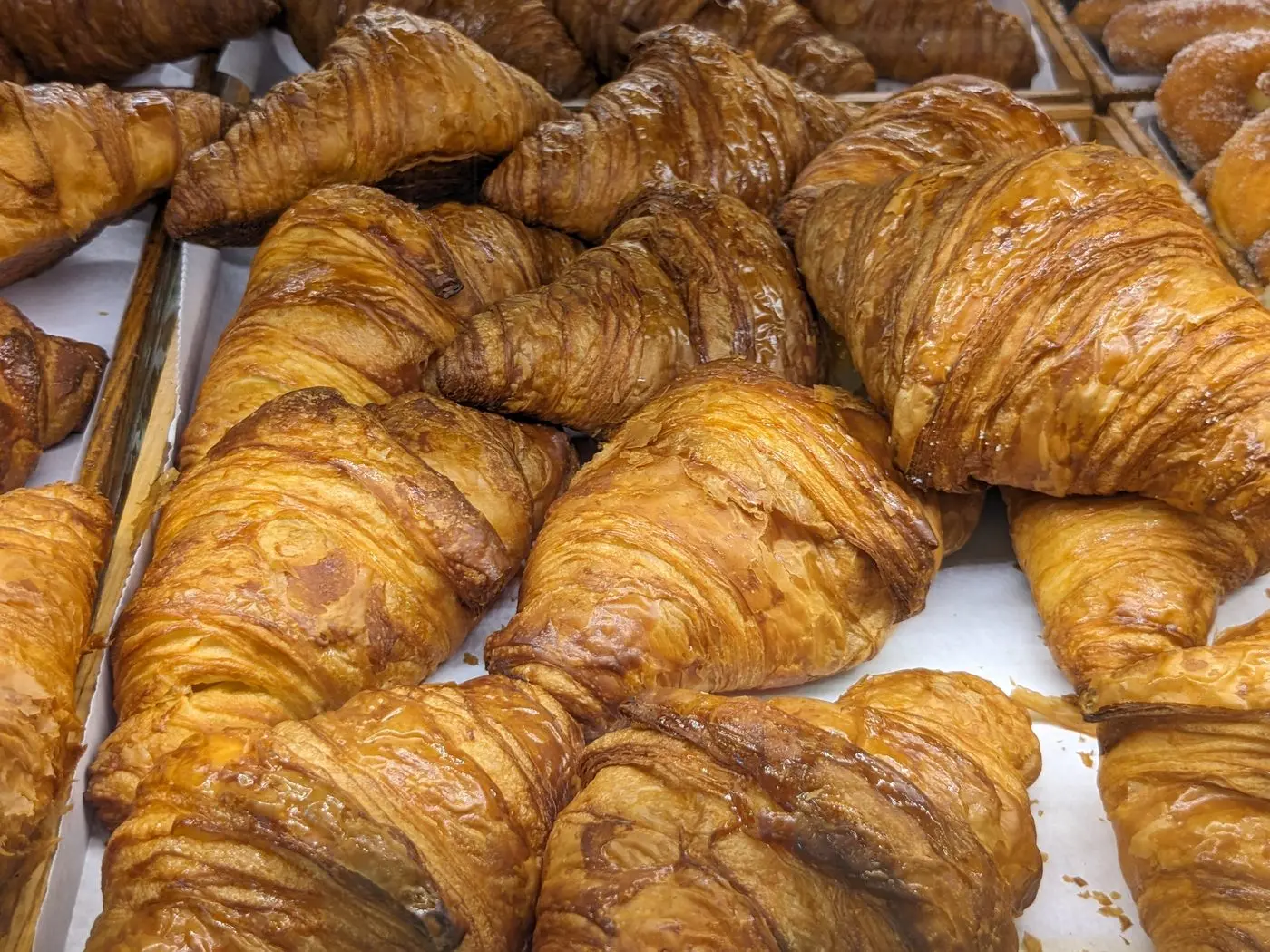
Fat-layer continuity and dough extensibility determine lift. Keep roll-in fat basis separate from flour-based additions.
| Product & formula basis | Ingredient framework & indicative ranges | Process & structure considerations |
|---|---|---|
| CroissantBaker's %; roll-in on base-dough mass | Flour 100; milk/water 58; osmotolerant IDY 1.5; sugar 6; salt 2.2; butter in dough 10. Roll-in butter: 25% of the base-dough mass before lamination. | For this 177.7-part base dough, the roll-in amount is about 44.4 parts per 100 flour. Control dough/fat consistency, resting and proof temperature; compare layer definition and butter leakage. |
| Danish Pastry / WienerbrødBaker's %; roll-in on base-dough mass | A croissant-type dough enriched with egg 10–20 and sugar 10–15 on flour; roll-in fat direction 25–30% of base-dough mass. Remonce butter:sugar:almond paste approximately 1:1:1 by mass. | Select one folding schedule and filling amount. Rebalance liquid when adding egg; assess proofing, lift, filling stability and glaze application separately. |
| Puff Pastry / FeuilletageBaker's % | Base dough: flour 100; water around 40; salt 2; vinegar around 2, with acidity specified; butter in dough 10. One roll-in direction is butter 80 on flour. | That example has about 38.5% total butter in the combined 234-part dough, including base-dough butter. Keep flour-based and total-dough fat percentages distinct. Compare sheeting, resting and steam lift. |
| Phyllo / BaklavaBaker's %; syrup ratio by mass | Phyllo flour 100; water 55–60; oil 3–5; salt 1. Separate layers, nuts and brushing fat are assembled to a defined ratio. Syrup sugar:water direction approximately 2:1 before concentration. | Thin sheets and separation create the layered structure. Starch may serve as dusting material rather than a bulk thickener. Evaluate syrup uptake and crispness in the finished assembly. |
| Water-Dough + Oil-Dough PastrySeparate dough ratios | Water dough contains flour, water and fat. An oil-dough direction is flour:fat 100:50 by mass; establish the water-dough recipe and dough-to-dough ratio separately. | Enclose, sheet and roll to develop layers. Curry puffs and lao po bing use related layering principles but different fillings and cooking processes. |
Cakes & Mooncakes
Foam, emulsion, leavening and heat-setting need to work together. Cake and mooncake styles are separate frameworks.
| Product & formula basis | Ingredient framework & indicative ranges | Process & structure considerations |
|---|---|---|
| High-Ratio Layer CakeBaker's %Starch-focused | Suitable cake flour 100; sugar 100–180; shortening 40–50; water 70–120; egg 60–90; skimmed milk powder 8–12. Select a balanced leavening and emulsifier system for the actual flour. | These are independent ranges, not simultaneous maxima. Flour treatment, emulsification and batter aeration affect support of high sugar/liquid levels. Evaluate batter density, volume and crumb after storage. |
| Chiffon CakeBaker's % | Cake flour 100; total sugar 120–160 split between yolk batter and meringue; oil 50–60; yolk 50–60; water 55–65; egg white 100–115; cream of tartar 0.3–0.6; leavening selected separately. | Control meringue and folding to retain aeration. Compare expansion, setting and supported cooling; whole-egg genoise is a different foam route. |
| Pound CakeBaker's % | Flour 100; butter 100; sugar 100; egg 100; salt around 1; optional baking powder 0–2 and milk 0–10. | Evaluate creaming, emulsion stability and baking for the actual mold. An equal-weight formula does not remove the need to control ingredient temperature and batter density. |
| Castella / KasuteraBaker's % | Strong flour 100; sugar 120–140; egg 180–220; honey or starch syrup 10–20; a small, specified milk addition if used. No added fat or chemical leavener in this direction. | Specify syrup solids rather than substituting all sweeteners equally. Evaluate egg-foam structure and a fine moist crumb; Taiwanese-style variants use a different oil/milk and separated-egg method. |
| Dark Fruit CakeBaker's % | Flour 100; butter 80–100; dark sugar 80–100; egg 80–100; dried fruit 300–500; nuts 30–60; spices and optional alcohol defined separately. | Account for fruit hydration and absorbed liquid. Compare dense-batter support and moisture distribution; alcohol feeding or low apparent moisture does not establish shelf life. |
| Brownies / BlondiesBaker's % | Flour 100; sugar 200–300; fat 100–150; egg 80–120; cocoa 40–60 for selected chocolate versions; baking powder 0–2. | Fat/flour balance, egg and bake endpoint affect fudgy versus cake-like texture. Blondies use a separate flavor and solids balance rather than merely omitting cocoa. |
| Madeleines / Swiss RollBaker's %; separate variants | Madeleine: flour 100; sugar 90–110; egg 100–120; butter 90–110; baking powder 3–4; honey 5–10. Swiss-roll sheet: flour 100; egg 150; sugar 100; fat 0–10. | These are separate formulas. Compare rested-batter expansion for madeleines and flexible thin-sheet texture for rolls; filling moisture also affects roll performance. |
| Cantonese MooncakeWrapper:filling mass ratio | Wrapper:filling directions 2:8 or 3:7; selected variants use 4:6. Lotus/bean paste and optional salted yolk form the filling; define the syrup-based wrapper separately. | Track filling moisture, oil migration and wrapper behavior after baking. Do not infer storage life from the filling ratio or an oil-equilibration period. |
| Snow-Skin Mooncake / Bing PiDry powder blend percentagesStarch-focused | Independent powder directions: glutinous rice flour 35–45%, non-glutinous rice flour 30–35%, wheat starch 15–25%; select values totaling 100%. Milk, sugar and oil are separate additions. Wrapper:filling may be 1:1 by mass. | Cook the wrapper system and assess cooled elasticity, sticking and storage. Wheat starch does not automatically establish gluten-free suitability; chilled and frozen formats require separate assessment. |
Cookies, Biscuits & Crackers
Control spread, layering, drying and moisture pickup. Crisp and soft cookies should not share an assumed moisture target.
| Product & formula basis | Ingredient framework & indicative ranges | Process & structure considerations |
|---|---|---|
| Semi-sweet Sheeted BiscuitsBaker's % | Flour 100; added water 20–25; sugar 15–25; fat 10–18; a selected bicarbonate/leavening system. | Control dough development, resting and sheeting. A finished-moisture direction of 1–3% is a texture target to verify, not a complete preservation specification. |
| Short Dough / Rotary-moulded BiscuitsBaker's % | Flour 100; added water 5–15; sugar 20–35; fat 20–35. Selected short-texture variants may replace part of the flour blend with rice flour or native starch. | Limit unwanted gluten development and compare mold release, spread and snap. A selected moisture direction is 2–3%; assess moisture pickup in the actual package. |
| Wire-cut / Drop CookiesBaker's % | Flour 100; water 5–15; sugar 40–70; fat 25–40; egg 0–15; inclusions 20–40; leavening adjusted to the complete formula. | Specify sugar and syrup composition. Compare depositability, spread and crisp versus soft centers; water activity must be measured independently from moisture. |
| WafersBaker's %; separate sugar stylesStarch-focused | Flour 100. Low-sugar direction: water 120–160, native starch 0–12, sugar 0–4. High-sugar direction: water 100–140, starch 0–5, sugar 25–75. Oil 0.5–6 and lecithin 0.2–1.5 are grade-specific trial directions. | Keep the two styles separate. Evaluate batter flow, plate release, sheet strength and drying; a selected final-moisture direction is 1–2%. Cream filling requires its own formula. |
| Soda Crackers / SaltinesBaker's %; total flour 100 | Sponge flour 70 and water 35, with a defined yeast/culture system; final-dough flour 30, fat 5–12, salt 1.5–1.9 and bicarbonate adjusted to developed acidity. | Count sponge ingredients in the total. Evaluate fermentation, neutralization, lamination and bake profile; cream crackers and water biscuits use distinct fat and fermentation routes. |
| MacaronsRatios with stated bases | French-style direction, egg white 100: granulated sugar 37, almond flour 120, icing sugar 200. Italian-style direction, almond flour 100: icing sugar 100, initial egg white 50; meringue components sugar 100, water 40, egg white 40. | These ratios use different bases and must not be merged. Evaluate meringue, macaronage, skin formation and moisture exchange with the actual filling. |
| Speculoos / SpeculaasBaker's % | Flour 100; brown/candy sugar 35–45; fat 20–30; water/milk 5–10; bicarbonate around 1; spice blend 1–3. | Compare molding, spread, snap and spice release. A selected final-moisture direction is 2–4%; a biscuit spread is a separate ground-biscuit/oil system. |
| Biscotti / ANZAC / RuskBaker's %; separate variants | Biscotti: flour 100, sugar 50–60, egg 30–40, almonds 25–35, baking powder 1–2. ANZAC direction: flour 100, oats 90, sugar 90, coconut 60, butter 100, golden syrup 15. Rusk starts with a separately formulated baked loaf. | Biscotti and rusk use a second drying bake. Compare fracture and moisture pickup; the ANZAC ratio requires its own hydration and mixing decisions. |
Fried Bakery
Leavening, internal cooking, crust formation and oil uptake require coordinated trials.
| Product & formula basis | Ingredient framework & indicative ranges | Process & structure considerations |
|---|---|---|
| Yeast DoughnutsBaker's % | Flour 100; fresh compressed yeast 4–9; water 45–55; shortening 9–16; sugar 5–14; salt 1.5–2.2; milk powder 1–6; egg selected to suit the chosen formula. | Fresh yeast is not interchangeable by weight with IDY. Evaluate proof, frying, drainage and coating; measure oil uptake instead of assuming a fixed finished percentage. |
| Cake DoughnutsBaker's % | Flour blend 100, for example bread flour 25 plus cake flour 75; sugar 39.3; egg 31.3; shortening 10.7; milk powder 12.5; baking powder 4.1; salt 1.7; added water 14.4. | Egg contributes additional water. Compare batter rest, deposit shape, expansion and internal cooking under the actual frying process. |
| Berliner / KrapfenBaker's %; filling relative to finished unit | Flour 100; milk 45–50; IDY 1.5–2; sugar 10–12; butter 10–15; yolk 10–15; salt 1.5. A filling direction is 15–20% of the final filled unit. | Keep filling percentage distinct from flour basis. Evaluate proofing, frying, injection and moisture exchange with jam or cream. |
| Churros / YoutiaoBaker's %; separate doughs | Churro direction: flour 100, water 160–170, salt 1, sugar 0–5, fat 0–10. Youtiao direction: flour 100, water 60–65, salt 1.5, oil 2, with a separately selected leavening system. | These are different structures. Assess the hot-water paste for churros and paired-strip expansion for youtiao; establish appropriate frying and internal-cooking conditions for each. |
Quick Breads & Batters
Short mixing and the balance of acid and leavening affect batter stability and final texture.
| Product & formula basis | Ingredient framework & indicative ranges | Process & structure considerations |
|---|---|---|
| American MuffinsBaker's % | Flour 100; sugar 40–70; oil/butter 25–40; egg 20–30; milk 60–80; baking powder 5–7; salt around 1.5. | Select a balanced combination and avoid excess mixing. Compare batter depositability, doming, crumb and inclusions in chilled, fresh or frozen-batter formats. |
| Scones / Soda BreadBaker's %; separate variants | Scone: flour 100, butter 12–20, sugar 8–15, milk/buttermilk 55–65, baking powder 5–6, salt 1. Soda bread: flour 100, buttermilk 75–85, bicarbonate 1.5–2, salt 1.5–2. | Acid-neutralization and leavener strength need verification. Compare short handling for scones with the mix-to-bake timing of soda bread. |
| Pancakes / WafflesBaker's %; separate variants | Pancake: flour 100, milk 110–130, egg 25–35, sugar 10–20, oil 10–15, baking powder 5–6, salt 1.5. Brussels waffle: flour 100, milk 120–140, egg 40–60, butter 30–40. Liège directions use an enriched yeast dough with pearl sugar 30–40 on flour. | Define aeration/leavening for each format. Compare batter flow, plate release, surface color and crispness; pearl sugar changes both handling and caramelization. |
Pies, Tarts, Choux & Meringue
Separate wrapper, filling and setting mechanism. A pastry formula does not establish filled-product cooking requirements.
| Product & formula basis | Ingredient framework & indicative ranges | Process & structure considerations |
|---|---|---|
| Shortcrust / Pâte BriséeFlour:fat:water mass ratio | A 3:2:1 ratio corresponds to flour 100, fat 66.7 and water 33.3. Broader fat 50–66 and water 25–33 directions allow style variation; salt 1–2 on flour. | Control fat-particle size, mixing and resting. Sweet pastry is a separate route, with butter 50–60, icing sugar 30–40 and egg/yolk 15–25 on flour. |
| Hot-water CrustBaker's % | Flour 100; lard 30–35; water 35–40; salt 2. | Work the heated-fat/water dough at a suitable consistency. Evaluate free-standing shape and crust strength; meat filling and any added jelly need their own cooking and storage controls. |
| Choux PastryBaker's % | Flour 100; water or water/milk 160–200; butter 75–100; egg 140–200; salt 1–2; sugar 0–3. | Cook the panade, account for evaporative loss, and add egg to the required paste consistency rather than a fixed maximum. Evaluate expansion, cavity and drying before filling. |
| Meat Pie — AU/NZ StyleSeparate crust and filling systemsStarch-focused | Bottom-pastry fat direction 40–50 on flour 100; laminated top pastry specified separately. Meat/gravy filling may use flour or a suitable starch thickener. | Balance filling and crust masses, and assess water migration and lid sealing. Cooking requirements must cover the actual filling, portion and process. |
| Meringue / PavlovaSugar:egg-white mass ratio | A basic meringue direction uses sugar:egg white 2:1. Pavlova may include native corn starch at 2–3% of sugar mass plus a defined acid addition. Dacquoise adds nut flour as a separate formulation. | French, Swiss and Italian meringues have different preparation routes. Assess foam, drying and the intended soft or crisp center; ingredient-heating examples are not pasteurization guarantees. |
Gluten-free Bakery
Powder blends, proteins, hydrocolloids and hydration replace some functions of wheat dough. Ingredient suitability and texture are separate checks.
| Product & formula basis | Ingredient framework & indicative ranges | Process & structure considerations |
|---|---|---|
| Gluten-free Bread — Rice / CassavaPowder blend = 100Starch-focused | Rice flour 45, tapioca starch 45 and soy flour 10; water around 75 on the blend is one starting direction. Screen a selected hydrocolloid and hydration together; HPMC directions around 1–2.2 on powder represent separate trials. | Higher hydration may require a different binder level and handling route. No single binder dosage is universally optimal. Verify ingredient gluten status and process controls separately from texture development. |
| Gluten-free Bread — Whole-mix ExampleTotal initial-mix %Starch-focused | GF flour blend 14.85; rice flour 13; corn starch 6.33; potato starch 6.33; psyllium 2.6; HPMC 1.6; pea protein 1; oil 5.8; sugar 2.2; salt 1.15; yeast preparation 1.6; water 43.54. Total 100%. | The water balances rounding in the ingredient list. These are initial-mix percentages, not post-bake composition. Define the flour blend and yeast preparation, then evaluate hydration, proofing and baking. |
| Gluten-free Cake / Cookie / FlatbreadPowder-basis trial directionsStarch-focused | Cake directions may explore rice flour:potato/tapioca starch 1:1 with xanthan 0.3–0.5 on powder. Cookie directions may trial xanthan 0.2–0.4. A flatbread binder direction is psyllium 3–5 on powder, with water optimized separately. | These are separate product trials, not drop-in substitutes for every wheat recipe. Rebalance liquids, protein, aeration and structure, and verify gluten-free requirements independently. |
Frozen Dough, Par-baked & Premixes
Define frozen, par-baked or dry-mix delivery format before adjusting the formulation.
| Product & formula basis | Ingredient framework & indicative ranges | Process & structure considerations |
|---|---|---|
| Frozen DoughBaker's % development adjustmentsStarch-focused | Select appropriate flour strength; illustrative fat direction 3–8 and salt 1.8–2 on flour. Yeast type, water and sweetener changes should be compared against the unfrozen control rather than automatically multiplied. | Measure freeze/thaw damage, fermentation response and final volume. Define unproofed versus preproofed formats and the cold chain; improvers and starch are optional, grade-specific tools. |
| Par-baked / Bake-offProcess framework | Start with a defined bread formula. Specify first-bake mass loss, degree of set, color, cooling, storage and the final bake rather than a nominal percentage of baking time. | Compare crust fracture, crumb firmness and reheated quality. A thaw-and-sell loaf is a different format from a loaf requiring a final bake. |
| Mixes & PremixesAddition basis varies by formatStarch-focused | Full mixes provide the defined dry formulation; cake concentrate directions 5–20 on flour, bread-improver concentrates 1–5 on flour, specialty grain premixes 10–50 on flour. These are distinct product classes. | State what the customer must add and whether the percentage refers to total or added flour. Check homogeneity, hydration, leavening and storage; supplier concentrates cannot be interchanged by dosage alone. |
Fillings, Creams, Icings & Glazes
State the base for each percentage or ratio. Fillings and glazes are not usually expressed on bread-flour basis.
| Product & formula basis | Ingredient framework & indicative ranges | Process & structure considerations |
|---|---|---|
| Crème PâtissièreBatch masses | Milk 500 g; sugar 100 g; yolk around 90 g; native corn starch 45–50 g; butter 50 g. Initial total: 785–790 g; starch is about 5.7–6.3% of that mix. | Evaluate starch cooking, egg-protein behavior, cooling and hygienic handling. Diplomat, mousseline and chiboust creams add different aerated or fat phases and need separate ratios and storage validation. |
| Bake-stable Custard CreamTotal-mix % directionsStarch-focused | Milk/water base; sugar 20–30%; suitable modified starch 4–7%; vegetable fat 5–12%; milk solids and optional egg; balance the complete mix to 100%. | Compare cook-up and cold-prepared grades separately. E1414 or E1442 may be candidates; evaluate deposit shape, bake-out, smoothness and freezing performance in the actual pastry. |
| ButtercreamsRatios with stated bases | American-style direction, butter 100: icing sugar 200 and milk 5–10. Meringue-style direction: sugar:egg white 2:1, with butter 150–200 per 100 egg white. German-style custard:butter around 1:1. | These are separate structures. French styles use a yolk-syrup base; ermine uses a cooked flour/milk paste. Evaluate aeration, stability and serving temperature for the selected system. |
| Ganache / Mirror Glaze / FondantMass ratios; separate systems | Chocolate:cream directions: dark 2:1 to 1:1, milk chocolate 1.5:1, white 2.5–3:1. Pouring fondant, sugar 100: water 33–40 and glucose/invert syrup 10–15. Royal icing, icing sugar 100: egg white/prepared equivalent 15–18. | Chocolate composition and syrup solids affect the result. Mirror glaze adds a separately balanced gelling system; select application temperature and storage from the actual formulation. |
| Water Icings & GlazesTotal-mix % directionsStarch-focused | Selected glaze direction: water 20–25%, sugar 70–75%, other ingredients to balance. Selected icing direction: water around 15%, sugar around 80%, balance specified separately. | Evaluate sugar crystallization, drying, migration into the baked base and freeze/thaw behavior. A suitable pregelatinized starch may be tested for a defined stabilization role. |
| Bean & Lotus PastesRatio basis must specify raw material state | Red-bean basis 100: sugar 60–100, optional oil 15–25. Lotus-seed basis 100: sugar 80–110, oil 25–40. Define whether the bean/seed basis is dry, soaked or cooked before using these directions. | Hydration and concentration greatly change yield. Compare smooth versus coarse pastes, oil release and migration into the wrapper; do not infer shelf life from a generic solids range. |
| Bake-stable Fruit FillingsTotal-mix % directionsStarch-focused | Independent directions: sugar 30–40%, water 40–60%, suitable starch 3–4.5%, fruit, acid and other ingredients adjusted within a complete 100% formula. | Do not combine the upper ranges. Fruit contributes its own water and solids; evaluate deposition, bake-out and water migration. See the jam and fruit guide for additional product frameworks. |
| Kaya / Coconut–Egg SpreadCoconut-milk basis = 100Starch-focused | Coconut milk 100; egg 80–100; sugar 80–100; pandan or a selected caramel flavor direction. Define coconut-milk solids and fat. | Egg and coconut structure differs from a fruit-pectin gel. Evaluate heating, emulsion stability and the intended storage route; industrial starch-containing versions require separate trials. |
Preferments & Flour Scalds
Allocate preferment and scald ingredients within the total formula; do not add their flour and water twice.
| Product & formula basis | Ingredient framework & indicative ranges | Process & structure considerations |
|---|---|---|
| Poolish / Biga / LevainPreferment flour and total-flour bases | Poolish flour:water 1:1; biga hydration 55–65%. Selected yeast preferments may use IDY 0.1–0.25% of preferment flour and include 20–40% of total recipe flour. Levain hydration may be 100% or 50–60%, depending on style. | Define culture maturity and fermentation conditions. Count all preferment flour, water and salt in the final dough; preferment mass percentage is not the same as prefermented flour percentage. |
| Tangzhong / YudaneFlour allocation within total formula | Tangzhong flour:liquid 1:5, with flour allocation around 5–7% of total flour. Yudane flour:water 1:1, with flour allocation around 20% of total flour. | Deduct both flour and liquid from the final additions. These are flour-scalding/gelatinization methods rather than automatically modified-starch additives; evaluate handling, softness and storage texture. |
Choose the Structure Before the Stabilizer
Gluten, egg foam, fat layers, starch gels and sugar systems perform different roles. Start with the structure that defines your product.
Select a Bakery Development Scenario
Choose a format to see which questions to resolve first.
| Product | Main structure | Development focus |
|---|---|---|
| Lean wheat bread | Gluten network, gas retention and flour-starch setting | Optimize flour, hydration and fermentation before adding a texture ingredient. |
| Rye-heavy bread | Rye starch, arabinoxylans and acidity | Account for flour enzyme activity, souring and post-bake cooling. |
| Laminated pastry | Dough sheets, separated fat layers and steam | Maintain layer continuity through sheeting, proofing and baking. |
| Cakes | Foam/emulsion supported by protein and starch setting | Measure batter density and check collapse, crumb and storage texture. |
| Custard / fruit fillings | Starch and/or other gelling systems | Match hydration, cooking and shear to the desired depositing and eating texture. |
| Cookies / crackers | Fat/sugar system, limited hydration and drying | Evaluate spread, fracture and moisture pickup; added starch may modify shortness. |
| Gluten-free dough | Flour/starch, protein and hydrocolloid system | Rebalance hydration and handling for the selected blend. |
| Choux / scalded flour | Pre-cooked flour paste, egg and steam expansion | Control paste cooking and moisture before adding egg or remaining dough ingredients. |
Match Starch & Improvers to a Specific Function
Clarify dosage basis, ingredient activity and the problem to solve. Trial directions are not universal recipes or Tianjiang grade specifications.
| Ingredient system | Application | Indicative basis / range | What to evaluate |
|---|---|---|---|
| E1414 / E1422 / E1442 | Selected custard and fruit fillings | Custard trial direction 3–7% of total mix; selected fruit filling 3–4.5%. | Compare actual grade, heat/shear exposure, bake-out and water release. These modifications are not interchangeable guarantees. |
| Modified / pregelatinized starch | Selected cakes and premixes | Illustrative 1–5% on flour; clarify replacement versus addition. | Rebalance liquids and evaluate aeration, crumb, flexibility and storage. |
| Cold-swelling starch | Cold-prepared fillings, icings and glazes | Illustrative 1–5% of a selected icing/glaze mix. | Confirm instant hydration from the grade specification. Test drying, opacity and moisture migration. |
| Native starch | Wafers and selected short biscuits | Wafer direction 0–12 on flour; selected biscuit powder replacement 5–20%. | Specify botanical source and the flour-replacement basis. Evaluate release, sheet strength and shortness. |
| Starch blends / selected binders | Gluten-free bakery | Use the complete blend; selected premix directions may include pregelatinized starch 2–10% of dry mix. | The dry-mix basis differs from wet-batter percentage. Optimize hydration with binder and protein. |
| Flour scald / native flour starch | Tangzhong, yudane and choux | Allocate flour and liquid within the total recipe. | Pre-cooking flour is a process choice and does not automatically mean a modified-starch additive. |
| Native dusting starch | Phyllo and selected sheeted products | Use the amount required for the actual sheeting/release process. | Account for retained dusting material. A surface-release function differs from bulk thickening. |
| Selected starch grade | Frozen enriched dough | Illustrative screening direction 0.5–2 on flour for selected designs. | Compare against a control through freezing, thawing, proofing and baking; do not assume an automatic benefit. |
Improvers & Enzymes: Read the Active Basis
| System | Dose basis | Development question |
|---|---|---|
| Ascorbic acid | Selected flour-based screening directions: 20–75 ppm | Compare dough strength and gas retention with the actual mixing and fermentation route. |
| DATEM / E472e | Illustrative 0.2–0.5 on flour | Assess dough behavior, loaf volume and texture; verify suitability for the intended product. |
| SSL / CSL | Illustrative 0.25–0.5 on flour | Evaluate the specified ingredient and the complete emulsifier system. |
| Mono-/diglycerides / E471 | Illustrative 0.5–1 on flour | Compare crumb softness and staling with the actual grade and dispersion method. |
| Lecithin / E322 | Illustrative 0.3–1 on flour | Assess processing, release and the selected emulsion system. |
| Amylases / xylanases / other enzymes | Dose by specified enzyme activity and supplier preparation | Do not transfer a mass dose between enzyme preparations. Evaluate process tolerance and finished texture. |
| Complete commercial improver | Selected bread direction 0.3–1 on flour | A blend dose is not the sum of every individual ingredient range. Check its composition and intended use. |
| Mold-control system | Product- and market-specific; no universal dose assigned | Validate with the formulation, hygiene, package and distribution conditions; a soft crumb is not evidence of microbiological shelf life. |
Regional Specialties Built on Familiar Doughs
Preserve local identity while recognizing the parent dough, batter or filling system. Regional associations are not exclusive origins.
| Region | Products / local names | Formulation distinction |
|---|---|---|
| France | Fougasse / Gâche / Pain au Lait | Fougasse develops a lean or olive-oil dough through leaf-shaped cuts and inclusions. Gâche uses a richer cream/aromatic direction; pain au lait emphasizes milk in an enriched dough. |
| Germany & Austria | Hefezopf / Butterkuchen / Baumkuchen / Printen | Braided enriched dough, enriched sheet dough with butter/sugar topping, layer-roasted cake batter and spiced biscuit dough are separate parent systems. |
| Italy | Taralli / Cannoli Shells | Taralli uses a flour/wine/oil dough with a distinct cooking sequence. Cannoli shells use a separately formulated thin fried dough around a tube. |
| UK & Ireland | Eccles Cakes / Lardy Cake / Barmbrack / Tea Cakes | Compare puff pastry with currant filling, fat/sugar-laminated bread, tea-soaked fruit bread and lightly enriched fruit buns. |
| Iberian Peninsula | Magdalenas / Sobao / Tarta de Santiago | Muffin-like lemon batter, rich butter sponge and almond/egg/sugar cake use different structures. Verify ingredient and handling suitability before any gluten-free claim. |
| Nordic Countries | Lussekatter / Semla | Saffron-enriched buns and cardamom buns filled with almond paste and whipped cream build on related sweet-dough platforms; the cream changes storage requirements. |
| Eastern Europe | Pirozhki / Rogale Świętomarcińskie / Kołacz / Sękacz | Filled bread directions may use filling at 40–60% of final unit mass. Laminated poppy-seed crescents and spit-roasted layer cakes are distinct processes. |
| Middle East | Ka’ak / Maamoul / Qatayef | Sesame rings, filled short semolina dough and folded batter pancakes require separate formulas. Maamoul filling directions may be 30–40% of the unit; a qatayef batter direction uses water around 150 on flour. |
| South Asia | Osmania / Karachi Fruit Biscuits | Short biscuit doughs differ in salt/sugar balance, surface treatment and candied-fruit or nut inclusions. |
| East & Southeast Asia | Lao Po Bing / Feng Li Su / Pineapple Tarts | Layered dual dough surrounds selected winter-melon fillings; pineapple pastries use short crust with a concentrated fruit filling, sometimes 55–60% of unit mass. |
| Latin America | Alfajores | A maicena-style biscuit may use corn starch at 50–70% of its flour/starch blend, paired with dulce de leche. Evaluate the shell and filling together. |
| North America | Southern Biscuits / Texas Kolaches / Hawaiian Rolls | Short folded biscuit dough may use fat 20–25 on flour. Fruit/cheese-filled sweet dough and pineapple-flavored enriched rolls require separate hydration and filling decisions. |
| Oceania | Melting Moments / Lamingtons | Selected short biscuits use corn starch at 25–30% of the flour/starch blend with buttercream filling. Lamingtons use a sponge, coating and coconut assembly. |
Connect Formula, Process & Finished Texture
Use consistent methods to compare candidates and record both processing behavior and the food people will eat.
Test the Complete Bakery Product
A soft filling can make a crisp shell soggy; a strong dough can still lose volume after freezing. Compare each component and the assembled product under the intended storage and serving conditions.
Record ingredient specifications, formula basis, actual yield and processing changes so that trial results remain comparable.
| Stage | What to record | How to use the result |
|---|---|---|
| Mixing & hydration | Dough temperature, mixing energy, flour absorption and inclusion order | Compare development and handling before changing water or improver levels. |
| Fermentation & proofing | Yeast type, preferment maturity, dough temperature and observed expansion | Adjust to actual activity and product format rather than transferring a fixed time. |
| Lamination & sheeting | Dough/fat consistency, thickness, folds and resting | Check tearing, fat smearing, shrinkage and lift in the finished bake. |
| Baking, steaming or frying | Piece mass, filling, equipment profile and internal cooking | Develop a process for the complete product. A nominal oven or oil temperature alone does not establish completion. |
| Cooling & filling | Cooling sequence, hygiene, component temperatures and moisture gradients | Measure migration and loss of crispness after assembly, not only in isolated components. |
| Freezing & bake-off | State at freezing, storage conditions, thaw/proof/final-bake route | Compare volume, layer definition, cracking and texture through the actual chain. |
| Finished-product evaluation | Yield, moisture, water activity where relevant, texture and package performance | Validate sensory and microbiological suitability for the intended distribution; no universal shelf life is assigned. |
Bakery Formulation Questions
Resolve the calculation basis and development target before scaling a trial.
Why do baker’s percentages exceed 100%?
The flour is the 100% reference. Every other ingredient is expressed relative to that flour mass, so total dough parts exceed 100. For a target dough mass, divide by total parts, then multiply by each ingredient’s parts.
How should I count flour and water in a preferment?
Include them in the total formula. Subtract the preferment flour and water from final-mix additions; state the preferment hydration and distinguish preferment mass from prefermented flour percentage.
Is milk percentage the same as hydration?
No. Milk contains water and solids. Eggs, butter, syrups and fruit also contribute varying amounts of water. Calculate from ingredient composition when the distinction matters.
Does every bakery product need modified starch?
No. Many bread, pastry and cake structures rely on flour, gluten, egg and fat. Modified or pregelatinized starch can be evaluated for defined functions, especially in selected fillings, glazes, frozen formats and gluten-free systems.
What does Starch-focused mean?
It marks frameworks where starch is a significant ingredient or a possible development tool. It does not imply that modified starch is mandatory or that a particular grade is guaranteed to perform.
Are these ready-to-produce formulas or shelf-life specifications?
No. They are indicative frameworks with explicit measurement bases. Define a complete formula and validate ingredient suitability, processing, packaging and storage for the actual product.
What should I send to Tianjiang?
Share the bakery product and component, formula basis, flour/starch and other ingredient specifications, process and storage route, and the texture or stability issue you want to solve.
Discuss Your Bakery Formulation with Tianjiang
Share the product, component and target texture to start a formulation discussion.
Discuss My Formulation →- Product and dough, batter or filling type
- Formula basis and ingredient specifications
- Mixing, proofing, cooking and filling sequence
- Fresh, frozen or bake-off format
- Texture target and storage challenge