
Modified Starch Technical Articles
Explore modified starch technical articles covering starch modification technology, industrial processing, functional properties, food processing and industry insights. This resource center connects starch science with practical formulation and manufacturing decisions for food developers, technical teams and ingredient buyers.

Explore the Modified Starch Knowledge System
The Technical Articles section is organized as a connected learning system. Start with starch modification technology, continue into manufacturing and functional behavior, then move toward food-processing practice and wider industry considerations.

Modified Starch Technology
Understand how chemical, physical and enzymatic modification changes starch structure and creates different functional behaviors.
Explore Technology →
Starch Processing
Follow the production logic behind starch modification, including raw materials, processing stages and manufacturing controls.
Explore Processing →
Functional Properties
Compare viscosity, heat stability, shear resistance, freeze-thaw performance, texture, clarity and cold-water functionality.
Compare Properties →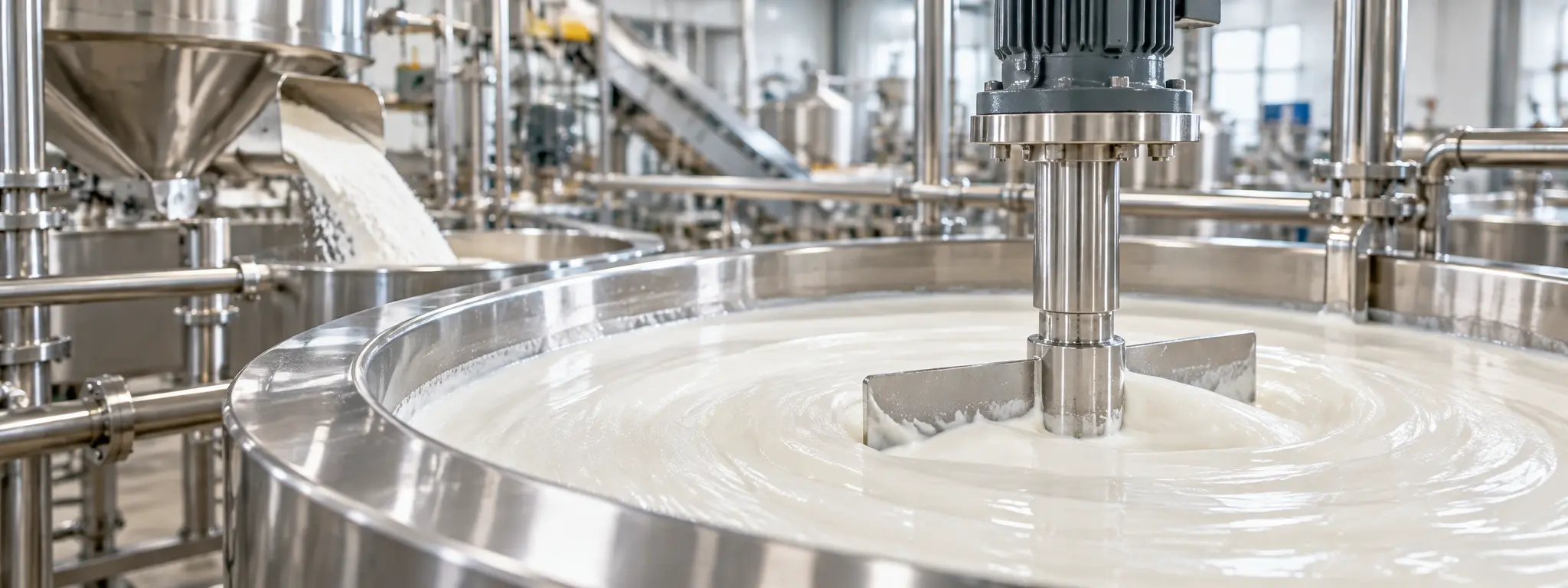
Food Processing
Learn how modified starch is selected, dispersed and used under real food-processing conditions.
Explore Food Processing →
Industry Insights
Connect technical developments with formulation trends, processing requirements, procurement considerations and supply decisions.
Explore Industry Insights →From Starch Science to Commercial Food Processing
If you are new to modified starch, follow these five articles in sequence. Each stage answers a different technical question and leads naturally into the next.
How Is Starch Modified?
Begin with modification mechanisms, starch structure and technology types.
Modified Starch Technology →How Is It Manufactured?
Move from molecular modification into real production and process control.
Starch Processing →What Functional Properties Change?
Compare how modification affects heat, shear, viscosity, texture and storage.
Functional Properties →How Is It Used in Food?
Translate starch functionality into dosage, mixing and food-processing decisions.
Food Processing →What Does the Industry Need Next?
Connect technical knowledge with application, supply and market changes.
Industry Insights →Which Technical Article Should You Read?
If you already have a formulation or processing problem, use these questions to move directly to the most relevant article.
Why do different modified starches behave differently?
Learn how cross-linking, substitution, oxidation and physical treatment change starch structure.
Read Modified Starch Technology →How is modified starch produced at industrial scale?
Review raw materials, treatment, drying, sieving and process-control considerations.
Read Starch Processing →Which starch can tolerate heat, shear or freezing?
Compare the major functional properties used to select starch for different manufacturing environments.
Read Functional Properties →How should modified starch be added to food?
Review dosage, dry premixing, dispersion and interactions with food-processing conditions.
Read Food Processing →What should buyers consider beyond starch price?
Consider working dosage, consistency, supply reliability, documentation and application support.
Read Industry Insights →Which starch is suitable for my formulation?
Start with functional requirements, then confirm performance through real formulation testing.
Discuss Your Application →Key Topics Covered Across Our Technical Articles
The modified starch technical articles connect molecular structure, production technology, functional performance and practical food formulation.
Starch Modification Chemistry
Cross-linking, etherification, esterification, oxidation and combined modification systems.
Industrial Processing
Raw-material handling, reaction, washing, drying, sieving and production consistency.
Viscosity & Texture
Thickening, body, mouthfeel, elasticity, cling and texture optimization.
Heat & Shear Stability
How starch systems respond to heating, mixing, pumping and homogenization.
Freeze-Thaw Stability
Water retention, syneresis, frozen storage and texture after thawing.
Food Formulation
Dosage, dispersion, hydrocolloid combinations and processing sequence.
Clean-Label Development
Functional requirements, physically modified systems and formulation validation.
Industry & Supply Trends
Application demand, procurement considerations and supply-chain requirements.
How the Five Technical Articles Connect
The articles are designed to answer one continuous chain of technical questions—from what changes inside the starch molecule to how that starch ultimately performs in a commercial food product.


Modified Starch Technical Articles FAQ
Use these questions to identify where to begin within the Tianjiang modified starch technical library.
Start with Modified Starch Technology to understand how modification changes starch structure. Then continue to Starch Processing and Functional Properties before moving into Food Processing and Industry Insights.
Modified Starch Technology introduces the main modification approaches, while Functional Properties explains how those modifications affect heat stability, shear resistance, clarity and freeze-thaw performance.
Functional Properties is useful when the problem involves heat, shear, freezing, viscosity or texture. Food Processing is better when the question involves dosage, dispersion, processing sequence or hydrocolloid combinations.
Yes. The Food Processing article connects modified starch functionality with real manufacturing conditions, addition methods, typical working ranges and formulation considerations.
Industry Insights focuses on how processing trends, application requirements, supply consistency, technical support and commercial considerations influence starch selection.
Yes. Providing your food category, formulation, processing temperature, pH, shear conditions, storage method and target texture helps narrow the technical requirements for further testing.
Turn Technical Knowledge Into a Better Starch Selection.
Tell us your product type, formulation conditions, processing method and target performance. Our team can help connect the technical principles in these articles with a suitable modified starch direction for your application.