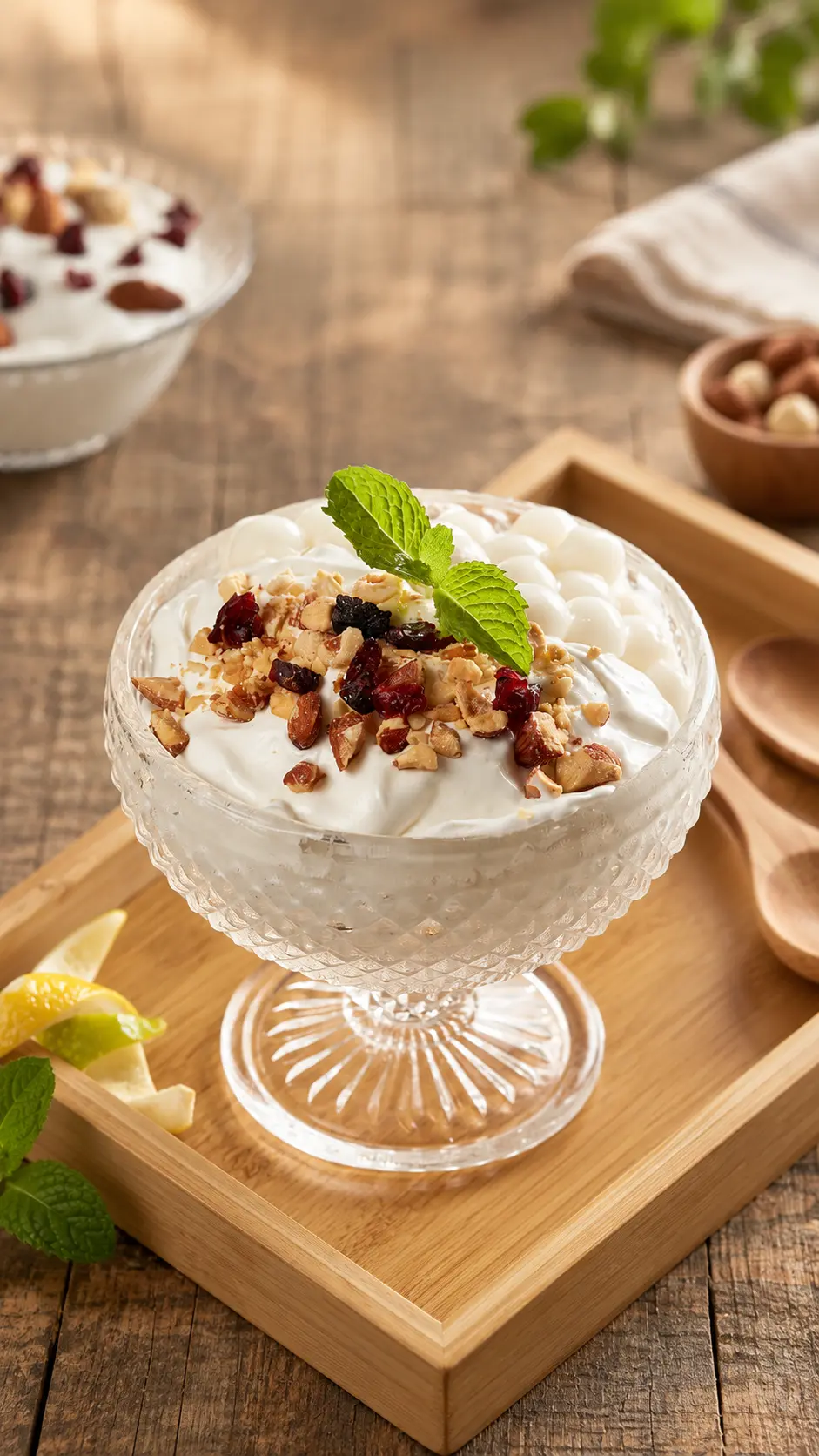
FOOD-GRADE STARCH · PROCESSING PERFORMANCE · APPLICATION SUPPORT

modified starch powder

FUNCTIONAL SOLUTIONS FOR FOOD PROCESSING

MATCH STARCH PERFORMANCE TO YOUR PROCESSING CONDITIONS

Choose starch functionality according to the conditions your formulation actually faces — including heat, mechanical shear, acidity, salt, freezing, storage and texture requirements.
01
IDENTIFY Processing challenge
02
MATCH Required functionality
03
SELECT Suitable starch technology
PROCESS PERFORMANCE
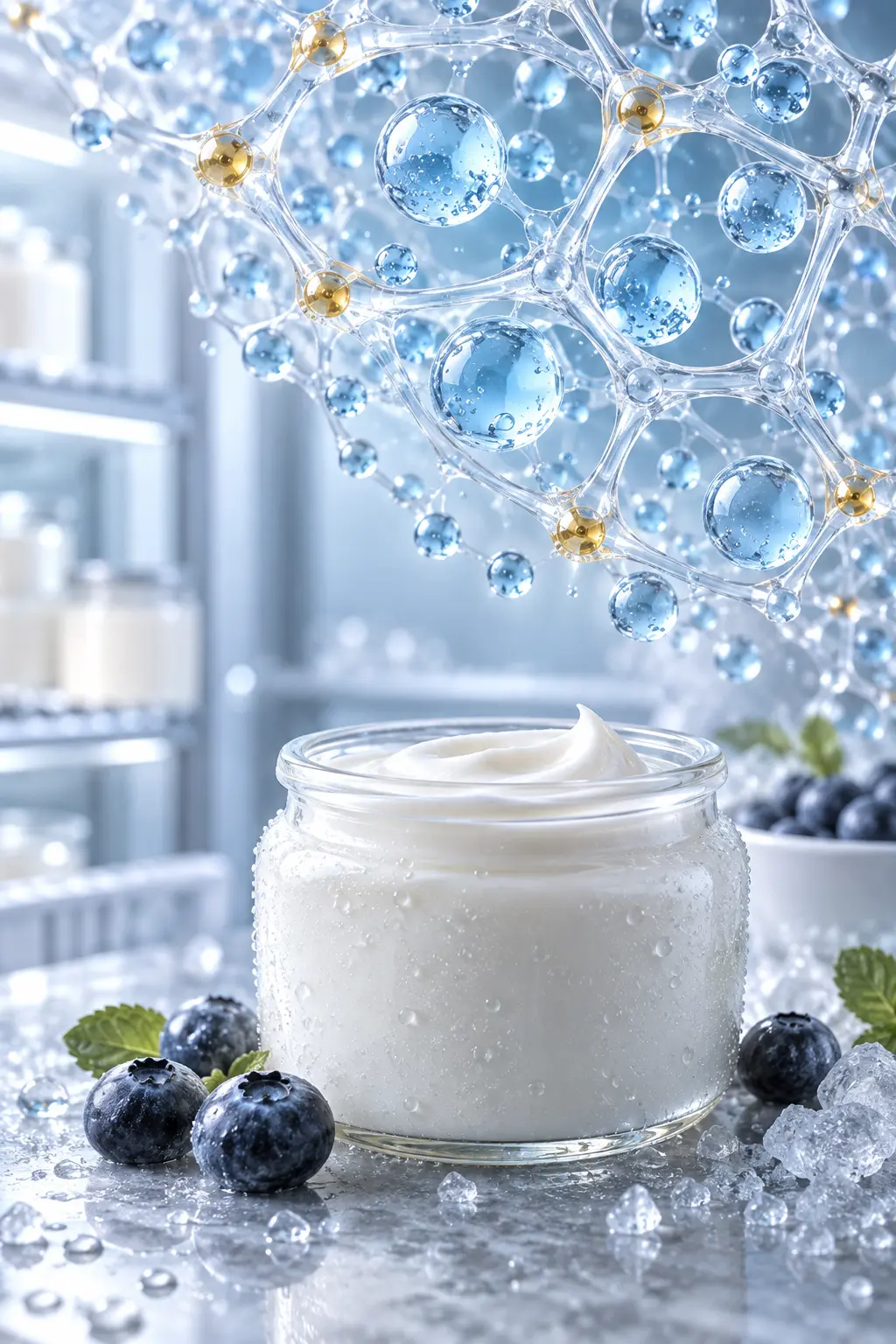
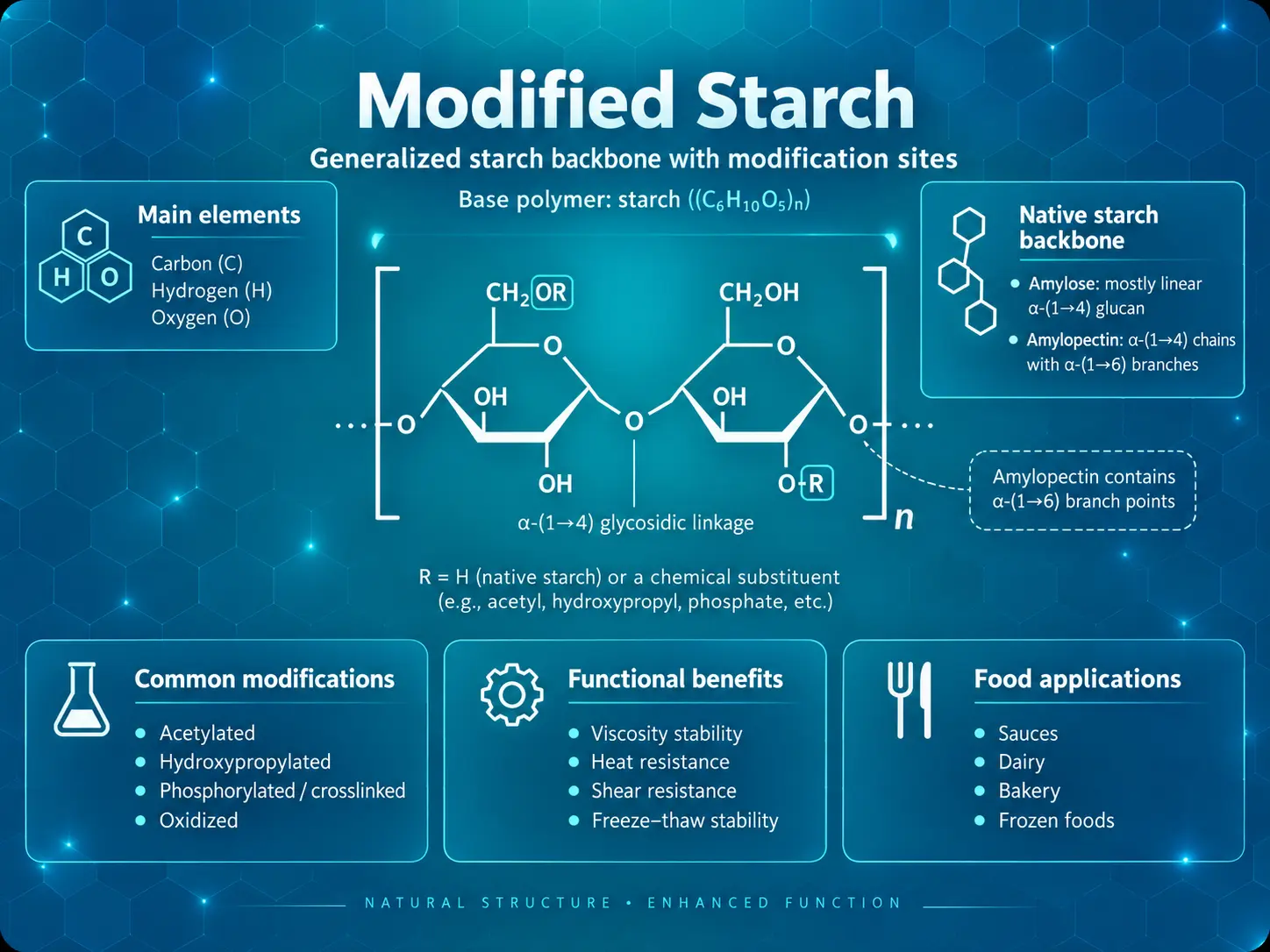
Modified starch chemical structure showing amylose amylopectin modification sites functional properties and food applications
APPLICATION-MATCHED MODIFIED STARCH TECHNOLOGY
SCROLL TO SOLVE
SOLUTION PATH / 01

START WITH THE PROCESSING PROBLEM

IDENTIFY WHAT IS LIMITING YOUR FOOD FORMULATION BEFORE SELECTING A STARCH TECHNOLOGY

Processing conditions often determine starch performance. Start with the problem you are trying to solve — such as viscosity loss, syneresis, weak texture, oil separation or instability under heat, shear, acid, salt or freezing.
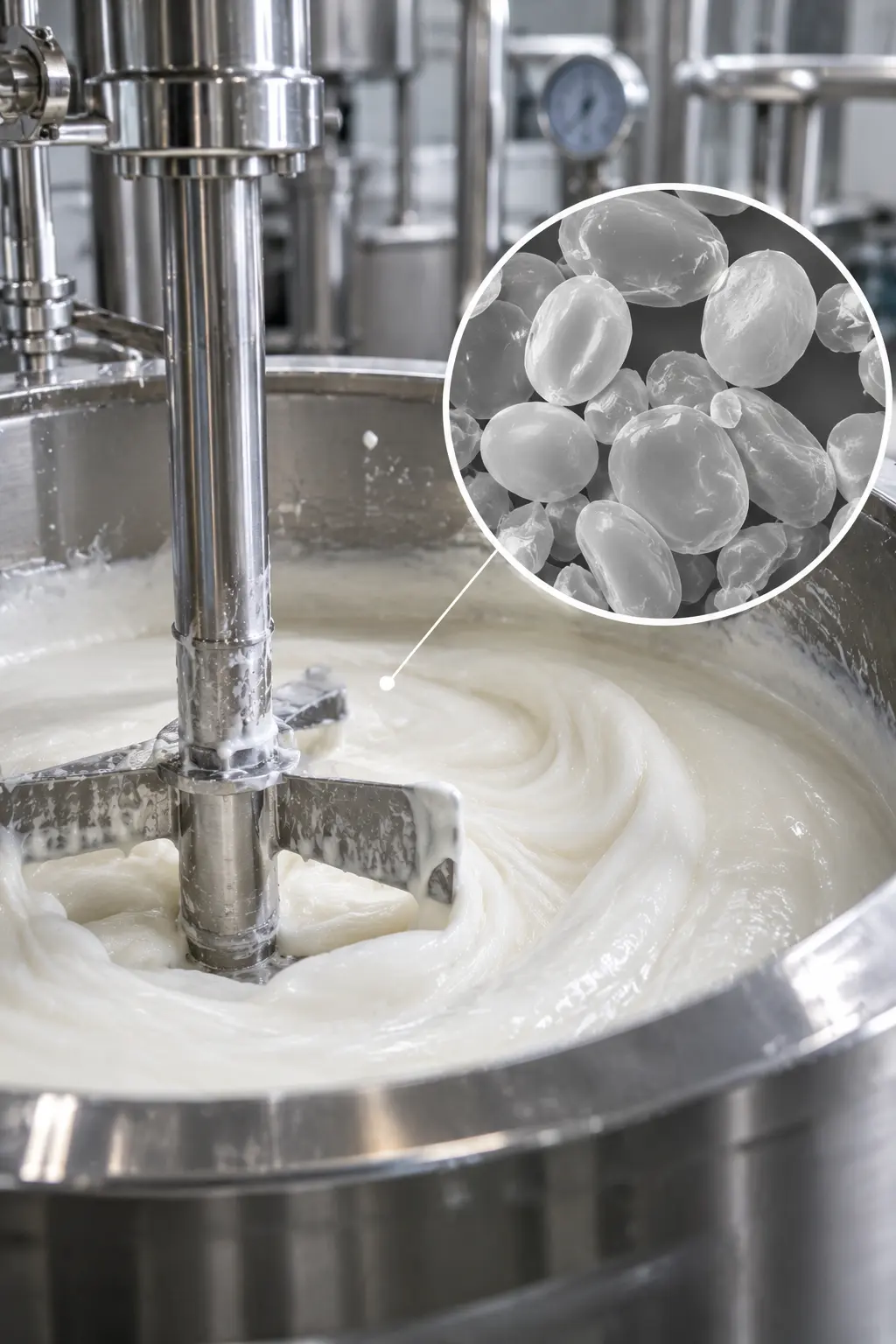
modified-starch-emulsification-microencapsulation-oil-water-dispersion-flavor-protection
DELIVERY
04 DISPERSION SYSTEM

DISPERSION &
DELIVERY

Improve oil-water stability, ingredient dispersion and protection of flavors, oils or active components in liquid and powder formulations.

TYPICAL PROBLEM “My emulsion separates or sensitive ingredients need protection.”
11 FUNCTIONAL SOLUTION PATHS
PROCESS CONDITIONS REQUIRED FUNCTION STARCH TECHNOLOGY
NOT SURE WHERE TO START?
FUNCTIONAL SOLUTIONS / 11

SOLVE THE PERFORMANCE CHALLENGE

CHOOSE THE FUNCTION YOUR FORMULATION NEEDS — THEN MATCH IT TO THE RIGHT STARCH TECHNOLOGY

From viscosity control and processing tolerance to emulsification, moisture management and texture, select the performance challenge that best matches your food formulation.

CHALLENGE FUNCTION STARCH
modified-starch-viscosity-stability-molecular-structure-food-processing
01 PROCESS CONTROL

VISCOSITY
STABILITY

Maintain consistent viscosity through heating, mixing and storage.

PROBLEM Viscosity drops during processing.
TARGET Consistent body and flow.
modified-starch-heat-stability-molecular-structure-high-temperature-food-processing
02 THERMAL STRESS

HEAT
STABILITY

Maintain structure and viscosity during high-temperature processing.

PROBLEM Heat causes viscosity breakdown.
TARGET Thermal process tolerance.
modified-starch-shear-resistance-molecular-structure-mixing-homogenization
03 MECHANICAL STRESS

SHEAR
RESISTANCE

Preserve viscosity during mixing, pumping and homogenization.

PROBLEM Mechanical shear weakens texture.
TARGET Stable viscosity under shear.
modified-starch-freeze-thaw-stability-molecular-structure-frozen-food
04 FROZEN STORAGE

FREEZE-THAW
STABILITY

Limit syneresis and texture breakdown during frozen storage.

PROBLEM Water separates after thawing.
TARGET Stable frozen texture.
modified-starch-acid-salt-resistance-molecular-structure-food-formulation
05 FORMULATION STRESS

ACID & SALT
RESISTANCE

Support texture in acidic and high-salt formulations.

PROBLEM Low pH or salt reduces stability.
TARGET Reliable viscosity and texture.
modified-starch-water-retention-molecular-structure-moisture-control
06 MOISTURE CONTROL

WATER
RETENTION

Reduce moisture loss and support softer, more stable texture.

PROBLEM Moisture loss affects texture.
TARGET Better water management.
modified-starch-thickening-molecular-structure-viscosity-building
07 BODY BUILDING

THICKENING

Build body and consistent viscosity across processing conditions.

PROBLEM Product lacks body.
TARGET Controlled thickness.
modified-starch-texture-improvement-molecular-structure-smooth-mouthfeel
08 SENSORY

TEXTURE
IMPROVEMENT

Enhance smoothness, body, mouthfeel and product consistency.

PROBLEM Texture feels weak or uneven.
TARGET Smooth consistent mouthfeel.
modified-starch-transparency-gloss-molecular-structure-food-appearance
09 APPEARANCE

TRANSPARENCY
& GLOSS

Improve clarity and surface gloss in sauces, fillings and coatings.

PROBLEM Product appears dull.
TARGET Clear glossy appearance.
modified-starch-emulsification-molecular-structure-oil-water-stability
10 EMULSION SYSTEM

EMULSIFICATION

Improve oil-and-water stability for smooth, uniform formulations.

PROBLEM Oil and water separate during storage.
TARGET Stable uniform emulsion.
modified-starch-microencapsulation-molecular-structure-flavor-oil-protection
11 ACTIVE DELIVERY

MICROENCAPSULATION

Protect flavors, oils and actives for improved stability and delivery.

PROBLEM Sensitive ingredients lose stability.
TARGET Better protection and delivery.
NEXT MATCH THE FUNCTION TO YOUR PROCESSING CONDITIONS
EXPLORE PROCESS CONDITIONS
PROCESS CONDITIONS / 02

WHAT HAPPENS DURING PROCESSING?

FOLLOW THE PROCESS — FIND WHERE PERFORMANCE STARTS TO CHANGE

Modified starch performance depends on what happens during mixing, heating, pumping, filling, freezing and storage. Select a process stage to identify the likely formulation challenge and the functionality that may be required.

01 / 06 HYDRATION & DISPERSION

MIXING STAGE

During initial mixing, starch must hydrate and disperse uniformly without forming lumps or creating inconsistent viscosity.
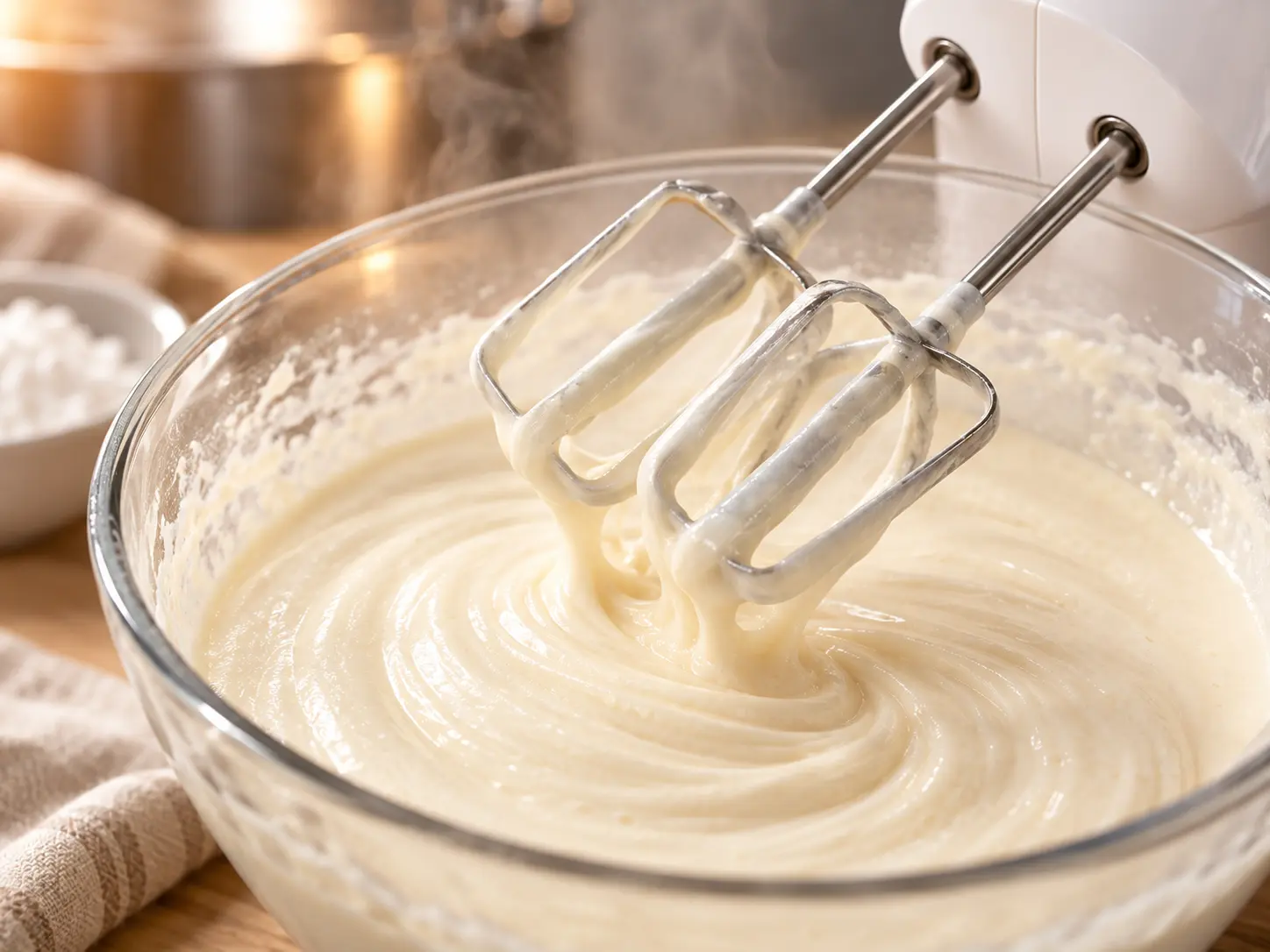
WHAT CAN GO WRONG Poor dispersion, uneven hydration and unstable viscosity.
PERFORMANCE TARGET Uniform hydration and predictable viscosity development.
CHECK THESE CONDITIONS
WATER TEMPERATURE MIXING SPEED HYDRATION TIME
Modified starch mixing hydration and dispersion process
PROCESS MIX
KEY FUNCTION HYDRATION
PROCESS MATTERS The right starch is selected around the actual formulation and manufacturing conditions.
MATCH TO STARCH TECHNOLOGY
STARCH MATCHING / 03

FROM PERFORMANCE TARGET TO STARCH TECHNOLOGY

MATCH THE FUNCTION YOU NEED WITH A STARCH DESIGNED FOR YOUR PROCESS

Start with the required functionality, then narrow the selection according to processing conditions, formulation composition and finished-product targets.

PERFORMANCE FUNCTION PRODUCT
SELECT PERFORMANCE TARGET 01 — 07
01 / 07 RECOMMENDED TECHNOLOGY
PERFORMANCE TARGET

VISCOSITY STABILITY

PRIMARY FUNCTION PROCESS STABILITY

For food systems that need consistent viscosity through heating, mixing, pumping and storage, process-tolerant modified starches are typically the primary route to evaluate.

VERIFY BEFORE SELECTION
PROCESS TEMPERATURE SHEAR LEVEL STORAGE CONDITION
NEXT SEE HOW THESE FUNCTIONS APPLY TO REAL FOOD SYSTEMS
EXPLORE FOOD APPLICATIONS
APPLICATION PERFORMANCE / 04

SOLUTIONS IN REAL FOOD SYSTEMS

CONNECT PROCESSING CHALLENGES WITH THE PERFORMANCE YOUR FINISHED PRODUCT NEEDS

Different food systems expose starch to different combinations of heat, shear, acidity, freezing, storage and sensory requirements. Explore the application closest to your formulation.
FOOD SYSTEM PROCESS CHALLENGE FUNCTION
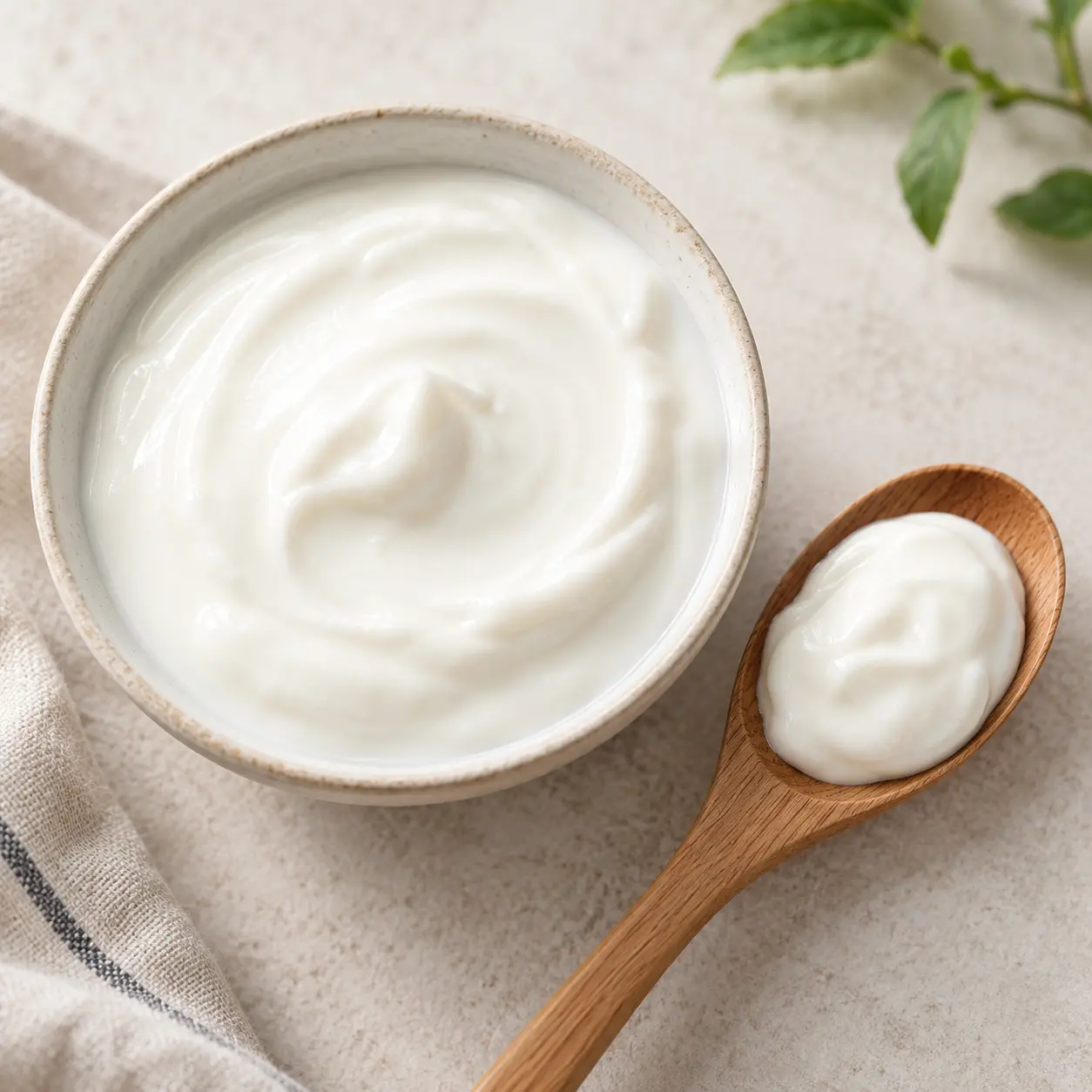
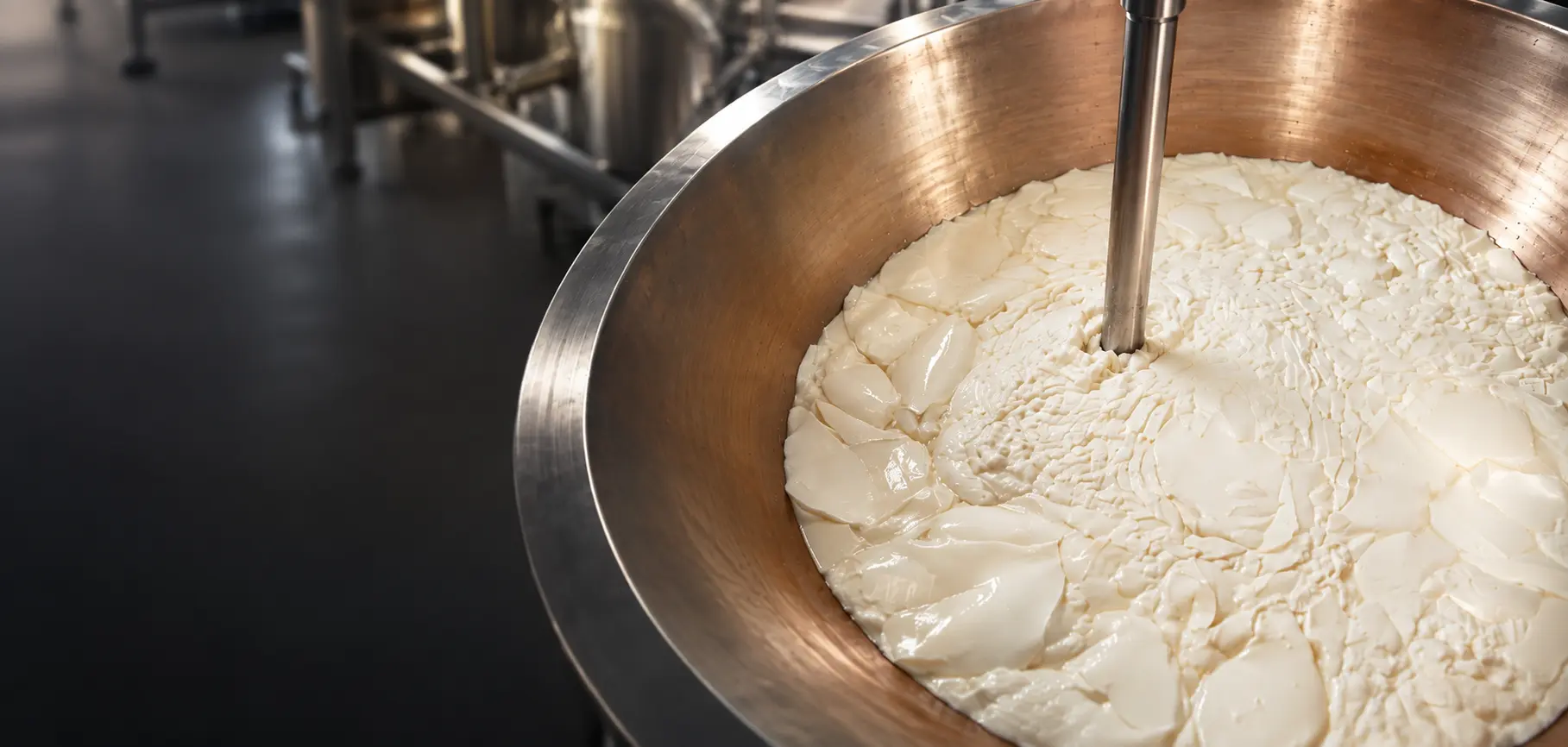
modified-starch-smooth-stable-yogurt-texture-dairy-products
02 TEXTURE · BODY · STABILITY
DAIRY PRODUCTS

BUILD SMOOTH,
STABLE TEXTURE

Improve creaminess, body and consistency in yogurt-style products, dairy desserts and processed dairy systems.

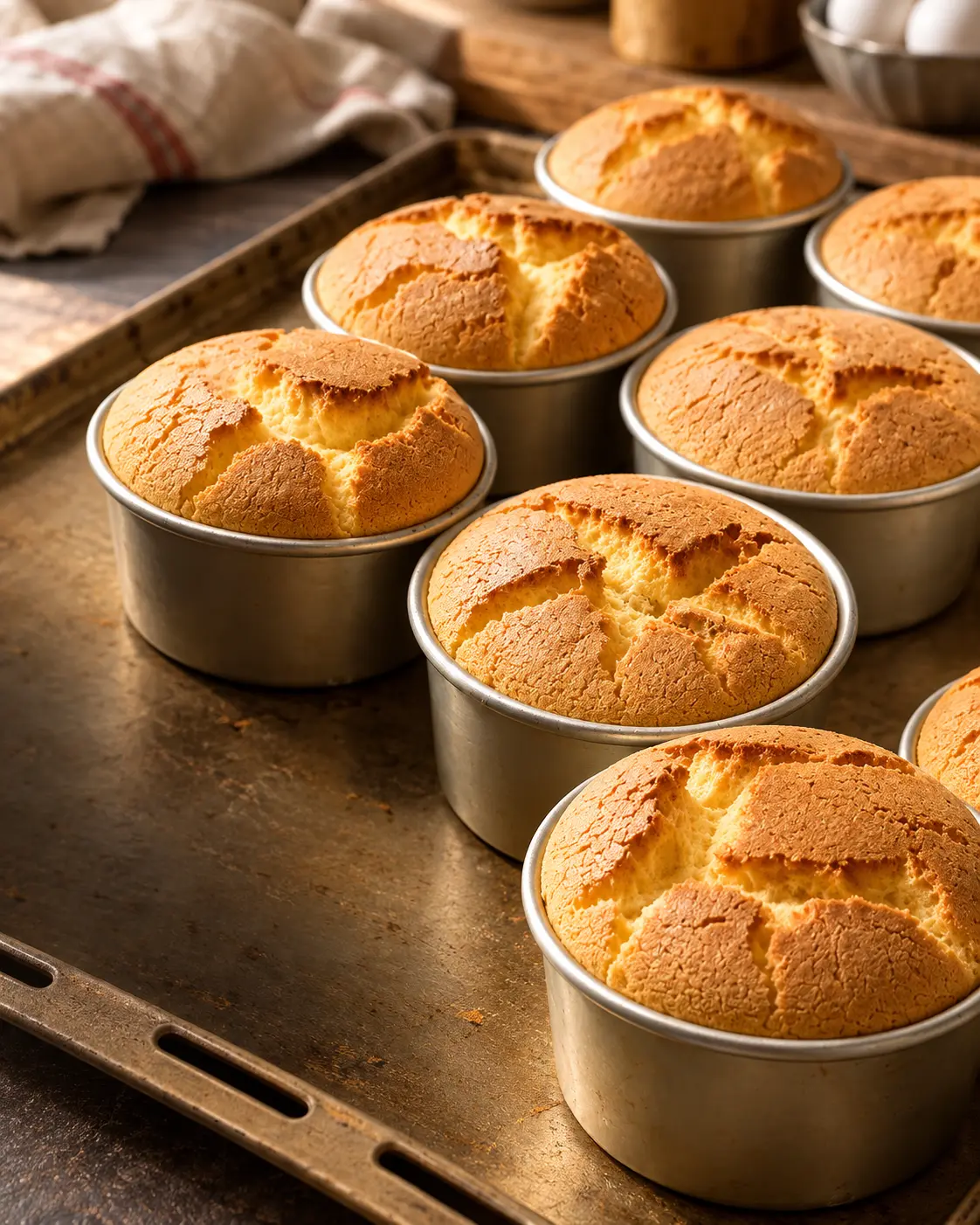
modified-starch-moisture-retention-soft-texture-bakery-products
04 MOISTURE · SOFTNESS · TEXTURE
BAKERY PRODUCTS

MANAGE MOISTURE
& SOFT TEXTURE

Support moisture retention, softness and consistent texture in bread, cakes and other processed bakery products.
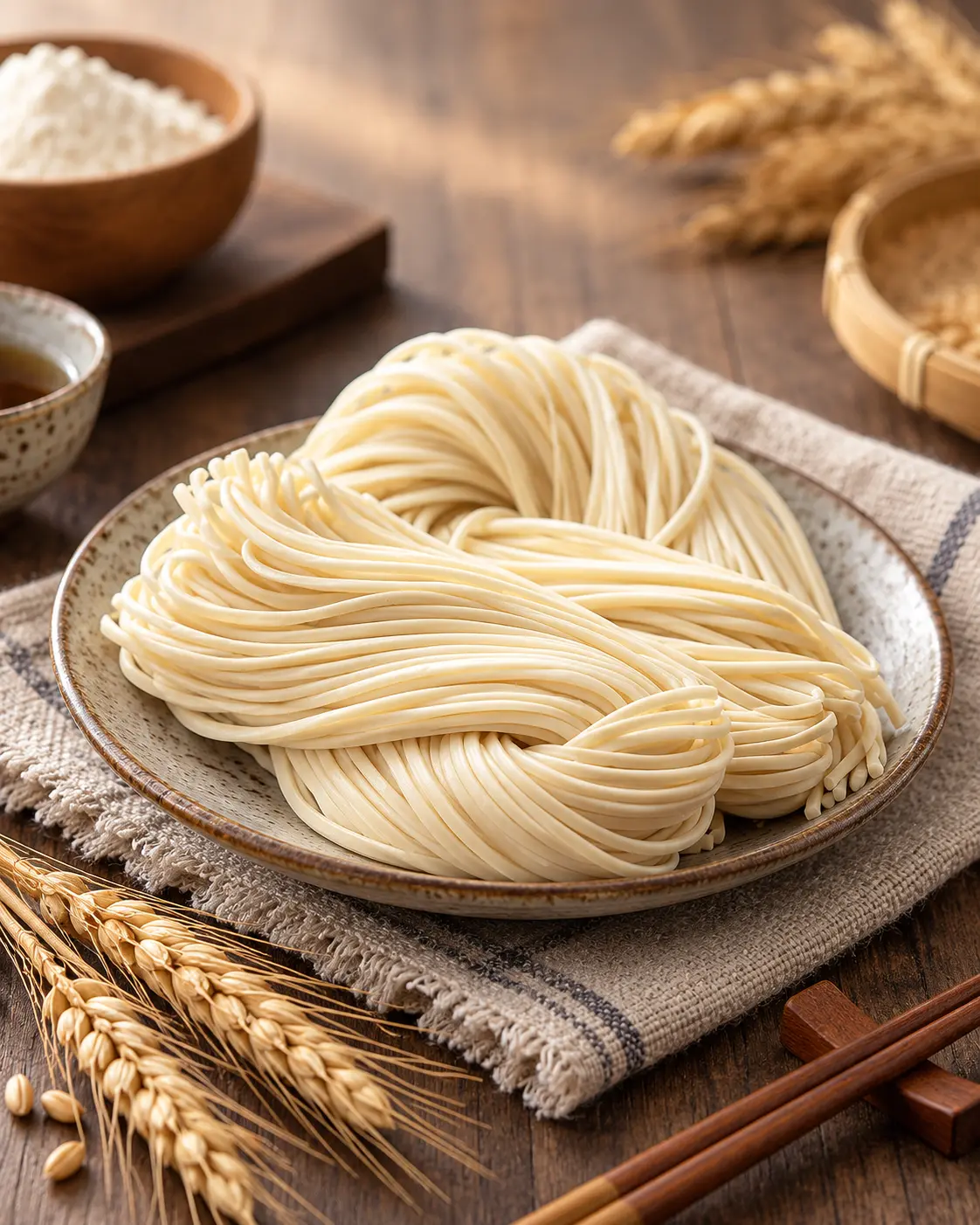
modified-starch-improved-bite-elasticity-hydration-noodle-products
05 TEXTURE · HYDRATION · ELASTICITY
NOODLE PRODUCTS

IMPROVE BITE
& HYDRATION

Support elasticity, reduce stickiness and control texture across instant noodles, rice noodles and other noodle systems.

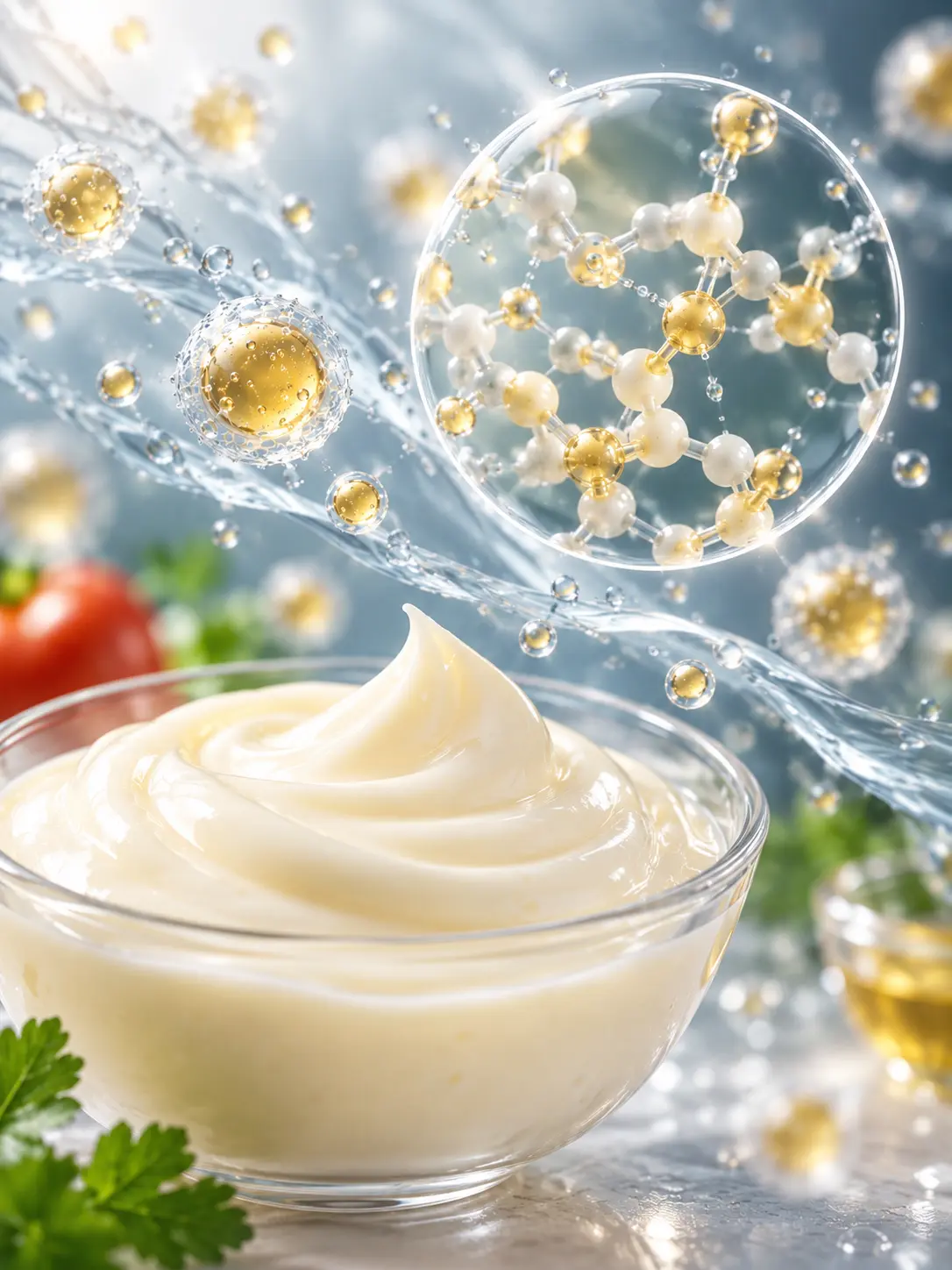
modified-starch-emulsification-microencapsulation-flavor-protection
06 EMULSION · CARRIER · PROTECTION
MICROENCAPSULATED POWDER

STABILIZE,
CARRY & PROTECT

Support oil-water emulsification and protect flavors, oils and active components through processing, encapsulation and drying.

01 FOOD SYSTEM What are you producing?
02 PROCESS What conditions does it face?
03 PERFORMANCE What must remain stable?
04 STARCH Which technology should be tested?
NEED ANOTHER APPLICATION? EXPLORE THE COMPLETE MODIFIED STARCH APPLICATION RANGE
VIEW ALL APPLICATIONS
TECHNICAL SELECTION / 05

HOW WE MATCH A STARCH TO YOUR PROCESS

PRODUCT SELECTION STARTS WITH YOUR ACTUAL FORMULATION AND MANUFACTURING CONDITIONS

A starch should not be selected by product name alone. Application type, formulation composition, processing stress, storage conditions and finished-product targets all influence the technology that should be evaluated.

01 / 05 FOOD SYSTEM
SELECTION INPUT

WHAT ARE YOU MAKING?

Begin with the food system because a sauce, dairy dessert, frozen meal or noodle product can require very different starch functionality.

SAUCE DAIRY FROZEN FOOD BAKERY NOODLES BEVERAGE
WHY THIS MATTERS SELECTION MATRIX

Different food matrices affect hydration, viscosity development, texture and finished-product performance.

INPUT FOOD SYSTEM
DEFINE REQUIRED FUNCTION
OUTPUT STARCH TECHNOLOGY
APPLICATION
FORMULATION
PROCESS
STORAGE
TARGET
SELECTION OUTPUT RECOMMENDED STARCH TECHNOLOGY
IMPORTANT

Final starch selection should be validated in the actual formulation and under the intended processing and storage conditions.

DISCUSS YOUR FORMULATION
APPLICATION TESTING / 06

WHAT SHOULD BE TESTED BEFORE PRODUCT SELECTION?

VERIFY STARCH PERFORMANCE UNDER THE CONDITIONS YOUR FORMULATION WILL ACTUALLY FACE

Final starch performance depends on formulation, dosage, processing conditions and storage. Technical evaluation should reproduce the conditions that matter most in the finished food system.

FORMULATION TEST COMPARE SELECT
TECHNICAL EVALUATION 01 — 04
01 / 04 RHEOLOGY
TEST OBJECTIVE

VISCOSITY PROFILE

Measure how viscosity develops during heating and how well the starch system retains body after mixing, shear and cooling.

RELATIVE VISCOSITY PROFILE TEST VIEW
HIGH MID LOW
START PROCESS FINAL
WHAT TO COMPARE
01 PEAK VISCOSITY
02 SHEAR LOSS
03 FINAL VISCOSITY
04 COOLING BEHAVIOR
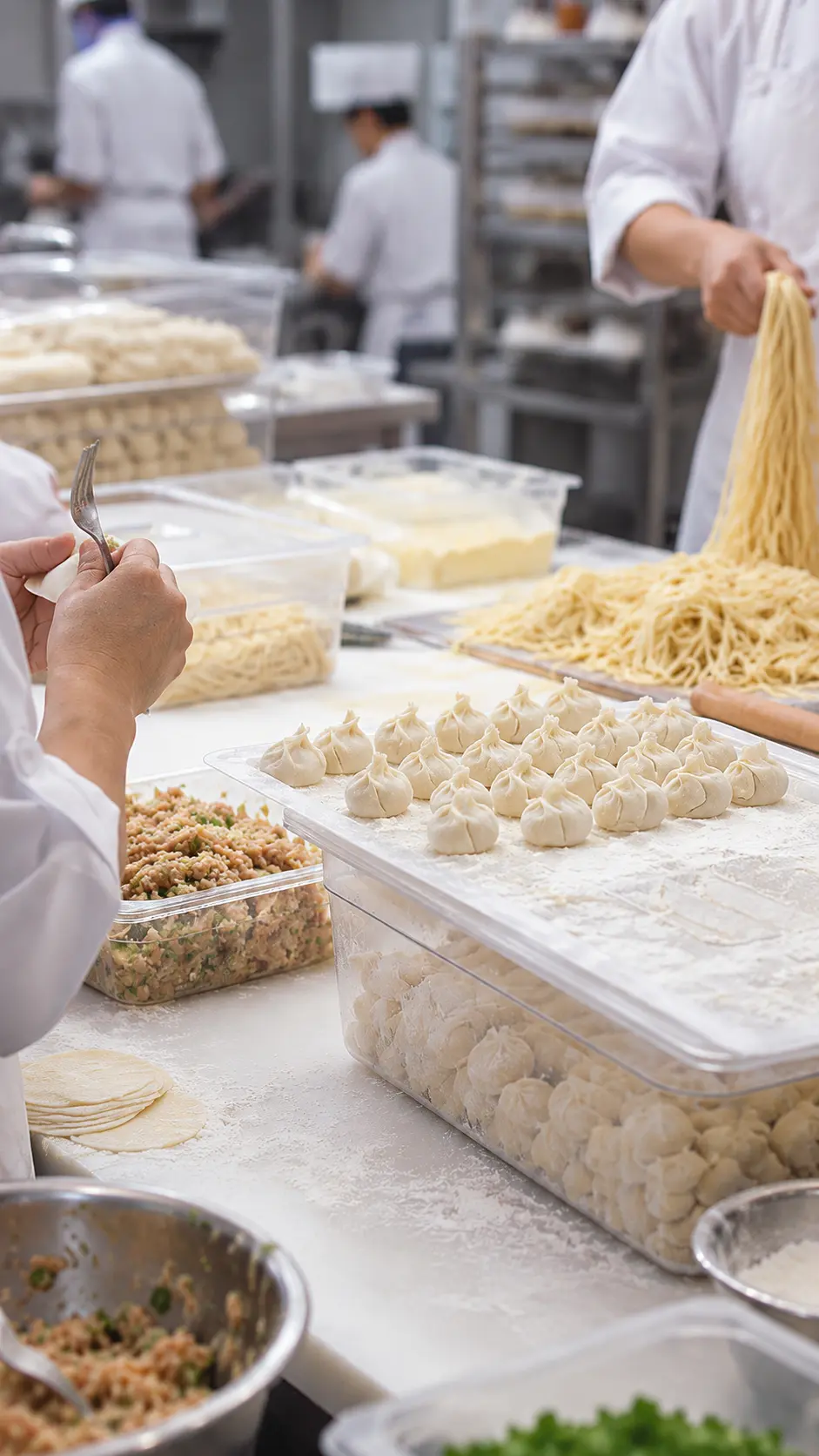
modified-starch-texture-moisture-retention-test-bakery-cake modified-starch-freeze-thaw-stability-test-dumpling-noodle-products modified-starch-emulsion-stability-test-creamy-dairy-dessert modified-starch-texture-water-retention-test-mochi-products
TEST VISCOSITY
CONDITION HEAT + SHEAR
EVALUATE STABILITY
TECHNICAL PRINCIPLE TEST THE STARCH IN THE REAL FORMULATION — NOT ONLY IN WATER.

pH, salt, sugar, oil, protein, dosage, temperature, shear and storage conditions can all influence the final performance of a starch-thickened food system.

01 SAME FORMULATION
02 SAME PROCESS
03 SAME STORAGE
04 COMPARE PERFORMANCE
NEXT EXPLORE TECHNICAL GUIDES AND STARCH PERFORMANCE RESOURCES
GO TO TECHNICAL RESOURCES
TECHNICAL RESOURCES / 07

GO DEEPER INTO STARCH PERFORMANCE

USE TECHNICAL GUIDES TO UNDERSTAND FUNCTION, PROCESSING BEHAVIOR AND APPLICATION SELECTION

Explore starch fundamentals, functional properties, processing knowledge and application-focused guidance to better understand how starch technology behaves inside real food formulations.

LEARN UNDERSTAND APPLY SELECT
RESOURCE CENTER CONTINUE EXPLORING MODIFIED STARCH TECHNICAL KNOWLEDGE

Start with the actual processing temperature, hold time and mechanical shear level. For demanding cooking or thermal processing, starch systems with stronger process tolerance are generally evaluated before final selection.

Frozen foods require a starch system that can help retain water and maintain texture after freezing and thawing. Modified starches such as E1422 and E1442 are commonly evaluated for freeze-thaw applications, but performance should be verified in the actual formulation.

Sauce selection should consider pH, salt level, cooking temperature and shear together. Where acidity or salt places additional stress on the starch system, more process-tolerant modified starches are typically evaluated.

High-speed mixing, pumping and homogenization can reduce viscosity if the starch system is not sufficiently process tolerant. Shear-resistant modified starch technologies should be compared under the same mechanical conditions used in production.

Water separation can be influenced by formulation, processing and storage. Water retention and freeze-thaw stability are especially important when syneresis appears in chilled or frozen products.

Emulsifying starches are used when oil or flavor components need to remain uniformly dispersed in an aqueous system. E1450 is commonly evaluated for oil-in-water emulsions, flavor systems and carrier applications.

Thickening describes the ability to build body or viscosity. Viscosity stability describes how well that viscosity is maintained when the formulation experiences heat, shear, acidity or storage.

Clean label starch technologies can provide different levels of viscosity development and process tolerance. The appropriate option depends on whether the product is cold processed, cooked, sheared, frozen or stored for extended periods.

Start with the target viscosity and texture, then consider pH, salt, sugar, oil level, cooking temperature, mixing intensity, filling conditions and storage. Selection should reproduce those conditions during testing.

You can provide the application, target texture, formulation conditions, process temperature, pH, shear level and storage method so the suitable starch technologies can be narrowed before application testing.

01 DEFINE THE PROBLEM What is going wrong?
02 IDENTIFY CONDITIONS Heat, shear, pH, storage?
03 MATCH FUNCTION What performance is needed?
04 TEST THE STARCH Verify in the real formulation
STILL HAVE A QUESTION? SHARE YOUR APPLICATION AND PROCESSING CONDITIONS
CONTINUE TO TECHNICAL SUPPORT
TECHNICAL SUPPORT / FINAL STEP

TELL US WHAT YOUR PRODUCT NEEDS TO DO.

SHARE YOUR APPLICATION, PROCESSING CONDITIONS AND PERFORMANCE TARGET — THEN NARROW THE STARCH TECHNOLOGY TO TEST

The right modified starch powder depends on the complete food system. Tell us what you are producing, how it is processed, how it is stored and what performance you need from the finished product.

YOUR PRODUCT NEEDS TO BE
MORE STABLE
01 SHARE YOUR PROCESS
02 MATCH FUNCTION
03 TEST THE STARCH
FORMULATION INPUT STARCH MATCHING DATA
READY TO MATCH
01
APPLICATION WHAT ARE YOU MAKING?

Sauce · Dairy · Frozen Food · Bakery · Noodles · Beverage

02
PROCESS TEMPERATURE °C

Cooking / Retort / Hot Fill

03
FORMULATION pH

Acid / Salt / Sugar / Oil

04
SHEAR LEVEL MIX

Pumping / Homogenization

05
STORAGE STORE

Ambient / Chilled / Frozen

06
PERFORMANCE TARGET VISCOSITY STABILITY

Texture · Gloss · Water Retention · Emulsion · Freeze-Thaw

INPUT
ANALYZE
MATCH
TEST
RECOMMENDATION OUTPUT SUITABLE STARCH TECHNOLOGY
Scroll to Top