
What Is
Modified
Starch?
A practical guide to how starch is changed, why it matters, and where it works in food.
Explore the guide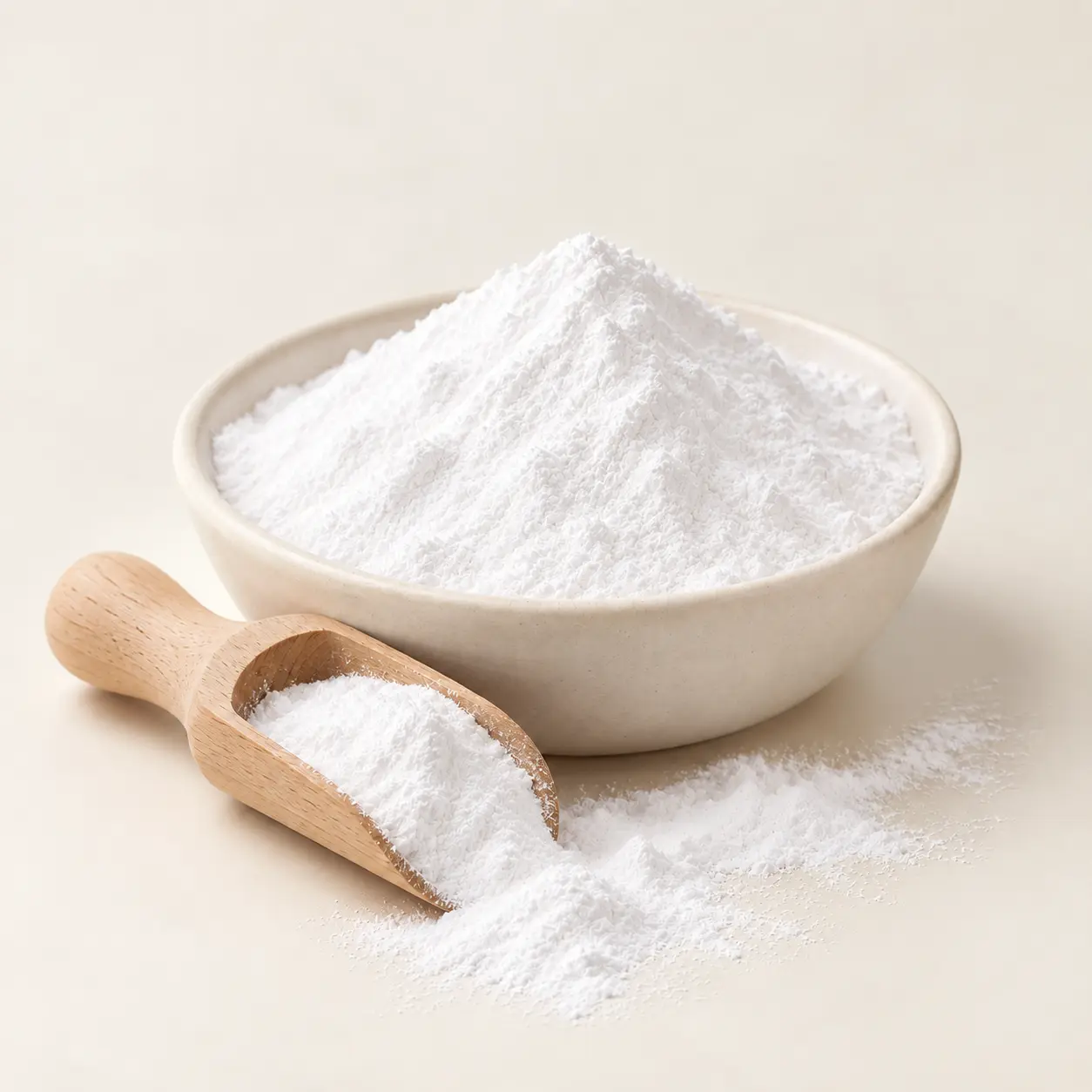
What Is Modified Starch
and How Does It Work?
Modified starch is starch whose natural properties have been intentionally changed to improve performance or make it suitable for a particular application. Starting with native starch, manufacturers use physical, chemical, or enzymatic processes to adjust how it behaves in a formulation.
Depending on the method, modification may introduce functional groups, alter the size or arrangement of starch molecules, or change the behavior of starch granules. The resulting starch can be selected for specific needs such as gelatinization temperature, viscosity and viscosity stability, freeze–thaw performance, gel strength, film formation, and clarity.
In short, modified starch is a processed starch designed to deliver a more targeted function. The exact properties depend on its botanical source, modification method, and grade.
Native vs. Modified Starch:
What Changes?
Native starch is useful, but its performance may change under heat, shear, acid, freezing, or long storage.
Native starch
Starch in its original state has properties linked to its plant source. Its viscosity, texture, and stability may not meet every processing condition.
Modified starch
A selected treatment changes particular characteristics so the starch can better support the desired texture, handling, or shelf-life performance. Results vary by grade.
How Is Modified Starch Made?
Our technical overview groups modification into three broad approaches. Each changes starch in a different way.
Change the process.
Heat, moisture, pressure, or mechanical treatment can change the way starch granules hydrate, disperse, or gelatinize without intentionally adding new chemical groups.
Examples: pregelatinized starch; dry-heat or heat–moisture treated starch.
Change the structure.
Controlled chemical treatment can adjust starch chains or introduce functional groups to achieve specific characteristics in processing and finished foods.
Examples: cross-linked, acetylated, hydroxypropylated, oxidized, acid-treated, or phosphate-modified starches.
Change the chains.
Food-grade enzymes can act on starch molecules to adjust chain length or molecular arrangement, depending on the enzyme and processing conditions.
Examples: selected enzyme-treated starches produced through controlled starch-chain modification.
A starch may undergo more than one processing step. Product classification, naming, and permitted uses depend on the particular treatment and the market where the food will be sold.
Functional Properties
of Modified Starch
Modification is a means of matching starch performance to a real production challenge. Depending on the grade, a food manufacturer may look for:
- 01Controlled thickening and viscosity
- 02Stability during heating, mixing, or pumping
- 03Texture through freezing and thawing
- 04Gel strength, film formation, or clarity
- 05Consistent texture during storage
Raw Material Sources
for Modified Starch
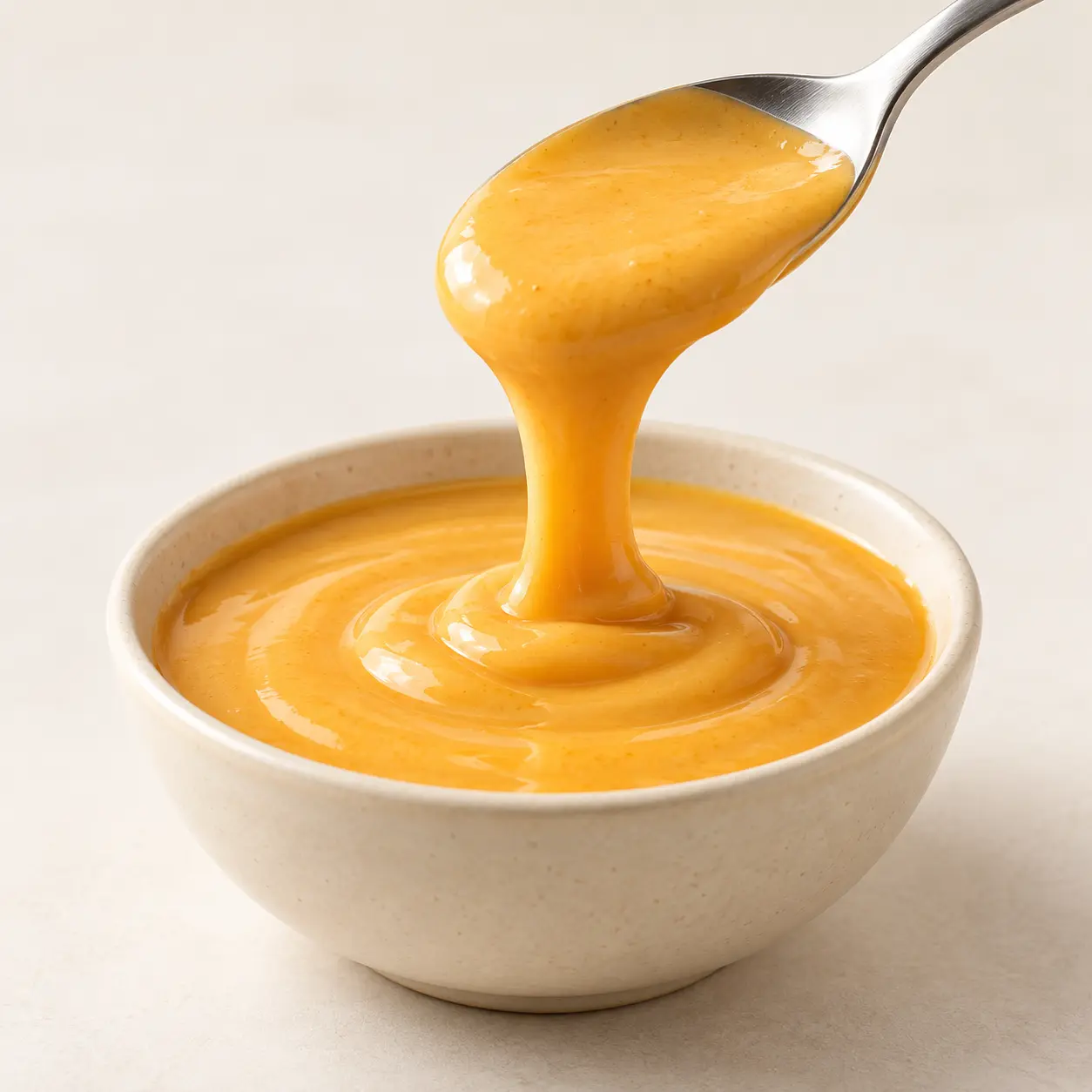
Modification method and botanical source both shape the final performance. Compare actual grades in your own formula.
Corn
Widely used as a starting material for food starch solutions.

Tapioca
A cassava-derived source explored for different texture profiles.

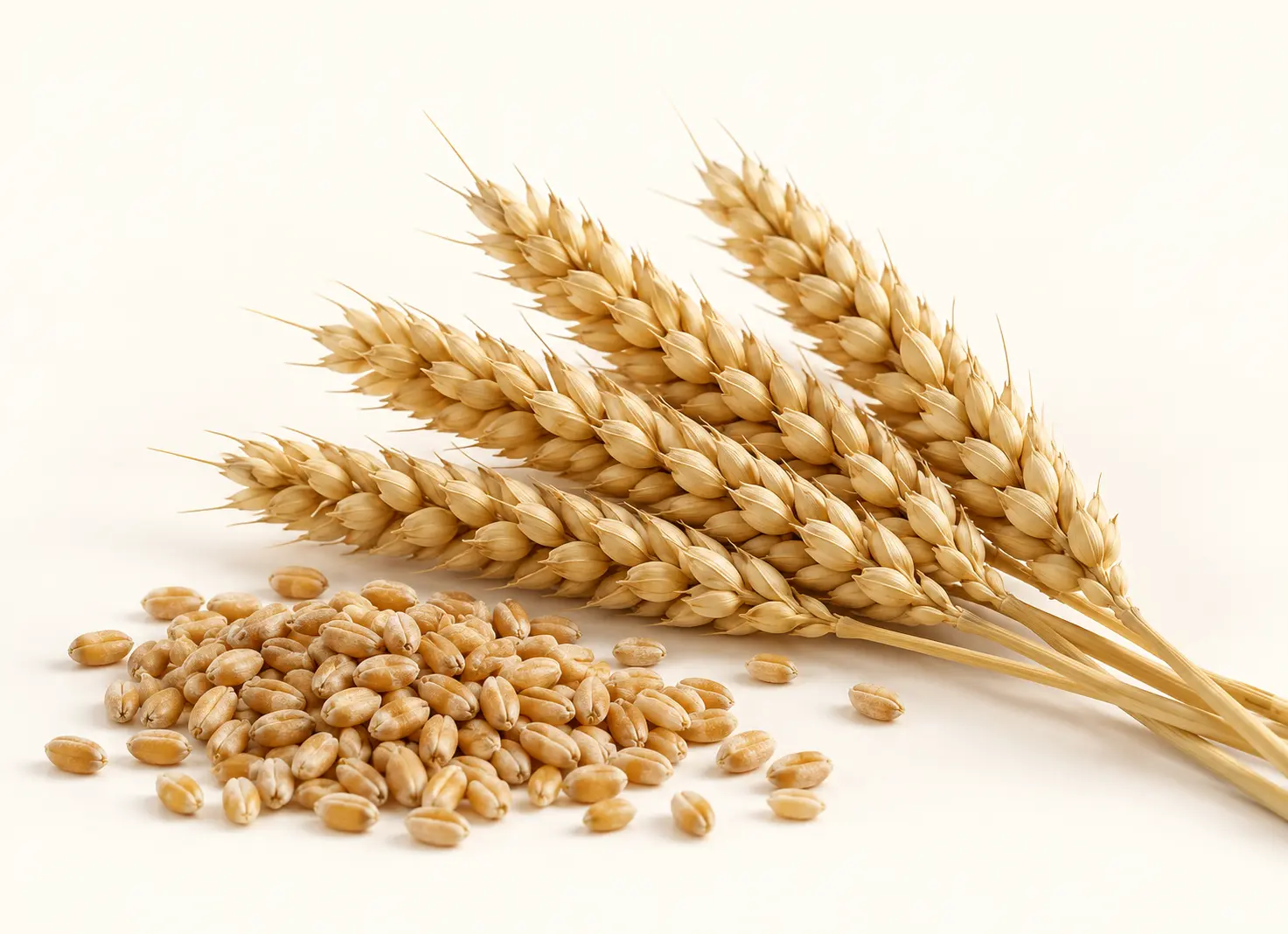
Wheat
A cereal-derived source; check allergen and labeling needs.
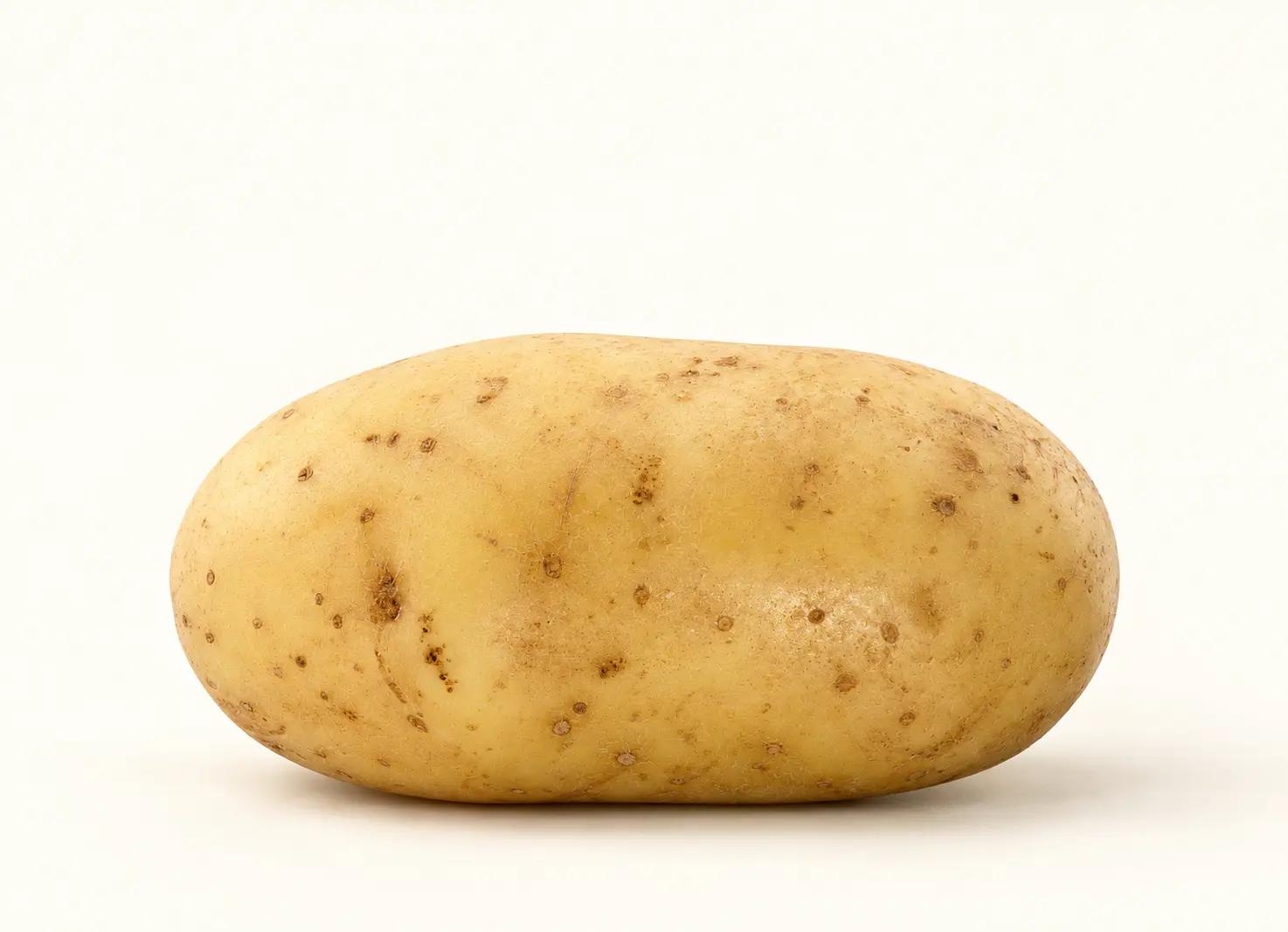
Potato
A tuber-derived source used in a range of starch systems.
Modified Starch
Applications in Food
Application needs determine the grade; these are examples of where food formulators evaluate modified starch.
Sauces & dressings
Body, consistency, and processing stability.
Dairy & desserts
Texture and moisture management.
Frozen foods
Texture through freeze–thaw cycles.
Bakery fillings
Viscosity and stability during processing.
Ready meals
Texture through heating and storage.
Noodles & more
Performance tailored to the formulation.
Modified Starch FAQ
Is modified starch the same as genetically modified starch?
No. “Modified starch” describes a change to the starch ingredient through processing; it does not, by itself, mean that the source crop was genetically engineered. Source and sourcing requirements should be checked separately.
Are all modified starches chemically modified?
No. Starch properties can be changed by physical, chemical, or enzymatic methods. Formal ingredient names and regulatory categories depend on the treatment and jurisdiction.
Does every modified starch have the same benefits?
No. Viscosity, clarity, gel strength, and processing tolerance vary with the starch source and modification method. Select a grade against your specific processing conditions and target texture.
How do I choose the right grade?
Start with the food application, target viscosity and texture, pH, heating and shear conditions, freeze–thaw exposure, storage requirements, and labeling needs. Then confirm performance with trials in the finished formulation.
Tell us what you’re making.
Share your application, process, and target texture. The Tianjiang team can help you discuss suitable modified starch options.
Further reading: FAO / WHO JECFA modified starch specifications