
Tianjiang / Dairy applications
Modified Starch Solutions for Dairy Products
Build the texture your dairy product needs. Explore starch options for yogurt, ice cream and processed cheese systems, with selection guided by your formulation, manufacturing process and storage conditions.

Storage.
01 / Find your dairy application
Modified Starch Applications in Yogurt, Ice Cream and Cheese
Different dairy products need different structures. Choose an application to explore its formulation, processing and evaluation priorities.
 01
Stirred Yogurt
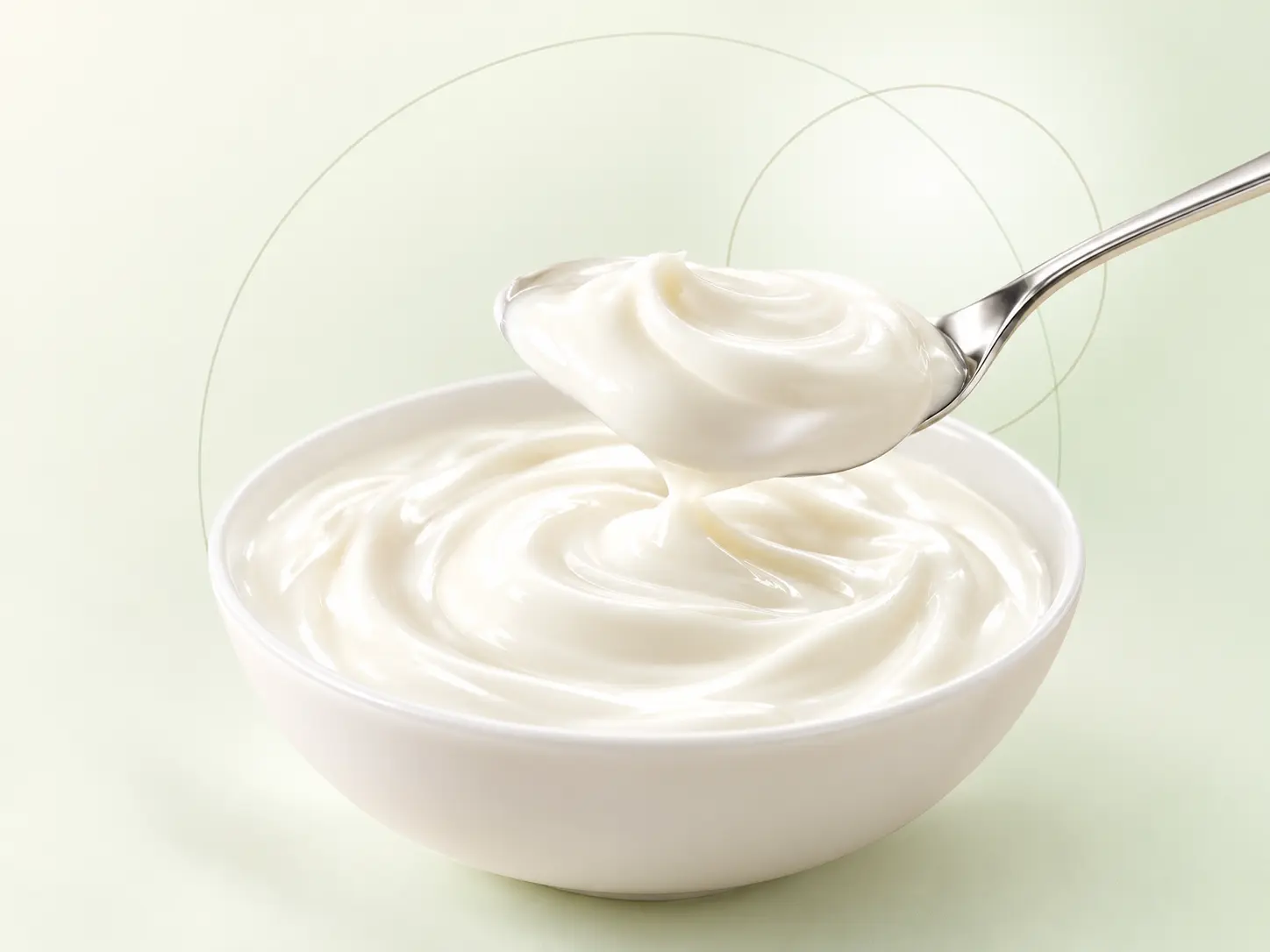
Develop smooth, spoonable body around the full fermentation and stirring process. Compare texture after curd breaking, cooling, pumping and filling, including visible whey separation during chilled storage.
Explore Stirred Yogurt 02
Set Yogurt
Define the in-cup gel, clean spoon cut and creamy texture you want to achieve. Evaluate the complete milk-protein and stabilizer system through fermentation, cooling, handling and refrigerated storage.
Explore Set Yogurt 03
Ice Cream
Match starch screening to mix viscosity, creamy body and frozen texture. Evaluate it alongside fat, milk solids, sugars, emulsifiers and stabilizers under your freezing, hardening and serving conditions.
Explore Ice Cream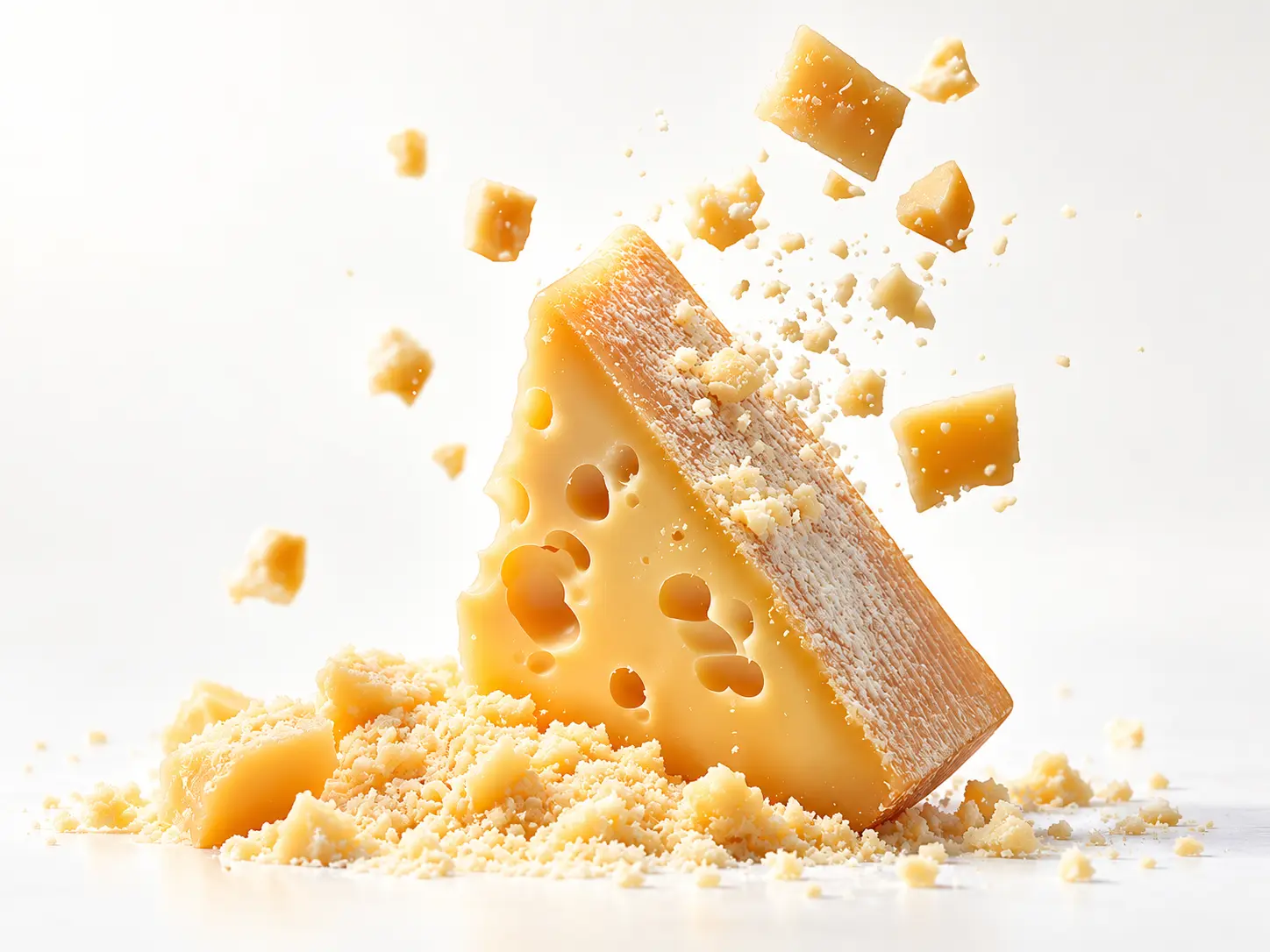 04
Cheese
Explore starch options for processed and recombined cheese systems. Define the required firmness, sliceability, spreadability, melt or stretch before comparing grades in the complete protein, fat and water system.
Explore Cheese02 / Define the performance target
Key Technical Benefits for Dairy Manufacturers
Use these targets to guide grade screening. Evaluate the contribution of starch within the complete protein, fat, water and stabilizer system.
Creamy Mouthfeel and Texture Control
Define smoothness, spoonability and body for the finished product. Evaluate the balance between useful structure and unwanted gumminess, pastiness or excessive firmness.
Explore texture improvementWater Management and Syneresis Control
In yogurt trials, monitor visible whey separation after cooling and throughout chilled storage. Compare samples with the same base recipe, handling and evaluation conditions.
Explore water retentionHeat, Acid and Shear Tolerance
Select evaluation conditions around heating, acidification, mixing and pumping. Check the performance of the exact starch grade after the relevant production stages.
Explore shear resistanceTexture Stability During Chilled and Frozen Storage
Use application-specific storage checks. Chilled yogurt and frozen dairy desserts need different assessments of texture, separation and temperature exposure.
Explore viscosity stabilityThese are application evaluation priorities. Performance depends on the specific grade, formulation and process; no single grade should be assumed to provide every function in every dairy system.
03 / Match your formulation and process
How to Select Modified Starch for Your Dairy Formulation
Define what the finished product should do before selecting a starch grade. Record the conditions that shape the dairy system, then use repeatable trials to compare options.
Define Your Dairy System and Texture Target
Set a clear benchmark for composition, body and eating quality.
- Milk protein, fat, sugar and total solids
- Acidity, fermentation route and other stabilizers
- Desired viscosity, gel firmness or spreadability
- Melt, stretch or frozen texture where relevant
Match the Starch to Processing and Storage Conditions
Evaluate the steps the starch will actually experience.
- Dispersion, hydration, heating and homogenization
- Fermentation, cooling and post-fermentation handling
- Pumping, filling, forming or freezing conditions
- Chilled or frozen distribution and final use
| Application | Formulation factors | Processing factors | Trial evaluation |
|---|---|---|---|
| Stirred yogurt | Milk solids, protein, sugar, stabilizer blend | Fermentation, curd breaking, cooling, pumping and filling | Smoothness, viscosity and whey separation |
| Set yogurt | Milk solids, protein and gel-forming system | In-cup fermentation, cooling and handling | Gel firmness, spoon cut and whey separation |
| Ice cream | Fat, dairy solids, sugars, emulsifiers and stabilizers | Aging, aerated freezing, hardening and temperature exposure | Mix viscosity, sensory texture and melting behavior |
| Cheese | Protein, fat, water and emulsifying-salt system | Heating, shear, forming and cooling | Format-specific slicing, spreading, melt or stretch |
Stirred and set yogurt should be evaluated under their different process routes. Establish starch dosage through controlled trials rather than applying one addition rate across all dairy products.
04 / Explore ingredient-label options
Clean Label Starch Options for Dairy Products
Include your ingredient-label goals in the application brief. Compare suitable alternatives against the same texture, processing and storage targets used for your current dairy formulation.
Functional Native Starch Options
Discuss functional native grades for projects seeking a simpler ingredient declaration. Confirm the specific product, preparation requirements and available documentation before selecting a trial candidate.
Texture and Processing Considerations
Evaluate mouthfeel, hydration, viscosity and storage behavior within the complete dairy system. Substitution may require changes to dosage or process rather than a direct one-for-one replacement.
Ingredient Declaration Requirements
Review the exact grade and the declaration needed for your intended product and market. Pregelatinization alone does not establish clean label suitability.
05 / From application brief to trial
Dairy Application Testing and Technical Support
Share the product you are developing and the challenge you want to address. A defined trial plan helps make grade comparisons and technical discussions more useful.
- 01
Define the Trial Conditions
Record the base formula, ingredient specifications, processing sequence and evaluation temperature. Keep the benchmark and sample preparation consistent.
- 02
Evaluate Texture and Storage Performance
Choose tests for the application: yogurt spoonability and whey separation, ice cream mix and melt behavior, or format-specific cheese performance.
- 03
Review Grade Specifications and Supply Requirements
Discuss the exact starch grade, technical specification, sample requirements, packaging, intended market and demand before moving toward production.
06 / Before your next dairy trial
FAQs About Modified Starch for Dairy Products
Practical starting points for dairy formulation teams, manufacturers and ingredient buyers.
How do I select modified starch for a dairy product?
Start with the dairy application, texture target and base composition. Include protein, fat, solids, acidity, processing and storage conditions. Compare specific grades in controlled trials using a consistent recipe and defined evaluation methods.
Do stirred yogurt and set yogurt need the same starch grade?
Not necessarily. Stirred yogurt must be evaluated after the gel is broken and the product is cooled, pumped and filled. Set yogurt develops its structure in the final container. A grade may be considered for both, but it should be tested separately under each process.
Can modified starch help manage whey separation in yogurt?
A suitable grade may contribute to water management within the complete yogurt system. Milk proteins, solids, other stabilizers, fermentation and handling also affect separation. Evaluate the specific formulation during cooling and chilled storage rather than attributing the result to starch alone.
How is starch evaluated in ice cream formulations?
Compare mix viscosity, processing behavior, body and finished frozen texture. Include the intended overrun, freezing, hardening and serving conditions. Assess melt behavior and texture after representative storage while keeping the rest of the formulation controlled.
Which cheese applications should be evaluated for starch use?
This application area focuses on processed and recombined cheese systems, including slices, spreads and pizza-style products where appropriate. Define the final function and product requirements before testing. Do not assume that a starch-containing formulation is equivalent to every natural cheese type.
Are clean label starch options available for dairy products?
Functional native and other suitable options can be evaluated for projects with specific ingredient-label goals. Confirm the exact grade, preparation requirements and intended declaration. A replacement may require changes to dosage or processing, so assess it in the full formulation.
07 / Tell us about your dairy product
Discuss Your Dairy Application with Tianjiang
Tell us what you are making, the texture you want and the processing or storage challenge you are facing. Include your current formulation approach to help focus the discussion.