
TIANJIANG MODIFIED STARCH FOOD-GRADE FUNCTIONAL INGREDIENTS

MODIFIED STARCH

Food-Grade Modified Starch for Texture, Stability & Processing Performance

Tianjiang supplies a comprehensive range of modified starch products designed to improve viscosity, texture, heat stability, shear resistance and processing performance across modern food manufacturing applications.

THICKENING HEAT STABILITY SHEAR RESISTANCE TEXTURE
12 MODIFIED STARCH PRODUCTS
E / INS FOOD-GRADE PRODUCT RANGE
25 KG STANDARD COMMERCIAL BAG
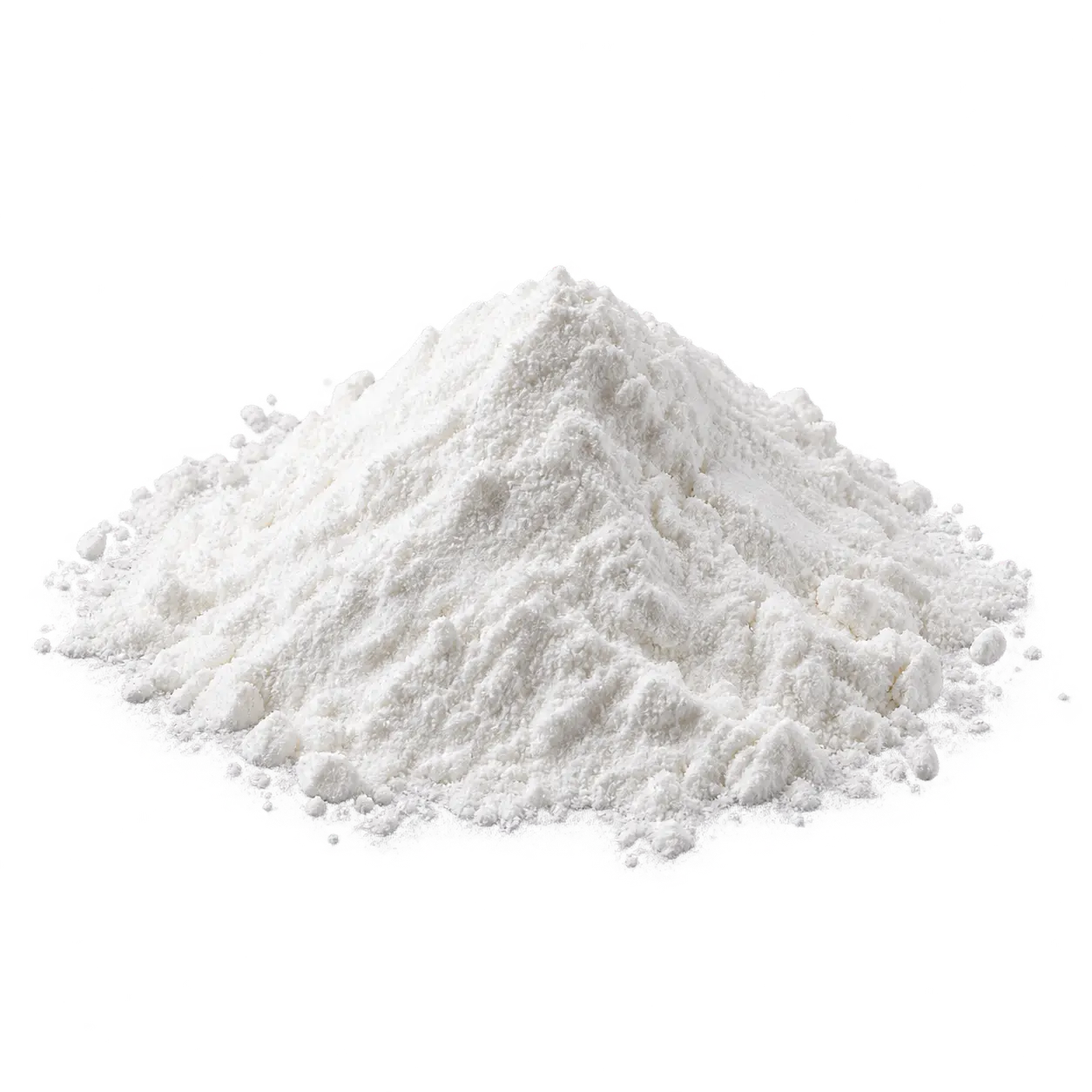
Food-grade modified starch fine white powder pile
FOOD-GRADE MODIFIED
STARCH
FUNCTIONAL PERFORMANCE FOR FOOD PROCESSING
PRODUCT FORM FINE WHITE POWDER
PROCESSING HEAT & SHEAR
FUNCTION VISCOSITY
MODIFIED 12 PRODUCT TYPES
FUNCTIONAL STARCH TECHNOLOGY
FUNCTION
UNDERSTANDING MODIFIED STARCH

WHAT IS
MODIFIED STARCH?

Modified starch is starch whose functional properties have been adjusted through controlled physical, enzymatic or chemical processing to deliver more reliable performance in demanding food-manufacturing conditions.

01 STARTING MATERIAL
NATIVE STARCH NATURAL STARCH FUNCTIONALITY

NATIVE STARCH

Native starch provides basic thickening and texture, but its performance can be more sensitive to processing stress such as heat, shear, acidity, salt and frozen storage.

BASIC THICKENING NATURAL FUNCTIONALITY PROCESS-SENSITIVE
CONTROLLED MODIFICATIO
N
02 FUNCTIONAL PERFORMANCE
MODIFIED STARCH TARGETED FOOD-PROCESSING PERFORMANCE

MODIFIED STARCH

Modified starch is engineered to provide more controlled viscosity, texture and processing tolerance, helping food manufacturers maintain consistent performance across production and storage conditions.

PROCESS STABILITY TARGETED TEXTURE CONTROLLED VISCOSITY
01

Heat Stability

Better viscosity retention during thermal processing

02

Shear Resistance

More reliable performance under mechanical processing

03

Texture Control

Targeted body, mouthfeel and consistency

04

Storage Stability

Selected grades support improved stability over time

FUNCTION

The purpose of starch modification is not simply to change the starch itself. It is to create a more predictable functional ingredient for specific food formulations, processing conditions and performance targets.

MODIFICATION TECHNOLOGY

HOW MODIFIED STARCH PERFORMANCE IS CREATED

Different starch modification approaches are used to adjust processing tolerance, viscosity behavior, texture and storage performance. The appropriate technology depends on the food system and the functional result required.

01
PROCESS CONTROL CROSS
LINKING

Crosslinking

Crosslinking strengthens the starch structure and helps improve tolerance to demanding processing conditions.

HEAT RESISTANCE SHEAR RESISTANCE PROCESS STABILITY
02
TEXTURE CONTROL ACETY
LATION

Acetylation

Acetylation is used to adjust starch texture and improve stability in selected food and storage conditions.

SMOOTH TEXTURE STABILITY FREEZE-THAW
03
HYDRATION HYDROXY
PROPYL

Hydroxypropylation

Hydroxypropyl modification can improve hydration, viscosity characteristics and texture stability in food systems.

HYDRATION VISCOSITY STORAGE STABILITY
04
VISCOSITY DESIGN OXID
ATION

Oxidation

Oxidation can be used to create more controlled viscosity and selected texture characteristics for specific processing needs.

LOWER VISCOSITY SMOOTH BODY PROCESS CONTROL
05
FUNCTIONAL STABILITY PHOSPHO
RYLATION

Phosphorylation

Phosphate modification is used in selected starch systems to support thickening, viscosity control and processing stability.

THICKENING STABILITY VISCOSITY CONTROL
PRODUCTION PROCESS

MODIFIED STARCH PRODUCTION FLOW

From slurry preparation and controlled reaction through filtration, drying, screening, metal detection and final inspection, each stage follows a defined production sequence.

OPRP Operational Prerequisite Program
CCP Critical Control Point
MAIN PRODUCTION SEQUENCE
01 — 14
01
PREPARATION

SLURRY
PREPARATION

Initial mixing and slurry formation

INPUT Tap water Raw starch Salt
MAGNETIC ROD Applied before reaction
02
CONTROLLED MODIFICATION
OPRP1

REACTION

Controlled starch modification stage

INPUT Chemicals
03
INTERMEDIATE

CRUDE
SLURRY

Reaction-stage slurry before screening

04
SCREENING

SLURRY
SCREENING

Removal of unwanted material

REMOVED Impurities
05
INTERMEDIATE

REFINED
SLURRY

Screened slurry ready for filtration

06
FILTRATION

FILTER
PRESS

Solid-liquid separation

INPUT Tap water Compressed air
OUTPUT Filtrate To environmental station
07
DRYING

AIRFLOW
DRYING

Moisture removal by heated airflow

INPUT Air Steam heating
08
POWDER CONTROL
OPRP2

DRY POWDER
SCREENING

Final powder screening stage

REMOVED Coarse starch particles
09
PHYSICAL CONTROL

MAGNETIC
ROD

Magnetic removal before metal detection

10
SAFETY CONTROL
CCP1

METAL
DETECTION

Critical foreign-body control stage

TEST PIECES
Iron
Non-ferrous metal
Stainless steel
11
FINAL HANDLING

PACKAGING

Finished powder packaging stage

12
FINISHED MATERIAL

PRODUCT

Finished modified starch

13
FINAL CONTROL

INSPECTION

Final product quality inspection

14
FINAL STAGE

WAREHOUSE

Approved product storage

PROCESS COMPLETE
KEY CONTROL POINTS PROCESS CONTROL SUMMARY
OPRP1 REACTION
OPRP2 DRY POWDER SCREENING
CCP1 METAL DETECTION
MODIFICATION STARCH STRUCTURE
CONTROLLED FUNCTION PROCESSING PERFORMANCE
FOOD SYSTEM TARGETED RESULTS
TJ

Modification Type Is Only One Part of Product Selection

The final starch grade should also be selected according to processing temperature, shear, pH, salt level, storage conditions and the texture required in the finished food.

EXPLORE PRODUCTS
MODIFIED STARCH PORTFOLIO

EXPLORE OUR MODIFIED STARCH PRODUCTS

Tianjiang offers a broad range of food-grade modified starch products with different modification systems for viscosity control, processing tolerance, texture development and stability in industrial food applications.

12 PRODUCT TYPES
E / INS FOOD-GRADE RANGE
MULTIPLE MODIFICATION SYSTEMS
FOOD PROCESSING APPLICATIONS
01 E1422 / INS 1422
DUAL-MODIFIED STARCH

Acetylated Distarch Adipate

Stable viscosity, smooth texture and reliable processing performance under demanding food-manufacturing conditions.

STABILITY TEXTURE PROCESSING
VIEW PRODUCT
02 E1442 / INS 1442
CROSSLINKED HYDROXYPROPYL

Hydroxypropyl Distarch Phosphate

Modified starch designed for viscosity stability, heat tolerance and performance under demanding processing conditions.

HEAT SHEAR VISCOSITY
VIEW PRODUCT
03 E1412 / INS 1412
CROSSLINKED STARCH

Distarch Phosphate

Crosslinked starch for thickening, process tolerance and improved viscosity stability under heat and mechanical stress.

THICKENING HEAT SHEAR
VIEW PRODUCT
04 E1414 / INS 1414
ACETYLATED CROSSLINKED

Acetylated Distarch Phosphate

Dual-modified starch providing stable viscosity, smooth texture and reliable performance in demanding food systems.

TEXTURE STABILITY PROCESSING
VIEW PRODUCT
05 E1420 / INS 1420
ACETYLATED STARCH

Starch Acetate

Acetylated starch for texture development, viscosity control and improved stability in selected food formulations.

TEXTURE VISCOSITY STABILITY
VIEW PRODUCT
06 E1404 / INS 1404
OXIDIZED STARCH

Oxidized Starch

Modified starch designed for controlled viscosity and selected texture characteristics in food processing applications.

LOWER VISCOSITY TEXTURE CONTROL
VIEW PRODUCT
07 E1440 / INS 1440
HYDROXYPROPYL STARCH

Hydroxypropyl Starch

Functional starch supporting hydration, viscosity, texture and stability in selected food systems.

HYDRATION TEXTURE STABILITY
VIEW PRODUCT
08 INS 1401
ACID-TREATED STARCH

Acid-Treated Starch

Modified starch with adjusted viscosity and gel characteristics for selected processing and texture requirements.

VISCOSITY GEL PROCESSING
VIEW PRODUCT
09 E1410 / INS 1410
PHOSPHATE STARCH

Monostarch Phosphate

Phosphate-modified starch supporting thickening, viscosity development and stabilization in food formulations.

THICKENING VISCOSITY STABILITY
VIEW PRODUCT
10 E1413 / INS 1413
DUAL PHOSPHATE STARCH

Phosphated Distarch Phosphate

Dual phosphate modification for viscosity control, thickening performance and processing stability.

PROCESSING THICKENING STABILITY
VIEW PRODUCT
11 E1451 / INS 1451
ACETYLATED OXIDIZED

Acetylated Oxidized Starch

Combined modification for smooth texture, controlled viscosity and stable performance in selected food applications.

SMOOTH TEXTURE VISCOSITY STABILITY
VIEW PRODUCT
12 DUAL MODIFIED
OXIDIZED + HYDROXYPROPYL

Oxidized Hydroxypropyl Starch

Combined modification providing controlled viscosity, hydration behavior and selected texture characteristics.

VISCOSITY HYDRATION TEXTURE
VIEW PRODUCT
NEED HELP CHOOSING A PRODUCT?

Start With Your Processing Conditions

Share your food application, heat, shear, pH, storage conditions and target texture. Tianjiang can help narrow down suitable modified starch grades for formulation testing.

FUNCTION-BASED SELECTION

CHOOSE MODIFIED STARCH BY FUNCTION

Start with the functional result required in the food system. Heat, shear, storage conditions, texture and target viscosity can then be used to narrow the suitable modified starch direction.

FUNCTIONAL TARGET

Thickening

VISCOSITY BUILD

Modified starch can be selected to build body and viscosity while maintaining more predictable performance during food processing.

FUNCTION THICKENING BODY · VISCOSITY · CONSISTENCY
STARTING POINT CROSSLINKED
FUNCTIONAL DIRECTION Crosslinked and phosphate-modified starch systems
PROCESSING FOCUS Viscosity development with process stability
USEFUL STARTING POINTS
PROCESS TOLERANCE
VISCOSITY CONTROL
TEXTURE SUPPORT
01
PRODUCT SELECTION PRINCIPLE

Function First. Processing Conditions Second. Grade Selection Third.

The same functional target can require different starch products depending on temperature, shear, pH, salt, storage and the complete formulation. Application testing should be used to confirm the final product choice.

GET SELECTION SUPPORT
PRODUCT SELECTION GUIDE

MATCH MODIFIED STARCH TO PROCESSING CONDITIONS

Modified starch selection should begin with the complete food process rather than a product code alone. Temperature, shear, pH, salt, storage conditions and target texture all influence which starch technology should be evaluated.

PROCESSING MATRIX

Start With the Main Processing Requirement

6 KEY FACTORS
01
PROCESSING REQUIREMENT

High Heat

Cooking, retort or extended thermal processing can require stronger viscosity retention.

USEFUL DIRECTION Crosslinked / Dual-Modified
02
PROCESSING REQUIREMENT

High Shear

Mixing, pumping and homogenization can place mechanical stress on the starch system.

USEFUL DIRECTION Crosslinked Starch
03
STORAGE REQUIREMENT

Freeze-Thaw Stability

Frozen storage and thawing can change texture and water distribution in sensitive food systems.

USEFUL DIRECTION Acetylated / Hydroxypropyl
04
SENSORY TARGET

Smooth Texture

Some formulations require controlled body, short texture and a smoother finished mouthfeel.

USEFUL DIRECTION Acetylated / Selected Oxidized
05
RHEOLOGY TARGET

Controlled Lower Viscosity

Processing or product design may require lower or more controlled flow resistance.

USEFUL DIRECTION Oxidized / Acid-Treated
06
COMBINED REQUIREMENT

Multiple Processing Stresses

Heat, shear, acidity or storage stress may occur together rather than as isolated processing conditions.

USEFUL DIRECTION Dual-Modified Systems
FOOD APPLICATIONS

MODIFIED STARCH APPLICATIONS IN FOOD

Modified starch can be selected for different food systems according to viscosity, texture, processing stress and storage requirements. Explore common application areas where starch functionality plays an important role in finished-product performance.

SAUCES · DRESSINGS · CONDIMENTS 01
APPLICATION 01

Seasonings & Condiments

Support viscosity retention, cling, smooth texture and processing stability in sauces, dressings and seasoning systems.

VISCOSITY CLING PROCESS STABILITY
DAIRY SYSTEMS 02
APPLICATION 02

Dairy Products

Build body, texture and stability in selected dairy and dairy-style formulations.

BODY TEXTURE
FRUIT · JAM · SAUCE 03
APPLICATION 03

Jam & Sauce Products

Support controlled flow, spreadability and texture in processed fruit and sauce systems.

FLOW SPREADABILITY
BAKERY SYSTEMS 04
APPLICATION 04

Bakery

Provide targeted texture, moisture management and processing functionality in selected bakery formulations.

TEXTURE MOISTURE
NOODLES · PASTA · DOUGH 05
APPLICATION 05

Noodle Products

Modified starch can support texture, bite and processing consistency in noodle and dough-based food systems.

BITE TEXTURE PROCESSING
FROZEN STORAGE 06
APPLICATION 06

Frozen Food

Selected modified starch systems can support texture retention and stability during frozen storage and thawing.

FREEZE-THAW STABILITY
READY MEALS 07
APPLICATION 07

Prepared Dishes

Support consistency, reheating performance and sauce stability in prepared and convenience food systems.

REHEATING CONSISTENCY
POWDER · ENCAPSULATION 08
APPLICATION 08

Microencapsulated Powder

Selected starch technologies can contribute to carrier systems, powder processing and functional encapsulation applications.

CARRIER POWDER FUNCTIONALITY
APPLICATION LOGIC

Start With the Food System, Then Define the Processing Requirement

01 FOOD APPLICATION
02 PROCESS CONDITIONS
03 FUNCTIONAL TARGET
04 STARCH SELECTION
PROCESSING PERFORMANCE

DESIGNED FOR DEMANDING FOOD PROCESSING

Modified starch selection should consider the complete processing environment. Heat, shear, acidity, salt and storage conditions can interact with one another and change viscosity, texture and stability in the finished food system.

PROCESSING STRESS MAP

Five Factors to Review Before Grade Selection

PROCESS / 05
01
THERMAL LOAD

Heat

COOKING · RETORT · HOLDING

Higher processing temperatures and longer thermal exposure can increase the need for viscosity retention and structural stability.

PRODUCT DIRECTION Crosslinked / Dual-Modified
02
MECHANICAL LOAD

Shear

MIXING · PUMPING · HOMOGENIZATION

Intensive mixing, pumping and homogenization can disrupt viscosity development in starch systems that are not suited to the mechanical process.

PRODUCT DIRECTION Crosslinked Starch
03
CHEMICAL ENVIRONMENT

pH & Acid

ACIDITY · PROCESS TIME · TEMPERATURE

Acidic formulations should be evaluated together with processing temperature and holding time because these stresses may occur simultaneously.

PRODUCT DIRECTION Process-Stable Modified Starch
04
FORMULATION LOAD

Salt

SEASONING · BRINE · IONIC LOAD

Salt and other dissolved ingredients can influence hydration and viscosity behavior, especially in concentrated seasoning, sauce and prepared-food systems.

PRODUCT DIRECTION Stable Crosslinked Systems
05
STORAGE STRESS

Freeze-Thaw

FREEZING · STORAGE · THAWING

Frozen storage and thawing can affect water distribution, viscosity and texture, making storage performance an important part of starch selection.

PRODUCT DIRECTION Acetylated / Hydroxypropyl
NOTE

Processing tracks are visual guides to the selection factors that should be reviewed. They are not product performance percentages or laboratory test values.

SELECTION PRINCIPLE

Processing Stress Changes the Starch Requirement

01 PROCESS
02 STRESS
03 FUNCTION
04 PRODUCT
FORMULATION PROBLEM SOLVING

MATCH STARCH FUNCTIONALITY TO YOUR FORMULATION

Start with the problem you need to solve in the finished food. Processing conditions, storage requirements and target texture can then be used to identify useful modified starch directions for formulation testing.

FORMULATION DIAGNOSTIC SELECT A TECHNICAL CHALLENGE
04 COMMON SCENARIOS PRODUCT DIRECTION APPLICATION TESTING

Cooking, hot filling, holding or retort processing can expose a starch system to both thermal and mechanical stress.

FUNCTIONAL DIRECTION Crosslinked and dual-modified starch systems

These product directions are useful starting points where viscosity retention and processing tolerance are important during thermal processing.

REVIEW THESE FACTORS
PROCESS TEMPERATURE HOLDING TIME SHEAR pH

Frozen storage and thawing can change water distribution, viscosity and texture in many prepared food systems.

FUNCTIONAL DIRECTION Acetylated and hydroxypropyl modified starch

These modification directions can be useful starting points when storage stability and texture retention are important after freezing and thawing.

REVIEW THESE FACTORS
FREEZING RATE STORAGE TIME THAWING TEXTURE

Sauces, dairy systems and prepared foods may require controlled body without excessive gumminess or uncontrolled viscosity.

FUNCTIONAL DIRECTION Acetylated and selected oxidized starch systems

These product directions can be evaluated when the target is a smoother body, controlled consistency or a more refined finished-food texture.

REVIEW THESE FACTORS
MOUTHFEEL BODY CLING FLOW

Some processing systems require easier flow, higher solids handling or controlled viscosity rather than maximum thickening.

FUNCTIONAL DIRECTION Oxidized, acid-treated and selected dual-modified starch

These directions can be evaluated where lower viscosity, controlled flow or improved processability is a primary formulation requirement.

REVIEW THESE FACTORS
FLOW SOLIDS PUMPABILITY FINAL BODY
FORMULATION DECISION PATH

Problem → Processing Conditions → Product Direction → Trial

Product names alone do not define performance in every formulation. Final grade selection should be confirmed under representative processing and storage conditions.

01 DEFINE
02 SCREEN
03 TEST
04 VALIDATE
REQUEST A SAMPLE
QUALITY & COMMERCIAL SUPPLY

FOOD-GRADE QUALITY & COMMERCIAL SUPPLY

From product evaluation to commercial shipment, Tianjiang supports modified starch customers with technical documentation, application communication, sample evaluation and standardized industrial packaging.

01 / DOCUMENTATION

Product & Batch Documentation

Technical and commercial evaluation often begins with clear product information and batch-related documentation.

TDS
TECHNICAL DOCUMENT Technical Data Sheet Product characteristics and technical information
COA
BATCH DOCUMENT Certificate of Analysis Batch-specific quality information
SPEC
PRODUCT CONTROL Product Specification Agreed quality and product parameters
REQUEST PRODUCT DOCUMENTATION
02 / PACKAGING

Standard Commercial Packaging

Modified starch products are supplied in practical industrial packaging suitable for warehouse handling, palletization and international shipment.

TIANJIANG
FOOD-GRADE 25 KG / BAG
MODIFIED STARCH
NET 25 kg
GROSS Approx. 25.2 kg
BAG SIZE 640 × 430 × 175 mm
03 / LOGISTICS

Container Loading Reference

Standard palletized loading provides a practical reference for commercial shipment planning and order discussions.

20GP PALLETIZED LOADING
440 BAGS
PALLETS 16
NET WEIGHT Approx. 11 MT
Loading references may be confirmed according to final order, packaging and shipment arrangements.
TECHNICAL & COMMERCIAL SUPPORT

From Product Review to Commercial Supply

01 DOCUMENTATION
02 SAMPLE
03 APPLICATION TRIAL
04 COMMERCIAL SUPPLY
01

Product Specifications

Review the relevant product specification before final commercial approval.

02

Batch Documentation

COA information can support incoming quality review and batch traceability workflows.

03

Application Communication

Share processing conditions and formulation targets when discussing suitable starch grades.

04

Commercial Packaging

Standardized packaging supports pallet handling, warehousing and international logistics planning.

TECHNICAL FAQ

MODIFIED STARCH FREQUENTLY ASKED QUESTIONS

Review common questions about modified starch functionality, processing tolerance, product selection, samples, documentation and commercial supply.

Modified starch is starch whose functional characteristics have been intentionally adjusted through controlled physical, enzymatic or chemical processing. Depending on the grade, modification can be used to change viscosity behavior, texture, hydration, process tolerance or storage performance.

VISCOSITY TEXTURE PROCESSING STABILITY

Native starch retains its naturally occurring starch functionality. Modified starch has been processed to create more targeted functional characteristics for particular food or manufacturing conditions.

For example, selected modified starch grades may be designed for improved heat tolerance, shear resistance, smoother texture, controlled viscosity or better storage stability. The actual benefit depends on the modification type and grade.

Crosslinked starch and selected dual-modified starch systems are common starting points when a formulation must tolerate cooking, pumping, mixing or other processing stress.

USEFUL STARTING POINTS

Final selection should still consider temperature, processing time, shear, pH, salt and the complete formulation.

Selected acetylated and hydroxypropyl starch systems can be useful starting points where frozen storage and texture retention after thawing are important.

PRODUCT DIRECTIONS TO EVALUATE

Freezing rate, storage duration, thawing conditions and the complete food composition can all affect final performance.

Start with the finished food and the functionality required, then review the actual manufacturing and storage conditions. A practical screening process normally considers several variables together.

01 APPLICATION Sauce, dairy, bakery, noodles, frozen food or another system
02 PROCESS Heat, shear, pumping, pH and salt conditions
03 TARGET Viscosity, texture, stability or flow behavior
04 TRIAL Compare candidate grades in the actual formulation

Not necessarily. Different food systems place different demands on starch functionality. A product that performs well in one sauce or dairy formulation may not deliver the same result when the process, solids, pH, salt or storage conditions change.

SELECTION PRINCIPLE Match the grade to the formulation and process, rather than selecting by E-number alone.

You can contact Tianjiang to discuss product samples and relevant technical or batch documentation for product evaluation. Available documentation can depend on the specific product and commercial requirement.

TDS Technical Data
SPEC Product Specification
COA Batch Analysis
REQUEST A SAMPLE

The standard commercial reference is a 25 kg net bag, with an approximate gross weight of 25.2 kg and bag dimensions of 640 × 430 × 175 mm.

20GP 440 Bags 16 pallets · Approx. 11 MT net
40HQ 1,020 Bags 34 pallets · Approx. 25.5 MT net

Final loading arrangements should be confirmed according to the order, packaging and shipment requirements.

TECHNICAL QUESTION NOT LISTED?

Share Your Application and Processing Conditions

Tell us what you are making, how it is processed and what functionality you need from the starch.

TIANJIANG MODIFIED STARCH

FIND THE RIGHT MODIFIED STARCH FOR YOUR FORMULATION

Share your food application, processing conditions and target functionality. Tianjiang can help narrow the modified starch options for technical evaluation and formulation testing.

MODIFIED STARCH 12 PRODUCT TYPES
FUNCTION THICKENING
PROCESS HEAT & SHEAR
PERFORMANCE STABILITY
FORMULATION TEXTURE
APPLICATION PROCESS FUNCTION PRODUCT
01 12 MODIFIED STARCH PRODUCTS
02 TECHNICAL APPLICATION SUPPORT
03 25 KG STANDARD COMMERCIAL BAG
04 GLOBAL COMMERCIAL SUPPLY
READY TO START?

Send your formulation requirements and processing information to discuss suitable modified starch directions.

START A PRODUCT DISCUSSION
Scroll to Top