
TIANJIANG / PREMIUM PREPARED DISH TECHNOLOGY
Buddha Jumps Over the Wall Formulation with Modified Starch
Buddha Jumps Over the Wall is no longer only a restaurant banquet dish.Commercial frozen, ready-to-heat and retort products must maintain a rich premium broth, stable viscosity, clean flavor release and controlled suspension around expensive seafood, meat and vegetable particulates.Tianjiang modified starch helps manufacturers control broth body, freeze-thaw separation, heat and shear stability, water migration and reheating consistency.
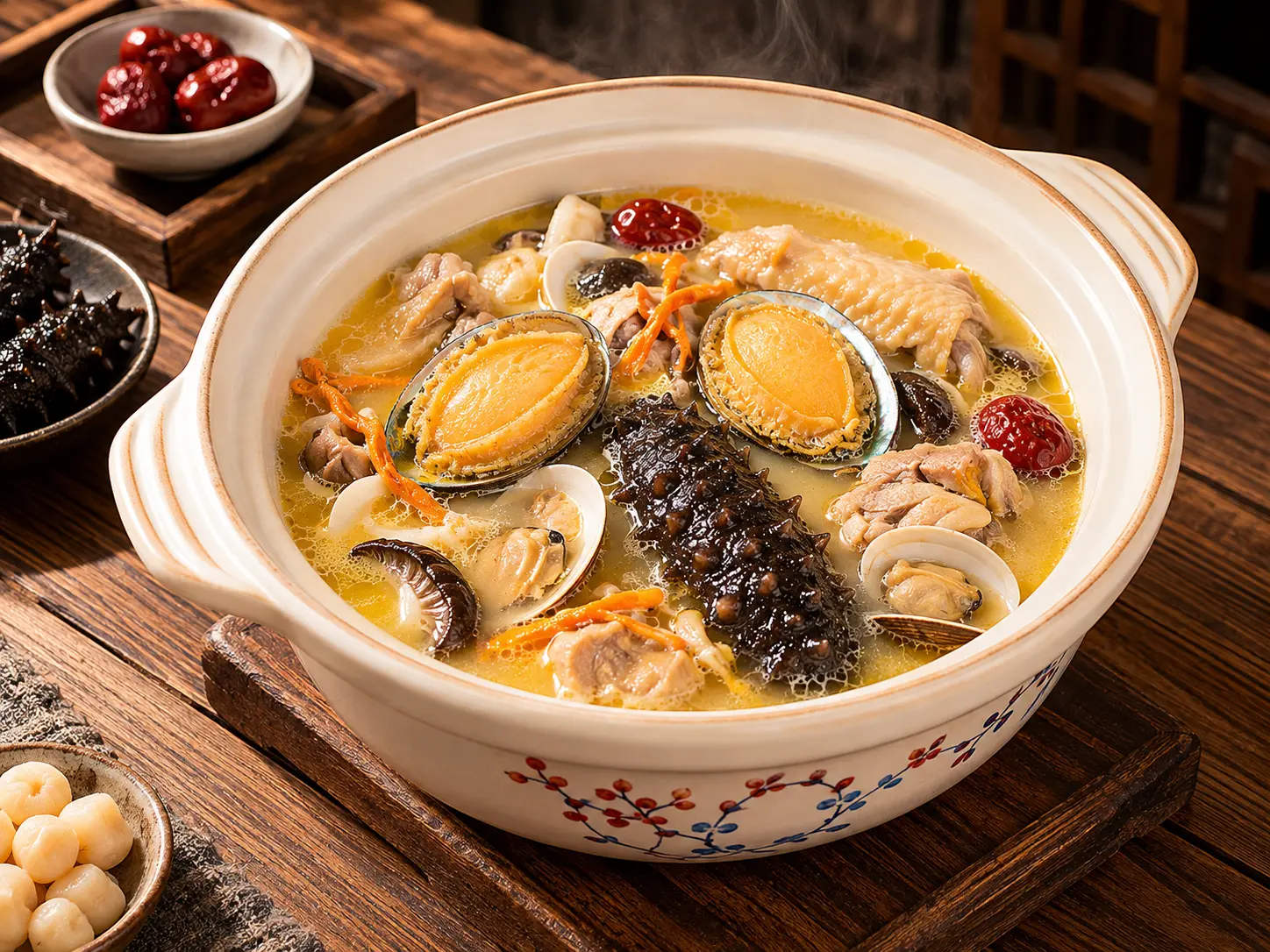
01 / DESIGN THE BROTH AROUND THE PROCESS
Buddha Jumps Over the Wall for Prepared-Food Manufacturers
Premium seafood and meat create a complex food matrix containing protein, fat, salt, minerals and suspended particulates.Modified starch must therefore perform under the actual processing and storage environment, not simply create viscosity in water.
Stable Broth Body
Create rich body and coating without turning the premium soup into a heavy starch gel.
Low Syneresis
Reduce visible water separation after freezing, thawing or extended storage.
Heat Stability
Maintain broth structure during cooking, hot filling or validated thermal processing.
Shear Resistance
Protect viscosity through pumping, mixing and commercial filling operations.
Particle Suspension
Provide enough body to distribute premium ingredients without masking their natural appearance.
Reheating Recovery
Maintain an attractive, smooth broth after boil-in-bag, kettle or other validated reheating.
02 / FOUR COMMERCIAL PRODUCT DIRECTIONS
Four Buddha Jumps Over the Wall Production Platforms
The four systems cover large-format banquet packs, premium golden seafood broth, single-serve frozen pots and shelf-stable retort-ready applications.

Classic Banquet Style
A premium pork-and-seafood banquet formulation with taro, bamboo shoots, mushrooms, quail eggs and a rich savory broth.

Golden Seafood Broth
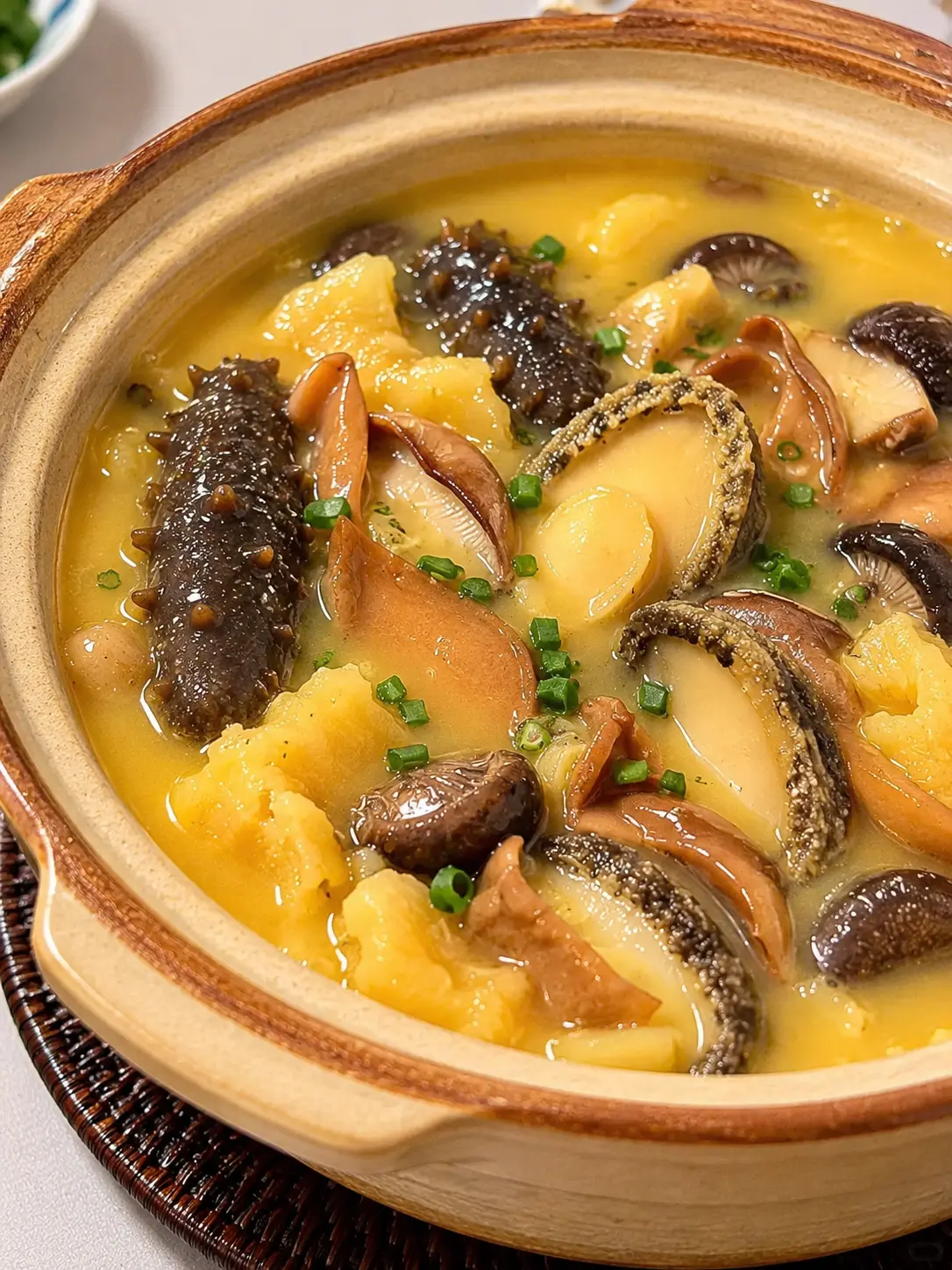
A cleaner, premium seafood-forward system with pumpkin-enhanced golden broth, abalone, sea cucumber, fish maw and scallop.
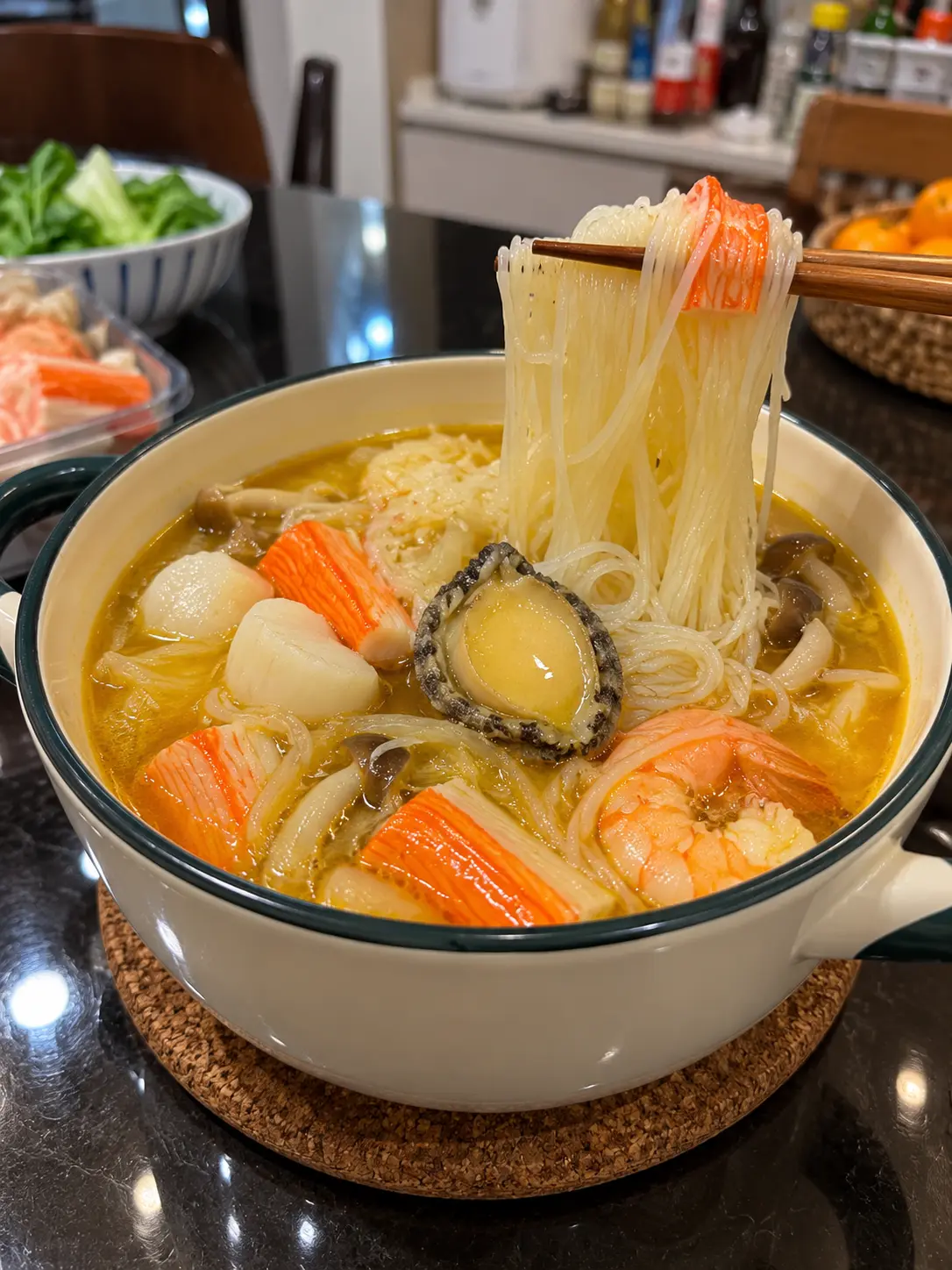
Premium Single-Serve Seafood Pot
A 200–300 g premium frozen format designed for restaurant, foodservice and high-value retail channels.
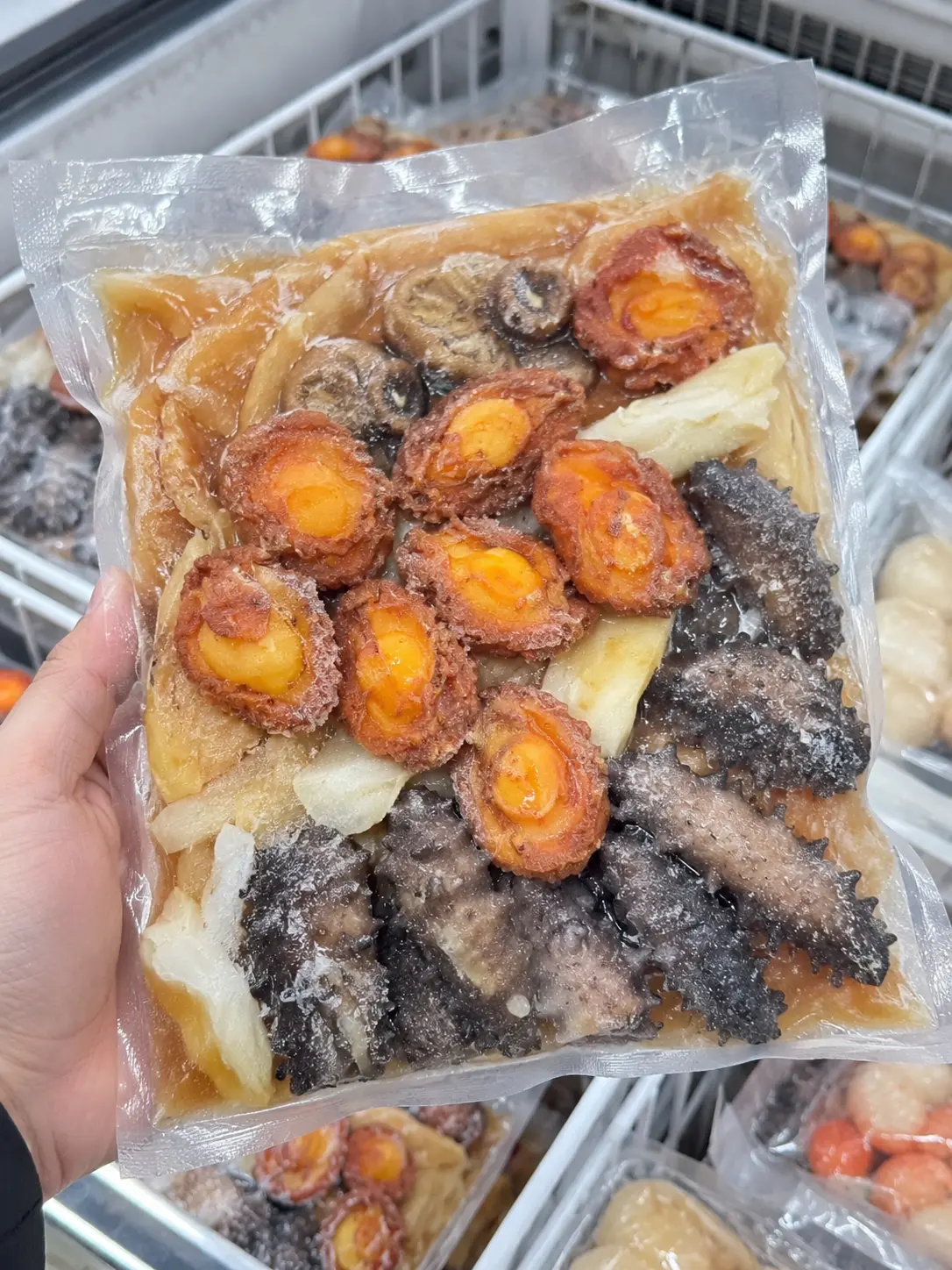
Retort-Stable Prepared Dish
A heat-process-oriented platform for manufacturers requiring stable broth viscosity after validated commercial sterilization.
TJ means Tianjiang, BJW identifies Buddha Jumps Over the Wall, and 01–04 identifies the application platform. These are independently developed Tianjiang commercial-scale starting formulations, not reproduced proprietary recipes from third-party brands.
03 / TWO-PHASE COMMERCIAL FORMULATION
Buddha Jumps Over the Wall Batch Formula Calculator
The calculator separates the product into a controlled broth phase and particulate phase, which is more useful for commercial filling, heat penetration, drained-weight control and starch optimization.
Commercial Prepared-Dish Batch Calculator
A. Broth Phase Formula
| Broth Ingredient | % of Broth Phase | Batch Mass | Primary Function |
|---|---|---|---|
| Total Broth Phase | 100.00 | — | Controlled liquid phase |
B. Premium Particulate Phase
| Particulate Ingredient | % of Particulate Phase | Batch Mass | Application Role |
|---|---|---|---|
| Total Particulate Phase | 100.00 | — | Premium solid ingredients |
TJ-BJW-01 ready.
When modified-starch dosage is changed, the calculator automatically adjusts the stock/water component so the broth phase remains exactly 100%. This enables controlled production trials without unintentionally changing the total broth mass.

04 / MODIFIED STARCH PERFORMANCE
Why Modified Starch Matters in Buddha Jumps Over the Wall
A premium prepared-dish broth contains dissolved protein, fat, salt, seasoning compounds and minerals.The starch must therefore deliver controlled body without masking the natural seafood and slow-cooked stock character.
Broth Viscosity
Build enough body to give a premium slow-cooked perception without creating a pudding-like texture.Freeze-Thaw Stability
Reduce water separation and viscosity loss after frozen storage.Heat Stability
Maintain structure through kettle cooking, hot filling or the validated thermal process.Shear Resistance
Protect viscosity during pumping, mixing and filling.Suspension
Help broth remain evenly distributed around mushrooms, seafood and meat particulates.Gloss & Mouthfeel
Create a smooth, clean and premium-looking broth rather than a cloudy starch paste.
05 / COMMERCIAL PREPARED-DISH PROCESS
Buddha Jumps Over the Wall Manufacturing Process
The broth and solid ingredients should be processed as two controlled phases before final filling. This improves weight consistency, starch control and product appearance.
-
Prepare Premium Stock
Standardize chicken, pork, seafood or mixed stock to the required solids and flavor intensity.
-
Prepare Seafood & Meat
Pre-treat sea cucumber, abalone, fish maw, pork and other premium ingredients according to specification.
-
Prepare Vegetable Components
Standardize taro, bamboo shoots, mushrooms, chestnuts and other ingredients.
-
Build the Broth
Combine stock, wine, sauces, seasoning and other liquid-phase ingredients.
-
Disperse Modified Starch
Add Tianjiang modified starch using the validated slurry or dispersion method for the selected grade.
-
Develop Final Body
Heat under controlled temperature and shear until the required broth structure develops.
-
Add Delicate Ingredients
Avoid unnecessary mechanical damage to premium seafood and fragile particulates.
-
Control Solid-to-Broth Ratio
Use a specified particulate-to-liquid ratio rather than relying on visual filling.
-
Fill by Weight
Control net weight, drained weight and distribution of premium components.
-
Freeze or Thermally Process
Use the validated commercial process appropriate to the selected packaging and shelf-life system.
-
Storage Validation
Evaluate viscosity, syneresis and ingredient quality through the intended distribution period.
-
Reheat Validation
Confirm broth recovery using the exact consumer or foodservice reheating instructions.
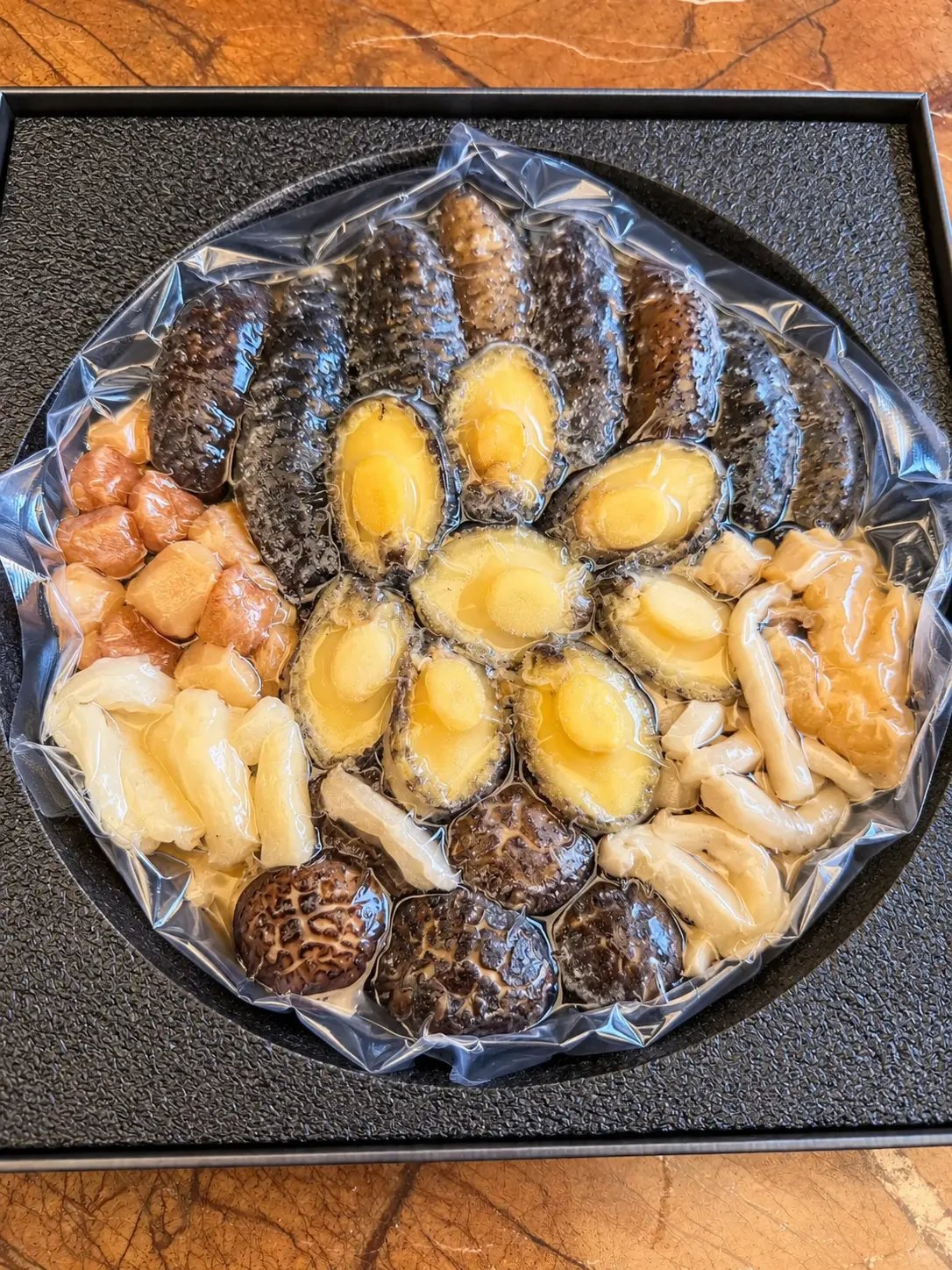
Broth, Ingredients & Frozen Product Formats
Serving and packaging references for seafood soup development, from ingredient selection to the finished frozen product.
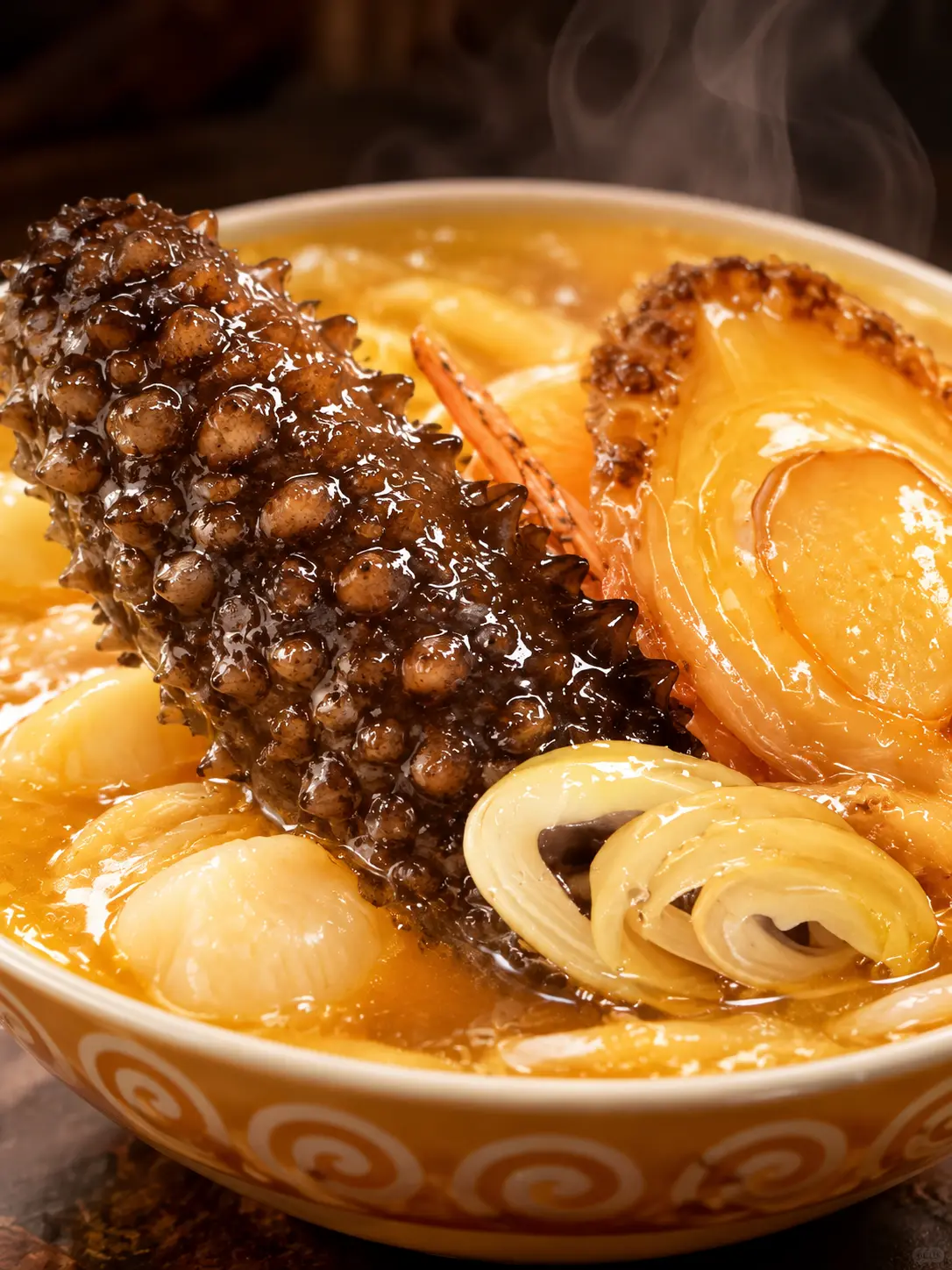

Retort processing requires a validated scheduled process.
Modified starch controls texture, not microbiological safety. For shelf-stable low-acid prepared foods, package dimensions, particulate size, fill weight, product rheology and thermal processing must be established under the manufacturer's applicable food-safety and process-authority requirements.
06 / TEST THE COMPLETE PROCESS
Buddha Jumps Over the Wall Broth Performance Testing
Evaluate starch candidates after actual cooking, filling, freezing or thermal processing, storage and reheating. Initial kettle viscosity alone is not sufficient.
Hot Viscosity
Measure broth body at a standardized serving temperature.
Freeze-Thaw Syneresis
Measure visible water separation after frozen storage and reheating.
Shear Stability
Compare viscosity before and after pumping or high-shear handling.
Heat Stability
Measure viscosity retention after the complete commercial heating process.
Suspension Quality
Check whether the broth remains evenly distributed around particulates.
Gloss & Appearance
Compare visual clarity, surface gloss and excessive starch haze.
Reheating Recovery
Check whether the broth returns to the target flow after reheating.
Sensory Mouthfeel
Evaluate coating, clean finish, richness and starch perception.
07 / DIAGNOSE THE BROTH FAILURE
Buddha Jumps Over the Wall Formulation Troubleshooting
Hold stock concentration, salt, fat, particulate load, thermal process and reheating conditions constant when screening a different modified starch.
| Observation | Likely Factors | Controlled Next Trial |
|---|---|---|
| Water separates after thawing | Poor freeze-thaw stability, retrogradation or insufficient water binding. | Screen a Tianjiang freeze-thaw-stable starch at fixed broth solids. |
| Broth becomes thin after heating | Heat, shear, salt or extended cooking may break down an unsuitable starch. | Evaluate a more heat- and shear-stable grade. |
| Broth becomes too gelled when cold | Excess starch dosage or an unsuitable cold-set structure. | Reduce dosage before changing total water. |
| Broth tastes starchy | Excessive thickener or incomplete cooking of the starch system. | Lower starch dosage and check process temperature. |
| Seafood settles unevenly | Insufficient broth body or inconsistent solid-to-liquid filling. | Optimize broth structure and establish a controlled fill ratio. |
| Viscosity varies between batches | Variable stock solids, temperature, shear or starch dispersion. | Standardize broth solids and starch-addition procedure. |
| Oil separates during reheating | Fat load, protein destabilization or insufficient continuous-phase structure. | Review starch, emulsification and heating conditions together. |
| Retort broth loses body | The starch may lack sufficient high-temperature and shear stability. | Screen a Tianjiang retort-oriented modified starch grade. |
08 / SELECT STARCH BY PROCESS
How to Select Modified Starch for Buddha Jumps Over the Wall
Share the broth composition, salt, fat, protein, pH, particulate ratio, heating process, storage format and reheating method so Tianjiang can screen the appropriate grade.
Freeze-Thaw Grade
For frozen prepared dishes requiring low syneresis after long frozen storage.
Heat-Stable Grade
For products exposed to extended kettle heating or severe thermal treatment.
Shear-Resistant Grade
For commercial systems using pumps, mixers and high-shear filling operations.
Retort-Oriented Grade
For shelf-stable prepared dishes requiring viscosity retention through validated thermal processing.
Modified Tapioca Starch
Suitable grades can provide smoothness, clarity and clean broth texture.
Modified Corn / Potato Starch
Suitable grades can be screened for higher body, process tolerance or specific mouthfeel targets.

Seafood Ingredient Packaging
Share your ingredient pack format, broth-to-solids ratio and intended storage conditions when planning a prepared seafood soup trial.
09 / R&D TO PROCUREMENT
Modified Starch Specifications for Prepared-Dish Manufacturers
Once the candidate starch passes production, storage and reheating trials, convert the application result into a controlled ingredient purchasing specification.
Exact Tianjiang Grade
Confirm product code and approved dosage.Botanical Source
Confirm tapioca, corn, potato or other starch source.Process Requirement
Define frozen, chilled, hot-fill or retort application.Broth Target
Define viscosity, flow, syneresis and reheating requirements.Representative COA
Confirm relevant incoming quality parameters.Commercial Planning
Confirm samples, MOQ, packaging, lead time and monthly volume.

10 / TECHNICAL QUESTIONS
Buddha Jumps Over the Wall FAQs
Application guidance for prepared-food manufacturers, R&D teams, OEM factories and ingredient buyers.
Why Is Modified Starch Used in Buddha Jumps Over the Wall?
Suitable modified starch can control broth viscosity, reduce water separation, improve freeze-thaw stability and maintain a consistent texture through processing and reheating.
How Much Modified Starch Should Be Used in the Broth?
The Tianjiang starting platforms on this page use approximately 2.0–2.5% modified starch within the broth phase.The optimum dosage depends on broth solids, salt, protein, fat, processing conditions and the desired final mouthfeel.
Which Modified Starch Is Suitable for Frozen Buddha Jumps Over the Wall?
A grade with suitable freeze-thaw stability, water binding and reheating recovery should be evaluated under the manufacturer's actual frozen-storage conditions.
Why Does the Broth Separate After Thawing?
Freezing can cause water redistribution and structural changes within the starch system, leading to syneresis or loss of smooth broth texture.
Can Modified Starch Survive Retort Processing?
Certain modified starch systems are designed for stronger heat and shear stability.The selected grade must still be tested inside the complete formulation under the actual validated commercial process.
Will More Starch Make the Product Better?
No. Excess starch can create a heavy, pasty or gelled broth that masks premium ingredients.The target is controlled body, not maximum viscosity.
Can Tianjiang Help Adjust the Solid-to-Broth Ratio?
Yes. For commercial prepared dishes, solid-to-liquid ratio should be treated as a manufacturing specification because it influences sensory quality, fill consistency and thermal behavior.
What Information Should I Send Tianjiang?
Share the current recipe, broth solids, salt, oil, protein system, modified starch dosage, particulate ratio, heating process, packaging, storage condition and reheating method.
11 / TALK TO TIANJIANG
Request Modified Starch Samples for Buddha Jumps Over the Wall
Share your current prepared-dish formulation, processing route and broth-stability challenge so Tianjiang can recommend a candidate starch for your next factory trial.
Prepare Your Project Brief
12 / RELATED APPLICATIONS