
Tianjiang / Jam & filling applications
Modified Starch Solutions for Jams, Fillings & Glazes
Build the texture your fruit product or sweet filling needs. Explore starch options for spreadable jams, bakery fillings, clear glazes and mooncake fillings, guided by your formulation and the way the finished product is made and used.

Glaze.
01 / Find your application
Modified Starch Applications in Jams, Fillings and Glazes
Choose an application to explore its formulation priorities. Fruit spreads, oven fillings, transparent coatings and moldable pastes need different performance targets.
 01
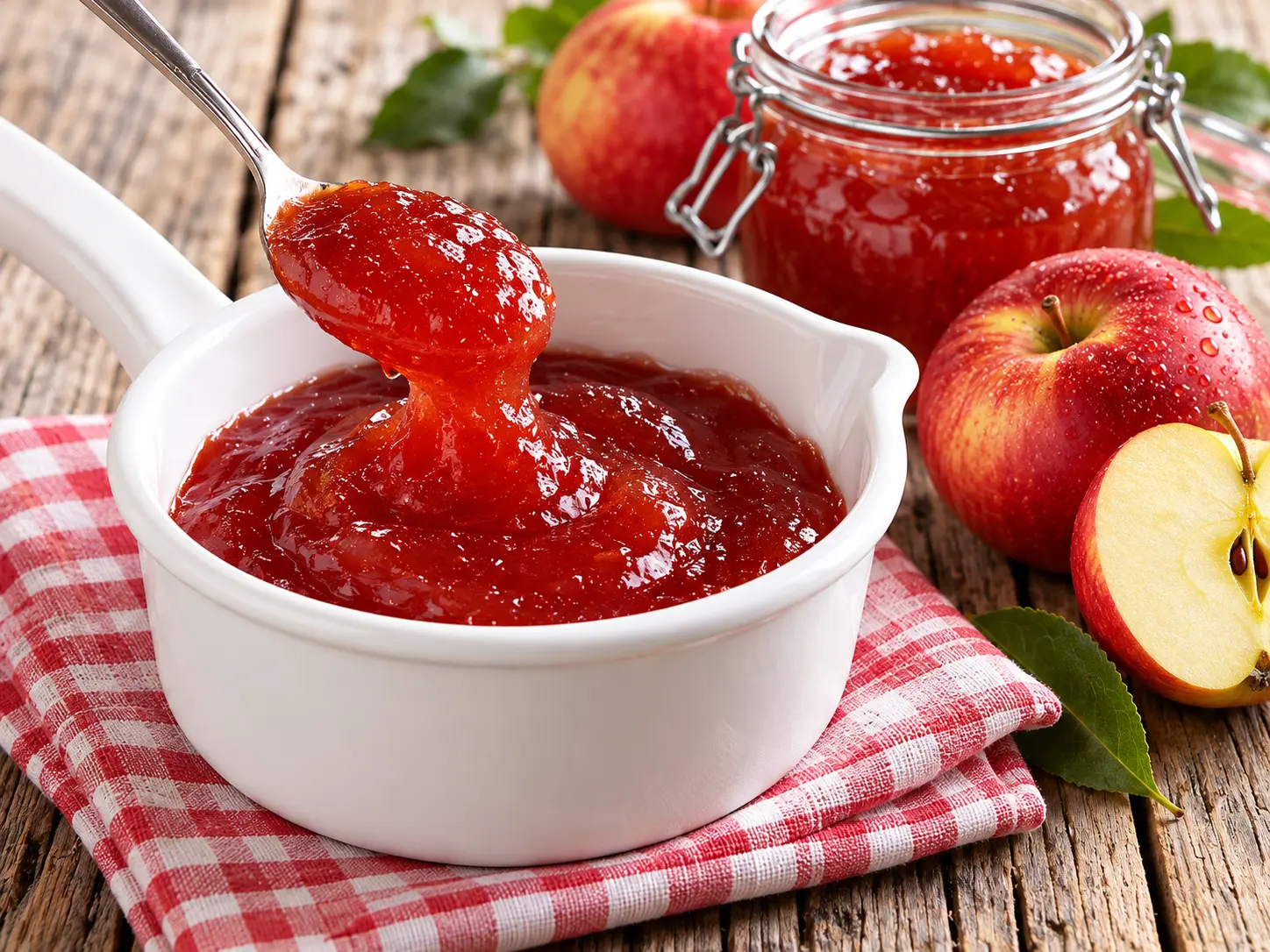
Fruit Jam
Define spreadability, fruit distribution and finished jar texture. Compare starch grades within your fruit, sugar and acid system, then evaluate viscosity, pumpability and visible separation after processing and storage.
Explore Fruit Jam 02
Baking Jam
Match the filling to its bakery use. Separate pre-bake filling from post-bake injection, and assess depositing, oven flow, boil-out, cooled texture and moisture movement in the finished bakery product.
Explore Baking Jam 03
Crystal Jam & Clear Glazes
Balance transparency, gloss and controlled flow for neutral glazes, clear fruit glazes and nappage. Define brushing, spraying or cold application before comparing coating uniformity, dripping and tack.
Explore Crystal Jam & Clear Glazes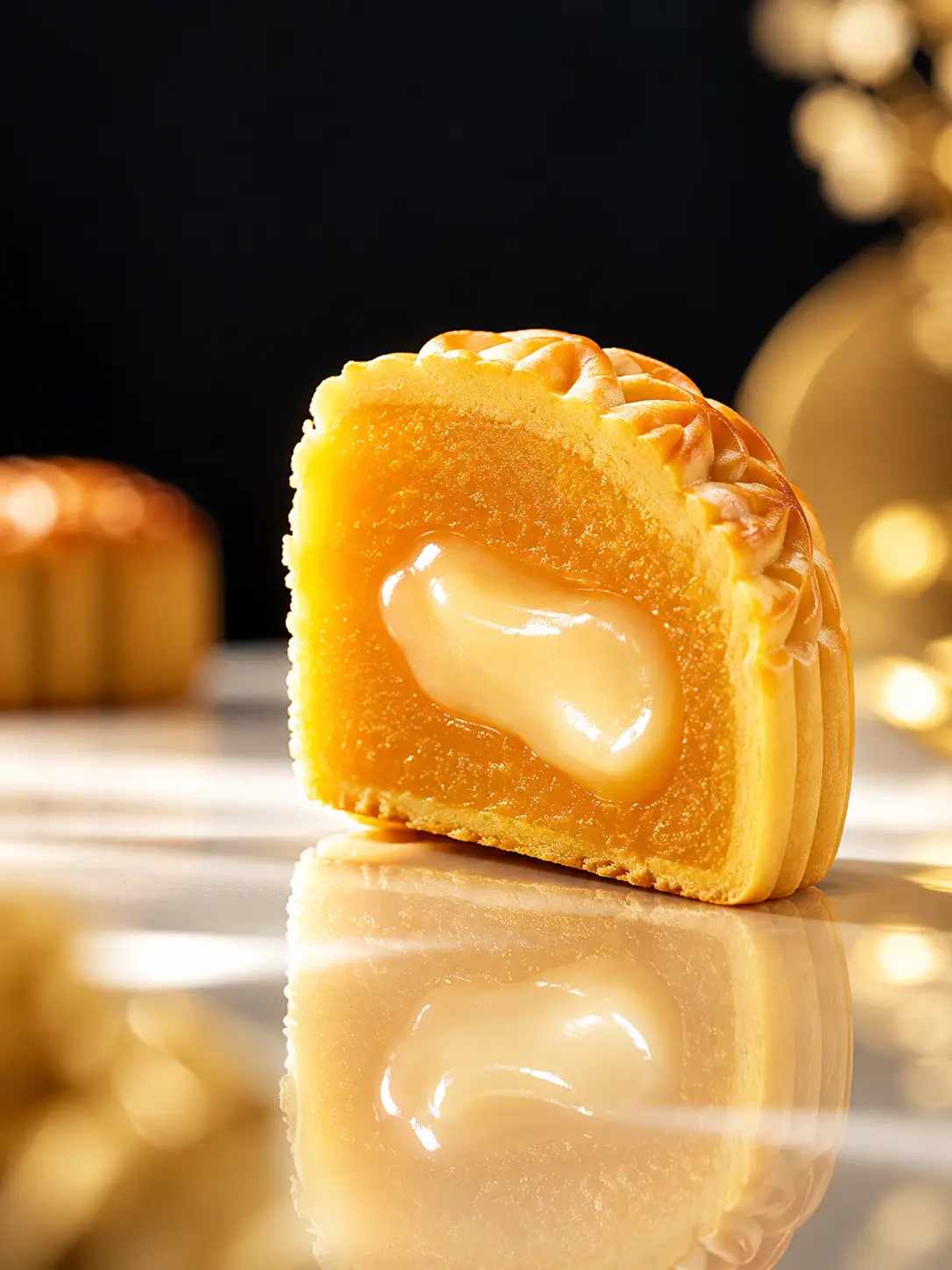 04
Mooncake Filling
Evaluate fruit-based and paste-style fillings around forming, softness and the finished eating texture. Consider the base, sugar, oil and water system alongside wrapping, molding, applicable baking and storage conditions.
Explore Mooncake Filling02 / Define the performance target
Key Technical Benefits for Jam and Filling Manufacturers
Use these targets to guide grade screening. Evaluate the contribution of starch within the complete fruit, sugar, acid, water and fat system where relevant.
Texture, Spreadability and Depositing Control
Set the right body for spreading, pumping, filling or molding. Compare flow under the intended conditions rather than treating maximum thickness as the goal.
Explore thickeningHeat and Acid Tolerance for Processing and Baking
Screen grades in the actual sugar and acid system. Distinguish kettle cooking from later baking, and evaluate the filling in the product where it will be used.
Explore heat stabilityClarity and Gloss for Glazes and Fruit Systems
Match appearance to the product. Clear glazes need a balance of body and transparency, while fruit jams and paste fillings may have different visual targets.
Explore transparency & glossWater Management and Storage Texture
Observe visible separation, firmness changes and moisture movement between filling and crust. Include frozen-storage checks only where that route is relevant.
Explore water retentionThese are evaluation priorities, not a guarantee that every starch grade provides every function. Confirm the selected grade under your formulation, processing and final-use conditions.
03 / Match formulation to final use
How to Select Modified Starch for Your Jam or Filling
Start with what the product must do: spread smoothly, deposit consistently, hold its shape or form a clear coating. Then define the conditions the starch will experience.
Define Your Formulation and Texture Target
Describe the complete recipe and the intended finished structure.
- Fruit, bean or lotus-seed paste base and particle content
- Sugars, soluble solids and acidity
- Oil, moisture and other texturizing ingredients
- Spreadability, firmness, moldability or clarity targets
Match Processing, Application and Storage Conditions
Include the actual production and application sequence.
- Cooking, concentration, acid addition and cooling
- Pumping, depositing, wrapping or molding
- Pre-bake filling, post-bake injection or glaze application
- Storage temperature and freezing only where relevant
| Application | Formulation factors | Processing and use | Trial evaluation |
|---|---|---|---|
| Fruit jam | Fruit content, particles, sugars, acidity and soluble solids | Cooking, concentration, pumping and filling | Spreadability, fruit distribution, gloss and separation |
| Baking jam | Fruit system, sugar and acid levels, target consistency | Pre-bake filling or post-bake injection; equipment and oven conditions | Deposit consistency, oven flow, boil-out and cooled texture |
| Crystal jam / clear glaze | Syrup, acidity, starch and hydrocolloid system | Hot or cold use, brushing or spraying, dilution where applicable | Clarity, gloss, coating uniformity, dripping and tack |
| Mooncake filling | Fruit or paste base, sugar, oil, moisture and solids | Cooking, cooling, wrapping, molding and applicable baking | Moldability, softness, oil or water separation and storage texture |
A glaze applied cold may still be manufactured through a hot process. Define manufacturing and application temperatures separately. Establish dosage through trials instead of using one addition rate for every jam, glaze or filling.
04 / Explore ingredient-label options
Clean Label Starch Options for Jams and Fillings
Bring your ingredient-label goals into the application brief. Compare suitable alternatives against the same texture, clarity and process targets used for your current formulation.
Functional Native Starch Options
Discuss functional native grades when a simpler ingredient declaration is part of the project. Confirm the exact product, preparation requirements and available specification before starting a comparison.
Texture, Clarity and Process Considerations
Evaluate each alternative in the full recipe. A grade suited to a fruit filling may not meet a transparent glaze’s appearance target, and replacement may require dosage or process changes.
Ingredient Declaration Requirements
Review the selected grade’s documentation and the declaration required for the intended product and market. Pregelatinization alone does not establish clean label suitability.
05 / Test the finished application
Jam and Filling Application Testing and Technical Support
Share the product you are developing and the challenge you want to address. Evaluate fillings in the actual bakery product and glazes under their intended application conditions.
- 01
Define the Trial Conditions
Record the base formula, raw-material specifications, addition sequence and evaluation temperature. Keep the benchmark and preparation conditions consistent between trials.
- 02
Evaluate Processing and Finished-Product Performance
Choose relevant tests for spreading, depositing, baking, coating or molding. Assess the cooled product and storage behavior alongside the initial processing result.
- 03
Review Grade Specifications and Supply Requirements
Discuss the exact starch grade, technical specification, sample requirements, packaging, intended market and demand before progressing toward production.
06 / Before your next formulation trial
FAQs About Modified Starch for Jams, Fillings and Glazes
Practical starting points for fruit-product manufacturers, bakery teams and ingredient buyers.
How do I select modified starch for a jam or filling?
Begin with the product type, base ingredients and texture target. Record sugar and soluble solids, acidity, fruit particles, oil where relevant, processing and storage. Compare specific grades in a controlled formulation under conditions representative of the final application.
Do fruit jam and baking jam need the same starch grade?
Not necessarily. A spreadable jam and a pre-bake fruit filling have different use conditions. A baking filling should be evaluated for depositing and its behavior in the actual pastry, including cooling. A grade considered for both uses still needs separate application trials.
How do sugar content and acidity affect starch selection?
They are important formulation conditions to include when screening a grade. Record soluble solids, pH, addition order and heat exposure, and compare samples consistently. Changing sugar or acidity may require adjustments elsewhere in the formulation rather than only changing starch dosage.
How should clarity and viscosity be balanced in a glaze?
Start with the application method and desired coating. Evaluate whether the grade and dosage provide enough body for brushing, spraying or depositing while maintaining the intended transparency and gloss. Check haze, dripping, tack and appearance at the actual use temperature.
What should be evaluated in mooncake filling trials?
Review forming, wrapping and moldability before processing, then examine the filling after the relevant baking or other preparation steps. Include softness, oil or water separation and the filling-crust interface during storage. Match the tests to the specific mooncake style and filling base.
Are clean label starch options available for jams and fillings?
Functional native and other suitable grades can be evaluated for projects with ingredient-label requirements. Review the exact product and test its texture, clarity and processing behavior in the complete formulation. A replacement should not be assumed to work at the same dosage or under an unchanged process.
07 / Tell us what you are making
Discuss Your Jam or Filling Application with Tianjiang
Tell us about your product, how it is made and the texture you want to achieve. Include the current challenge, such as depositing, oven flow, separation, clarity or moldability.