
Food Processing
Modified starch helps food manufacturers control viscosity, improve emulsion and suspension stability, retain moisture, build desirable texture and protect product quality throughout industrial food processing. Selecting the right modified starch depends on temperature, shear, acidity, pH, storage conditions, application type and the finished-product target.
What Does Modified Starch Do in Food Processing?
Modified starch can perform several functions within the same food formulation. Depending on botanical source, starch type and modification method, it can build viscosity, improve physical stability, retain moisture, delay firming and help processed foods withstand heating, shear, acidity, freezing and storage-related stress.
Thickening
Builds viscosity and body in sauces, soups, fillings and other food systems while helping improve cling and product consistency.
System Stabilization
Helps reduce oil-water separation and solid-liquid separation in emulsified or suspended systems such as dressings and yogurt.
Water Retention
Helps retain moisture in meat products, bakery foods and fillings, reducing dryness, water loss and unwanted syneresis.
Anti-Retrogradation
Helps slow starch reassociation after cooling, supporting softer texture in cakes, fillings and other starch-based foods.
Processing Tolerance
Properly selected modified starch can better tolerate high-temperature cooking, UHT processing, homogenization, shear and acidic environments.
Film Formation
Selected starch systems can form protective films on confectionery or fruit surfaces, helping manage stickiness and moisture movement.
Mouthfeel Improvement
Modified starch can help create smoother, cleaner and more cohesive texture and may replace part of selected hydrocolloid systems in some formulations.
Modified Starch Performance Under Industrial Food Processing
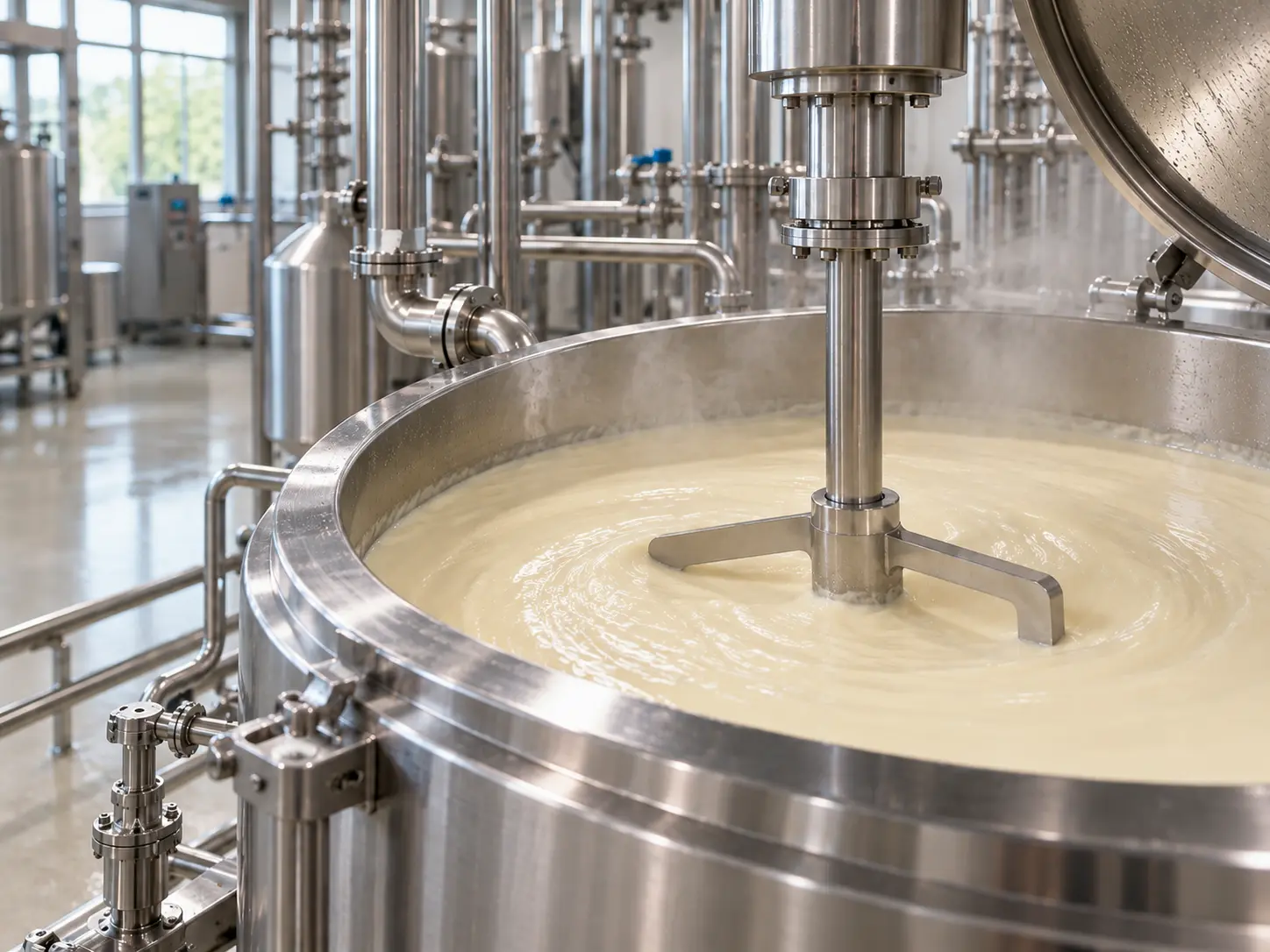
Native starch can lose viscosity or texture under severe heating, high shear, homogenization or acidic processing conditions. Modified starch can be designed for greater process tolerance, helping food manufacturers maintain viscosity, texture and stability during modern industrial food processing.


Typical Modified Starch Addition Levels
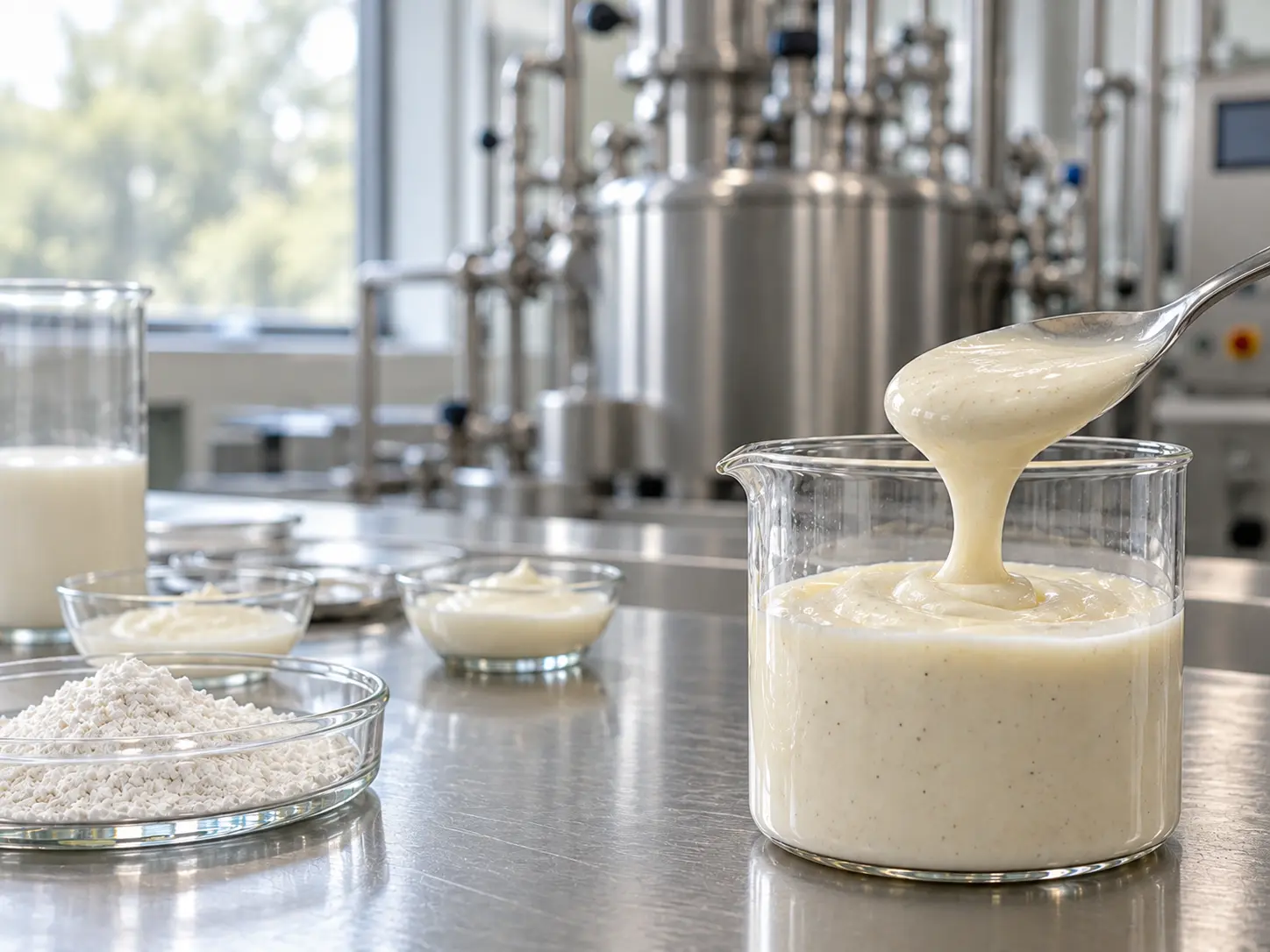
The optimum modified starch dosage depends on starch type, formulation solids, pH, processing conditions and the target viscosity, texture or stability. The following working ranges can be used as formulation starting points for common food processing applications before validation.
The supplied reference cites GB2760 and notes that many modified starches are used according to production needs rather than a single universal maximum level. Actual use must still be confirmed against the applicable regulations in the target market and validated in the finished formulation.
Sauce Systems
Typical working range supplied in your technical reference for building viscosity, stability and cling in sauces.
Fruit & Bakery Fillings
Used to adjust body, moisture retention, filling stability and processing behavior.
Dairy Systems
The supplied reference lists this range for supporting viscosity and reducing undesirable phase separation in yogurt.
Canned & Prepared Foods
Typical reference range for improving body and stability in thermally processed prepared-food systems.
How to Add Modified Starch During Food Processing
Correct modified starch dispersion is important because poor addition practices can create lumps, uneven hydration and inconsistent viscosity. A controlled mixing sequence helps improve starch hydration, processing consistency and finished food texture.
Dry Premix
Premix modified starch thoroughly with dry ingredients such as sugar or salt before adding the blend to water. This helps separate starch particles and reduces lumping.
Disperse Gradually
Add the premixed starch gradually into the liquid phase under continuous agitation rather than adding a concentrated mass at once.
Heat as Required
Raise the temperature according to the formulation and selected starch grade to develop viscosity. Pregelatinized starch can be selected where cold-water viscosity is required.
Combining Modified Starch With Food Gums
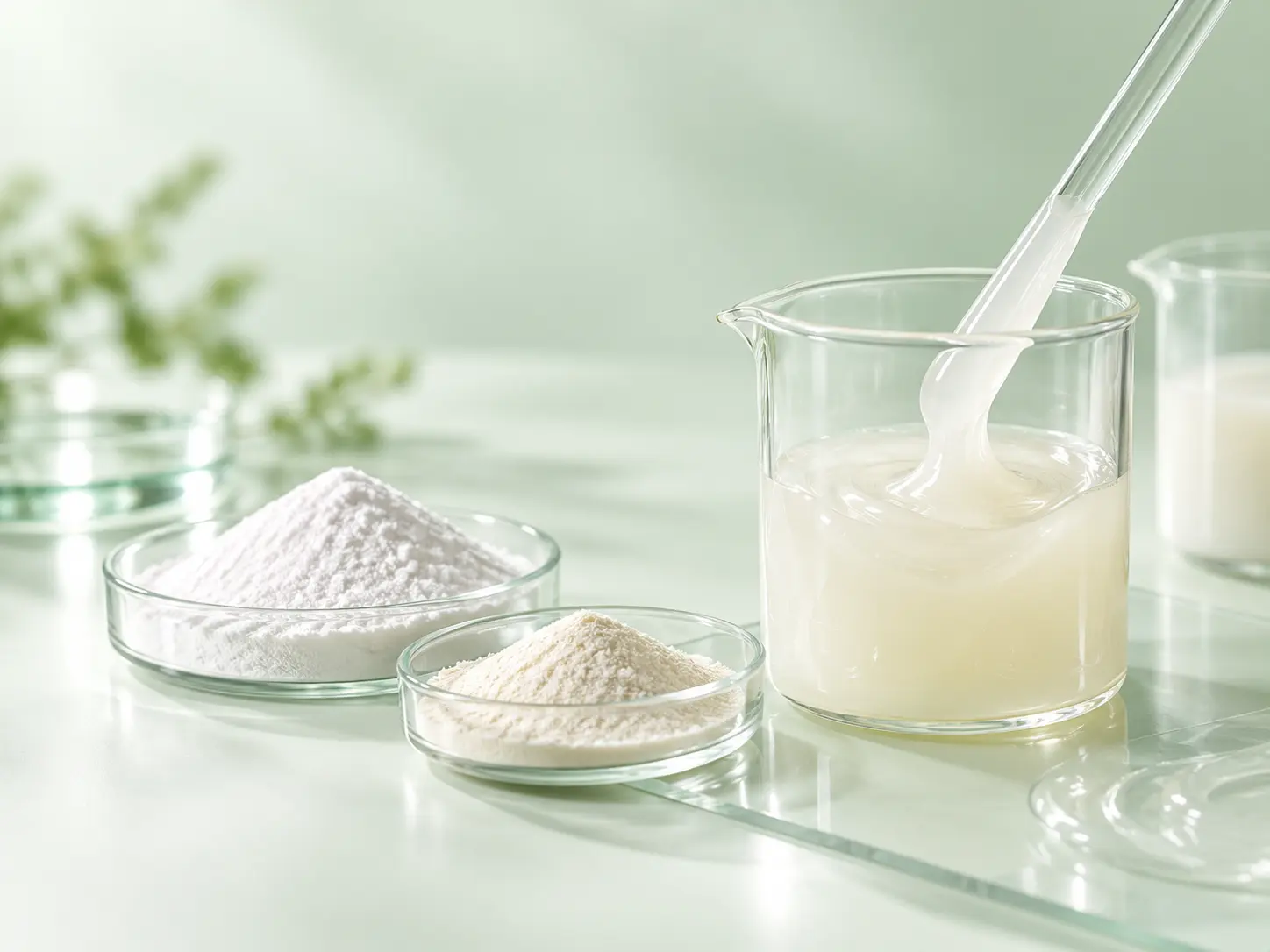
Your technical reference notes that modified starch is frequently used together with hydrocolloids such as xanthan gum, carrageenan and CMC. A combined system can provide complementary viscosity and texture effects, although the optimum ratio must be validated for the specific formulation.
Hydroxypropyl Distarch Phosphate + Xanthan Gum
This combination is identified in your supplied material as a possible sauce-system approach where starch body and hydrocolloid stability are required together.
Hydroxypropyl Starch + Carrageenan
Your reference lists this combination for meat products where water retention, binding and finished texture may need to work together.
Where Modified Starch Supports Food Processing
Modified starch applications vary by food category. Sauces, dairy products, fruit fillings, meat products, bakery foods and confectionery each require different balances of viscosity, stability, moisture retention, processing tolerance and eating quality.


How to Select Modified Starch for Food Processing
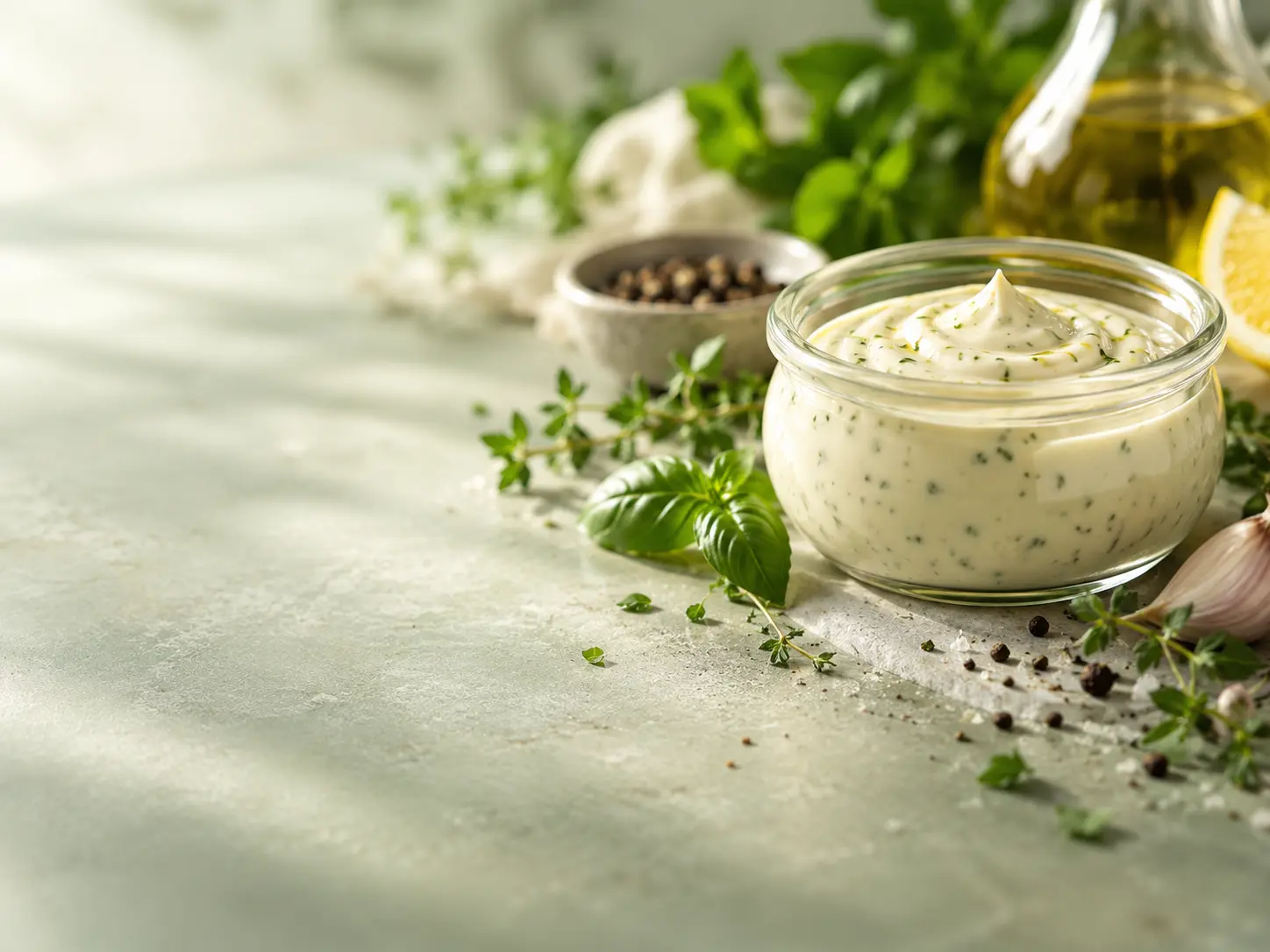
Modified starch selection should begin with the actual food formulation, processing conditions and finished-product target rather than choosing a starch only by product name.
Define the Food System
Identify water, fat, protein, sugar, salt, acids and total solids in the formulation.
Define the Process
Consider cooking temperature, UHT treatment, shear, homogenization, pumping and filling conditions.
Define the Functional Target
Determine the required viscosity, stability, moisture retention, texture and appearance.
Validate the Dosage
Confirm starch type and addition level through laboratory or pilot testing under the real process.
Recommended usage levels are starting points, not fixed formulation rules.
Final starch dosage depends on starch grade, botanical source, processing temperature, shear intensity, formulation composition and finished-product requirements. Commercial production should be validated through application testing and checked against the regulations applicable in the destination market.
Food Processing FAQ
Common formulation and processing questions when using modified starch in food production.
Modification can change granule strength, hydration behavior and starch-chain interaction. Depending on the modification, this can improve resistance to heat, shear, acidity and storage-related texture changes compared with native starch.
The supplied technical reference gives typical starting ranges such as 1%–4% for sauces, 0.5%–2% for fillings, 0.2%–1% for yogurt and 0.5%–2% for canned foods. Actual dosage should be adjusted according to the starch grade, processing conditions and required texture.
Your reference recommends dry-premixing modified starch with ingredients such as sugar or salt before gradually dispersing the mixture into water under agitation. This helps prevent local overhydration and agglomeration.
No. Conventional cook-up starches normally require heating to develop viscosity, while pregelatinized starch can provide cold-water hydration for suitable instant or cold-process applications.
Yes. Your supplied material specifically mentions starch-hydrocolloid combinations such as hydroxypropyl distarch phosphate with xanthan gum in sauces and hydroxypropyl starch with carrageenan in meat products. Ratios should be optimized for each formulation.
Useful information includes the food category, current recipe, pH, processing temperature, shear conditions, target viscosity, storage method and any texture or stability problem that needs to be corrected.
Build the Starch Around Your Food Process.
Tell us your food application, formulation, processing temperature, pH, shear conditions, storage method and target texture. Tianjiang can help evaluate a modified starch system around your actual food processing and production requirements.