
Tianjiang / Food applications
Modified Starch Solutions for Seasonings & Condiments
Build the texture your sauce needs. Explore starch options for savory sauces, dressings and sweet sauces, with selection guided by your formulation, processing conditions and finished-product targets.

Process fit.
01 / Find your application
Modified Starch Applications in Sauces and Dressings
Choose your product category to explore its formulation priorities, processing considerations and starch evaluation needs.
 01
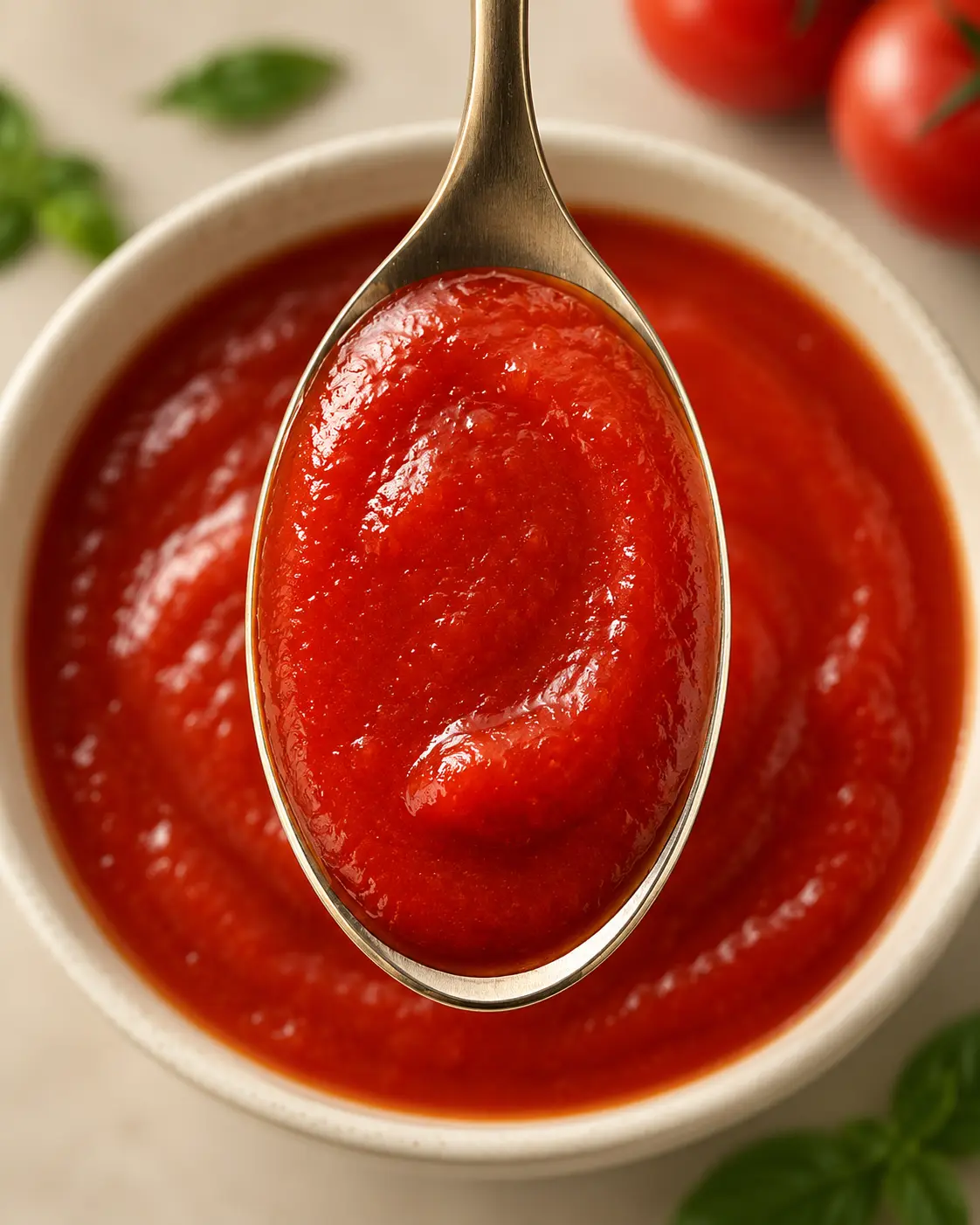
Tomato Sauce
Evaluate body, pourability and coating in acidic tomato systems. Consider tomato solids, sugar, heating and mixing when comparing starch grades and checking separation after processing.
Explore Tomato Sauce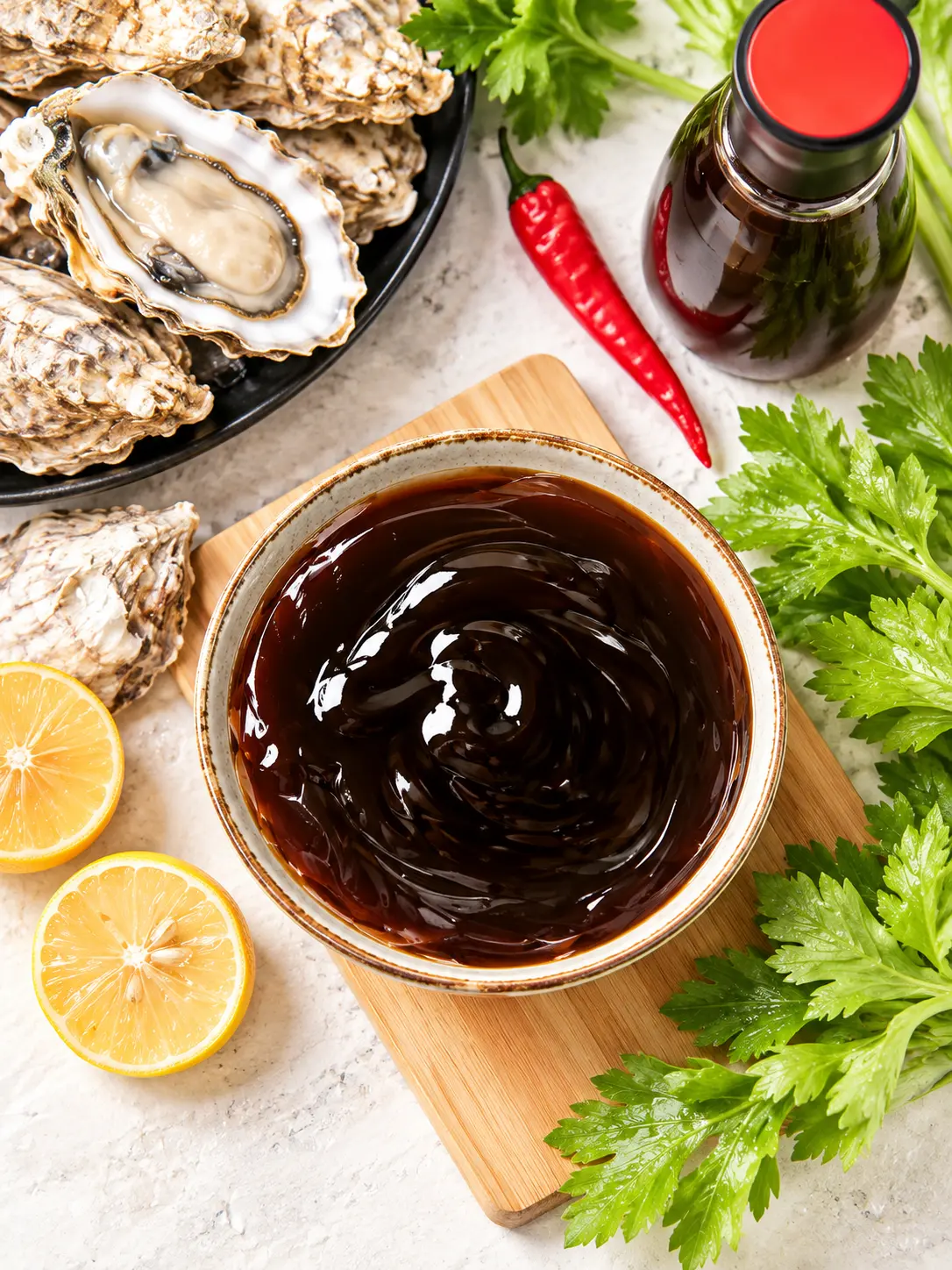 02
Oyster Sauce
Define the body, gloss and dispensing behavior of your oyster sauce. Match starch trials to the complete salt, sugar and extract system, then compare consistency after cooling and storage.
Explore Oyster Sauce 03
Seasoning Sauce
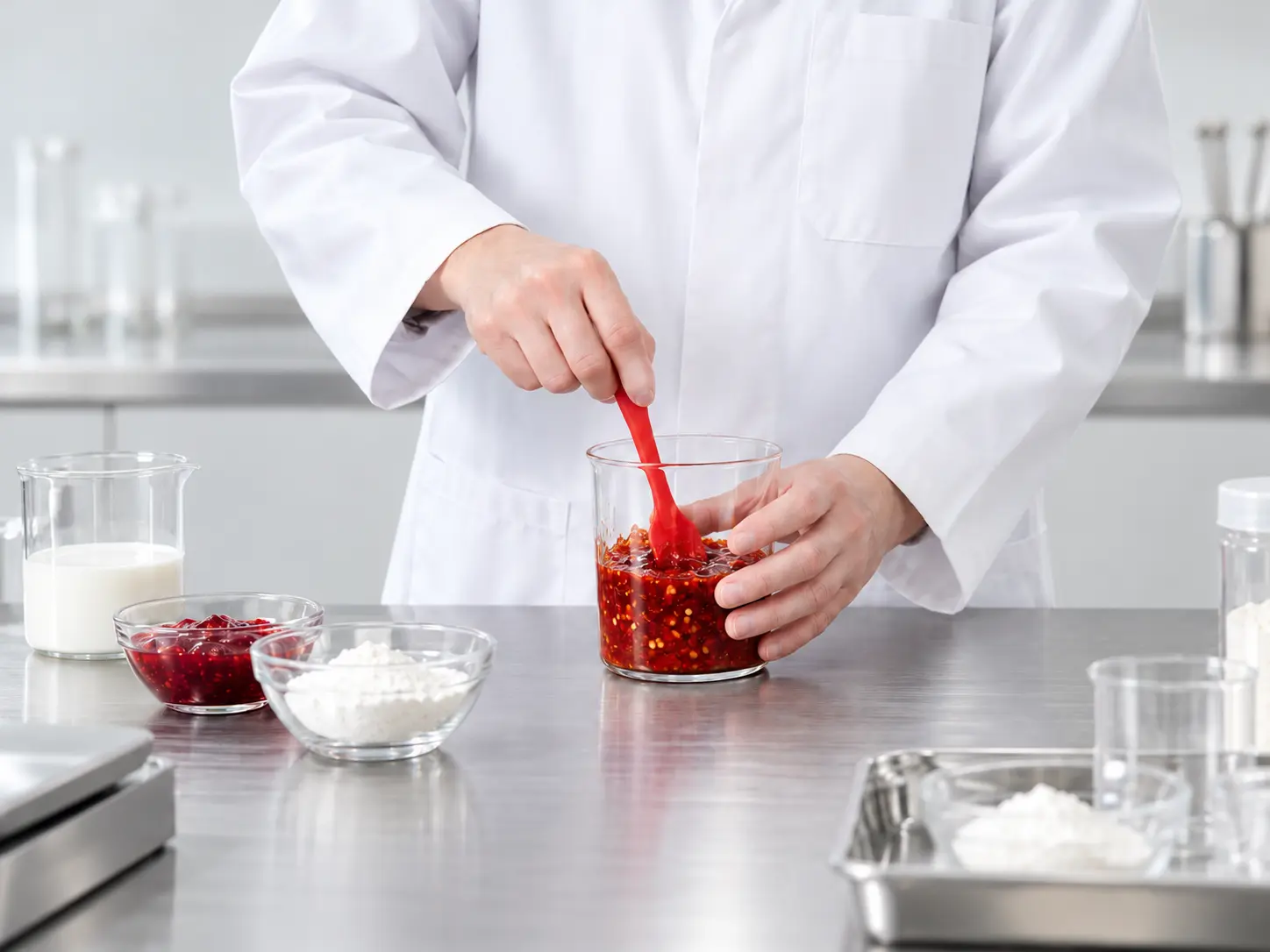
Explore chili and sweet chili sauce development around coating, flow and particle distribution. Set the desired pouring or dipping behavior before screening starch against your production conditions.
Explore Seasoning Sauce 04
Salad Dressing
Balance pourability, cling and mouthfeel in dressing systems. Review oil level, acidity and the emulsification process, distinguishing viscosity-building needs from the role of the complete emulsifier system.
Explore Salad Dressing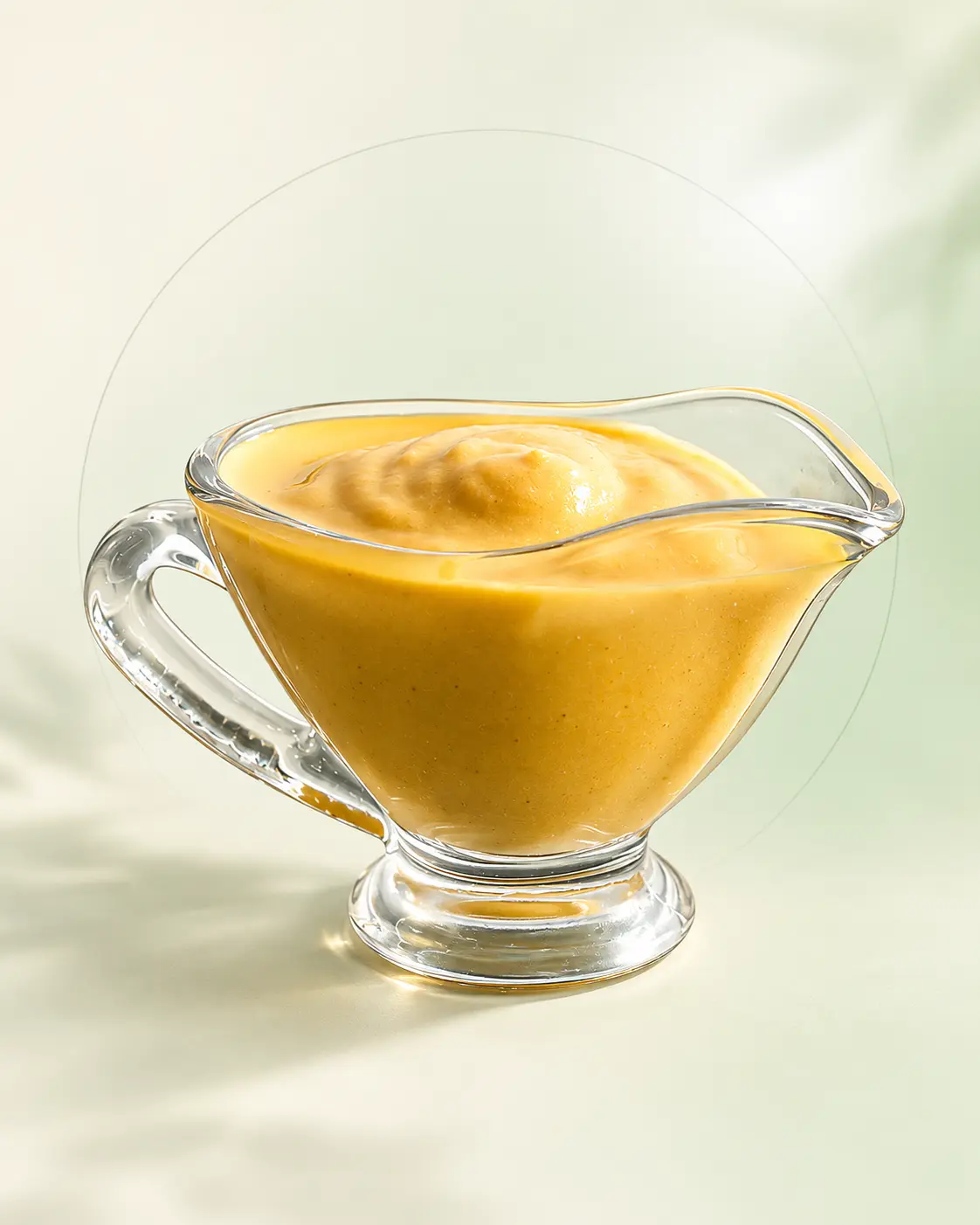 05
Cheese Sauce
Develop creamy body and controlled flow around cheese solids, protein, fat and emulsifying salts. Compare texture through heating, filling and the intended hot-hold or reheating conditions.
Explore Cheese Sauce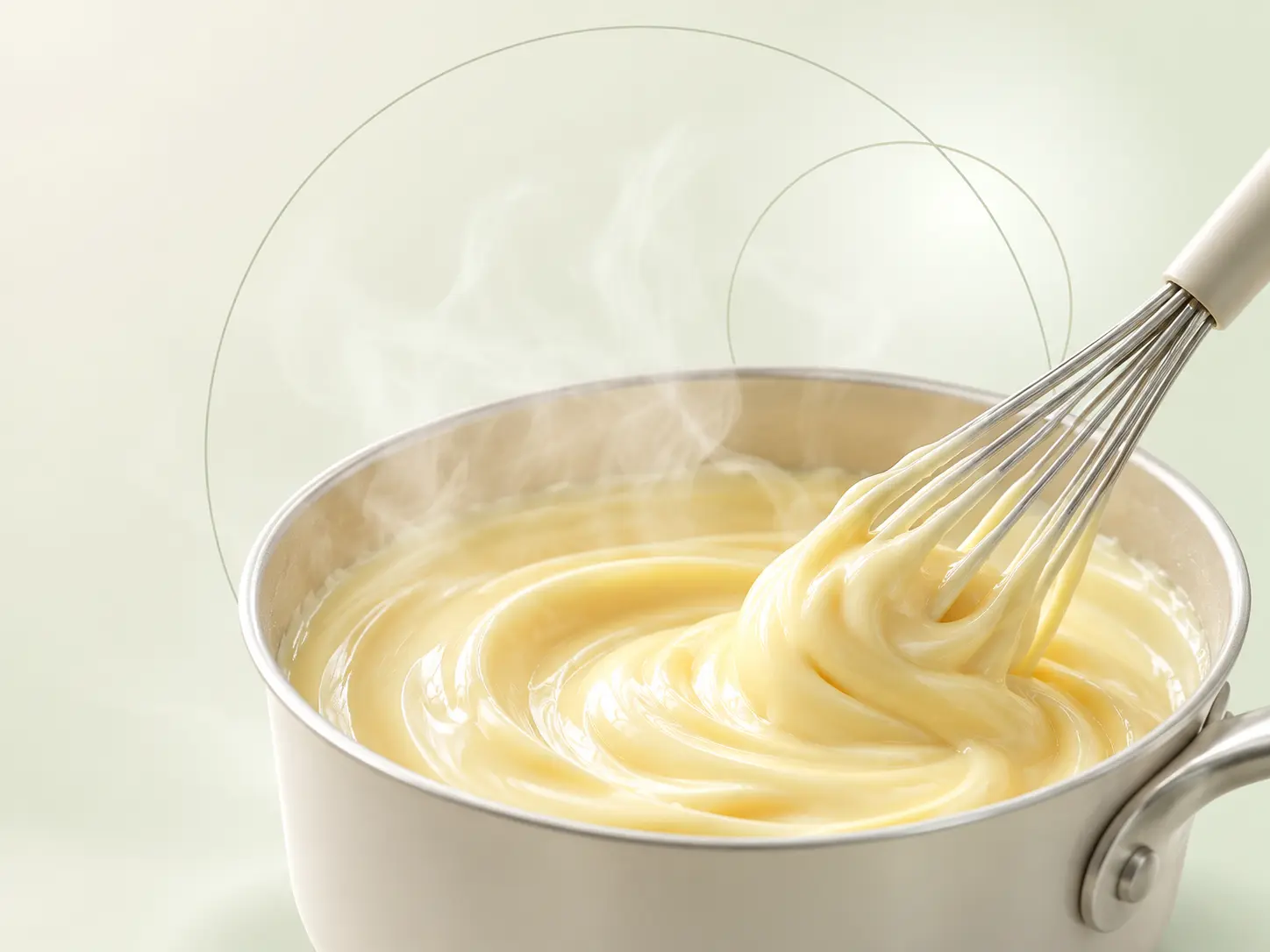 06
Custard Sauce
Set the right balance of smoothness, spoonability and flow for sweet sauce applications. Evaluate the starch together with sugar, dairy solids and fat, including texture after cooling.
Explore Custard Sauce02 / Define performance
Key Technical Benefits for Condiment Manufacturers
Use these performance targets to guide starch screening. The right balance depends on the grade, the whole formulation and the actual production process.
Viscosity, Flow and Coating Control
Target the pour, squeeze or cling your product requires. Compare finished consistency at the intended serving temperature rather than judging thickness alone.
Explore thickeningAcid, Salt, Heat and Shear Tolerance
Screen grades under your acid and salt levels, heat exposure, mixing and pumping conditions. Check viscosity after the complete process, not only in a water-based test.
Explore acid & salt resistanceWater Retention and Syneresis Control
Monitor visible liquid separation, texture changes and product uniformity during storage. Keep the recipe and evaluation conditions consistent across trials.
Explore water retentionFreeze-Thaw Stability for Frozen Applications
For sauces exposed to freezing, compare texture and separation after representative freeze-thaw cycles. Include the actual thawing and reheating routine where relevant.
Explore freeze-thaw stabilityThese are evaluation priorities, not a guarantee that every starch grade provides every function. Confirm performance with the specific grade and your production conditions.
03 / Match the whole system
How to Select Starch for Your Sauce Formulation
Start with the product you want to make, then define the conditions the starch must work through. A clear brief makes grade selection and comparative trials more useful.
Formulation and Texture Targets
Describe the finished sauce and the benchmark you want to match.
- Product type, pH, salt, sugar and total solids
- Oil, dairy, protein and other thickening ingredients
- Pourability, coating, gloss and desired mouthfeel
- Serving temperature and packaging format
Processing and Storage Conditions
Capture the full journey from ingredient addition to final use.
- Hot processing or cold preparation
- Addition order, cooking temperature and holding time
- Mixing, pumping and homogenization exposure
- Ambient, chilled or frozen storage and reheating
| Application | Formulation factors | Texture targets | Trial checks |
|---|---|---|---|
| Tomato sauce | Acidity, tomato solids, sugar | Flow, cling, uniformity | Post-process viscosity and separation |
| Oyster sauce | Salt, sugar, oyster extract | Body, gloss, dispensing | Consistency after cooling and storage |
| Seasoning sauce | Acidity, solids, pepper particles | Coating, dipping or pouring | Flow and particle distribution |
| Salad dressing | Oil level, acidity, emulsifier system | Pourability, cling, mouthfeel | Separation and serving behavior |
| Cheese sauce | Cheese, protein, fat, emulsifying salts | Creaminess and smooth flow | Hot holding, separation and reheating |
| Custard sauce | Sugar, dairy solids, fat | Smoothness and spoonability | Cooled texture and water separation |
Starch dosage should be established through controlled trials. A single addition rate or processing limit cannot represent all sauce systems.

04 / Explore label options
Clean Label Alternatives for Sauces and Condiments
Bring your ingredient-label goals into the selection brief. Evaluate suitable alternatives against the same texture and processing targets used for your current sauce.
Functional Native Starch Options
Consider functional native grades when a simpler ingredient declaration is part of the project. Confirm the exact grade, available documentation and suitability for your process.
Instant and Cook-Up Options
Match hydration requirements to your production line. Review options for cold preparation or cooking, rather than assuming that all starches develop viscosity in the same way.
Application and Labeling Considerations
Pregelatinization alone does not establish clean label suitability. Review the product’s processing history, specification and labeling requirements for your destination market.
05 / From brief to evaluation
Application Testing and Technical Support
Share a practical application brief with Tianjiang to discuss starch options and the information needed for your evaluation.
- 01Define the trial conditions
Record the base formulation, target texture, ingredient addition sequence and processing conditions before comparing grades.
- 02Compare the finished sauce
Evaluate viscosity at a defined temperature, flow, coating, appearance and separation. Include storage and reheating checks where relevant.
- 03Review the supply requirements
Discuss the exact grade, technical specification, sample requirements, packaging and intended market before moving toward production.
06 / Before your next trial
FAQs About Starch for Sauces and Condiments
Practical starting points for formulation teams and ingredient buyers.
How do I choose modified starch for a sauce?
Start with your sauce type, formulation and texture target. Then consider pH, salt, sugar, solids, heating, shear and storage. Shortlist specific grades and compare them under consistent conditions that reflect the actual production process.
Can one starch grade work across different sauce applications?
A grade may be suitable for more than one application, but performance should be evaluated in each formulation. A change in acidity, oil content, solids or processing can change the finished result. Use application trials rather than assuming one grade is universal.
What information is needed to recommend a starch grade?
Provide the product type, target texture, current formulation outline, key processing conditions, storage route and intended market. If available, include a benchmark sample description, your current starch grade and the main problem you want to address.
How do hot-process and cold-process sauces differ in starch selection?
Cook-up grades need suitable cooking conditions to develop their intended viscosity. Cold-prepared systems require grades designed for the relevant hydration conditions. Confirm dispersion, addition order and preparation guidance for the specific product rather than treating the two approaches as interchangeable.
How should starch dosage be determined?
Set an initial trial range using guidance for the exact grade, then adjust against measured texture and process results. Keep other formulation variables controlled during comparisons. There is no single dosage that applies to every tomato sauce, dressing, cheese sauce or sweet sauce.
Are clean label starch options available for sauces?
Functional native and other suitable starch options can be evaluated for projects with ingredient-label requirements. Confirm the grade’s specification, processing characteristics and the intended declaration. A replacement should be tested in the full formulation and may require process or dosage adjustments.
07 / Let’s discuss your product
Discuss Your Sauce Application with Tianjiang
Tell us what you are making, how you process it and the texture you want to achieve. Include your current challenge so the discussion can focus on the conditions that matter.