
Modified Starch Solutions for Prepared Dishes
Explore modified starch solutions for Buddha Jumps Over the Wall, Fish Maw Chicken and Crispy Fried Pork. Match starch functionality to broth consistency, water retention, coating adhesion and finished texture through cooking, storage and final preparation.

Modified Starch Applications in Prepared Dishes
Explore three prepared-dish applications: Buddha Jumps Over the Wall, Fish Maw Chicken and Crispy Fried Pork. Compare starch options for rich broths, smooth chicken soups and crisp coatings, with selection guided by your cooking process, storage route and final preparation method.
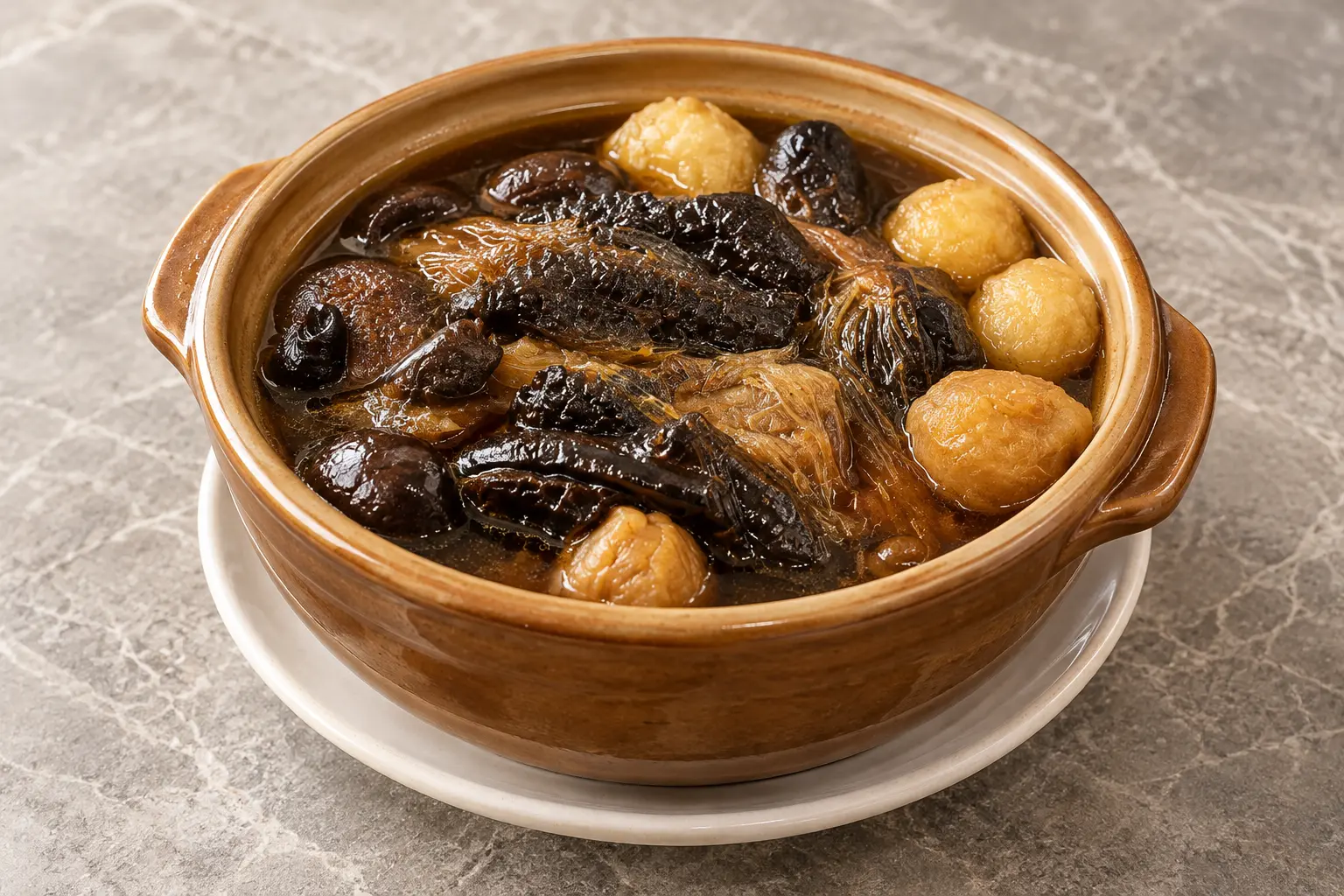
Buddha Jumps Over the Wall
Develop a rich, smooth broth that complements seafood, meat and other ingredients. Suitable modified starch grades can support controlled viscosity, ingredient distribution and reduced water separation. Evaluate cooking tolerance, pumping performance and broth texture after the intended storage and reheating route to maintain the desired balance of body and flow.
Explore Buddha Jumps Over the Wall
Fish Maw Chicken
Fish Maw Chicken combines tender ingredients with a smooth, full-bodied chicken broth. Starch selection focuses on soup consistency, water retention and a uniform appearance through heating, filling and reheating. Compare suitable grades in the complete recipe, including its protein, fat and salt levels, and assess broth smoothness after chilled or frozen storage as required.
Explore Fish Maw Chicken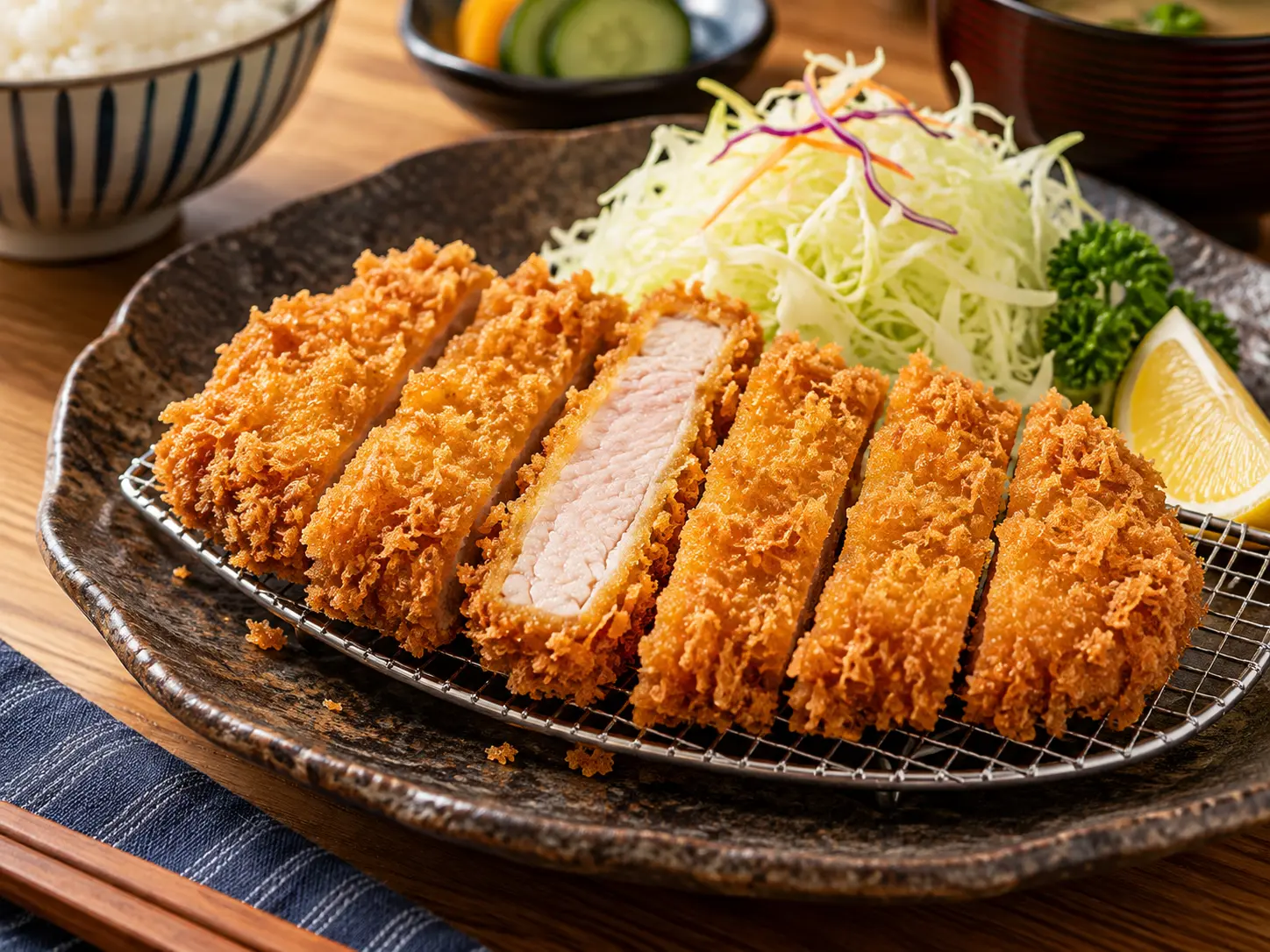
Crispy Fried Pork
Build a coating system around the desired crunch, adhesion and final preparation method. Suitable modified starch grades can support batter consistency, even coating pickup and crust formation. Evaluate coating integrity and eating texture after frying, holding or frozen storage and reheating, alongside the flour blend, water level and frying conditions used in your process.
Explore Crispy Fried PorkChoose the application that matches your product. Review broth consistency for Buddha Jumps Over the Wall and Fish Maw Chicken, or coating performance for Crispy Fried Pork, then compare candidate starch grades under your actual processing and serving conditions.
Key Technical Benefits for Prepared Food Manufacturers
Starch performance should be assessed at the points where the formulation is heated, mixed, packaged, stored and finally reheated. These technical priorities guide application trials; actual results depend on the starch grade and food matrix.
Heat Stability and Viscosity Retention
Cooking, simmering, hot filling and reheating expose sauces to different thermal histories. Choose candidates based on the actual process, then compare viscosity and texture after heating and holding; no single grade is guaranteed across all temperatures and durations.
Sauce Consistency and Coating Performance
Target the right body, cling and flow for the dish. A sauce may need to coat meat or vegetables without becoming too thick to pump or dispense. Evaluate prepared-food appearance and eating quality alongside instrumental viscosity.
Moisture Retention and Reduced Syneresis
Cooling, chilled storage, frozen storage and reheating can affect water distribution differently. Observe visible separation and changes in texture for the complete food matrix, considering salt, protein, oil and other stabilizers.
Shear Resistance and Processing Consistency
Industrial mixing, transfer, pumping and filling can change the structure of a thickened sauce. Compare candidate starches under representative mixing speeds and handling steps to support more consistent batch performance.
A viscosity or texture benefit in one recipe should not be assumed to transfer unchanged to every prepared dish or thermal process.
How to Select Modified Starch for Prepared Dishes
Start with the food system, then match its real processing and storage conditions. Use the comparison framework below to define trials before requesting a specific starch grade.
Identify Your Food Matrix and Functional Targets
- Dish type: broth, braised meat, seafood, vegetables or mixed ready meal.
- Food matrix: water, oil, protein, salt, acidity and existing thickening ingredients.
- Starch placement: sauce, soup, coating, filling or internal component.
- Desired behavior: pourable broth, thick sauce, coating, softness or mouthfeel.
- Challenges: separation, thinning, clumping, uneven coating or texture change.
Match Thermal Processing, Packaging and Storage Conditions
- Cooking method: simmering, steaming, stir-frying or thermal processing.
- Actual temperature, hold time, acidity and mixing or pumping intensity.
- Hot filling, cold filling, retort or another packaging route.
- Intended storage: ambient, chilled or frozen.
- Final preparation: microwave, steaming, water bath or pan reheating.
- Starch dosage basis and the reference formulation for trials.
| Application | Key Processing | Functional Target | Priority Evaluation |
|---|---|---|---|
| Buddha Jumps Over the Wall | Broth cooking, pumping, filling and reheating | Controlled broth body and ingredient distribution | Hot viscosity, water separation and reheated texture |
| Fish Maw Chicken | Soup cooking, filling, chilled or frozen storage and reheating | Smooth broth, water retention and uniform appearance | Broth consistency, visible separation and reheating quality |
| Crispy Fried Pork | Batter mixing, coating, frying and final preparation | Coating adhesion, even pickup and crisp texture | Batter viscosity, coating integrity and crispness after holding or reheating |
Choose candidates against your complete process. Do not assume that a listed starch grade can tolerate all retort, acid, salt or shear conditions without application testing.
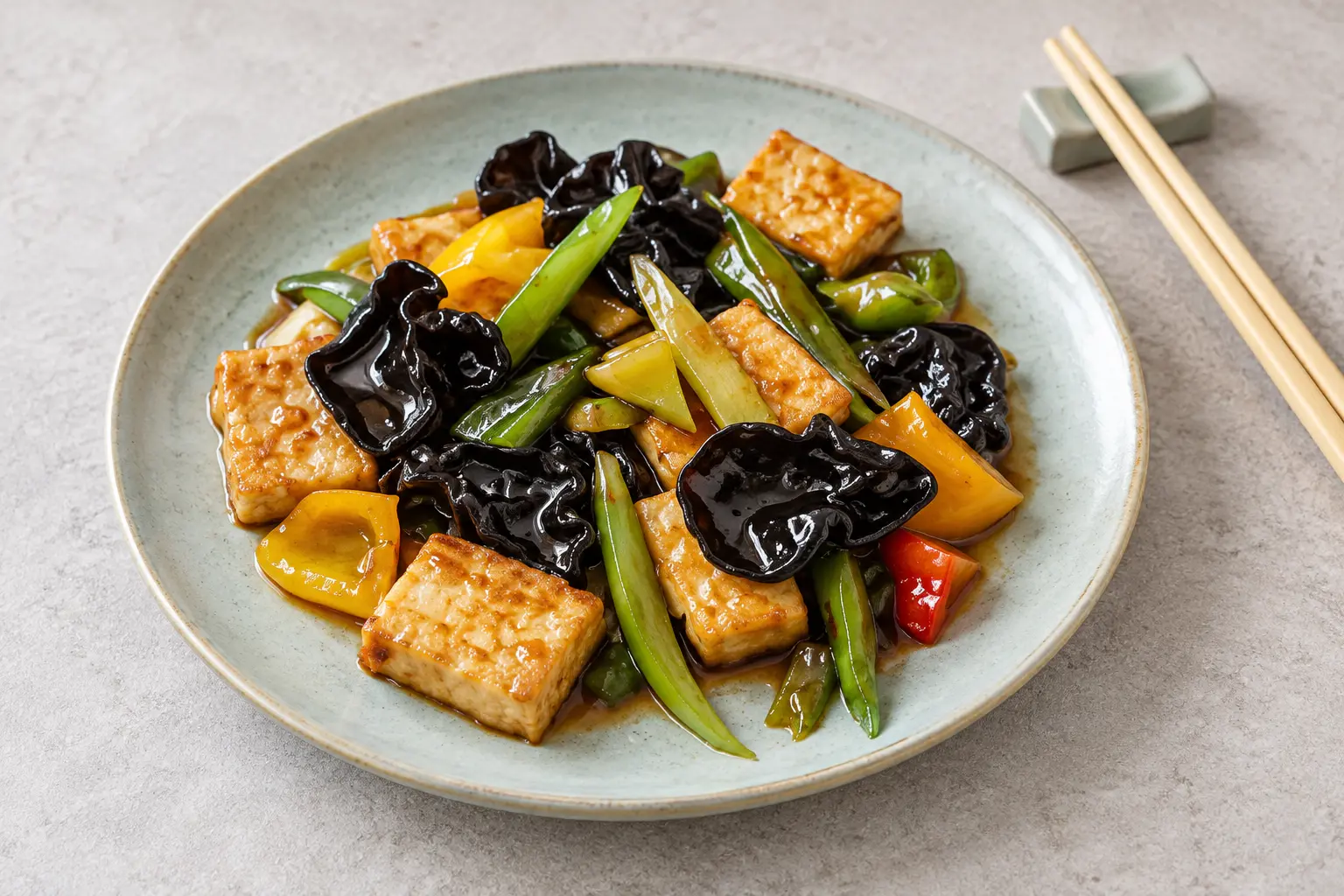
Vegetable dish application example; the image does not identify the starch type or ingredient declaration.
Clean Label Starch Options for Prepared Foods
Explore ingredient options when a prepared-food recipe must align with specific customer preferences or market labeling requirements. Processing stability and finished eating quality should be verified alongside declaration needs.
Functional Native Starch Alternatives
Functional native starches may be considered in appropriate prepared-food matrices. Screen candidates against cooking method, desired viscosity and handling conditions; an alternative ingredient should not be assumed equivalent without recipe-level trials.
Balancing Clean Label and Process Tolerance
Changing starch type may affect water demand, shear stability, thickening behavior and flavor perception. Compare the candidate against the reference recipe under identical heating, packaging and reheating conditions.
Ingredient Declaration and Market Requirements
Review the exact grade, source material, manufacturing process and documentation for the destination market. Terms such as “clean label” and acceptable ingredient declarations depend on local rules and customer requirements.
Prepared Food Application Testing and Technical Support
Compare candidate starches under realistic processing conditions to ensure the selected grade fits your dish rather than simply meeting an isolated viscosity value.
Define Formulation and Processing Conditions
Document the base recipe, starch-dose basis, pH or salt where relevant, thermal history, mixing regime, packaging route and a matched control sample.
Evaluate Viscosity, Moisture and Reheating Quality
Compare viscosity at defined temperatures, visible water separation, sauce coating, product appearance and finished texture after the intended consumer preparation.
Review Starch Grades and Supply Requirements
Discuss candidate specifications, application samples, technical data, packaging and target-market compliance before commercial selection.
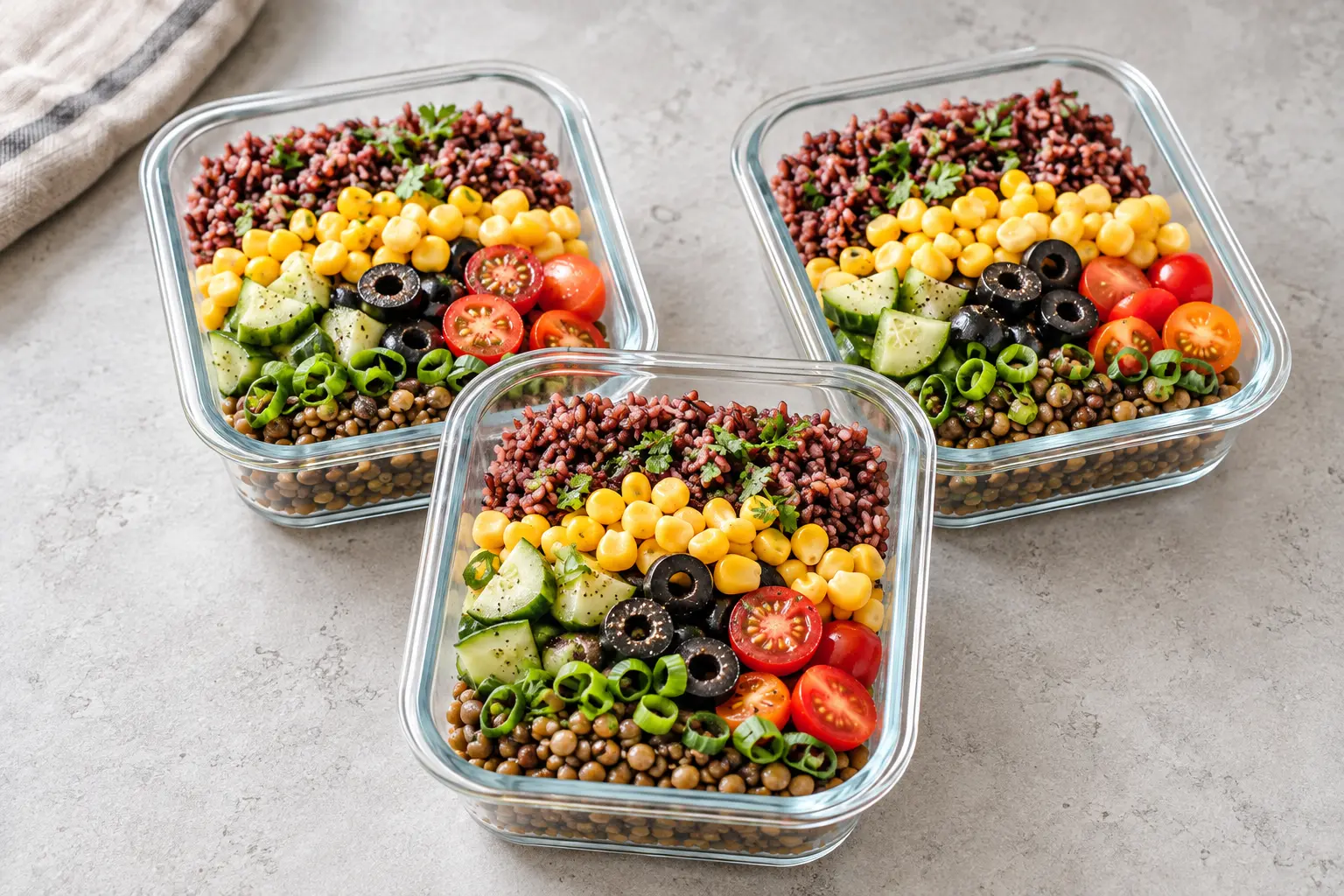
Prepared meal application example, not a photograph of a laboratory test.
For ambient-stable prepared foods, retort or other preservation methods require independent food-safety process validation. Texture stability does not establish microbial safety or shelf life.
FAQs About Modified Starch for Prepared Dishes
Common technical questions about sauce consistency, heat treatment, water separation and ready-meal formulation.
Share your cooking conditions, storage route and target sauce texture so the team can propose a more relevant trial.
Discuss Your ApplicationHow do I select modified starch for prepared dishes?
Can modified starch maintain sauce viscosity during cooking and reheating?
What type of modified starch is suitable for high-temperature prepared meals?
How can water separation be reduced in prepared food sauces?
Are prepared food starches suitable for frozen and refrigerated storage?
Are clean label starch options available for ready meals?
Discuss Your Prepared Dish Application with Tianjiang
Developing a prepared dish or ready meal that requires reliable viscosity, moisture control or texture stability? Tell Tianjiang about your formulation, processing conditions and performance targets. Explore suitable modified starch options and application trials with our team.
Complete the fields below to open an email draft. This form does not transmit or store information on the website.