
TIANJIANG / TAPIOCA PEARLS FORMULATION
Tapioca Pearls Formulation with Modified Starch
This tapioca pearls formulation platform uses Tianjiang modified starch to help manufacturers control chewiness, springiness, cooking time, shape retention, surface stickiness and texture stability in milk tea, fruit tea and other cold beverage applications.

01 / DEFINE THE PEARL PERFORMANCE TARGET
Tapioca Pearls Solutions for Manufacturers and R&D Teams
Cooking time alone does not define pearl quality. Manufacturers also need to control springiness, chewiness, shape, surface stickiness, holding stability and texture in iced beverages.
Chewiness & Springiness
Build a resilient bite without making the pearl excessively hard or rubbery.
Cooking-Time Reduction
Develop fast-cook or instant systems without sacrificing the characteristic boba texture.
Shape Retention
Reduce cracking, flattening, surface erosion and broken pearls during cooking.
Cold-Drink Stability
Maintain softness and elasticity when cooked pearls are transferred into iced milk tea.
Holding Stability
Slow the increase in hardness during foodservice holding.
Commercial Consistency
Control diameter, roundness, cooking loss and batch-to-batch texture.
02 / FOUR COMMERCIAL PEARL SYSTEMS
Four Tapioca Pearls Formulation Platforms
The four platforms cover traditional black pearls, fast-cook pearls, instant ready-to-eat pearls and lighter-colored fruit-tea pearls.
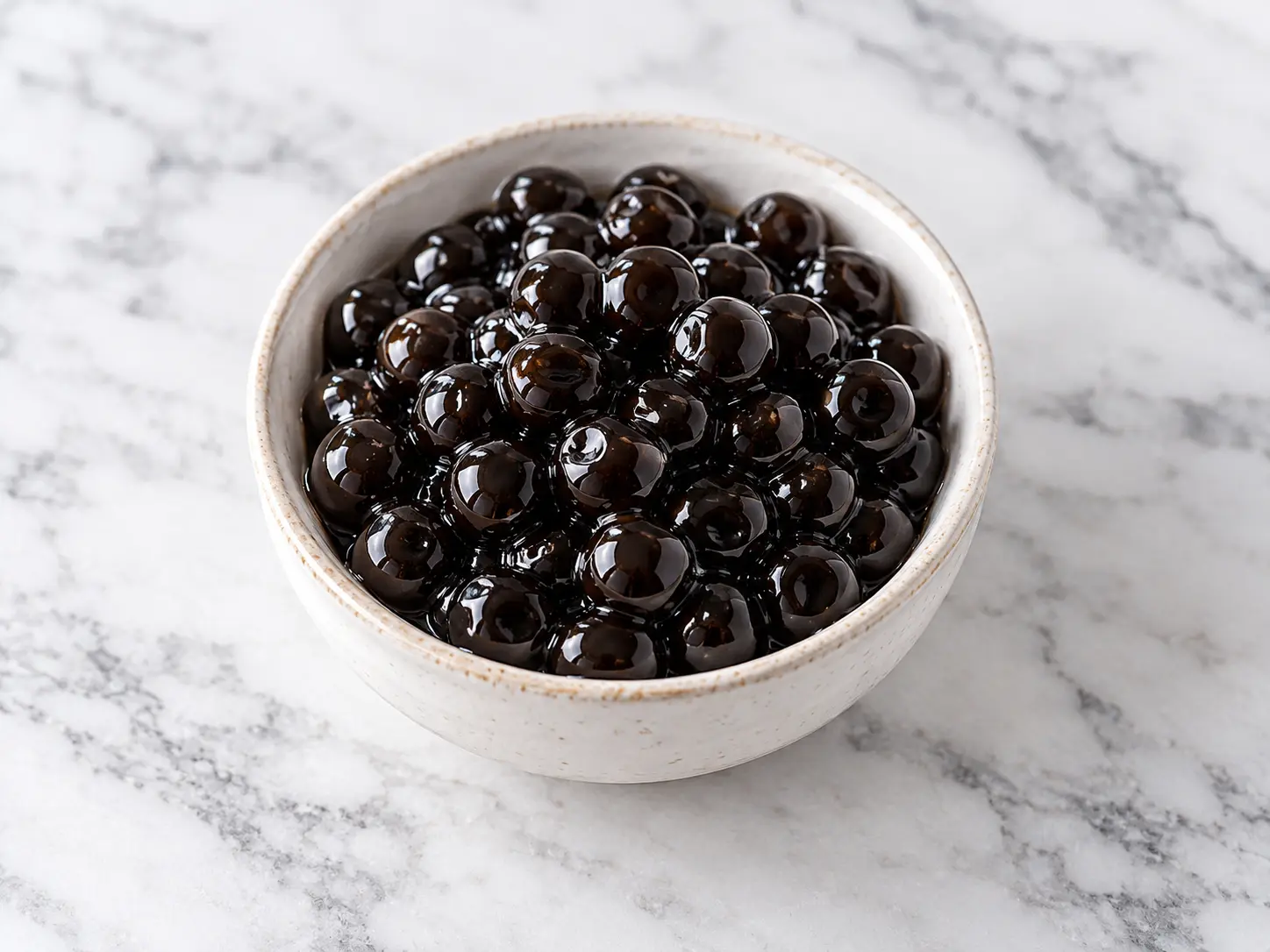
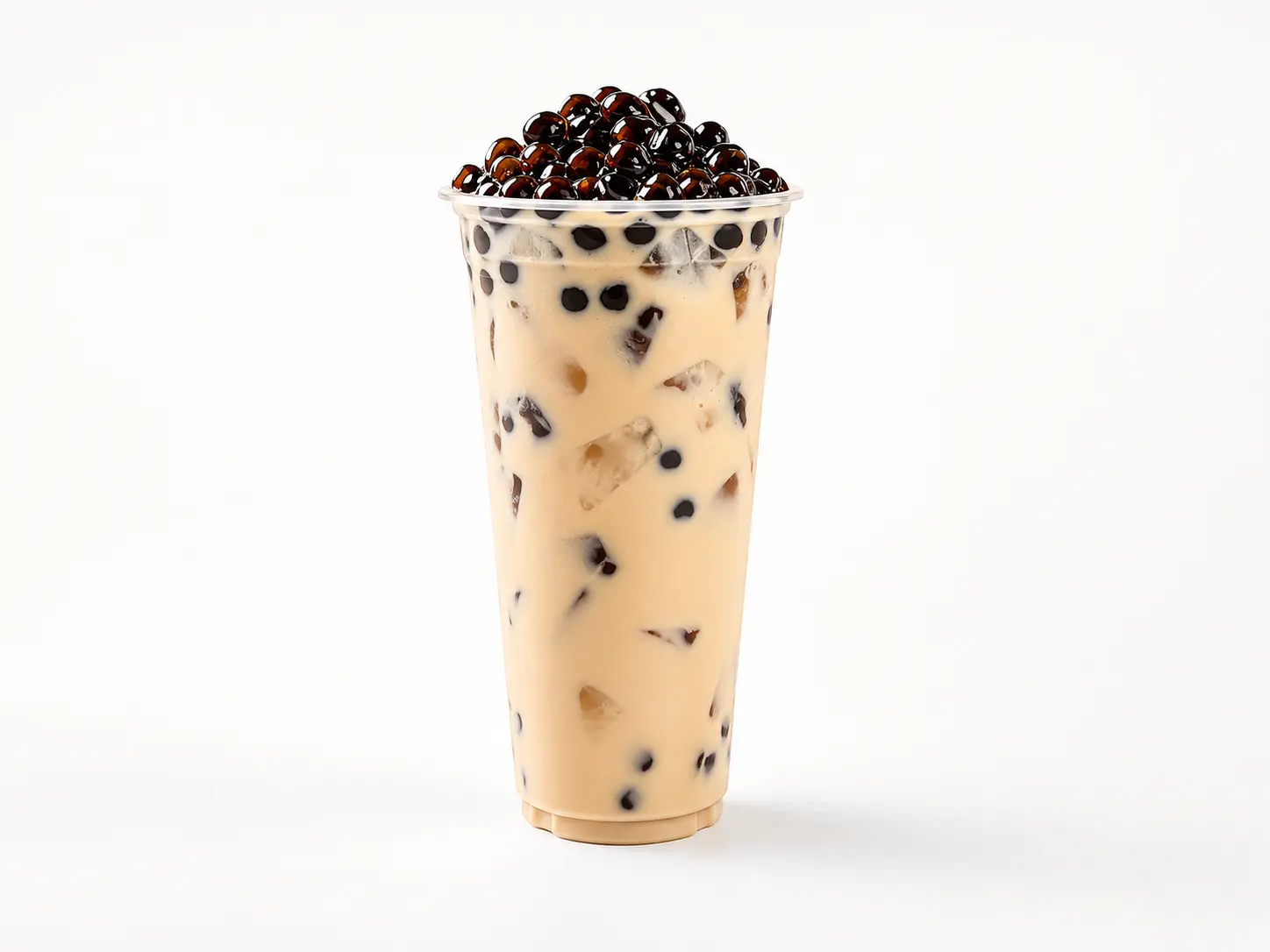
Images illustrate finished pearls and beverage applications. They do not establish cooking times or verify the performance of individual formulation platforms.
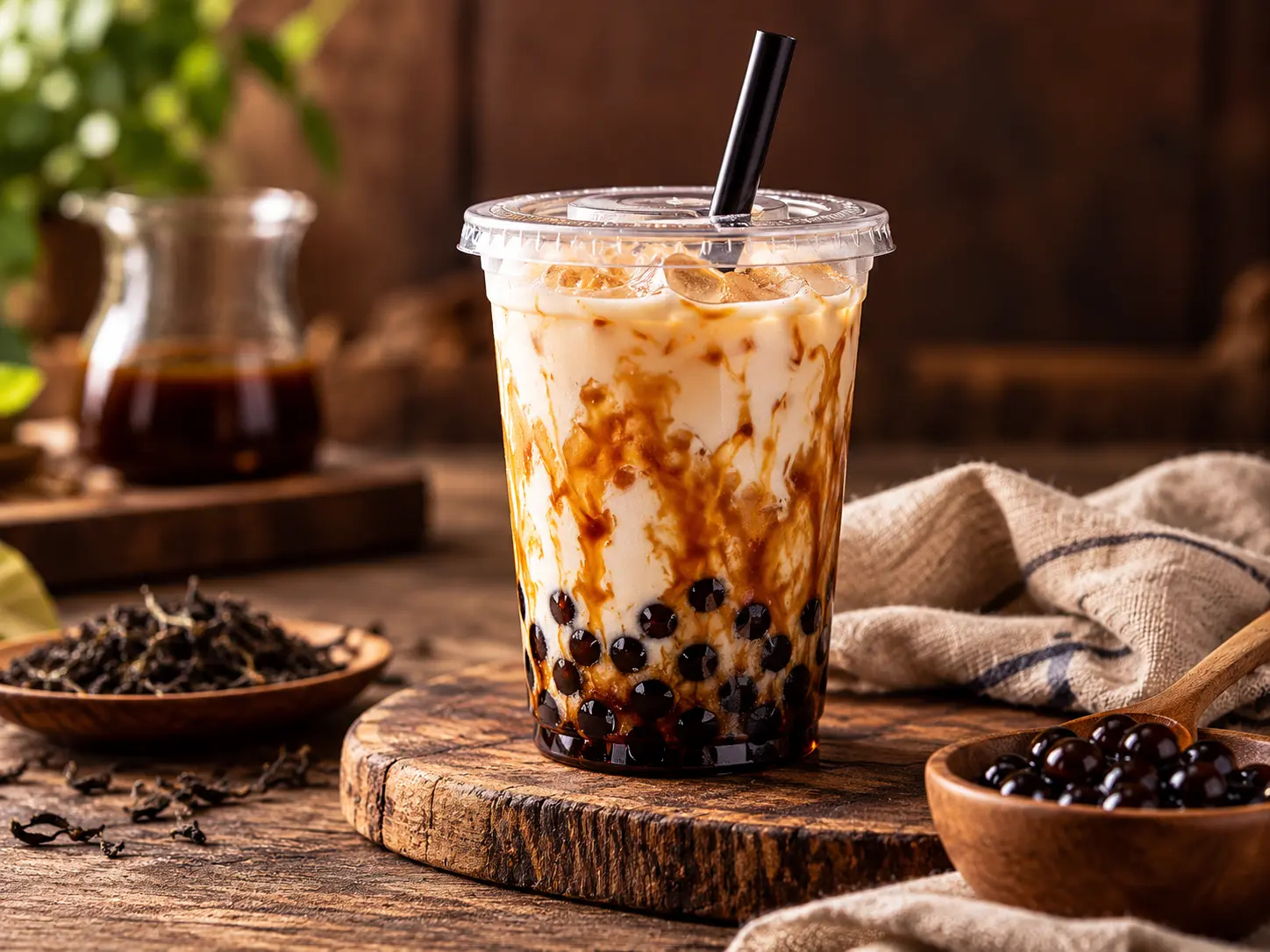
Traditional Brown Sugar Tapioca Pearls
A conventional cook-before-service platform emphasizing classic chewiness, round shape and brown sugar flavor.

Fast-Cook Tapioca Pearls
A higher-functionality starch system designed for manufacturers targeting shorter foodservice preparation times.

Instant / Ready-to-Eat Tapioca Pearls
A high-moisture, stabilized system for pre-cooked pearls requiring short reheating or rapid service preparation.
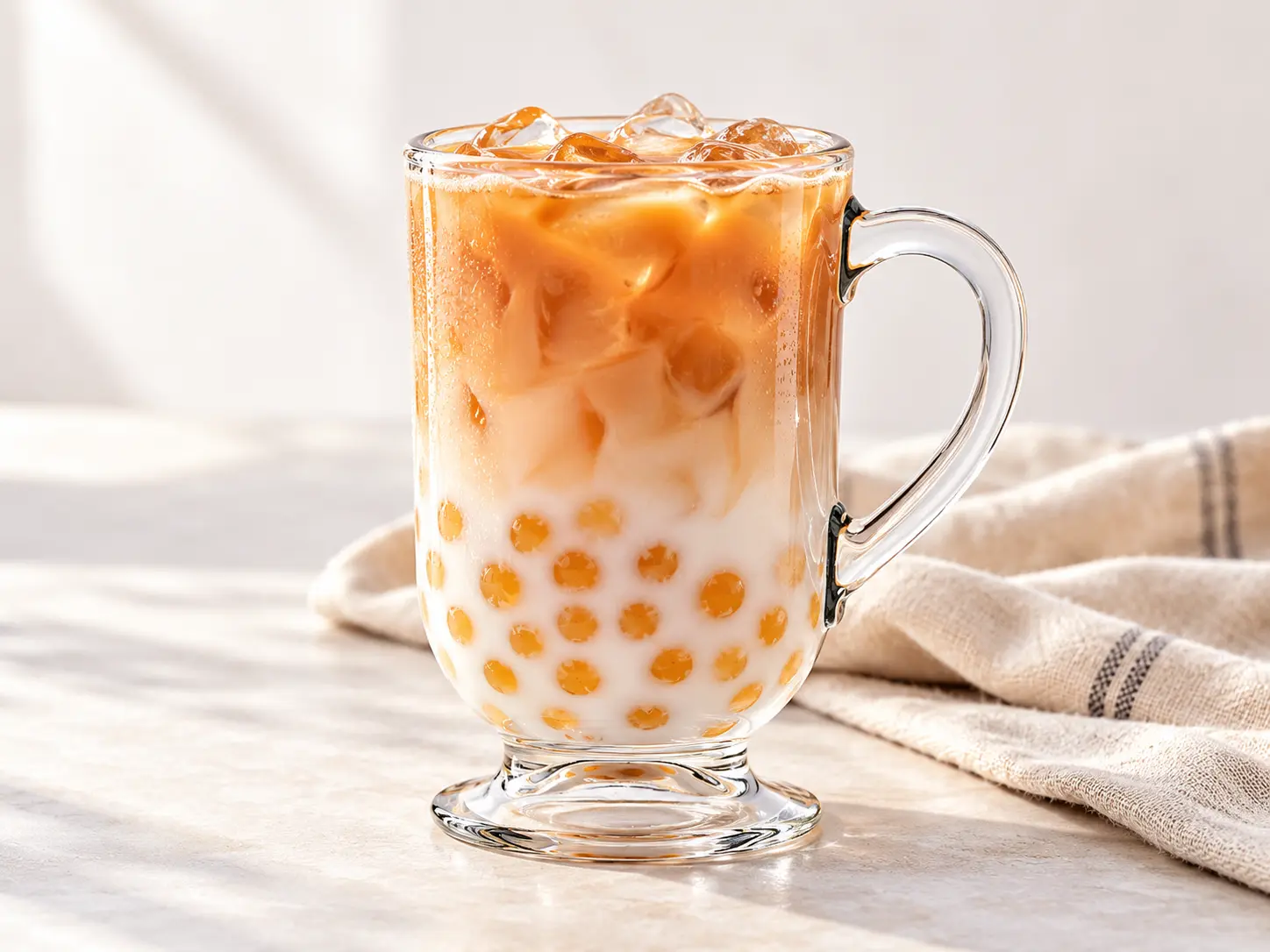
Golden / Fruit-Flavored Tapioca Pearls
A lighter-colored platform for fruit tea, refreshers and flavored pearl applications.
These are Tianjiang application-development formulas, not copies of another manufacturer's commercial recipe. Final composition must be optimized for the actual Tianjiang starch grade, forming equipment, diameter, packaging process, cook time and destination-market regulations.
03 / COMMERCIAL PRODUCTION REFERENCE FORMULA
Tianjiang Tapioca Pearls Production Formulas
Select a pearl platform, enter the production batch and compare modified-starch dosage while maintaining a 100% formula balance.
Tapioca Pearls Formulation Batch Calculator
The calculator changes Tianjiang modified starch and balances the difference through process water. Keep pearl diameter, forming conditions and cooking profile constant during comparison trials.
| Ingredient | Formula % | Batch Mass, kg | Primary Function |
|---|---|---|---|
| Total | 100.00% | 100.000 | Pearl dough |
TJ-TP-01 · 100 kg dough · 4.00% Tianjiang modified starch.

04 / MODIFIED STARCH PERFORMANCE
How Modified Starch Improves Tapioca Pearls
Modified starch allows the manufacturer to adjust cooking behavior and post-cook texture rather than relying only on native tapioca starch.
Chewiness
Control the resistance and characteristic Q texture during mastication.Springiness
Improve recovery after compression for a bouncy bite.Shape Retention
Reduce cracking, surface breakdown and deformation during boiling.Fast Cooking
Suitable starch systems can support shorter hydration and cooking cycles.Cold Stability
Help slow the rapid increase in hardness when pearls enter iced beverages.Holding Stability
Maintain acceptable texture during café and foodservice holding.
05 / COMMERCIAL MANUFACTURING
Tapioca Pearls Manufacturing Process
Pearl texture begins during starch hydration and dough formation, well before the customer cooks the finished product.
-
Prepare the liquid phase
Dissolve sugar, brown sugar, color and soluble ingredients into the required process water.
-
Blend starch ingredients
Uniformly combine native tapioca starch, Tianjiang modified starch and other dry structural ingredients.
-
Create the gelatinized starter
Use controlled hot water or partial pre-gelatinization to create enough binding for dough formation.
-
Develop the dough
Combine dry and liquid phases until the mass becomes uniform, cohesive and formable.
-
Extrude and cut
Extrude the dough to the required diameter and cut it to controlled piece weight.
-
Round the pearls
Use rolling or rounding equipment to achieve uniform spherical geometry.
-
Set the product format
Dry conventional pearls, partially cook fast-cook pearls, or fully cook the instant format.
-
Cool and package
Control moisture, cooling and packaging conditions according to the selected product platform.
Finished Pearls & Beverage Serving


06 / MEASURE THE COMPLETE SERVICE CYCLE
Chewiness, Cooking Time and Shape Retention
Pearls should be tested immediately after cooking, during warm holding and again after transfer into a chilled beverage.
Cooking Time
Record the time required to eliminate an uncooked starch core.
Chewiness
Measure hardness, springiness and chewiness at standardized temperatures.
Shape Retention
Record broken pearls, surface erosion and deformation after cooking.
Cold-Hold Texture
Evaluate pearls after exposure to a refrigerated or iced beverage system.
07 / DIAGNOSE THE PEARL FAILURE
Tapioca Pearls Formulation Troubleshooting
Change only one variable per trial. Starch type, water, dough temperature, diameter and cooking conditions all influence pearl texture.
| Observation | Factors to Investigate | Controlled Next Trial |
|---|---|---|
| Pearls become hard in iced drinks | Rapid starch retrogradation, low moisture or unsuitable starch functionality. | Screen a more stabilized modified starch at equal cooked moisture. |
| Pearls are too soft or mushy | Over-cooking, excess water, weak starch structure or long holding. | Reduce cooking severity before increasing starch. |
| Pearls crack during cooking | Weak dough, uneven hydration, drying damage or insufficient binding. | Standardize dough moisture and forming temperature. |
| Surface becomes slimy | Excessive starch loss, over-cooking or poor surface structure. | Measure cooking loss and compare a stronger modified-starch system. |
| Center remains uncooked | Large diameter, low hydration, dense starch structure or short cooking time. | Confirm pearl size before reformulating. |
| Pearls stick together | Surface starch, insufficient rinsing, high holding temperature or syrup ratio. | Standardize cooling and sweetening conditions. |
| Fast-cook pearl loses chewiness | Too much pre-gelatinization, weak starch balance or excessive modified starch. | Reduce pre-cook severity and compare starch dosage systematically. |
| Instant pearl deforms in package | High moisture, weak gel network or insufficient stabilization. | Adjust starch structure before reducing water excessively. |
08 / SELECT STARCH BY PEARL FORMAT
How to Select Modified Starch for Tapioca Pearls
Share pearl diameter, cooking time, holding temperature, target texture and packaging format so Tianjiang can recommend the appropriate modified starch.
Traditional Pearl Grade
Prioritize classic tapioca chewiness with improved processing consistency.
Fast-Cook Grade
Use when shorter preparation time and rapid hydration are key requirements.
Instant Pearl Grade
Select for pre-cooked, high-moisture and rapid-service pearl systems.
Modified Tapioca Starch
Suitable grades offer neutral flavor, elasticity and compatibility with tapioca-based products.
Anti-Staling Grade
Use when cold-beverage hardening or holding time is the primary problem.
Heat & Shear Stable Grade
Useful when the pearl system experiences intensive cooking and mechanical handling.
09 / STANDARDIZE EVERY TRIAL
Tapioca Pearls Formulation and Quality Testing
Compare candidate starches using identical pearl diameter, cooking ratio, cooking time and post-cook holding conditions.
- Pearl diameter Measure before and after cooking.
- Cooking loss Measure solids released into cooking water.
- Hardness Test at standardized temperature.
- Springiness Measure recovery after compression.
- Chewiness Compare the complete texture profile.
- Cold-hold stability Retest after 30, 60 and 120 minutes in cold beverages.
10 / R&D TO PURCHASING
Modified Starch Specifications for Tapioca Pearls Purchasing
Once the target pearl passes cooking and service testing, connect the formulation to purchasing and quality specifications.
Exact Grade
Confirm Tianjiang modified starch grade and application dosage.Botanical Source
Confirm tapioca, potato, corn or other starch source.Modification Type
Confirm the functional and regulatory identity required for the market.Representative COA
Review moisture, appearance and relevant quality data.Regulatory Documentation
Confirm additive declaration and destination-market requirements.Commercial Planning
Confirm sample size, MOQ, packaging, lead time and monthly usage.

11 / TECHNICAL QUESTIONS
Tapioca Pearls Formulation FAQs
Technical guidance for bubble tea pearl manufacturers, R&D teams and ingredient buyers.
Why Is Modified Starch Used in Tapioca Pearls?
Modified starch can help control chewiness, springiness, shape retention, cooking stability, cold-beverage texture and preparation time.
How Much Modified Starch Can Be Used in Tapioca Pearls?
The optimal level depends on pearl type. A conventional pearl may require a relatively low dosage, while fast-cook and ready-to-eat systems can require substantially more functional starch.
Why Do Tapioca Pearls Become Hard in Cold Milk Tea?
Cold temperatures accelerate the perception of starch firming and can expose an unsuitable starch structure. A more stabilized starch system can be evaluated to maintain softness longer.
Can Modified Tapioca Starch Reduce Cooking Time?
A suitable starch system, combined with controlled pre-gelatinization and pearl structure, can be used in fast-cook product development.
What Is the Difference Between Fast-Cook and Instant Pearls?
Fast-cook pearls still require a meaningful boiling step, but are designed for shorter preparation. Instant or ready-to-eat pearls are generally more highly processed and require only brief reheating or preparation.
Why Do Tapioca Pearls Break During Cooking?
Possible causes include poor dough cohesion, uneven hydration, drying damage, weak surface structure or aggressive cooking conditions.
Can Tianjiang Develop Golden or Fruit-Flavored Pearls?
Yes. The starch system can be adapted for lighter-colored or fruit-flavored pearls while maintaining chewiness and shape.
What Information Should I Send Tianjiang?
Share the current formula, pearl diameter, starch type, water level, forming process, cooking time, holding time, packaging format and target texture.
12 / TALK TO TIANJIANG
Request Modified Starch Samples for Tapioca Pearls
Share your current tapioca pearls formulation and primary production problem so Tianjiang can recommend a candidate modified starch.

Prepare Your Tapioca Pearls Project Brief
13 / RELATED APPLICATIONS