Food Formulation & Application Guides
Explore formulation frameworks for sauces, dairy, fruit products, bakery, mochi, noodles, and flavor and pigment encapsulation. Find a starting point for your ingredients, processing conditions and texture targets.


Explore Formulation Guides by Food Category
Choose a food system to explore product styles, ingredient frameworks and the processing questions behind them.
Search these seven guide summaries and topics. Detailed formulation searches are available inside the individual guides.
Showing all 7 guides
Sauce Formulations
Compare regional sauce styles, ingredient frameworks and texture systems for pouring, coating, dipping and cooking.
Explore Sauce Formulations →Dairy Formulations
Explore milk, yogurt, cheese, frozen desserts and dairy-based sweets. Match the protein, fat and stabilizing system to the product.
Explore Dairy Formulations →
Jam & Fruit Formulations
Connect fruit identity, soluble solids and acidity with the texture required for spreads, preparations, fillings and glazes.
Explore Jam & Fruit Formulations →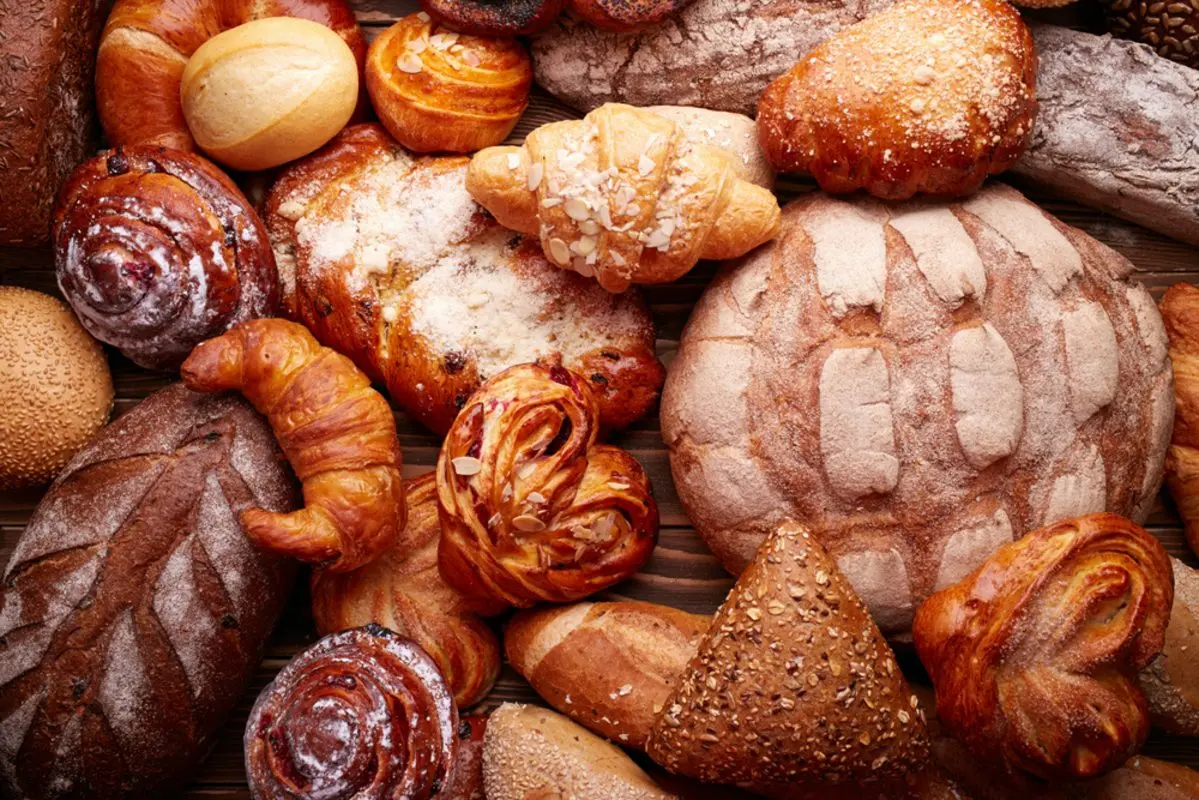
Bakery Formulations
Browse breads, laminated doughs, cakes, biscuits and fillings. Start with the formula basis and the structure your process needs.
Explore Bakery Formulations →
Mochi Formulations
Explore mochi, daifuku, tteok and rice cakes through whole-rice, rice-flour and starch-gel systems.
Explore Mochi Formulations →Noodle Formulations
Compare wheat noodles, rice noodles, glass noodles, pasta and skins through hydration, forming and processing routes.
Explore Noodle Formulations →Flavor, Pigment & Encapsulation Formulations
Choose a flavor carrier, color-delivery format or encapsulation route around the core material, processing conditions and release target.
Explore Encapsulation Formulations →No guide matches that search. Try a broader ingredient or food category, or clear the search to see all seven guides.
Find a Starting Point for Your Formulation Challenge
Use the guide to explore the food system, then follow the relevant solution for a more focused evaluation.
Build the Right Body and Flow
Start with the product’s pouring, coating, spooning or spreading target. Compare the complete formulation after processing and storage.
Manage Water Release and Frozen Texture
Locate the stage where liquid separates or texture changes. Include the actual cooling, freezing, thawing and reheating route.
Match Texture to Processing Conditions
Follow the product through mixing, heating, forming and filling. Evaluate candidates under the conditions the food actually experiences.
Disperse Oils, Flavors and Pigments
Define the core material, physical form and delivery target before selecting the emulsifier, wall or protective matrix.
How to Use These Formulation Guides
Move from a useful framework to a defined trial with the right calculation basis and acceptance criteria.
Start with the Product Identity
Define the food type, serving texture, product format and intended use. Choose the matching framework before adjusting the ingredient system.
Check the Measurement Basis
Distinguish whole-mix percentages, flour or powder = 100, wet and dry basis, active strength, core loading, coating fraction and finished-food dosage.
Build One Balanced Formulation
Select a coherent set of values and account for compound ingredients, added water and processing losses. Independent ranges do not automatically total 100%.
Validate the Complete Product
Use the actual equipment, packaging and storage route to evaluate texture, stability, sensory quality and process performance.
Use these frameworks as development starting points. Confirm the formulation, processing conditions and finished-product performance through application trials.
Move from a Formulation Framework to an Application Trial
Combine the product target, candidate ingredients and a practical evaluation plan.
Define Your Product and Target
Share the food type, reference sample, desired texture, processing route and storage requirements.
Compare Suitable Starch Systems
Review candidate systems for the intended function. Some products may need no added modified starch.
Plan a Controlled Application Trial
Record the grade, dosage, preparation, test conditions and acceptance range for each candidate.
Formulation & Application Guide FAQs
Are These Ready-to-Manufacture Formulas?
The guides provide ingredient and process frameworks for development. Select and balance a formulation, then validate it with the actual ingredients, equipment and intended storage route.
Does Every Product Name Have Its Own Formulation?
No. A directory can include regional names, variants and related styles, while a representative framework covers a wider product family. Each guide distinguishes its directory from its formulation examples.
Why Do Some Formulation Ranges Exceed 100%?
Flour-based or powder-based ratios may total more than 100 parts. Other tables show independent ranges, compound ingredients or separate components. Read the stated basis and normalize the selected formulation before batching.
Does Every Food Product Need Modified Starch?
No. The appropriate structure may come from flour, native starch, protein, fat, pectin or another system. Start with product identity and the required function before considering a starch trial.
What Information Should I Share for a Recommendation?
Share the food category, current formulation and starch, target texture, process conditions, packaging, storage route and the stage where the problem occurs. A reference sample or comparable test results can help define the trial.
Discuss Your Food Formulation with Tianjiang
Share your food category, current formulation, processing conditions and target texture. Our team can help you discuss suitable starch candidates and a practical application trial.