
Modified Starch Solutions for Noodle Products
Explore modified starch solutions for instant noodles, rice noodles, dried noodles, fresh wet noodles and udon. Match starch functionality to your targets for bite, strand integrity, rehydration and cooking performance.

Modified Starch Applications in Wheat and Rice Noodles
Different noodle formats require different starch approaches. Explore five manufacturing routes to find the application most relevant to your raw materials, processing conditions and eating-quality targets.
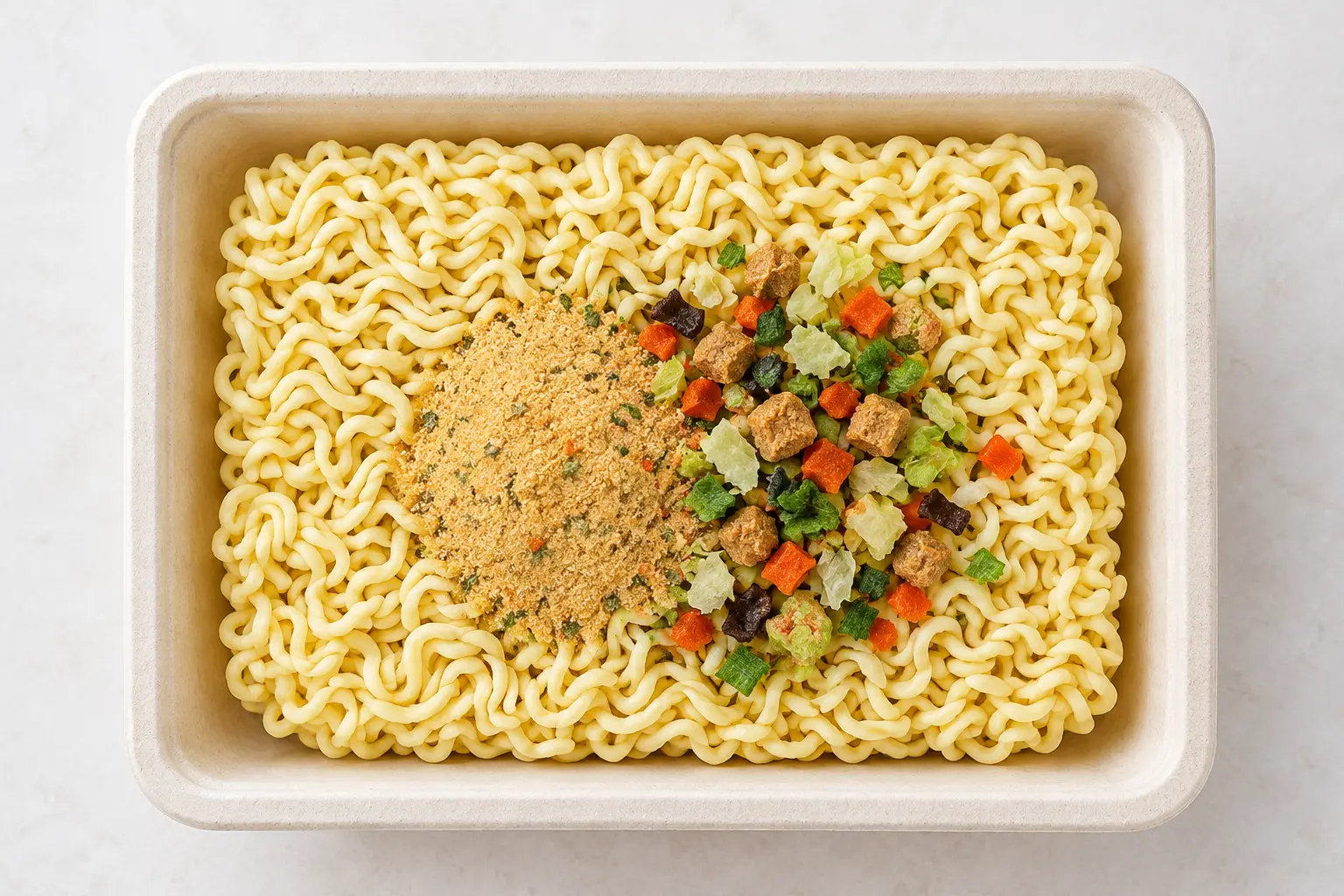
Instant Noodles
Fried and non-fried instant noodles can differ in structure, moisture removal and preparation. Evaluate starch options for block integrity, even hot-water rehydration, strand separation and the desired elastic bite after preparation. Selection should reflect steaming, frying or drying conditions rather than treating all instant-noodle processes as interchangeable.
Explore Instant Noodles
Instant Rice Noodles
Rice-based noodles call for attention to starch gelatinization, strand forming, drying and rehydration. Assess breakage, clumping, water uptake and bite after hot-water preparation. The most relevant starch function depends on rice-flour characteristics and whether the product follows a dried instant route or another rice-noodle manufacturing method.
Explore Instant Rice Noodles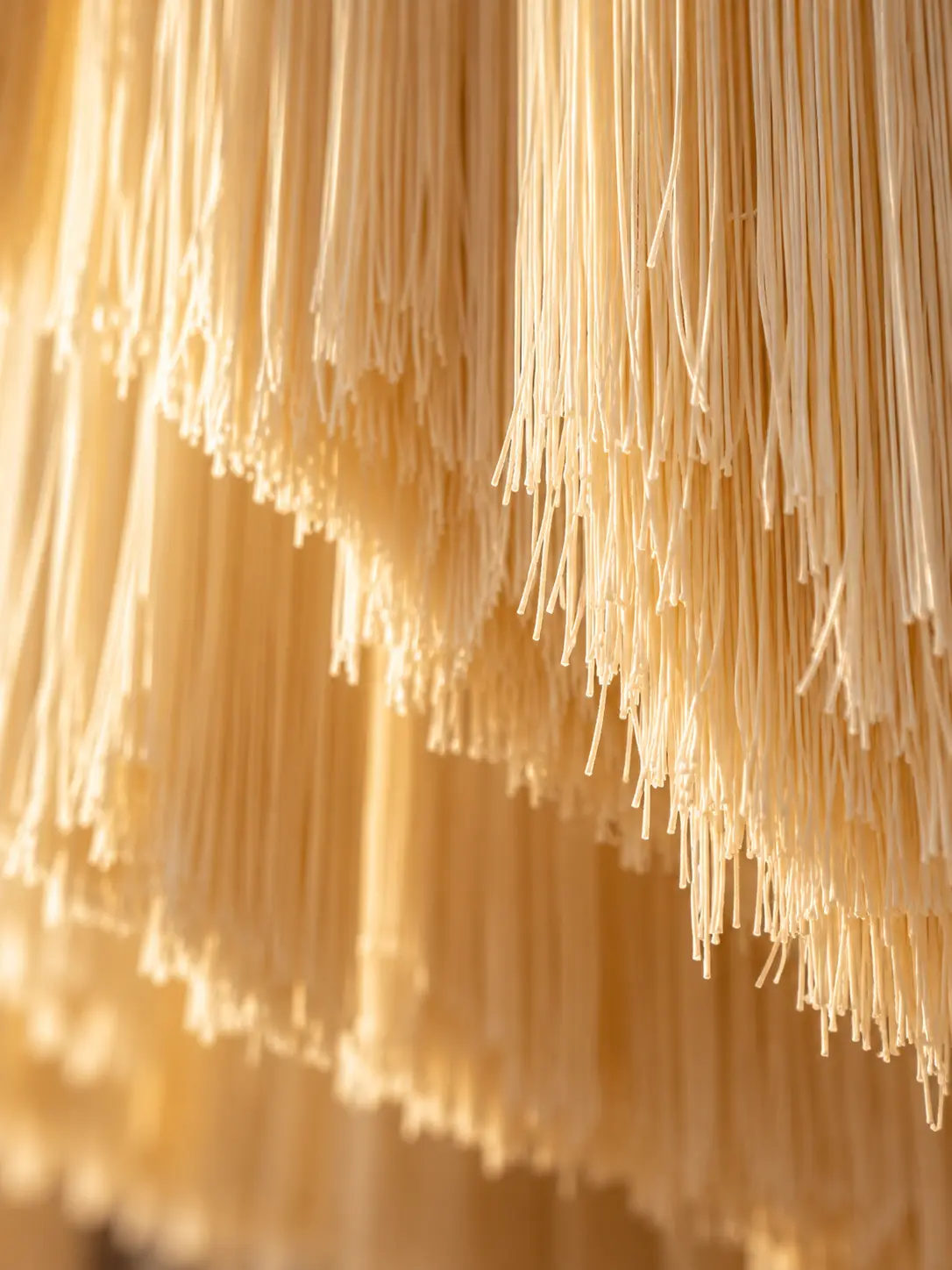
Dried Noodles
Dried noodles must withstand sheeting, cutting, moisture removal, handling and distribution before boiling. Screen starch options against dry-strand breakage, water absorption, cooking loss and bite. Trial conditions should account for flour properties, noodle thickness, staged drying and the actual cooking method used by the consumer.
Explore Dried Noodles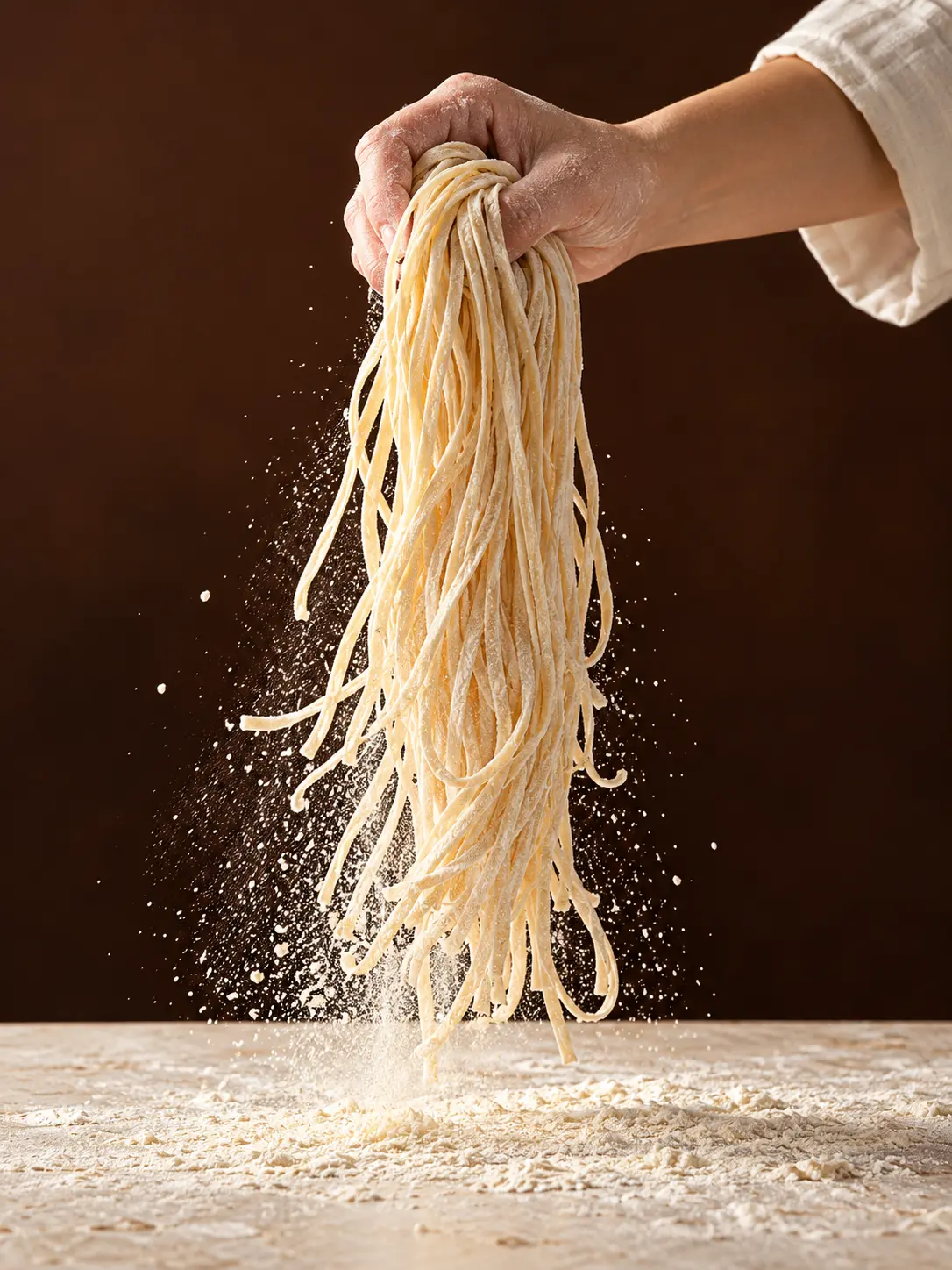
Fresh Wet Noodles
High-moisture fresh noodles need a balance of workable dough, controlled surface stickiness and appealing cooked texture. Compare starch grades for machine adhesion, strand separation and bite after the intended chilled storage period. Texture testing should be separate from microbiological safety or shelf-life validation and reflect the specific packaging and cooking route.
Explore Fresh Wet Noodles
Udon Noodles
Udon is typically assessed for a distinctive combination of softness, elasticity and smoothness. Match starch performance to thick-strand forming, cooking and the relevant chilled or frozen handling route. Evaluate strand integrity, texture after reheating and tolerance to hot-broth holding against the intended serving time.
Explore Udon NoodlesKey Technical Benefits for Noodle Manufacturers
Consider performance both on the production line and at the point of preparation. The right target is a balanced noodle experience—not simply the hardest texture or the fastest water uptake.
Elastic Bite and Texture Control
Define the desired balance of firmness, elasticity, chew and surface smoothness. Each wheat- or rice-based product has its own sensory reference.
Strand Integrity During Processing
Review strand formation and breakage through sheeting, cutting, extrusion, drying, packaging or transport, as relevant to the process.
Rehydration and Cooking Performance
Distinguish hot-water soaking from boiling. Compare water uptake, preparation uniformity, cooking loss and resistance to over-softening.
Strand Separation and Texture Retention
Assess surface tack, strand-to-strand adhesion and changes after preparation, chilled holding or the product's actual freezing route.
Performance depends on the starch grade, formulation, process and test conditions. A single starch grade should not be assumed to deliver every benefit across all noodle types.
How to Select Modified Starch for Your Noodle Application
Start by defining your raw-material system. Then align starch functionality with the forming process, heat treatment, storage route and consumer preparation method.
Define Your Noodle Base and Texture Target
Share the recipe context and the improvement you want to evaluate.
- Wheat, rice or another grain-based system
- Flour characteristics, native starch and key ingredients
- Desired firmness, softness, elasticity, smoothness or holding tolerance
- Current breakage, sticking, uneven rehydration, softness or cloudy cooking water
Match Forming, Thermal Processing and Storage Conditions
Consider the actual operations the noodle passes through.
- Sheeting, cutting, extrusion or another forming method
- Pregelatinization, steaming, frying or hot-air drying where applicable
- Strand width, thickness and moisture conditions
- Soaking, boiling, reheating and serving method
- Ambient, chilled or frozen storage and prepared holding time
| Application | Process Focus | Texture Target | Priority Test |
|---|---|---|---|
| Instant Noodles | Steaming, frying or non-fried drying | Even rehydration; suitable elasticity | Block integrity, soak behavior, prepared texture |
| Instant Rice Noodles | Gelatinization, forming, drying or applicable fresh route | Smoothness, elasticity, intact strands | Breakage, water uptake, adhesion, rehydration uniformity |
| Dried Noodles | Sheeting, cutting, controlled staged drying | Firm cooked bite; smooth surface | Dry strength, cooking time, cooking loss |
| Fresh Wet Noodles | Mixing, resting, sheeting, packaging | Fresh elasticity; easy strand separation | Equipment adhesion, chilled texture, cooking response |
| Udon Noodles | Thick-strand forming, cooking, chilling or freezing as applicable | Soft, elastic, smooth bite | Strand integrity, water uptake, reheating and broth holding |
Trial reminder: Rehydration speed, strand integrity and eating quality should be compared together. Always state whether starch inclusion is measured against flour weight, total dry ingredients or wet dough weight.
Clean Label Starch Options for Noodle Products
For manufacturers evaluating ingredient-declaration goals, functional native starch options may be worth screening. Suitability depends on the specific ingredient, process, formulation and destination market.
Functional Native Starch Options
Compare available native-starch-based solutions with the required texture and processing conditions of wheat or rice noodles.
Texture and Processing Trade-Offs
Check whether a substitute changes water demand, forming, drying, boiling or prepared texture. Water addition, dosage or processing parameters may need adjustment.
Ingredient Declaration Requirements
Confirm grade specifications, ingredient origin, supporting documentation and local labeling rules before making clean label or gluten-free claims.
Noodle Application Testing and Technical Support
Build a useful comparison by controlling the process variables and testing under realistic preparation conditions. The goal is to identify a viable grade and confirm it in your own formula.
Define the Trial Conditions
Record ingredient specifications, dosage basis, water addition, forming and thermal processing. Prepare a consistent reference batch.
Evaluate Processing, Cooking and Prepared Texture
Measure relevant breakage, cooking or rehydration performance, surface adhesion and bite. Fix how long after boiling or soaking the product is evaluated.
Review Grade Specifications and Supply Requirements
Discuss candidate specifications, available samples, packaging, destination market and sourcing needs before scale-up.

FAQs About Modified Starch for Noodle Products
Practical starting points for starch selection, performance testing and ingredient planning.
How do I select modified starch for my noodle product?
Do wheat noodles and rice noodles need the same starch approach?
How do fried and non-fried instant noodles differ in starch selection?
How should cooking loss, breakage and stickiness be evaluated?
What should be tested for chilled fresh noodles and frozen udon?
Are clean label starch options available for noodle products?
Discuss Your Noodle Application with Tianjiang
Tell us your noodle format, raw-material base, target texture and processing conditions. Discuss suitable starch options and application trials with Tianjiang.
Prepare Your Technical Enquiry