
TIANJIANG / ICE CREAM FORMULATION
Ice Cream Formulation with Modified Starch
This ice cream formulation platform uses Tianjiang modified starch to help manufacturers control mix viscosity, creamy body, melt resistance, water management and frozen texture across premium ice cream, chocolate ice cream, soft serve and reduced-fat frozen dairy applications.
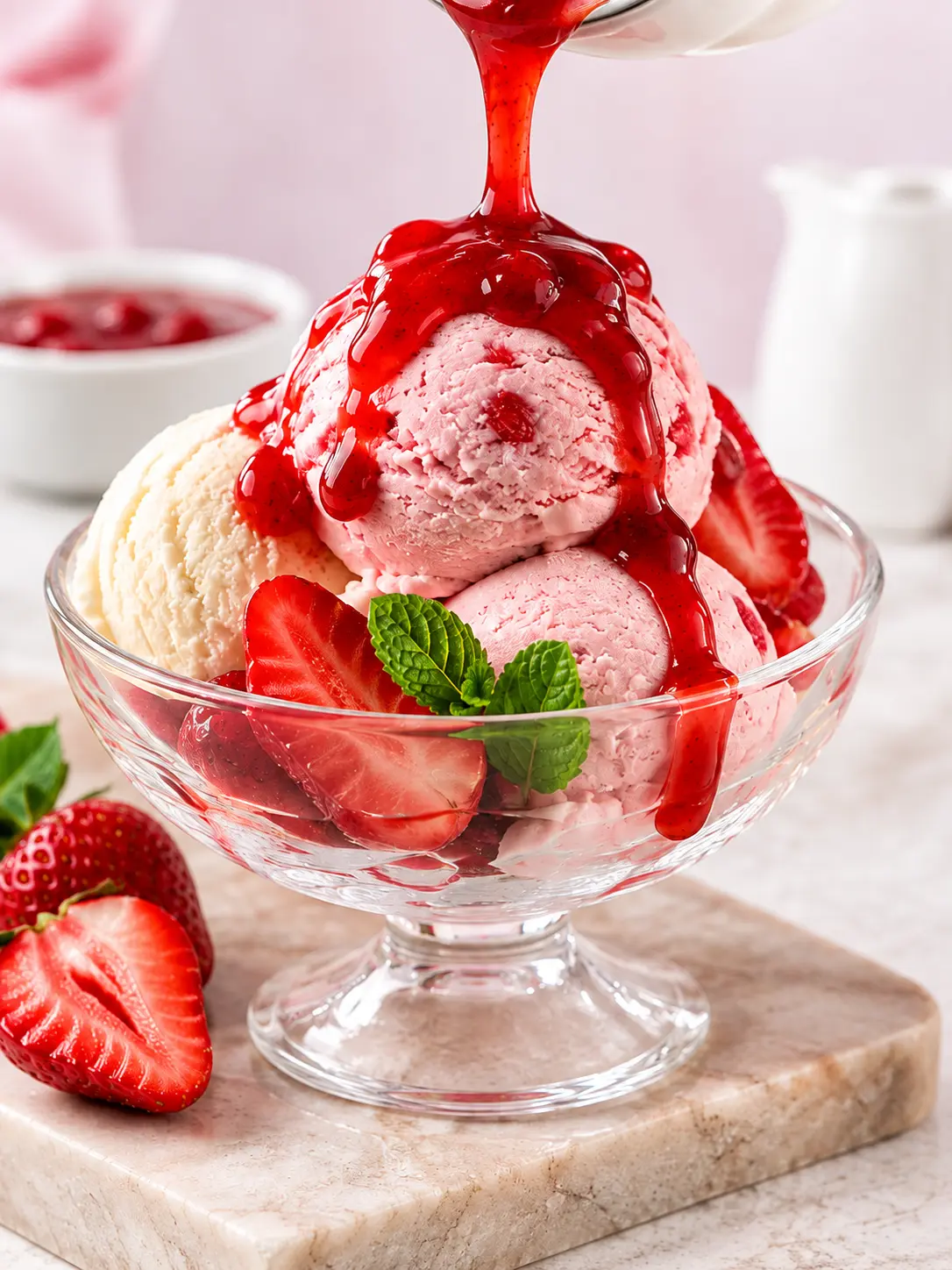
01 / DEFINE THE FROZEN PRODUCT TARGET
Ice Cream Solutions for Manufacturers, R&D Teams and Buyers
Define fat level, dairy solids, sweetness, overrun, serving temperature, melt profile, package format and distribution conditions before selecting the modified starch grade.
Manufacturing Performance
Control mix viscosity, homogenization, aging, freezer loading, overrun, filling and hardening so the formula performs consistently on the actual line.
Frozen Texture Development
Balance fat, milk solids, sugars, modified starch and hydrocolloids to deliver creaminess without gumminess, iciness or weak body.
Purchasing and Scale-Up
Move from the preferred formula to the exact Tianjiang grade, technical specification, COA, sample quantity, packaging, MOQ and supply plan.
02 / FOUR MAINSTREAM COMMERCIAL PLATFORMS
Ice Cream Formulation Platforms for Different Market Positions
Instead of forcing one stabilizer system into every frozen dessert, Tianjiang separates the application into four practical commercial architectures.
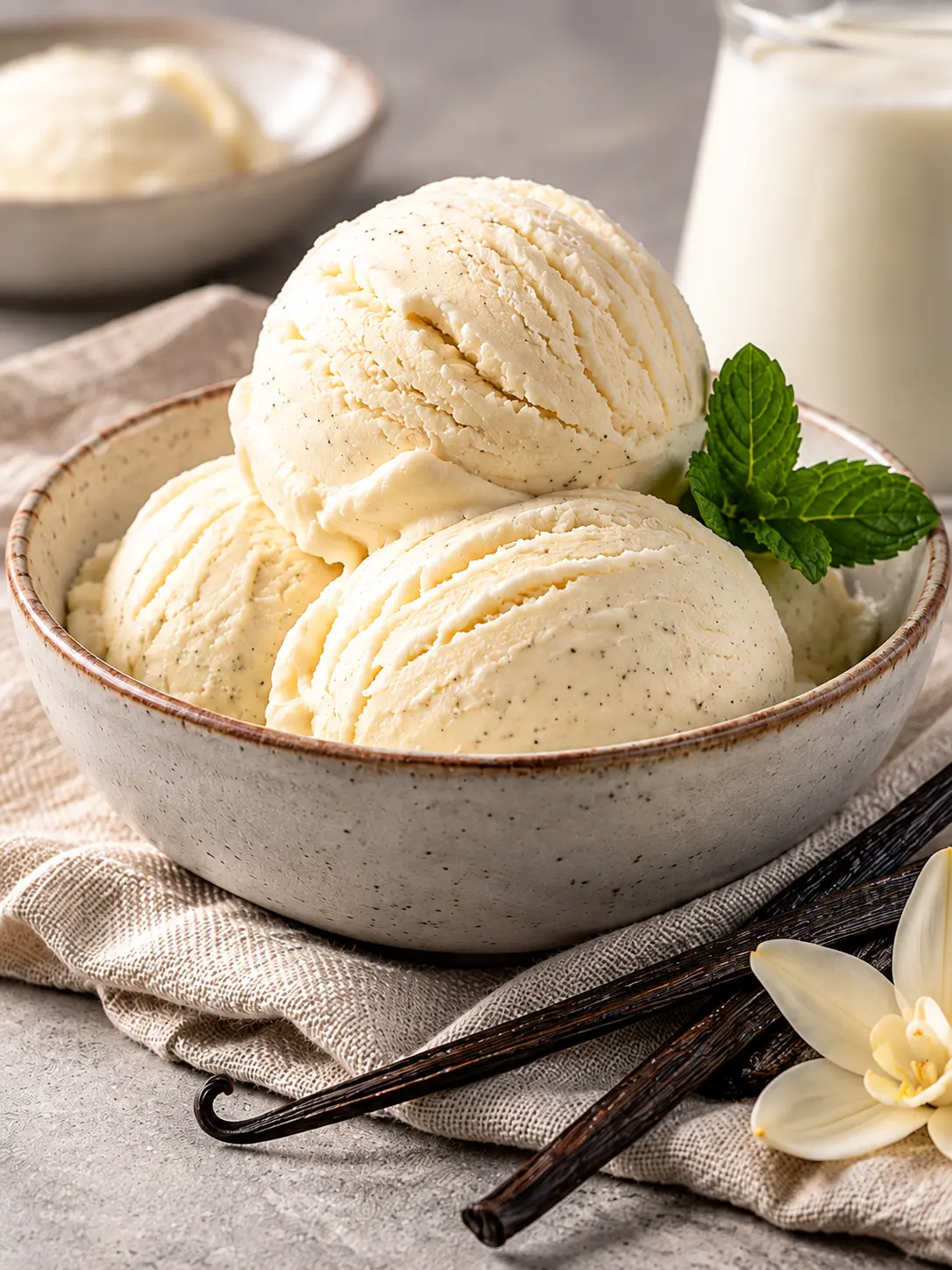
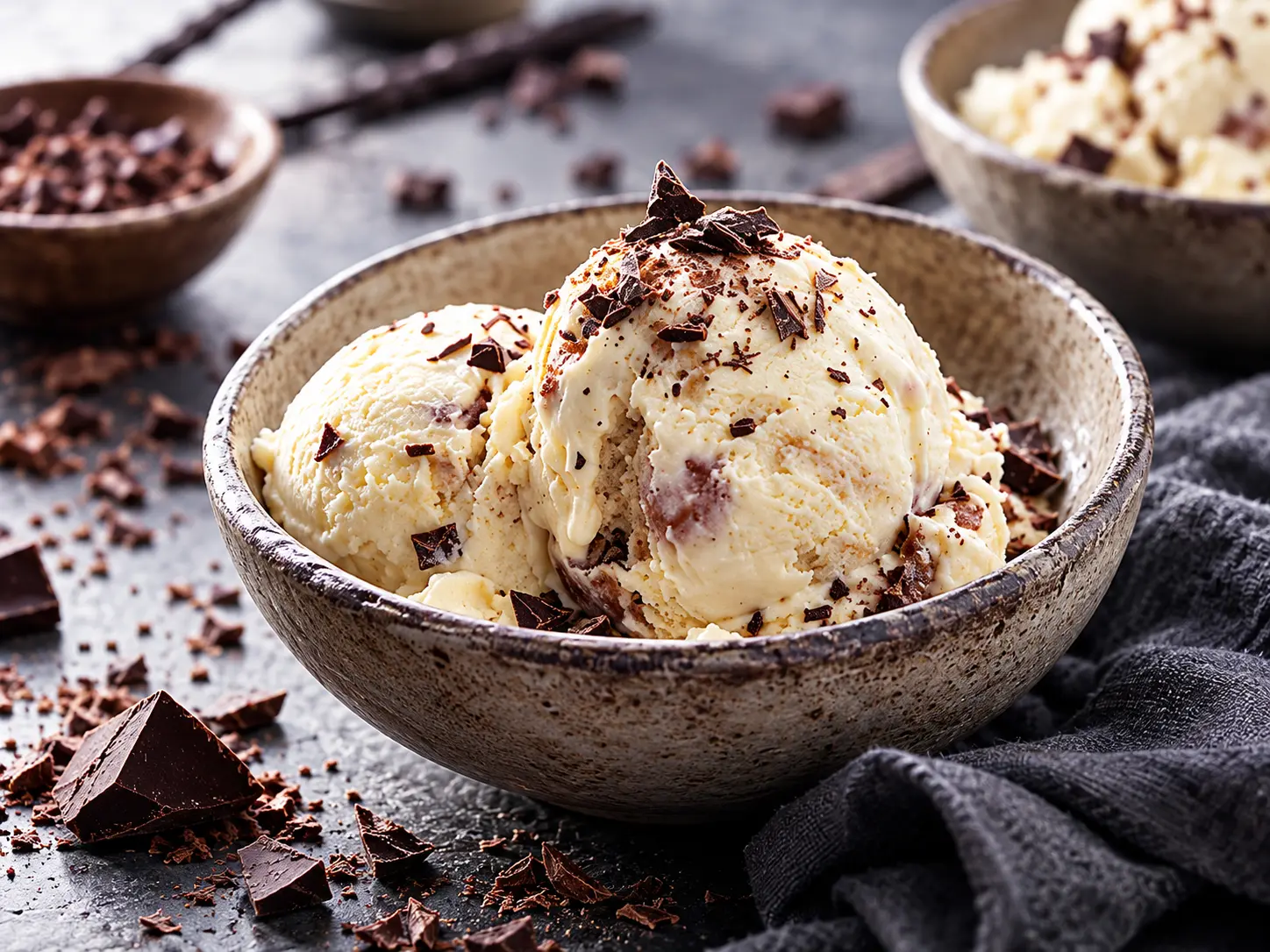
Premium Vanilla Dairy Ice Cream
A higher-fat dairy system designed for dense creaminess, premium scoopability and controlled melt performance.
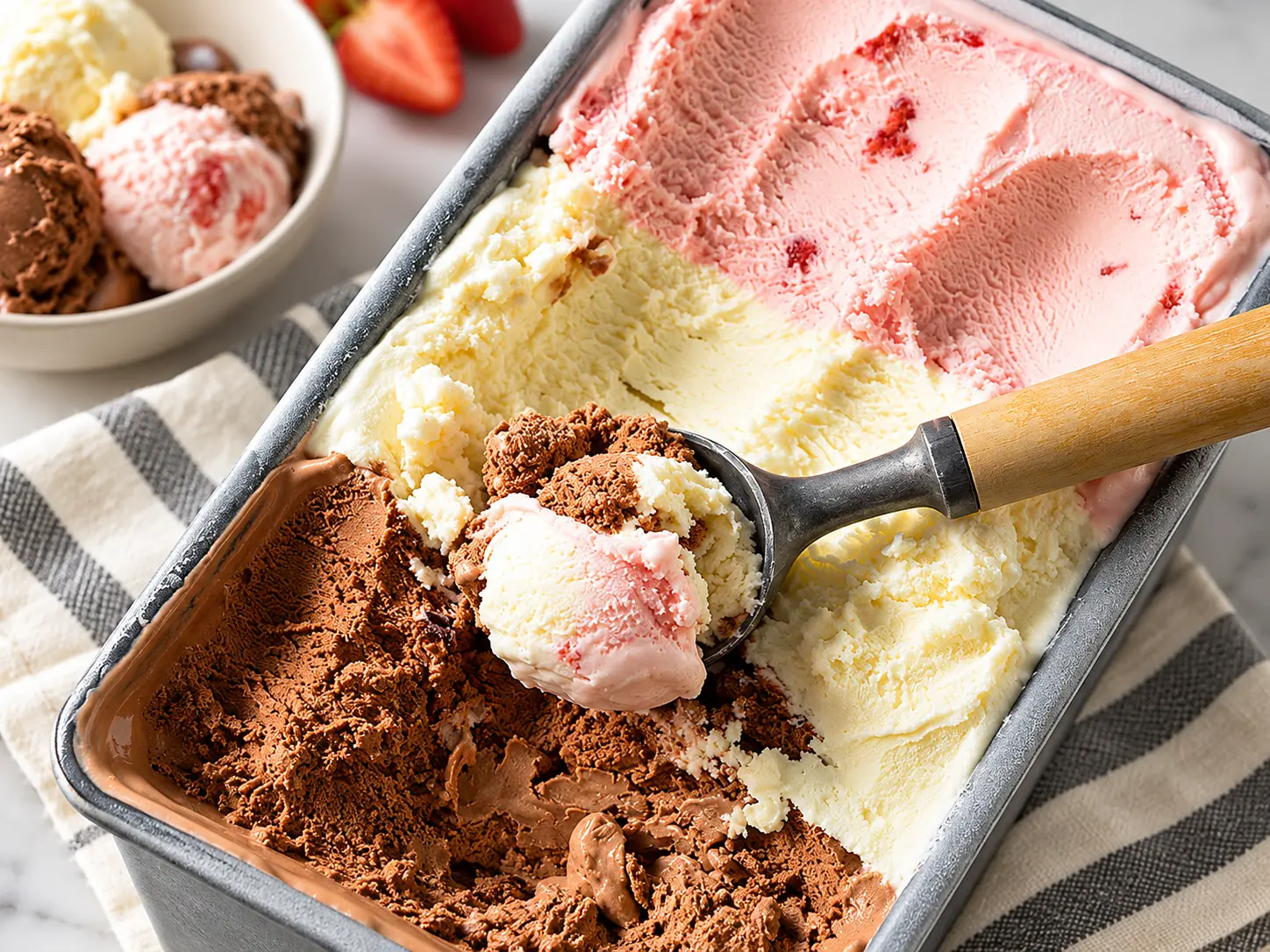
Chocolate Dairy Ice Cream
Designed around added cocoa solids, which change mix viscosity, water demand, flavor release and freezing behavior.
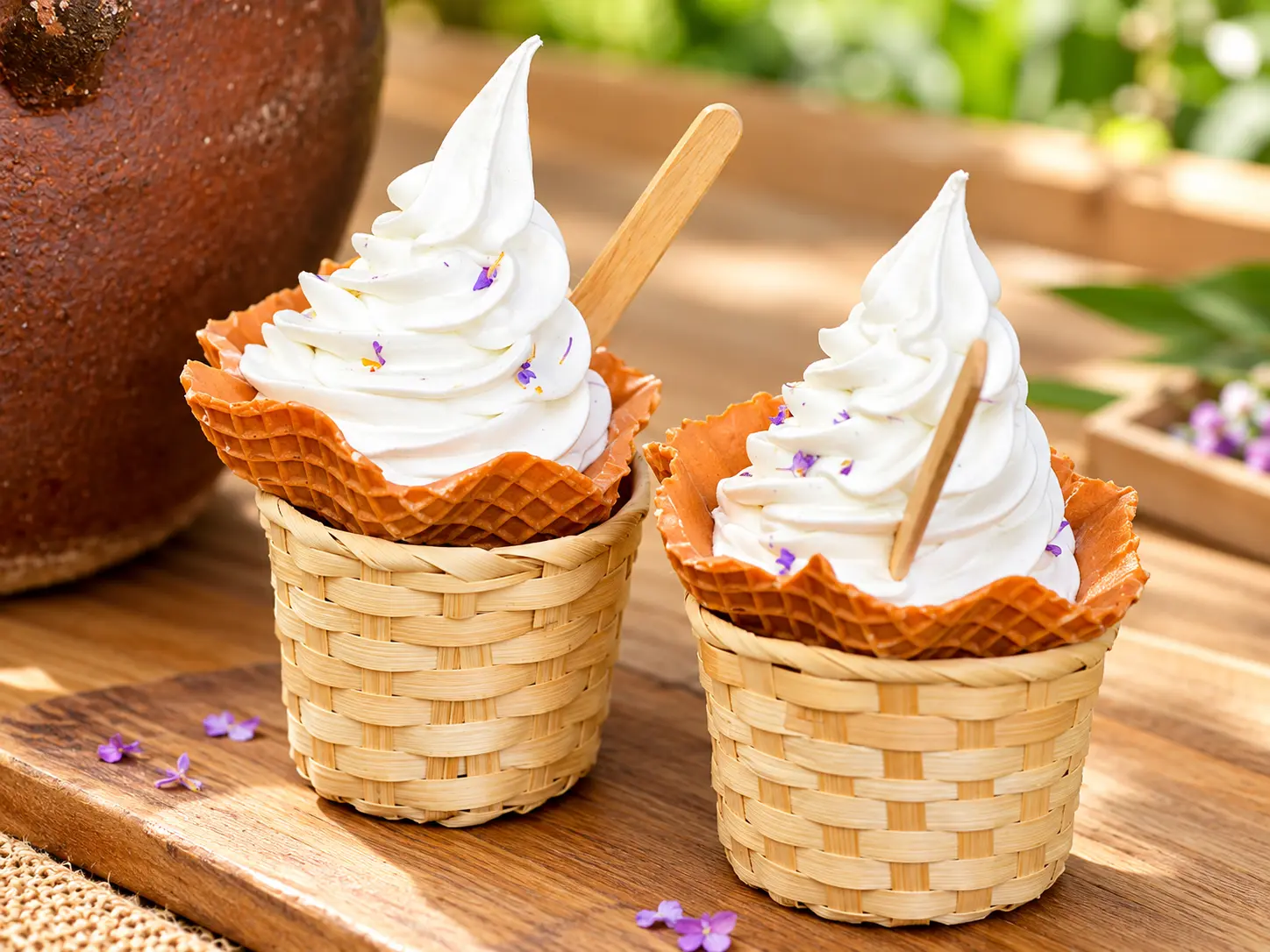
Vanilla Soft Serve Frozen Dairy Mix
A lower-fat system focused on machine dispensing, shape retention, smooth extrusion and controlled melting at serving temperature.

Reduced-Fat Frozen Dairy Dessert
Uses a higher starch contribution to rebuild body and water management when dairy fat is reduced.
Finished product naming, including the use of terms such as “ice cream,” “reduced-fat ice cream” or “frozen dairy dessert,” must be confirmed against the applicable composition and destination-market requirements.
03 / TIANJIANG PRODUCTION-SCALE FORMULA SYSTEM
Tianjiang Ice Cream Production Formulas
Select a commercial product platform, enter your batch size and compare a controlled modified-starch adjustment. The milk phase automatically maintains a 100% mass balance.
Ice Cream Formulation Batch Calculator
The comparison tool changes Tianjiang modified starch and balances the difference through whole milk only. It is intended for controlled formulation screening; actual mix solids, freezing point, viscosity and finished-product classification must be checked separately.
| Ingredient | Formula % | Batch Mass, kg | Primary Control Point |
|---|---|---|---|
| Whole milk | 52.00 | 52.000 | Balances dairy phase and total formula. |
| Cream, approximately 40% fat | 23.00 | 23.000 | Primary dairy-fat contribution. |
| Skim milk powder | 8.00 | 8.000 | Milk solids nonfat and protein body. |
| Sugar | 14.00 | 14.000 | Sweetness and freezing-point control. |
| Glucose syrup solids | 1.50 | 1.500 | Sweetness profile and frozen softness. |
| Tianjiang modified starch | 0.80 | 0.800 | Body, water management and frozen stability. |
| Mono- and diglycerides | 0.25 | 0.250 | Supports fat destabilization and air-cell structure. |
| Guar gum | 0.15 | 0.150 | Supporting viscosity and water binding. |
| Carrageenan | 0.03 | 0.030 | Low-level dairy protein stabilization. |
| Vanilla preparation | 0.25 | 0.250 | Flavor system. |
| Salt | 0.02 | 0.020 | Flavor balance. |
| Total | 100.00% | 100.000 | Finished mix basis |
TJ-IC-01 · 100 kg mix · 0.80% Tianjiang modified starch · trial overrun target 35–60%.
Raw-material composition varies by supplier. Confirm the actual fat, protein, lactose, total solids, freezing-point depression and regulatory classification using the specifications for your own milk, cream, milk powders and sweeteners.
04 / MODIFIED STARCH PERFORMANCE
How Modified Starch Supports Ice Cream Texture and Melt Stability
Modified starch should be evaluated as part of the complete frozen matrix rather than as a stand-alone thickener.
Mix Viscosity
Build controlled pre-freezer viscosity for more consistent pumping, churning and air incorporation.Water Management
Bind part of the available water and support control of ice-crystal growth during storage.Creamy Mouthfeel
Increase body in the unfrozen phase and reduce an excessively cold or watery sensory profile.Melt Resistance
Support a stronger continuous phase so the product maintains body as ice begins to melt.Heat-Shock Support
Help the formulation manage water redistribution during temperature fluctuations.Reduced-Fat Body
Provide additional body when fat reduction would otherwise produce a thin or weak texture.
05 / COMMERCIAL MANUFACTURING
Ice Cream Manufacturing Process
The formula must be designed around mixing, pasteurization, homogenization, aging, continuous freezing, filling and hardening as one connected process.
Recommended Industrial Processing Sequence
-
Warm the liquid phase
Preheat milk, cream and other liquid ingredients to approximately 60–70°C to support ingredient dispersion.
-
Disperse dry ingredients
Premix sugar with Tianjiang modified starch, milk powder and supporting hydrocolloids before controlled addition to reduce lump formation.
-
Homogenize
Homogenize the heated mix under conditions appropriate for the actual fat level, fat source and equipment.
-
Pasteurize
Apply the plant's validated ice-cream pasteurization process. A commercial HTST system commonly operates above 80°C with an appropriate holding step.
-
Cool rapidly
Cool the pasteurized mix to below 5°C before aging.
-
Age the mix
Hold the mix below 5°C for at least approximately 4 hours or according to the validated plant process to hydrate stabilizers and recrystallize fat.
-
Freeze and incorporate air
Use the continuous or batch freezer to create fine ice crystals, develop partial fat agglomeration and reach the required overrun.
-
Fill and harden
Fill, extrude or shape the product and harden rapidly before frozen storage and distribution.


The temperatures above are process-development references, not substitutes for a manufacturer's validated food-safety process. Final pasteurization, homogenization, freezing and hardening conditions must be established for the actual line.
06 / CONTROL AIR, ICE AND FAT STRUCTURE
Ice Cream Overrun, Freezing and Hardening Targets
Overrun should be selected together with fat level, freezer conditions, serving texture and package format. Higher air incorporation is not automatically better product quality.
Premium Vanilla
Trial overrun: 35–60%. Prioritize dense creaminess, slow melt and premium mouthfeel.
Chocolate
Trial overrun: 40–70%. Cocoa solids increase mix solids and alter water demand and viscosity.
Soft Serve
Trial overrun: 70–100%. Balance smooth extrusion, shape retention and easy machine dispensing.
Reduced-Fat Frozen Dairy
Trial overrun: 80–110%. Closely monitor body, melt stability and cold mouthfeel as fat decreases.
These overrun values are controlled Tianjiang formulation targets for screening, not guaranteed plant results. Freezer design, dasher speed, mix viscosity, fat destabilization and fill format all affect achievable overrun.
07 / DIAGNOSE THE FROZEN-STRUCTURE FAILURE
Ice Cream Texture and Heat-Shock Troubleshooting
Do not solve every defect by simply increasing stabilizer. Identify whether the failure originates from formulation, aging, freezer operation, overrun or frozen distribution.
| Observation | Factors to Investigate | Controlled Next Trial |
|---|---|---|
| Ice cream melts too quickly | Fat destabilization, overrun, starch level, aging time and freezer exit structure. | Compare baseline starch against +0.20% with the same overrun and freezer settings. |
| Icy texture after storage | Heat shock, water management, hardening speed and storage-temperature cycling. | Run a controlled temperature-abuse comparison and inspect crystal growth. |
| Mix viscosity is too low | Starch hydration, aging time, total solids and stabilizer level. | Confirm full aging first, then screen the starch level. |
| Mix is too thick | Excess starch, gum interaction, high milk solids or excessive hydration. | Reduce one texture component while holding total solids constant. |
| Overrun is too low | Mix viscosity, fat crystallization, emulsifier balance, freezer pressure and mechanical shear. | Check aging and freezer settings before reformulating. |
| Product shrinks in storage | Air-cell stability, overrun, weak fat network and temperature fluctuation. | Compare package volume after standardized frozen storage. |
| Soft serve loses shape | Serving temperature, starch/gum balance, fat level and machine conditions. | Measure draw temperature and product stand-up before increasing stabilizer. |
| Reduced-fat product tastes icy | Low fat, weak body, high free water and insufficient solids. | Evaluate starch, milk solids and sweetness as separate controlled variables. |
08 / SELECT BY FROZEN-SYSTEM PERFORMANCE
How to Select Modified Starch for Ice Cream
Share fat level, milk solids, sweetener system, pasteurization, aging time, overrun, freezer type and storage conditions so Tianjiang can match the starch to the actual process.
Freeze-Thaw Stability
Select a grade capable of supporting water control through frozen storage and temperature cycling.
Mix Viscosity
Target enough viscosity to support churning without creating excessive pump or freezer load.
Reduced-Fat Body
A stronger bodying grade can be evaluated when fat reduction creates weak texture or cold mouthfeel.
Modified Tapioca Starch
Suitable grades can be evaluated for smooth texture, neutral flavor and frozen water management.
Modified Corn Starch
Suitable grades can provide strong body, process robustness and cost-effective viscosity.
Commercial Documentation
Confirm exact grade, botanical source, technical specification, COA, certifications and market requirements.
09 / MAKE EACH FORMULATION TRIAL COMPARABLE
Ice Cream Formulation and Quality Testing
Compare candidate starches using the same milk lot, fat level, sugar system, aging time, freezer conditions, overrun and storage history.
Recommended Evaluation Points
- Mix viscosity Record temperature, instrument, speed and mix age before freezing.
- Overrun Measure finished product volume against the corresponding unfrozen mix volume.
- Meltdown Use one controlled temperature and sample size to compare melt rate and shape retention.
- Hardness and scoopability Measure after a defined hardening and storage period.
- Heat-shock performance Use controlled temperature cycling and evaluate iciness, shrinkage and melt behavior.
- Sensory quality Compare creaminess, coldness, gumminess, flavor release and aftertaste.
10 / MOVE FROM R&D TO PURCHASING
Modified Starch Specifications for Ice Cream Purchasing
Once the preferred frozen-dessert formula is selected, connect the R&D result with quality, procurement and plant requirements.
Exact Grade Specification
Request the selected Tianjiang product, technical specification and preparation instructions.Representative COA
Review relevant quality parameters before plant approval.Botanical Source
Confirm corn, tapioca or another declared starch source.Regulatory Documentation
Review ingredient designation, certifications, allergens and destination-market fit.Commercial Terms
Confirm sample quantity, MOQ, pack size, quotation basis and lead time.Supply Planning
Share expected monthly demand, delivery destination and change-control requirements.

11 / TECHNICAL QUESTIONS
Ice Cream Formulation FAQs
Practical formulation guidance for frozen-dessert manufacturers, R&D teams and ingredient buyers.
How Much Modified Starch Is Used in Ice Cream?
The Tianjiang reference systems on this page use approximately 0.80% to 1.20% modified starch at baseline. The optimum level depends on the exact grade, fat level, milk solids, hydrocolloids, overrun and target texture.
What Does Modified Starch Do in Ice Cream?
A suitable modified starch can support mix viscosity, creamy body, water management, melt resistance and frozen-storage stability. Its function should be evaluated with the complete stabilizer and emulsifier system.
Can Modified Starch Reduce Ice Crystal Growth?
Modified starch can support water management in the unfrozen phase, which can help the complete stabilizer system manage texture during frozen storage. Ice-crystal control also depends on hardening speed, storage temperature and heat shock.
Can Modified Starch Replace Ice Cream Fat?
Modified starch can help restore body when fat is reduced, but it does not reproduce all functions of dairy fat. Flavor release, lubrication, fat destabilization, nutrition and legal labeling must be evaluated separately.
Why Does Ice Cream Become Icy During Storage?
Common causes include slow hardening, temperature cycling, water migration, weak stabilizer performance and excessive storage time. The formula and cold chain should be evaluated together.
Why Is Ice Cream Mix Aged Before Freezing?
Aging gives stabilizers and proteins time to hydrate and allows fat to recrystallize. This supports viscosity, fat destabilization, overrun and finished ice cream structure.
Can Modified Tapioca Starch Be Used in Ice Cream?
Yes. An appropriate modified tapioca starch can be evaluated where its frozen stability, water management, texture and sensory properties match the application. Modified corn starch can also be screened.
What Information Should I Send Tianjiang for a Sample Recommendation?
Send the product type, fat level, milk solids, sugar system, current starch and gums, pasteurization, homogenization, aging time, overrun, freezer conditions, storage temperature and target melt profile.
12 / TALK TO TIANJIANG
Request Modified Starch Samples for Ice Cream
Share your frozen-dessert formula, processing conditions and texture target so Tianjiang can recommend a candidate modified starch grade.
Include current mix viscosity, fat percentage, overrun, meltdown result and frozen-storage conditions when available.
Contact TianjiangPrepare Your Ice Cream Project Brief
13 / CONTINUE EXPLORING