
TIANJIANG / CHEESE FORMULATION
Cheese Formulation with Modified Starch
This cheese formulation platform uses Tianjiang modified starch to help manufacturers control melt, stretch, shreddability, sliceability, firmness, water binding and production yield across processed and recombined cheese systems.
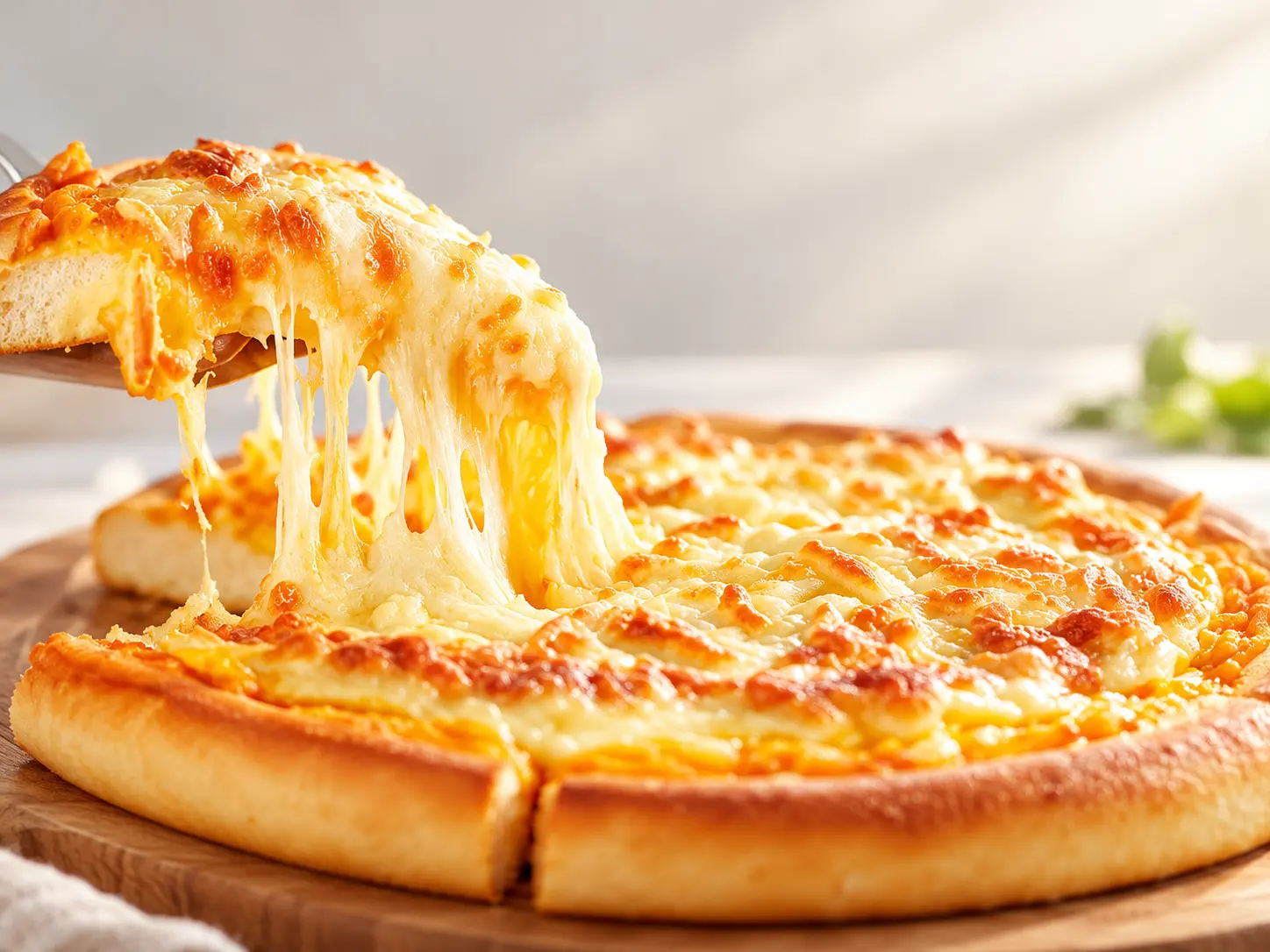
01 / DEFINE THE CHEESE PERFORMANCE TARGET
Cheese Solutions for Manufacturers, R&D Teams and Buyers
Define the required melt, stretch, firmness, shreddability, slice flexibility, spreadability, water activity and storage route before selecting a starch grade.
Production Performance
Control protein hydration, fat emulsification, cooking, shear, pH, hot filling, cooling and final setting.
Functional Cheese Texture
Balance firmness against melt, stretch and flexibility instead of optimizing one texture measurement alone.
Ingredient and Cost Strategy
Evaluate starch with cheese solids, casein, dairy proteins and fat to build the required performance at a commercially practical formula cost.
02 / FOUR COMMERCIAL CHEESE PLATFORMS
Cheese Formulation Platforms for Industrial Production
Different cheese formats need different protein-to-fat ratios, starch levels, emulsifying salts and final pH targets.
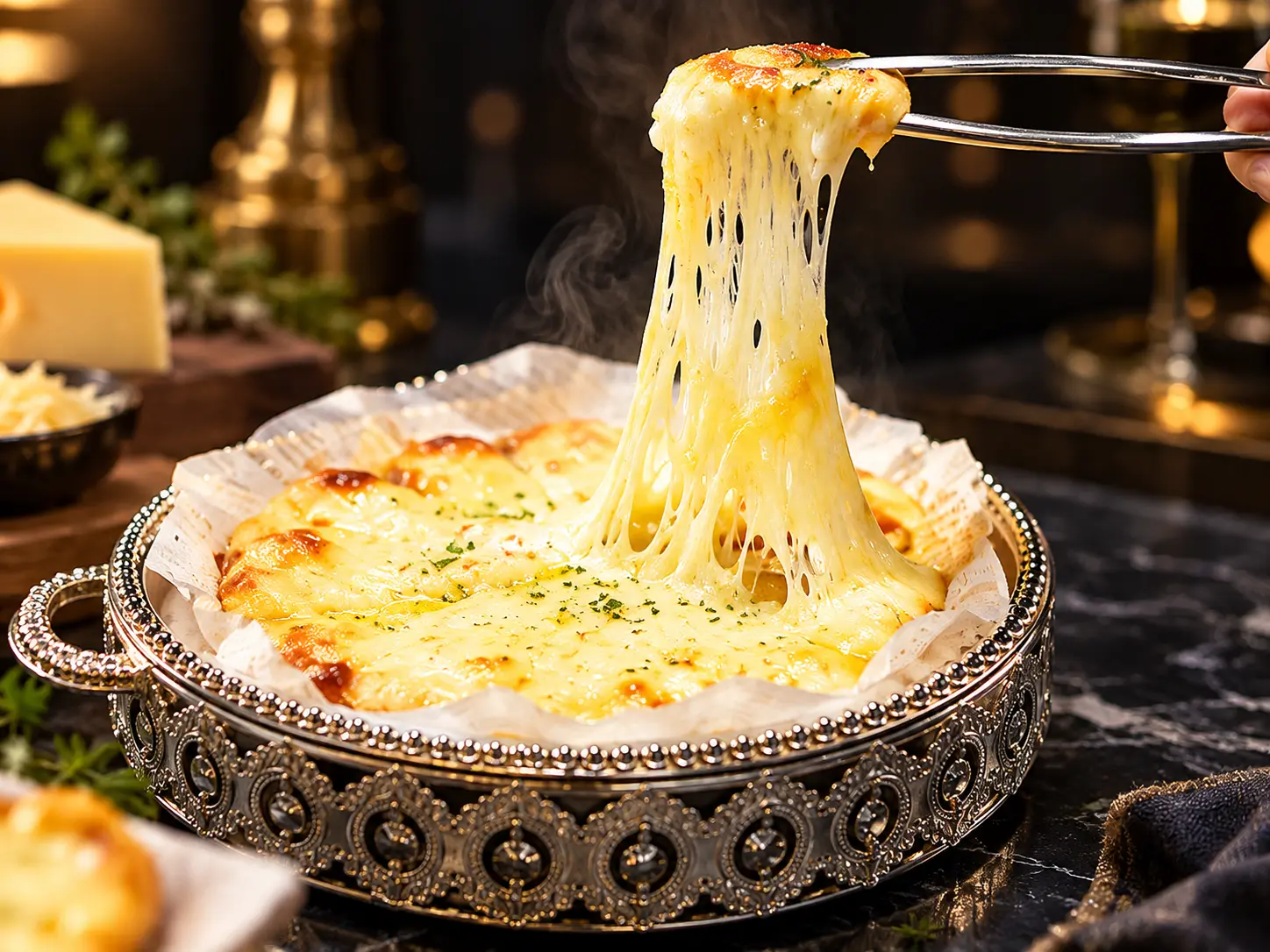
Mozzarella-Style Pizza Cheese
Designed for shreddability, controlled melt, stretch and pizza-bake performance.
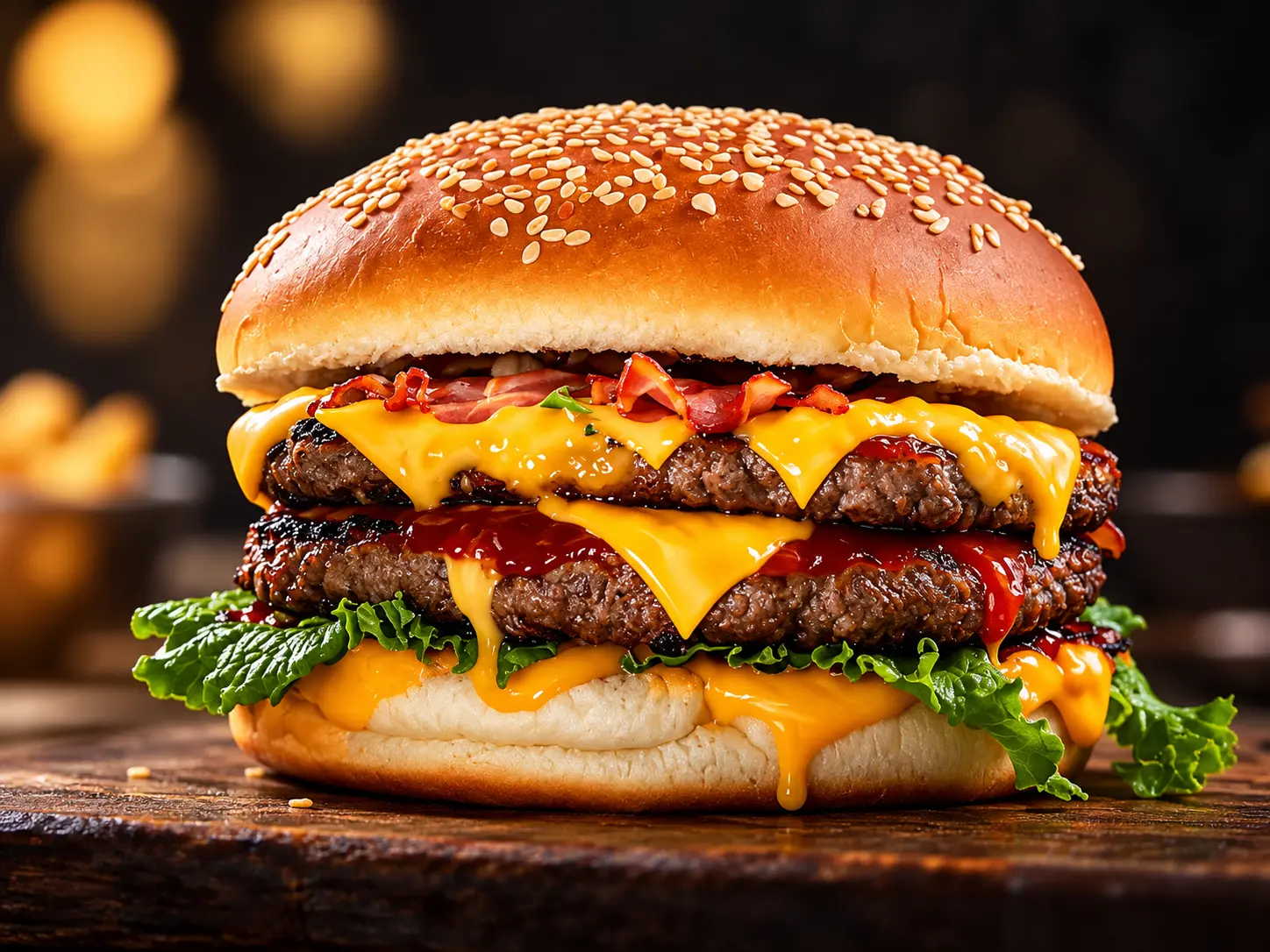
Processed Burger Cheese Slices
Focused on slice integrity, flexibility, peelability and rapid burger melt.

Spreadable Processed Cheese
Designed for smooth body, spreadability, low grittiness and refrigerated stability.
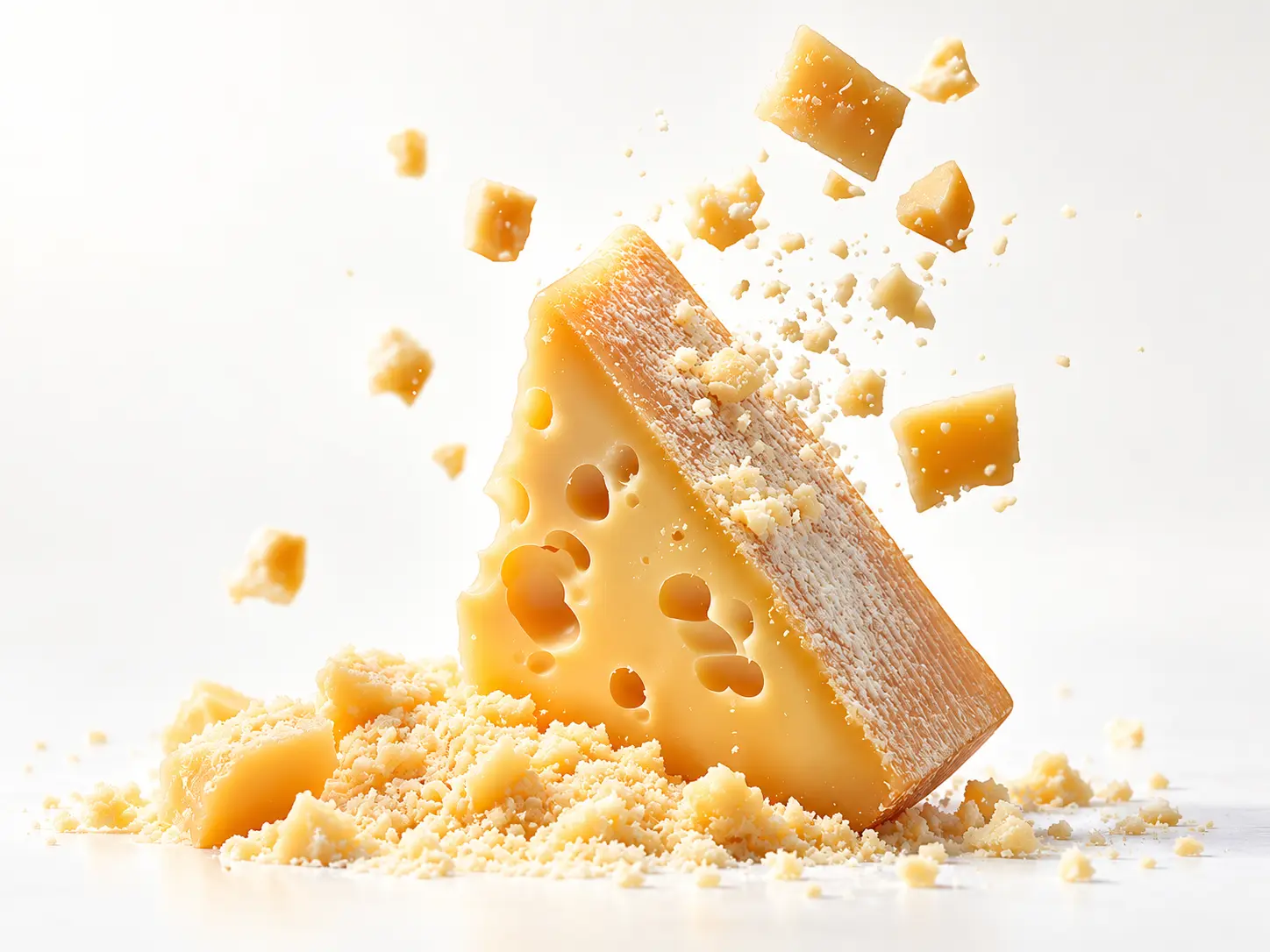
High-Yield Cheese Alternative
Uses higher starch contribution for firmness, water binding and cost-efficient solids management.
Product naming must be confirmed for the destination market. A processed, recombined or analogue cheese system should not automatically be marketed as standardized natural mozzarella.
03 / TIANJIANG PRODUCTION-SCALE FORMULA SYSTEM
Tianjiang Cheese Production Formulas
Choose the intended cheese format, enter the production batch size and compare controlled modified-starch dosage changes while maintaining a 100% mass balance.
Cheese Formulation Batch Calculator
The calculator changes Tianjiang modified starch and rebalances the difference through water only. Use the same protein, fat, pH and processing conditions when comparing starch levels.
| Ingredient | Formula % | Batch Mass, kg | Primary Function |
|---|---|---|---|
| Total | 100.00% | 100.000 | Finished formula basis |
TJ-CH-01 · 100 kg batch · 5.00% Tianjiang modified starch.
Raw-material composition can vary significantly. Confirm actual cheese moisture, casein functionality, fat composition, emulsifying-salt system, final pH and legal product classification using your production specifications.

04 / MODIFIED STARCH PERFORMANCE
How Modified Starch Supports Cheese Texture, Melt and Yield
The goal is not maximum firmness. A successful cheese system balances structure with the melt, stretch or spreadability required by the final application.
Firmness and Body
Build a stable matrix for blocks, shreds, slices and portions.Water Binding
Support higher water incorporation while controlling free moisture and syneresis.Shreddability
Improve block integrity and reduce excessive smearing during grating.Melt Control
Balance melt flow against excessive oiling-off or complete structural collapse.Stretch and Elasticity
Use starch together with casein and the emulsifying-salt system to tune pizza performance.Yield Improvement
Support cost-efficient moisture and solids management while maintaining functional texture.
05 / COMMERCIAL MANUFACTURING
Cheese Manufacturing Process
Tianjiang's processed cheese route builds the protein and emulsifying-salt system first, then incorporates the remaining solids and pre-emulsified fat before final heating and setting.
TJ-CH Recommended Production Sequence
-
Weigh all ingredients
Prepare water, cheese, protein ingredients, starch, fat, emulsifying salts and supporting ingredients according to the approved batch sheet.
-
Build the protein phase
Add water to the processing kettle, then disperse casein or dairy protein, emulsifying salts and salt. Mix for approximately 5 minutes.
-
Add starch and remaining solids
Introduce Tianjiang modified starch, cheese solids, hydrocolloids and other non-fat ingredients. Mix until uniform.
-
Incorporate pre-emulsified fat
Add the prepared fat phase under controlled shear and continue mixing until the emulsion is homogeneous.
-
Adjust pH
Set the pH according to the product platform. TJ-CH-01 uses approximately pH 5.8 as the Tianjiang reference.
-
Cook under agitation
For TJ-CH-01, heat to approximately 85°C and mix for about 5–8 minutes or until a smooth homogeneous mass develops.
-
Hot fill and cool
Transfer the hot cheese mass into molds or packs and cool rapidly under the established plant process.
-
Condition and convert
After setting, shred, slice or portion according to the intended application and storage route.


06 / MEASURE FUNCTION, NOT JUST HARDNESS
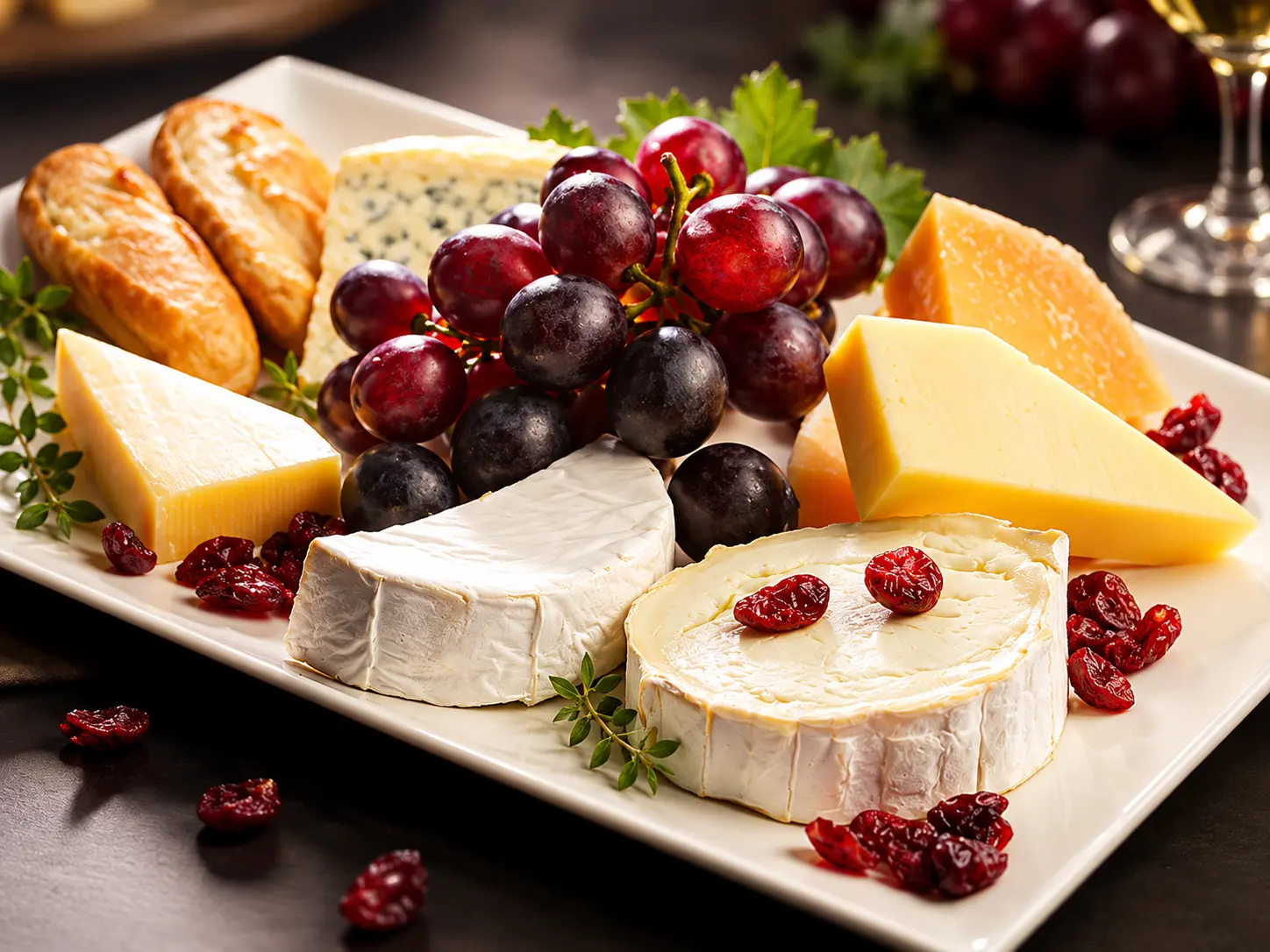
Stretch, Melt, Shred and Slice Performance
The best starch dosage depends on the finished cheese format. Pizza cheese and burger slices should not be optimized against the same single texture target.
Shreddability
Measure clean cutting, smearing, fines, strand integrity and clumping after shredding.
Melt Flow
Compare diameter, flow distance, oil release and edge definition after controlled heating.
Stretch
For pizza cheese, measure strand length, elastic recovery and break behavior at a defined temperature.
Slice Flexibility
For processed slices, measure bendability, peel strength, cold cracking and hot melt.
07 / DIAGNOSE THE STRUCTURE FAILURE
Cheese Formulation Troubleshooting
Do not solve every problem by adding more starch. Protein hydration, emulsifying salts, pH, fat emulsification and process shear can be equally important.
| Observation | Factors to Investigate | Controlled Next Trial |
|---|---|---|
| Pizza cheese does not stretch | Casein level, emulsifying salts, pH, starch type, moisture and cook history. | Hold starch constant first and confirm protein hydration and pH. |
| Cheese melts too much | Weak matrix, high moisture, low protein or low gelling strength. | Compare baseline and +1% modified starch with identical pH. |
| Cheese does not melt enough | Excess starch, strong gel, high protein, low moisture or over-cooking. | Reduce starch while holding protein and moisture constant. |
| Oil separates during heating | Fat addition, emulsifying-salt system, casein hydration, temperature and shear. | Review emulsification before increasing starch. |
| Shreds smear or stick | Insufficient firmness, high moisture, warm block temperature or weak starch gel. | Standardize block temperature and compare starch level. |
| Processed slices crack | Excess firmness, insufficient flexibility, low moisture or unsuitable starch. | Compare starch grade and moisture balance at fixed pH. |
| Spreadable cheese is grainy | Poor protein hydration, powder dispersion, emulsifying salts or insufficient shear. | Review processing before changing formula solids. |
| Water separates during storage | Weak water binding, protein/starch imbalance, process history or temperature cycling. | Run equal samples under standardized storage. |
08 / SELECT BY FUNCTION
How to Select Modified Starch for Cheese Applications
Share the cheese format, protein source, fat system, water level, pH, cooking temperature and required melt behavior so Tianjiang can select an appropriate grade.
Strong-Gelling Grades
Useful where block firmness, shreddability and dimensional stability are primary targets.
Elastic Texture Grades
Evaluate where flexibility, bendability or pizza stretch must be balanced with block strength.
Creamy Texture Grades
Useful for spreadable processed cheese requiring smoothness and soft body.
Modified Corn Starch
Suitable grades can provide strong body, gelling and robust process performance.
Modified Tapioca Starch
Suitable grades can provide smooth texture, elasticity and neutral flavor.
Commercial Documentation
Confirm exact grade, botanical source, specification, COA, certifications and destination-market requirements.
09 / MAKE EVERY TRIAL COMPARABLE
Cheese Formulation and Quality Testing
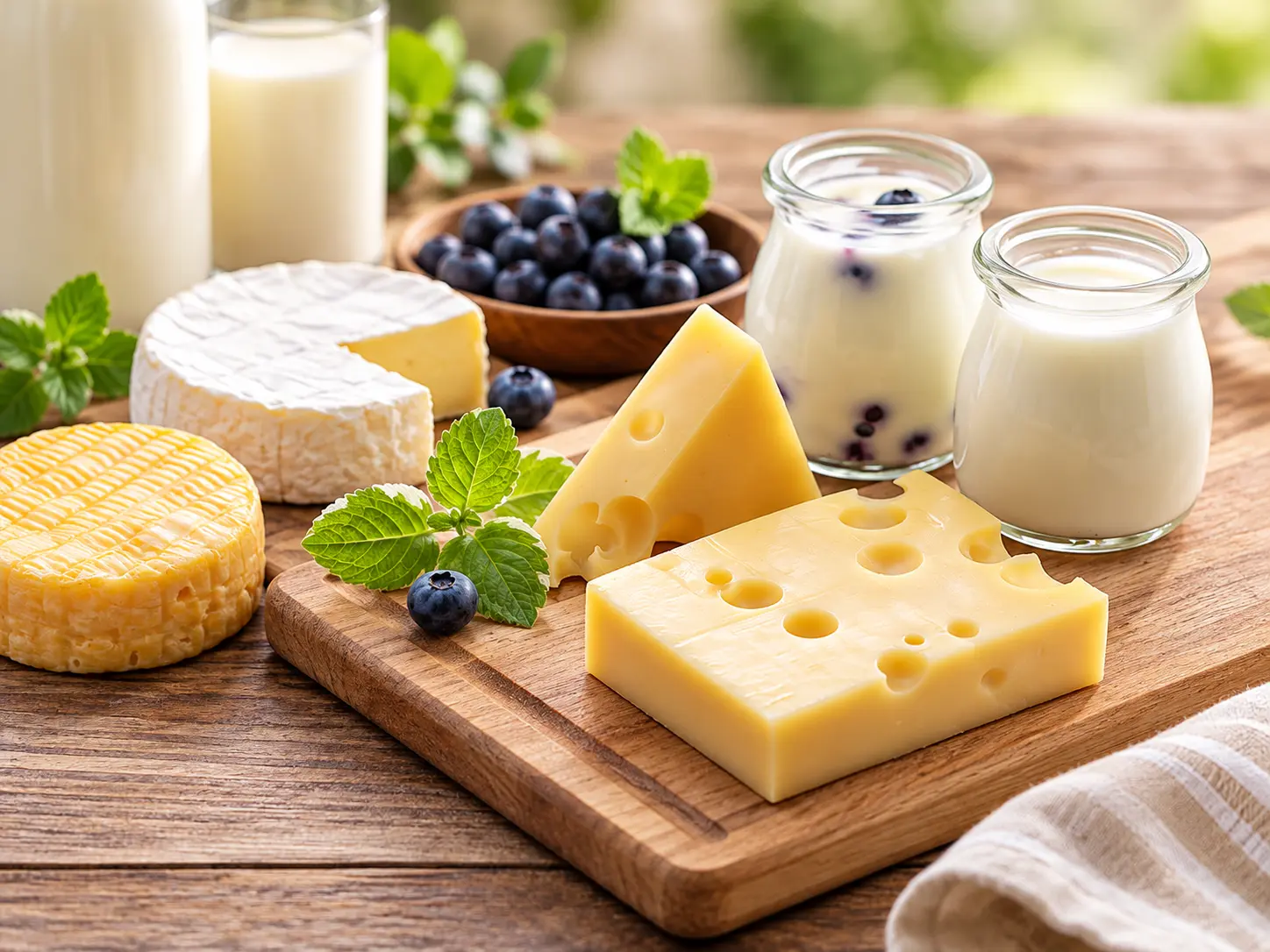
Compare candidate starches using identical protein, fat, water, pH, cooking, cooling and conditioning conditions.
Recommended Evaluation Points
- Firmness Measure blocks or slices at the same temperature and conditioning time.
- Shred quality Record fines, smearing, clumping and strand definition.
- Melt test Use a fixed cheese mass, temperature, time and substrate.
- Stretch test Evaluate strand length, elasticity and break point at controlled temperature.
- Oiling-off Record free fat after controlled heating.
- Sensory quality Evaluate cheese flavor, creaminess, rubberiness, starchiness and mouth coating.
10 / MOVE FROM R&D TO PURCHASING
Modified Starch Specifications for Cheese Purchasing
Once the preferred formula meets the functional target, connect the application result with procurement, quality and plant requirements.
Exact Grade Specification
Request the selected Tianjiang starch grade and preparation instructions.Representative COA
Review relevant quality and acceptance parameters.Botanical Source
Confirm corn, tapioca or other declared starch source.Regulatory Documentation
Confirm additive designation, allergen status, certifications and destination-market fit.Commercial Terms
Confirm sample quantity, MOQ, pack size, quotation basis and lead time.Supply Planning
Share projected volume, delivery destination and change-control requirements.
11 / TECHNICAL QUESTIONS
Cheese Formulation FAQs
Practical guidance for cheese manufacturers, R&D teams and ingredient buyers evaluating modified starch.
How Much Modified Starch Is Used in Processed Cheese?
The Tianjiang reference systems on this page use approximately 4% to 6% modified starch. The optimum dosage depends on protein level, fat system, water content, starch grade and target texture.
What Does Modified Starch Do in Cheese?
Depending on the selected grade, modified starch can support firmness, water binding, shreddability, creaminess, slice flexibility, yield and controlled melt.
Can Modified Starch Improve Pizza Cheese Stretch?
Modified starch can help tune the supporting cheese matrix, but stretch depends heavily on casein functionality, moisture, emulsifying salts, pH and processing. More starch does not automatically produce more stretch.
Can Modified Starch Replace Casein?
In some recombined or analogue cheese systems, starch can reduce part of the protein requirement. The acceptable replacement level must be determined by melt, stretch, firmness and sensory testing.
Why Does Pizza Cheese Release Oil During Heating?
Oiling-off can be caused by protein hydration, emulsifying salts, fat addition, pH, cooking conditions or excessive free fat. It should not automatically be corrected by adding starch.
Can Modified Tapioca Starch Be Used in Cheese?
Yes. Appropriate modified tapioca starches can be evaluated for elasticity, smoothness, freeze-thaw tolerance and neutral flavor. Modified corn starches can also be selected for stronger body and gelling.
Is This the Same as Natural Mozzarella Cheese?
No. The Tianjiang formulas on this page focus on processed, recombined and analogue-style cheese systems where modified starch has a functional role. Natural mozzarella is produced through a different cheesemaking process and may be subject to specific standards of identity.
What pH Is Used for Tianjiang Pizza Cheese?
TJ-CH-01 uses approximately pH 5.8 as a process reference. The final target should be optimized around cheese composition, emulsifying salts, melt, stretch and destination-market requirements.
12 / TALK TO TIANJIANG
Request Modified Starch Samples for Cheese
Share your protein source, fat system, current starch level, pH, process and required melt or texture target so Tianjiang can recommend an appropriate candidate grade.
Include current melt, stretch, shred, firmness and oil-release results when available.
Contact TianjiangPrepare Your Cheese Project Brief
13 / CONTINUE EXPLORING