
TIANJIANG / FLAVOR DELIVERY TECHNOLOGY
Flavor Microencapsulation with OSA Modified Starch
Volatile flavor oils can lose intensity, oxidize, separate or become difficult to handle during processing and storage. Tianjiang OSA modified starch helps manufacturers convert oil-soluble flavor and aroma systems into stable emulsions before spray drying. The resulting microencapsulated flavor powder can provide improved aroma retention, controlled oil loading, powder handling, storage stability and easier incorporation into dry food systems.

01 / WHAT FLAVOR MANUFACTURERS ACTUALLY NEED
Flavor Microencapsulation for Commercial Powder Systems
Flavor microencapsulation is not simply “oil plus carrier.” The complete system must manage oil-in-water emulsion stability, droplet size, feed viscosity, volatile retention, wall-to-core ratio, spray-dryer behavior, surface oil, powder flow and aroma stability during storage.
Stable Flavor Emulsion
Keep citrus, mint or aroma oils uniformly dispersed before atomization.
Volatile Aroma Retention
Reduce unnecessary loss of valuable volatile compounds during drying and storage.
Controlled Oil Loading
Balance flavor intensity against wall protection, feed viscosity and powder behavior.
Oxidation Protection
Reduce direct exposure of sensitive flavor oils to oxygen, light and environmental stress.
Efficient Spray Drying
Control feed solids and viscosity for stable atomization and practical dryer throughput.
Free-Flowing Powder
Target controlled moisture, low caking and consistent downstream blending.
BOTANICAL INGREDIENTS
Botanical Oils & Powder Formats
Ingredient examples for flavor development. A botanical powder is not necessarily microencapsulated; each oil or extract requires its own carrier selection and processing trials.

Turmeric Oil & Botanical Powder
Explore botanical oil and powder formats for flavor and color development. Validate dispersion and aroma retention for the selected ingredient.

Star Anise & Spice Aromas
Assess spice-oil delivery in savory flavor systems, with attention to emulsion stability and aroma changes during drying.
02 / FOUR COMMERCIAL DIRECTIONS
Four Flavor Microencapsulation Development Platforms
The Tianjiang platform covers sweet orange, higher-load citrus, peppermint / mint and high-volatility food-grade aroma oils.
Sweet Orange Flavor Microcapsule Powder
A balanced version of Tianjiang's supplied internal sweet-orange microencapsulation platform using OSA starch, maltodextrin and spray drying.
High-Load Citrus Flavor Powder
A higher-core-loading direction for orange, lemon, lime, mandarin and similar oil-rich citrus flavor systems.
Peppermint & Mint Flavor Powder
A volatile mint-oil delivery platform designed around emulsion stability, aroma retention and controlled spray-dried powder loading.
High-Volatility Aroma Oil Powder
A stronger-wall platform for food-grade aroma oils, spice notes, savory flavor oils and other highly volatile flavor systems.
TJ-FF-01 is built directly from the Tianjiang internal formulation range provided for sweet orange flavor powder. TJ-FF-02 through TJ-FF-04 are independently developed commercial-scale starting points informed by Tianjiang's process platform, public flavor-encapsulation technology and spray-dried flavor system architecture. They are not reproductions of another manufacturer's proprietary formula.
03 / SPRAY-DRYING FORMULATION CALCULATOR
Flavor Microencapsulation Batch Calculator
Scale the emulsion, adjust flavor-oil loading, modify Tianjiang OSA starch and maltodextrin, estimate spray-dried powder recovery and calculate the theoretical flavor concentration of the finished powder.
Flavor Spray-Drying Formula Calculator
A. Flavor Emulsion Formula
| Component | % of Feed | Batch Mass | Primary Function |
|---|---|---|---|
| Total Feed Emulsion | 100.00 | — | Pre-spray-drying emulsion |
B. Estimated Spray-Dried Powder Balance
| Output | Calculation Basis | Estimated Mass / Value | Technical Meaning |
|---|
TJ-FF-01 ready.
Powder recovery and theoretical flavor loading are mass-balance estimates. Actual volatile retention, surface oil, encapsulation efficiency, aroma profile and shelf-life stability must be measured analytically after spray drying.
04 / FLAVOR DELIVERY FUNCTION
Why OSA Modified Starch for Flavor Microencapsulation?
Flavor oils are hydrophobic, while commercial spray drying normally begins with an aqueous feed. An appropriate starch sodium octenyl succinate helps bridge that incompatibility, supporting oil-in-water emulsification and creating carbohydrate solids that participate in the protective powder matrix.
Flavor Oil Emulsification
Support the dispersion of hydrophobic flavor oil inside an aqueous continuous phase.Low Feed Viscosity
Suitable grades can help maintain practical viscosity at commercially useful solids.Fine Droplet Formation
Work with high-shear and homogenization equipment to build a controlled emulsion.Film Formation
Contribute to a carbohydrate matrix around flavor-oil droplets during drying.Volatile Protection
Help reduce exposure of sensitive flavor compounds during storage.Carrier Compatibility
Combine with maltodextrin to adjust feed solids, powder characteristics and formulation economics.
05 / OIL TO POWDER
Flavor Microencapsulation Manufacturing Process
Tianjiang's internal sweet-orange process uses heated wall-material preparation, high-shear flavor-oil addition, high-pressure homogenization and spray drying. Commercial setpoints should be optimized for the actual flavor profile and equipment.
-
Verify Flavor Oil
Confirm identity, density, volatile profile, oxidation status and storage history.
-
Prepare Process Water
Define the target total feed solids before adding wall materials.
-
Disperse OSA Starch
Hydrate Tianjiang starch sodium octenyl succinate uniformly.
-
Add Maltodextrin
Build the secondary wall solids and adjust feed composition.
-
Condition Wall Phase
For the supplied Tianjiang sweet-orange process, the preparation range is 50–80°C.
-
Start High Shear
Establish controlled mixing before introducing the flavor oil.
-
Add Flavor Oil Gradually
Avoid local oil overload and uncontrolled coalescence.
-
Pre-Emulsify
Continue shear until the system is macroscopically uniform.
-
High-Pressure Homogenize
Optimize pressure and passes against droplet size, viscosity and volatile retention.
-
Check Feed Stability
Evaluate phase separation, viscosity and emulsion condition before atomization.
-
Spray Dry
Optimize inlet, outlet, atomization and feed rate for the specific aroma system.
-
Finish & Pack
Cool rapidly, add validated anti-caking agent, sieve and pack in suitable barrier packaging.
06 / APPLICATION LAB & QUALITY CONTROL
Flavor Microencapsulation Performance Testing
The best wall system should be evaluated from liquid emulsion through spray drying and final shelf life, not only from the appearance of the powder.
Emulsion Stability
Measure oil separation or creaming during realistic feed-holding time.
Droplet Size
Track droplet size distribution before spray drying.
Feed Viscosity
Confirm reliable pumping and atomization at target solids.
Powder Moisture
Control moisture for flowability and storage stability.
Surface Oil
Quantify poorly encapsulated flavor oil at the particle surface.
Encapsulation Efficiency
Measure actual retained oil instead of assuming performance from formulation percentages.
Aroma Retention
Compare key volatile aroma compounds before and after spray drying.
Oxidation Stability
Track oxidation-related aroma changes during storage.
Reconstitution
Evaluate powder dispersion in the intended food or beverage system.
Bulk Density
Control powder density for packaging and downstream dosing.
Flowability
Measure caking, bridging and handling under realistic humidity.
Shelf-Life Aroma
Track characteristic top, middle and base notes through storage.
07 / FINISHED FOOD APPLICATIONS
Food Matrices for Flavor & Texture Development
Evaluate flavor distribution, dispersion and sensory performance in the intended food matrix. Select flavor carriers and texture-building starches by function, then validate the complete formulation.

Nut-Based Powder Blends
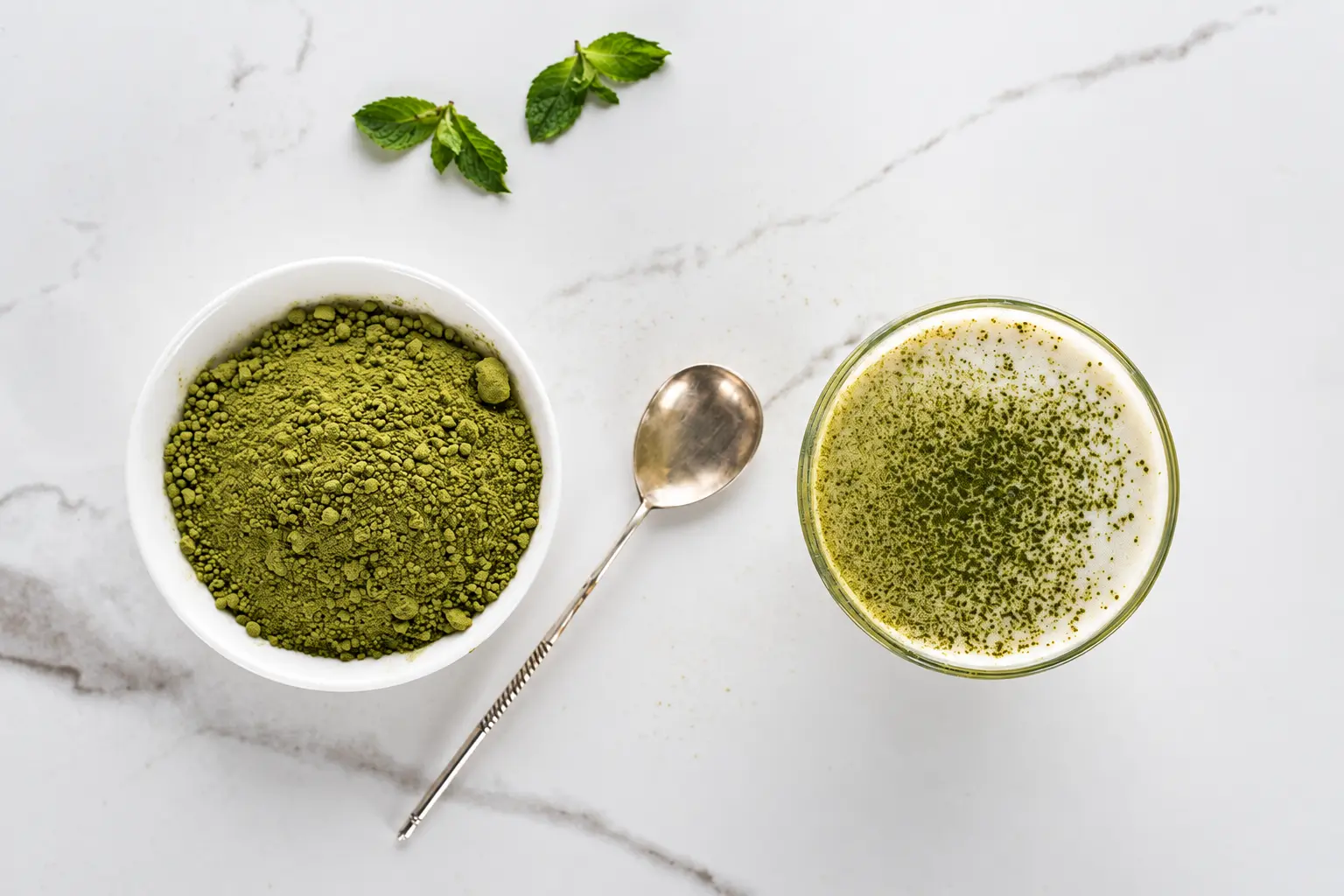
Consider flavor balance and powder dispersion in nut-based blends and beverage formulations.
Creamy Sauce Systems
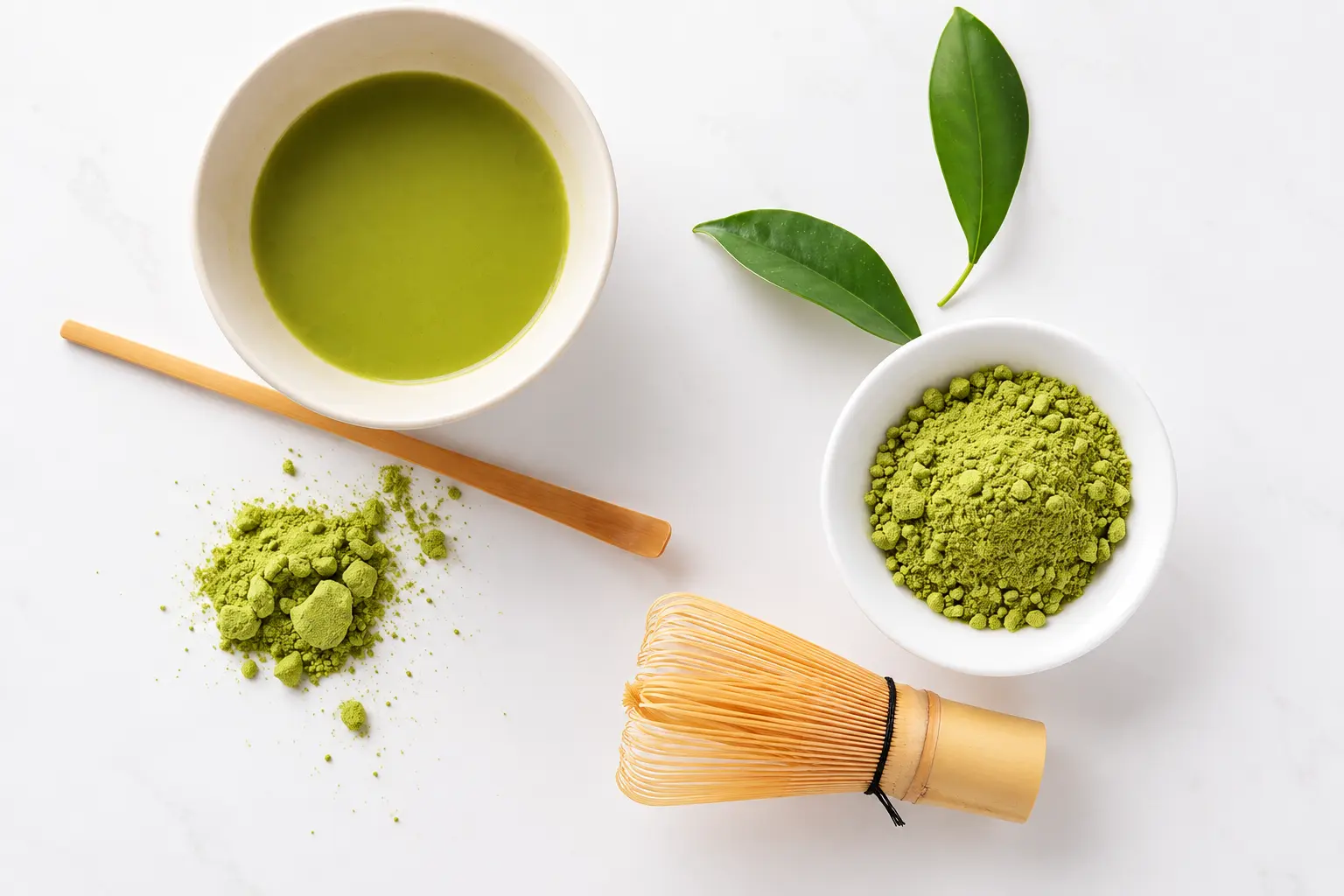
Assess smoothness, mouthfeel and flavor distribution in creamy sauce formulations.
Vegetable & Herb Sauces
Explore botanical flavor profiles and even dispersion in vegetable-based sauces.
Chili & Savory Sauces
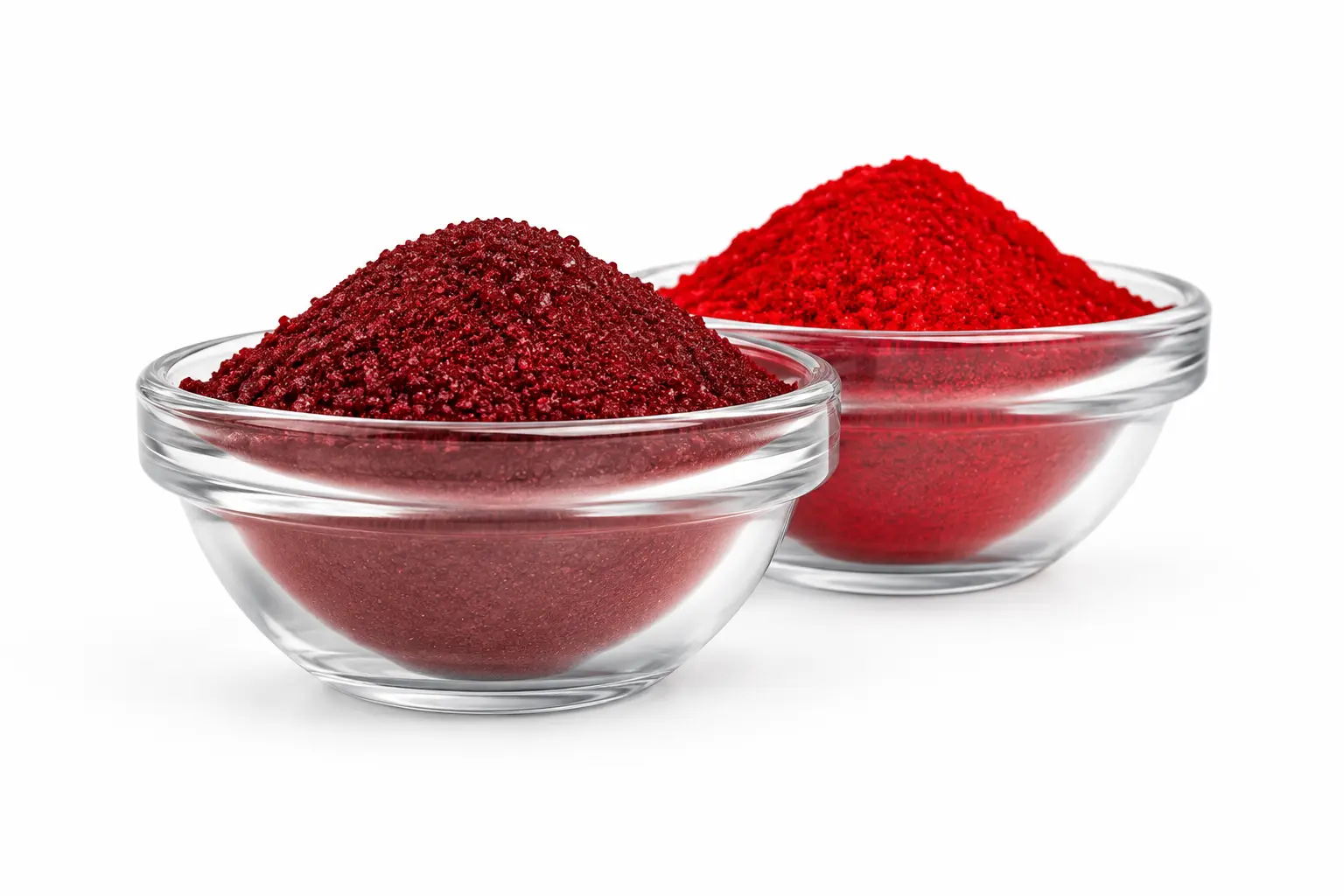
Balance spice intensity, consistency and coating in chili sauce applications.

Gel Desserts
Evaluate flavor release and compatibility with the selected gelling system.

Fruit Preparations
Assess flavor distribution and texture in fruit puree and dessert preparations.
08 / DIAGNOSE THE PROCESS FAILURE
Flavor Microencapsulation Troubleshooting
Keep flavor oil, total solids, homogenization history and spray-dryer conditions constant when comparing different wall materials.
| Observation | Likely Factors | Controlled Next Trial |
|---|---|---|
| Flavor oil separates before drying | Insufficient emulsification, incomplete OSA hydration, coarse droplets or excessive core loading. | Screen a Tianjiang OSA grade at constant core/wall ratio and homogenization conditions. |
| Feed viscosity is too high | High wall-material concentration or unsuitable OSA / maltodextrin balance. | Adjust the wall ratio before reducing total feed solids. |
| High surface oil | Coarse emulsion, weak wall coverage, excess core or inappropriate drying. | Improve emulsion quality before increasing dryer temperature. |
| Aroma is weak after drying | Volatile loss during atomization or thermal exposure. | Review droplet size, drying profile and wall-to-core ratio. |
| Orange / citrus note oxidizes | Surface oil, oxygen exposure or weak barrier performance. | Measure surface oil and conduct controlled oxidative shelf-life trials. |
| Powder sticks in dryer | Feed solids, outlet conditions, wall composition or product stickiness. | Optimize formulation and dryer mass balance together. |
| Powder cakes during storage | High moisture, humidity exposure or insufficient powder finishing. | Review moisture, packaging and anti-caking system. |
| Batch aroma varies | Flavor-oil variation, emulsion drift or inconsistent spray-drying conditions. | Define release limits for feed viscosity, droplet size and emulsion stability. |
09 / SELECT BY FLAVOR SYSTEM
How to Select OSA Modified Starch for Flavor Microencapsulation
Provide Tianjiang with the flavor-oil composition, target powder loading, feed solids, homogenizer, spray dryer, end-use application and shelf-life requirement.
Citrus Oil Grade
For orange, lemon, lime, mandarin and terpene-rich citrus flavor systems.
High Oil-Loading Grade
For manufacturers seeking more flavor oil per unit of dry carrier solids.
Low-Viscosity Grade
For higher-solid feed systems requiring practical pumpability and atomization.
High-Volatility Aroma Grade
For flavor systems where retention of delicate aroma notes is especially important.
OSA + Maltodextrin System
For balancing emulsion performance, feed solids, powder behavior and formulation cost.
Custom Wall System
For specific surface-oil, release, storage or end-use targets.
10 / TECHNICAL QUESTIONS
Flavor Microencapsulation FAQs
Technical guidance for flavor houses, spray-drying plants, food ingredient manufacturers, R&D teams and procurement professionals.
Why Is OSA Modified Starch Used for Flavor Microencapsulation?
OSA modified starch has hydrophilic and hydrophobic functionality, allowing an appropriate grade to help stabilize oil-in-water flavor emulsions while also contributing carbohydrate solids to the spray-dried matrix.
Which Flavors Can Be Microencapsulated with OSA Starch?
Typical candidates include orange, lemon, lime, mint, essential-oil flavors, savory oils, spice aromas and other hydrophobic food flavor systems.
Why Combine OSA Starch with Maltodextrin?
OSA starch provides important emulsifying and film-forming functionality, while maltodextrin can be used to adjust total solids, feed viscosity, powder properties and formulation economics.
Can OSA Modified Starch Increase Flavor Oil Loading?
Suitable grades can support useful oil loading, but the practical maximum depends on flavor chemistry, wall-to-core ratio, feed solids, homogenization and spray-drying conditions.
Why Does Citrus Flavor Lose Aroma During Spray Drying?
Citrus oils contain highly volatile components. Droplet size, wall coverage, atomization, drying profile and surface oil all influence aroma retention.
What Is Surface Oil in Spray-Dried Flavor Powder?
Surface oil is flavor oil located at or readily accessible from the particle surface. High surface oil can contribute to oxidation, aroma loss, stickiness and reduced storage stability.
Is More OSA Starch Always Better?
No. Excessive wall material may reduce flavor loading and can change feed solids, viscosity and final powder economics. The wall-to-core ratio should be optimized for the actual flavor system.
What Information Should I Send Tianjiang?
Provide the flavor type, oil composition, target powder loading, feed solids, existing wall system, homogenization equipment, spray dryer, finished application and shelf-life requirement.
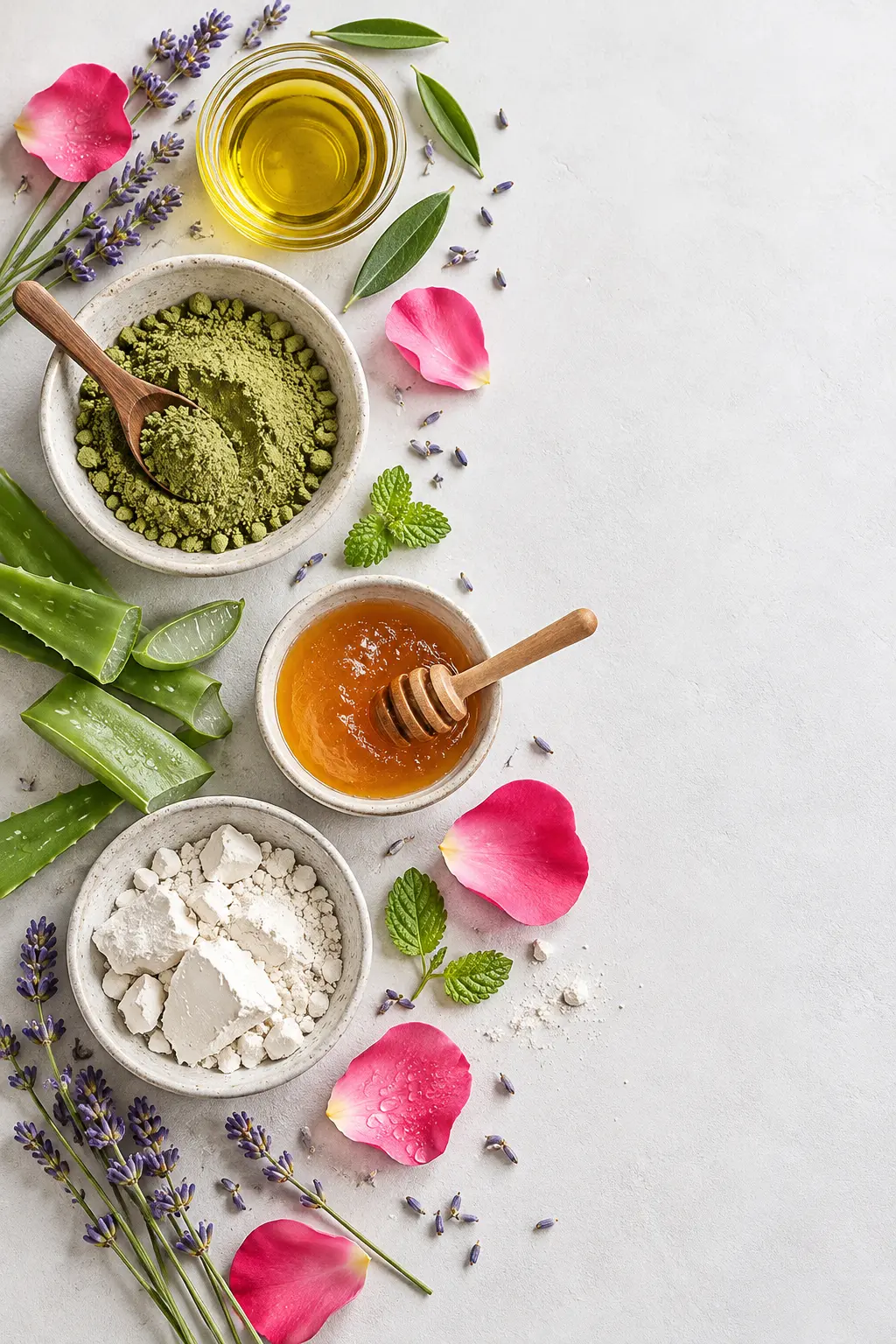
FRAGRANCE & PERSONAL CARE EXPLORATION
Botanical Ingredients for Personal Care
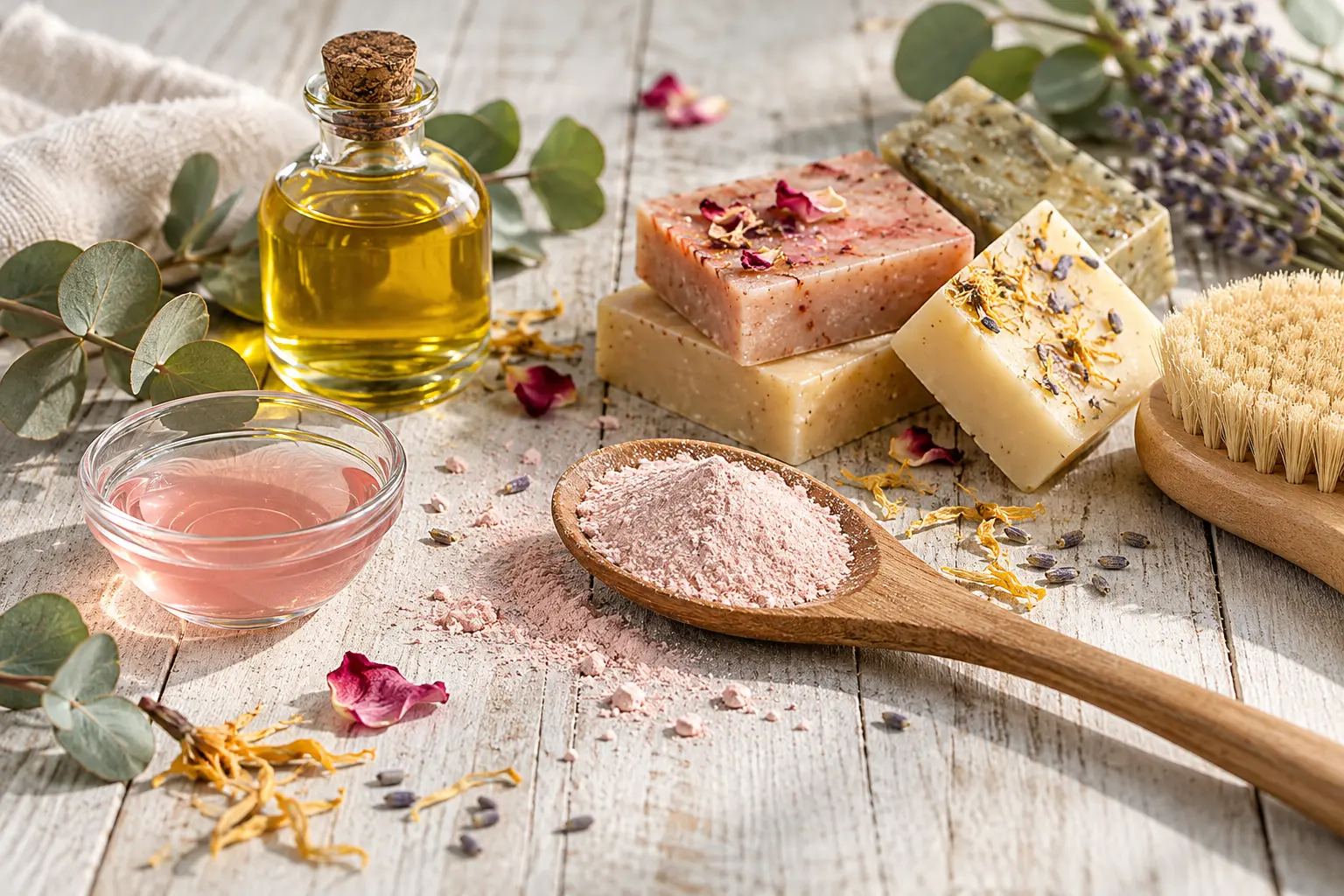
Explore powder, botanical and fragrance formats for personal care development. The food-flavor formulas above are not cosmetic recipes; ingredient suitability, fragrance compatibility and finished-product performance require separate assessment.

Cosmetic Powder Concepts
Explore powder texture and fragrance compatibility in cosmetic formulation trials.
Botanical Skincare Ingredients
Consider ingredient dispersion and compatibility within the intended skincare base.
Soap & Fragrance Concepts
Assess aroma character and compatibility under the actual soap-making and storage conditions.
11 / TALK TO TIANJIANG
Develop Your Next Spray-Dried Flavor Powder
Send Tianjiang your current flavor-oil composition, target oil loading, wall system and spray-drying conditions. Our application team can help screen an OSA modified starch for emulsion stability, volatile retention, high-solids processing and powder quality.