
APPLICATIONS
MODIFIED FOOD STARCH APPLICATIONS
Functional Starch Solutions for Food Applications
Engineered for reliable texture, stability and performance across sauces, dairy products, bakery, noodles, frozen foods and encapsulated ingredients.
& CONDIMENTS 02 DAIRY
PRODUCTS 03 NOODLE
PRODUCTS 04 MICROENCAPSULATED
POWDER
MEETS
FOOD
02 APPLICATION FINDER
FIND THE RIGHT STARCH APPLICATION
Explore Food Processing Applications by Category or Functional Challenge
Select a food system or processing requirement to explore relevant performance priorities, technical functions and dedicated application pages.
NOT SURE WHERE TO START? Share your formulation, process conditions and target texture with our technical team.
DISCUSS YOUR APPLICATION03 LIQUID & SEMI-SOLID FOOD SYSTEMS
SAUCE, DAIRY & FRUIT APPLICATIONS
Starch Performance for Viscosity, Texture and Product Stability
Explore formulation priorities across condiments, cultured dairy products, frozen desserts, fruit preparations and heat-processed fillings.
APPLICATION CATEGORY
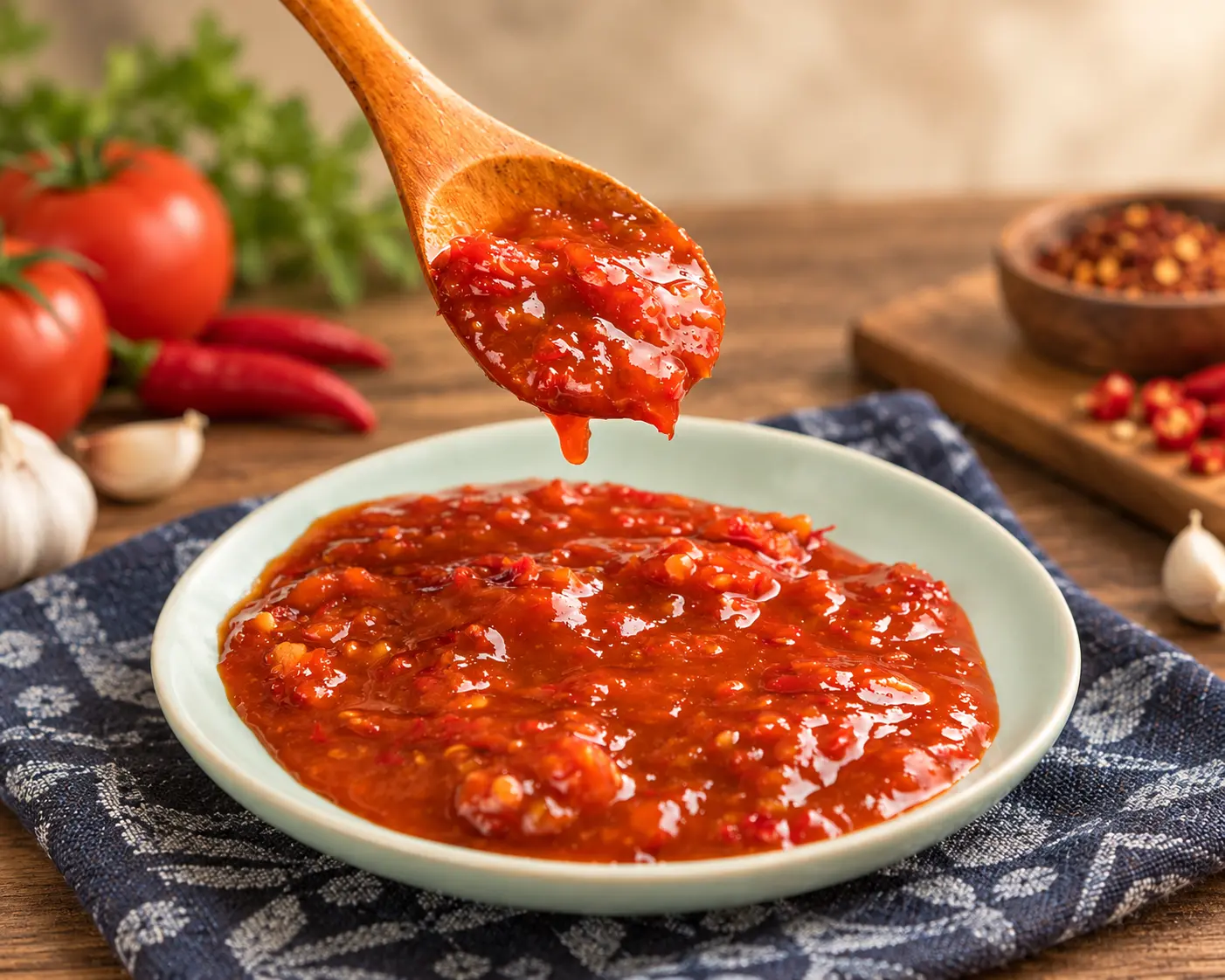
Seasonings & Condiments
Control viscosity, flow and surface appearance while maintaining performance under heating, shear, acidity and salt in complex condiment formulations.

APPLICATION CATEGORY
Dairy Products
Support smooth mouthfeel, creamy body and stable structure in cultured, frozen and processed dairy systems.
APPLICATION CATEGORY
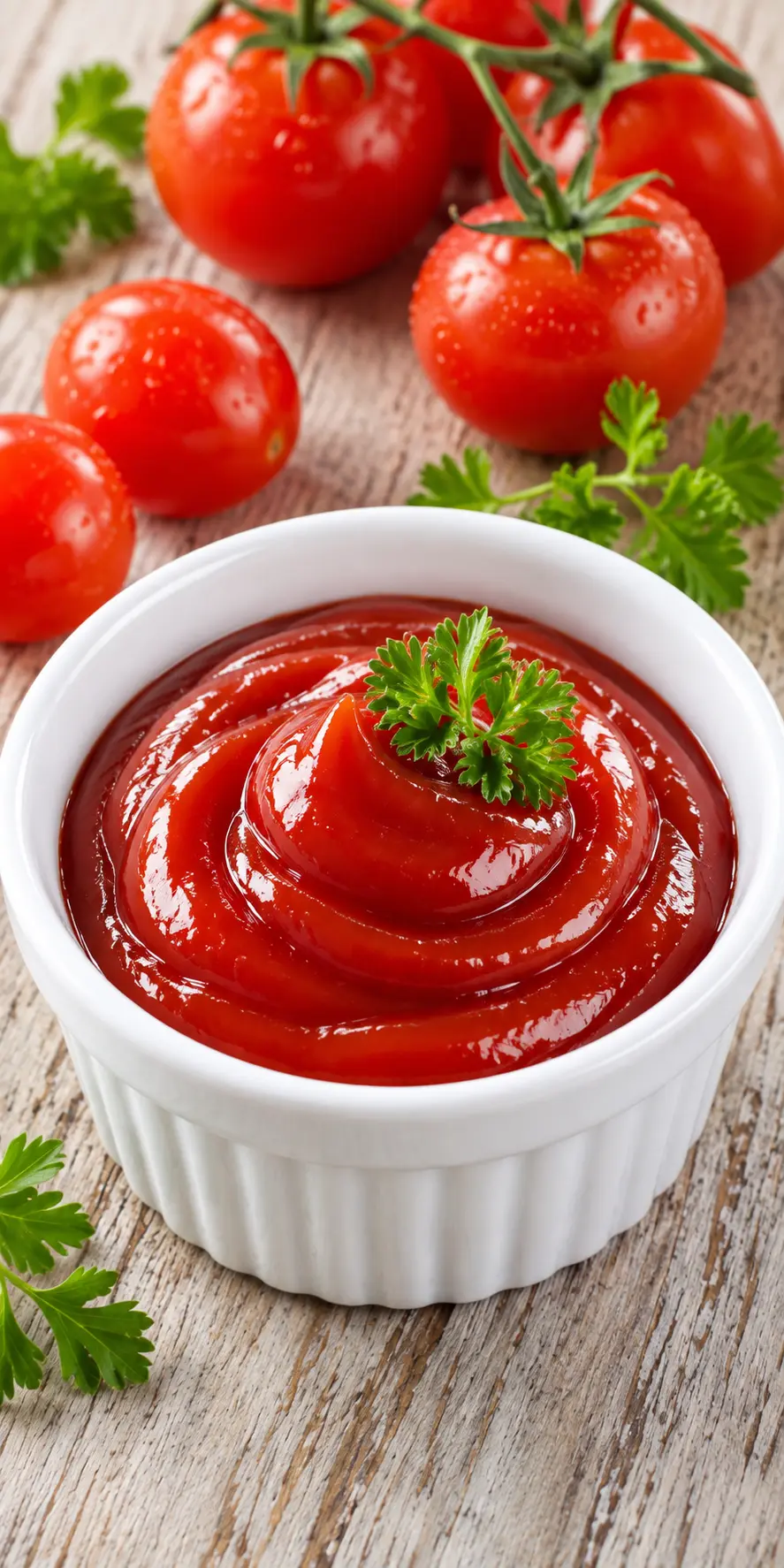
Jam & Sauce Products
Improve water binding, spreadability and appearance while protecting filling texture during baking, cooling and storage.
04 STRUCTURED FOOD APPLICATIONS
SNACK, BAKERY & NOODLE APPLICATIONS
Texture and Processing Solutions for Baked, Extruded and Cooked Foods
Match functional performance with crispness, softness, elasticity, moisture management and cooking tolerance across popular food formats.
Snack Food
Develop crisp surfaces, controlled expansion and distinctive chewy textures while supporting shape retention during frying, baking or chilled storage.
Bakery
Support moisture retention, softness and resilient crumb structure in baked products while maintaining quality through production and storage.
Noodle Products
Improve elasticity, bite and surface quality while reducing cooking loss and stickiness across instant, dried, fresh and rice-based noodle systems.
05 PROCESS-STABLE FOOD SYSTEMS
FROZEN, PREPARED & ENCAPSULATED FOODS
Stability Solutions for Freeze-Thaw, Heat Processing and Ingredient Protection
Connect demanding processing conditions with the functional performance required for frozen foods, prepared dishes and spray-dried ingredients.
APPLICATION CATEGORY
Frozen Food
Protect moisture distribution, filling structure and eating quality through freezing, frozen storage, thawing and reheating.
APPLICATION CATEGORY
Prepared Dishes
Maintain sauce body, ingredient suspension and serving texture during cooking, pumping, hot holding, cooling and reheating.
APPLICATION CATEGORY
Microencapsulated Powder
Support oil-in-water emulsion formation, active-ingredient protection and conversion into stable, free-flowing and dispersible powders.
START WITH YOUR
PROCESSING CHALLENGE
Functional Starch Performance Across Heat, Shear, Acidity and Frozen Storage
Match the demands of your process with a focused starch solution. Explore the performance route most relevant to your formulation, production conditions and finished-product target.
Thickening
Build body, cling and controlled flow. ↗ 02 SYSTEM STABILITYEmulsification
Support stable oil-and-water systems. ↗ 03 ACTIVE PROTECTIONMicroencapsulation
Protect and deliver sensitive ingredients. ↗ 04 COLD-CHAIN CONTROLFreeze-Thaw Stability
Maintain texture through frozen storage. ↗ 05 THERMAL PERFORMANCEHeat Stability
Retain performance during demanding cook steps. ↗ 06 PROCESS TOLERANCEShear Resistance
Withstand mixing, pumping and homogenization. ↗ 07 FORMULA RESILIENCEAcid & Salt Resistance
Preserve consistency in challenging formulas. ↗ 08 SENSORY DESIGNTexture Improvement
Shape bite, creaminess and mouthfeel. ↗FROM FORMULATION BRIEF
TO PRODUCTION
A Four-Stage Route for Selecting the Right Functional Starch
Performance begins with the complete processing environment—not one property in isolation. We connect the food system, production conditions and sensory target before moving toward validation.
Define the Food System
Identify the application, ingredient interactions, target viscosity, mouthfeel, appearance and shelf-life expectations.
Map Processing Conditions
Review temperature, shear, pH, salt, solids, hydration sequence and freeze-thaw exposure across the process.
Validate Formula Performance
Compare dosage, stability and sensory results in the intended recipe before confirming the preferred solution.
Support Scale-Up and Consistency
Translate laboratory results into repeatable plant performance with practical processing and usage guidance.
APPLICATION QUESTIONS,
ANSWERED
Practical Guidance for Product Developers and Purchasing Teams
These answers explain the main factors behind starch selection, processing tolerance and application testing. Open a question to review the relevant formulation considerations.
01
How Is Modified Food Starch Selected for an Application?
Selection starts with the complete food system: desired viscosity and texture, processing temperature, shear, pH, salt level, hydration method, storage conditions and labeling requirements. The best grade is the one that maintains the required performance throughout production and shelf life.
02
How Do Heat and Shear Affect Starch Performance?
High heat develops viscosity but can also weaken a starch paste when exposure is excessive. Intense mixing, pumping or homogenization adds mechanical stress. A process-tolerant solution helps preserve viscosity, smoothness and uniformity under both conditions.
03
What Improves Freeze-Thaw Stability in Frozen Foods?
Freeze-thaw stability depends on controlling water migration and limiting syneresis during repeated temperature changes. The starch type, dosage, solids level and interaction with sugars, proteins and hydrocolloids should be evaluated in the final recipe.
04
Can One Starch Work Across Sauce, Dairy and Bakery Systems?
Some grades perform well across several systems, but direct substitution is not always reliable. Sauces, dairy products and bakery fillings differ in water availability, protein, fat, pH and processing intensity, so each formula should be confirmed under realistic conditions.
05
How Is the Recommended Dosage Determined?
Dosage is established through trials rather than a universal percentage. Developers normally test a practical range, compare hot and cold viscosity, evaluate texture and stability, then select the lowest effective level that consistently achieves the product target.
06
What Information Helps Us Recommend an Application Solution?
Share the product type, ingredient list, target texture, process sequence, peak temperature, mixing conditions, pH, storage method and current challenge. Existing dosage, benchmark performance and labeling preferences make the recommendation more precise.
BRING YOUR NEXT
FORMULATION INTO FOCUS
Share the Process Challenge. Define the Performance Target.
Tell us about your application, ingredient system and production conditions. Our team can help identify a suitable starch route for evaluation and provide practical guidance for formulation trials.
- 01Application requirement review
- 02Functional grade recommendation
- 03Trial and scale-up guidance