
modified starch powder
FUNCTIONAL SOLUTIONS FOR FOOD PROCESSING
MATCH STARCH PERFORMANCE TO YOUR PROCESSING CONDITIONS
Choose starch functionality according to the conditions your formulation actually faces — including heat, mechanical shear, acidity, salt, freezing, storage and texture requirements.
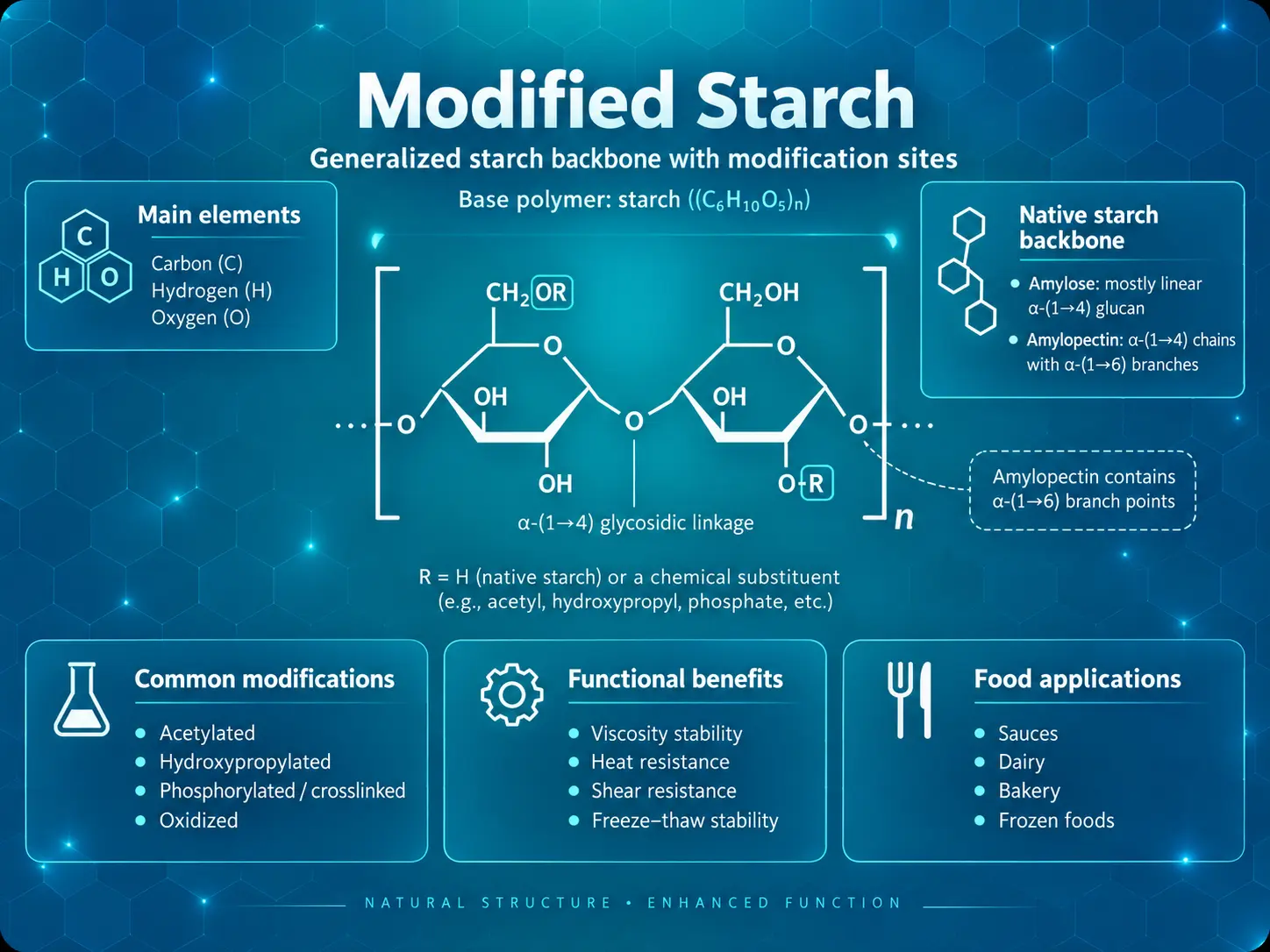
START WITH THE PROCESSING PROBLEM
IDENTIFY WHAT IS LIMITING YOUR FOOD FORMULATION BEFORE SELECTING A STARCH TECHNOLOGY
Processing conditions often determine starch performance. Start with the problem you are trying to solve — such as viscosity loss, syneresis, weak texture, oil separation or instability under heat, shear, acid, salt or freezing.
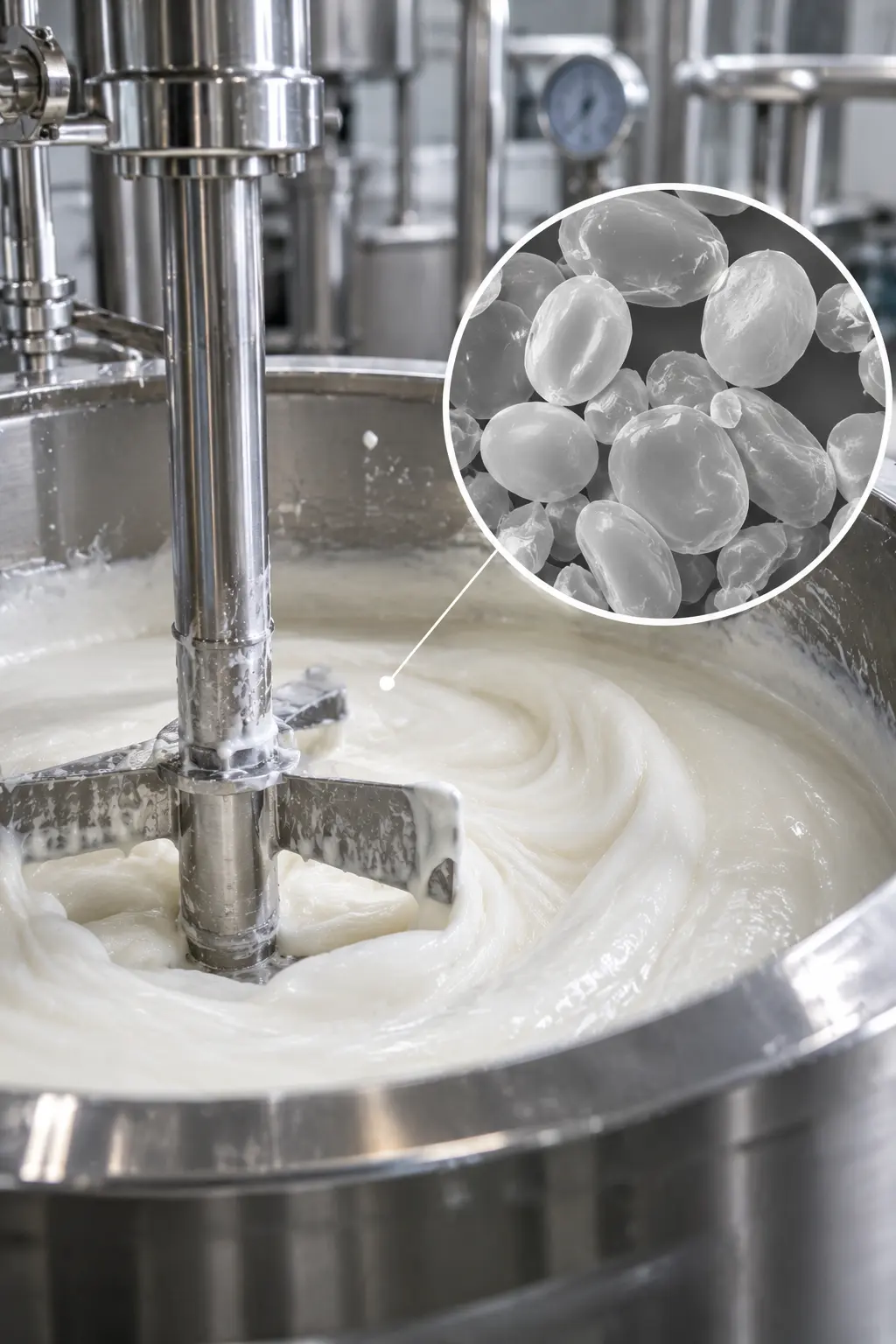
PROCESSING
STRESS
Maintain viscosity and structure when food systems are exposed to heating, pumping, homogenization, acidity, salt or intensive mechanical shear.

STORAGE &
SHELF-LIFE
Reduce syneresis, moisture migration and texture breakdown during frozen, chilled or ambient storage.
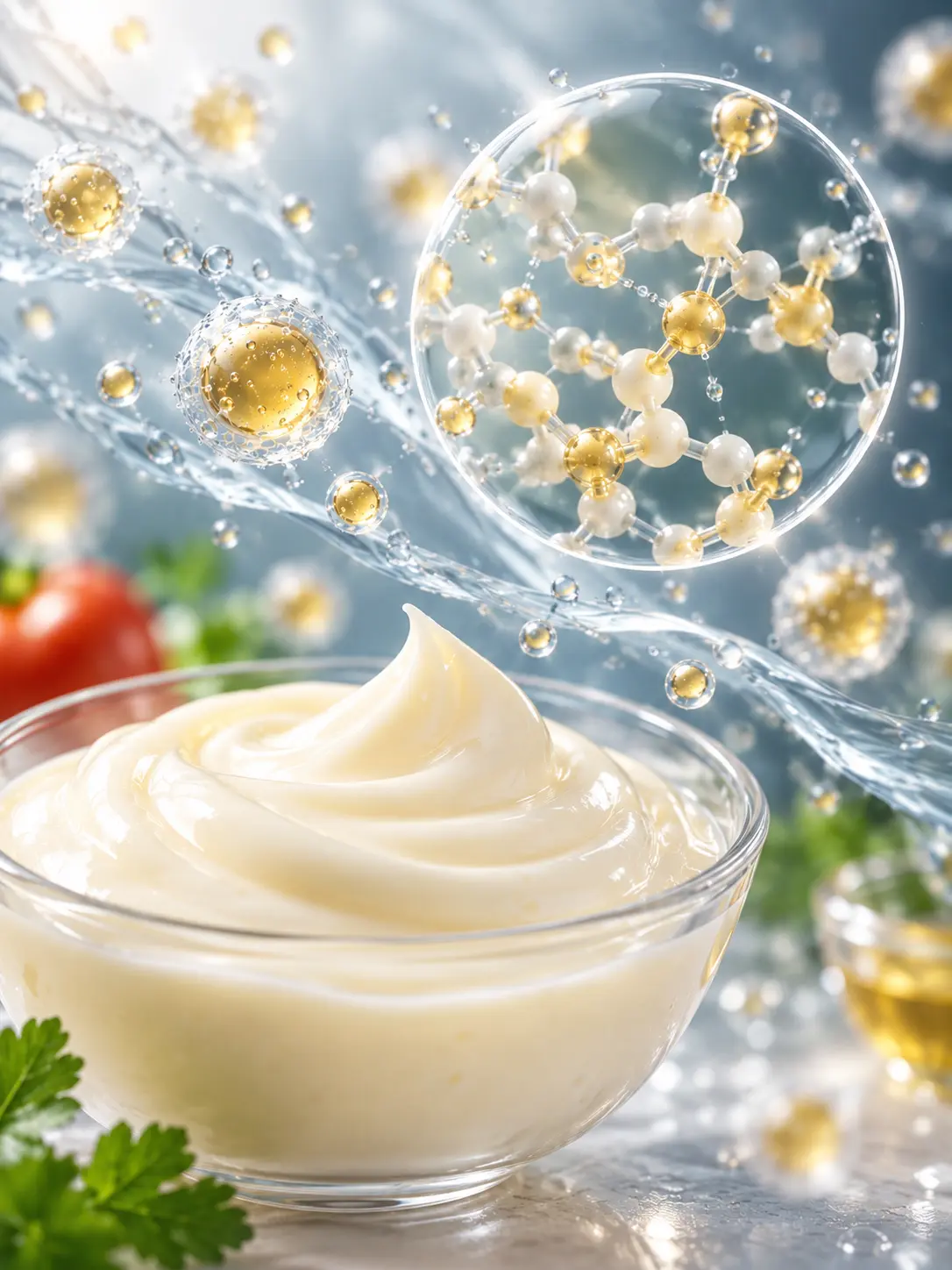
TEXTURE &
APPEARANCE
Build the required body, smoothness, mouthfeel, coating behavior, gloss and visual consistency in finished foods.

DISPERSION &
DELIVERY
Improve oil-water stability, ingredient dispersion and protection of flavors, oils or active components in liquid and powder formulations.
SOLVE THE PERFORMANCE CHALLENGE
CHOOSE THE FUNCTION YOUR FORMULATION NEEDS — THEN MATCH IT TO THE RIGHT STARCH TECHNOLOGY
From viscosity control and processing tolerance to emulsification, moisture management and texture, select the performance challenge that best matches your food formulation.

VISCOSITY
STABILITY
Maintain consistent viscosity through heating, mixing and storage.

HEAT
STABILITY
Maintain structure and viscosity during high-temperature processing.

SHEAR
RESISTANCE
Preserve viscosity during mixing, pumping and homogenization.

FREEZE-THAW
STABILITY
Limit syneresis and texture breakdown during frozen storage.

ACID & SALT
RESISTANCE
Support texture in acidic and high-salt formulations.

WATER
RETENTION
Reduce moisture loss and support softer, more stable texture.

THICKENING
Build body and consistent viscosity across processing conditions.

TEXTURE
IMPROVEMENT
Enhance smoothness, body, mouthfeel and product consistency.

TRANSPARENCY
& GLOSS
Improve clarity and surface gloss in sauces, fillings and coatings.

EMULSIFICATION
Improve oil-and-water stability for smooth, uniform formulations.

MICROENCAPSULATION
Protect flavors, oils and actives for improved stability and delivery.
WHAT HAPPENS DURING PROCESSING?
FOLLOW THE PROCESS — FIND WHERE PERFORMANCE STARTS TO CHANGE
Modified starch performance depends on what happens during mixing, heating, pumping, filling, freezing and storage. Select a process stage to identify the likely formulation challenge and the functionality that may be required.
MIXING STAGE
During initial mixing, starch must hydrate and disperse uniformly without forming lumps or creating inconsistent viscosity.
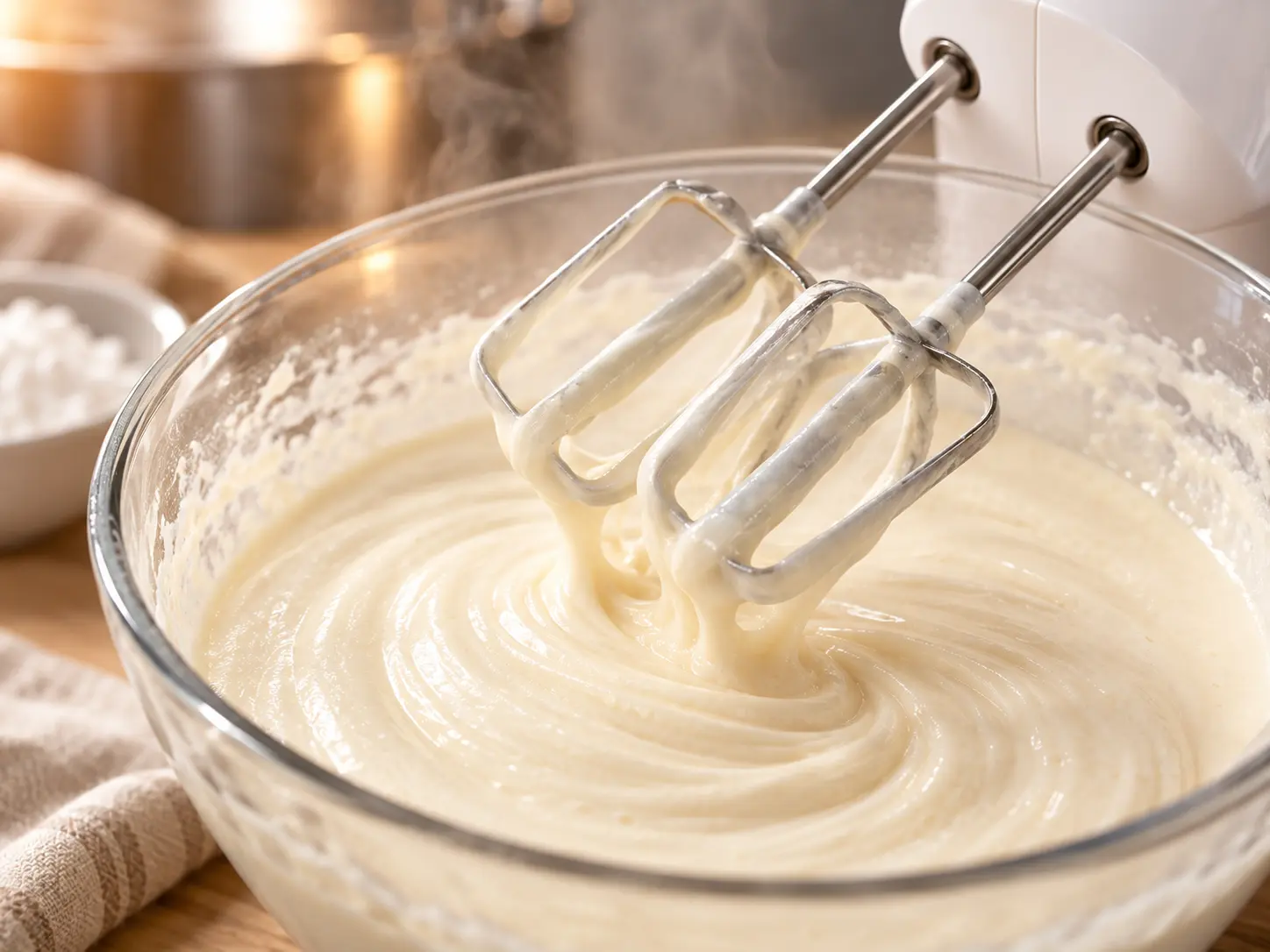
SOLUTIONS IN REAL FOOD SYSTEMS
CONNECT PROCESSING CHALLENGES WITH THE PERFORMANCE YOUR FINISHED PRODUCT NEEDS
Different food systems expose starch to different combinations of heat, shear, acidity, freezing, storage and sensory requirements. Explore the application closest to your formulation.
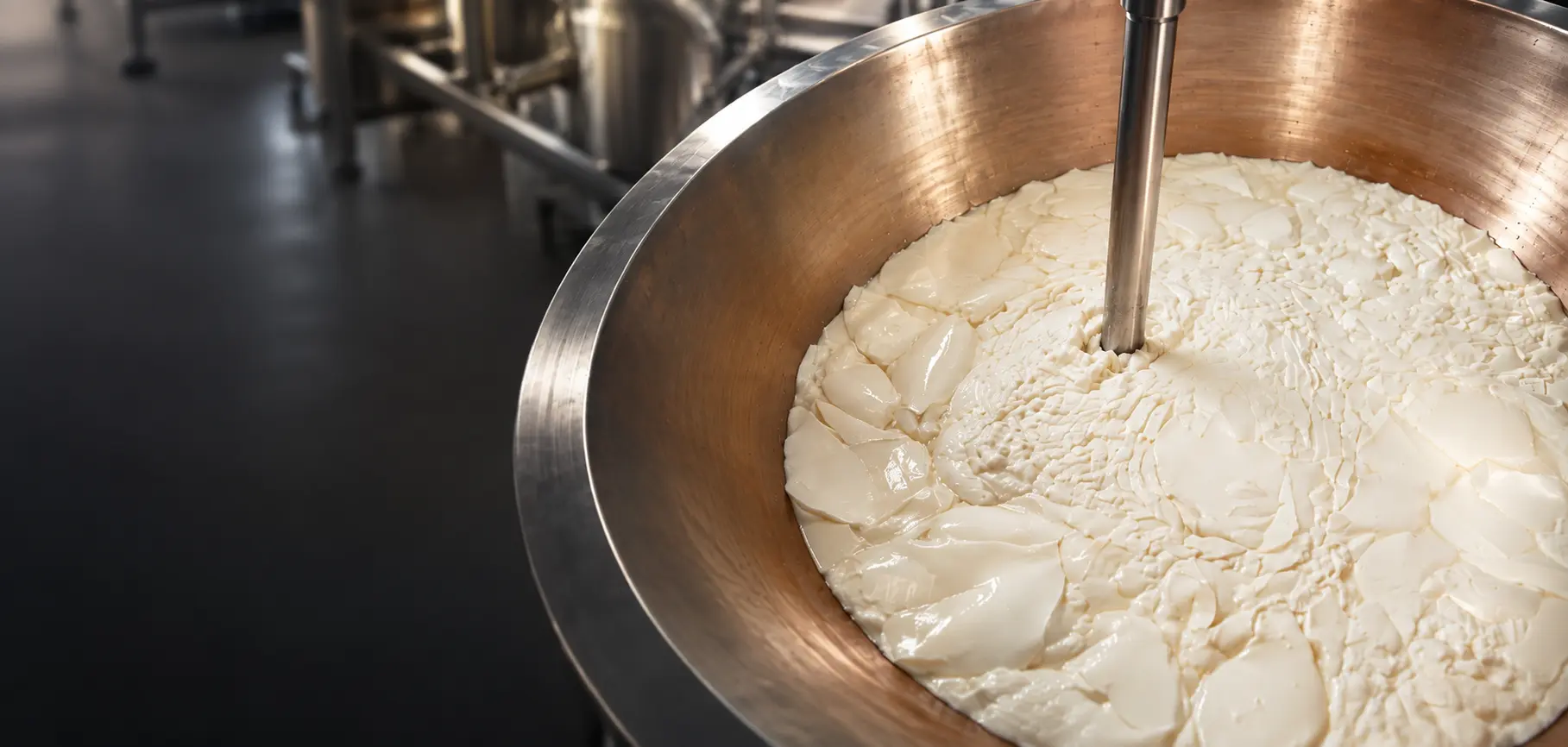
CONTROL VISCOSITY
THROUGH PROCESSING
Maintain body, coating behavior and texture when sauces are exposed to heating, mixing, acidity and salt.
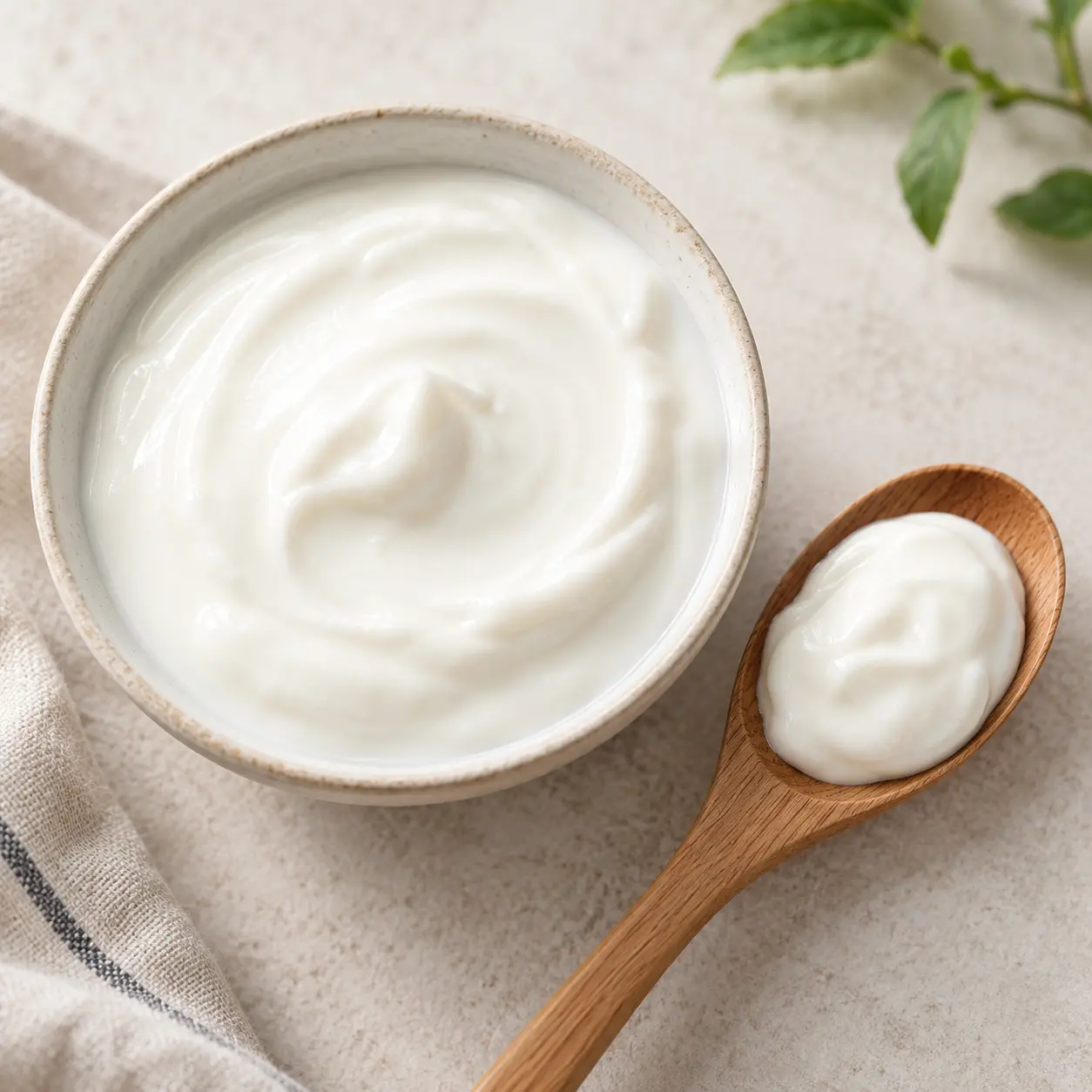
BUILD SMOOTH,
STABLE TEXTURE
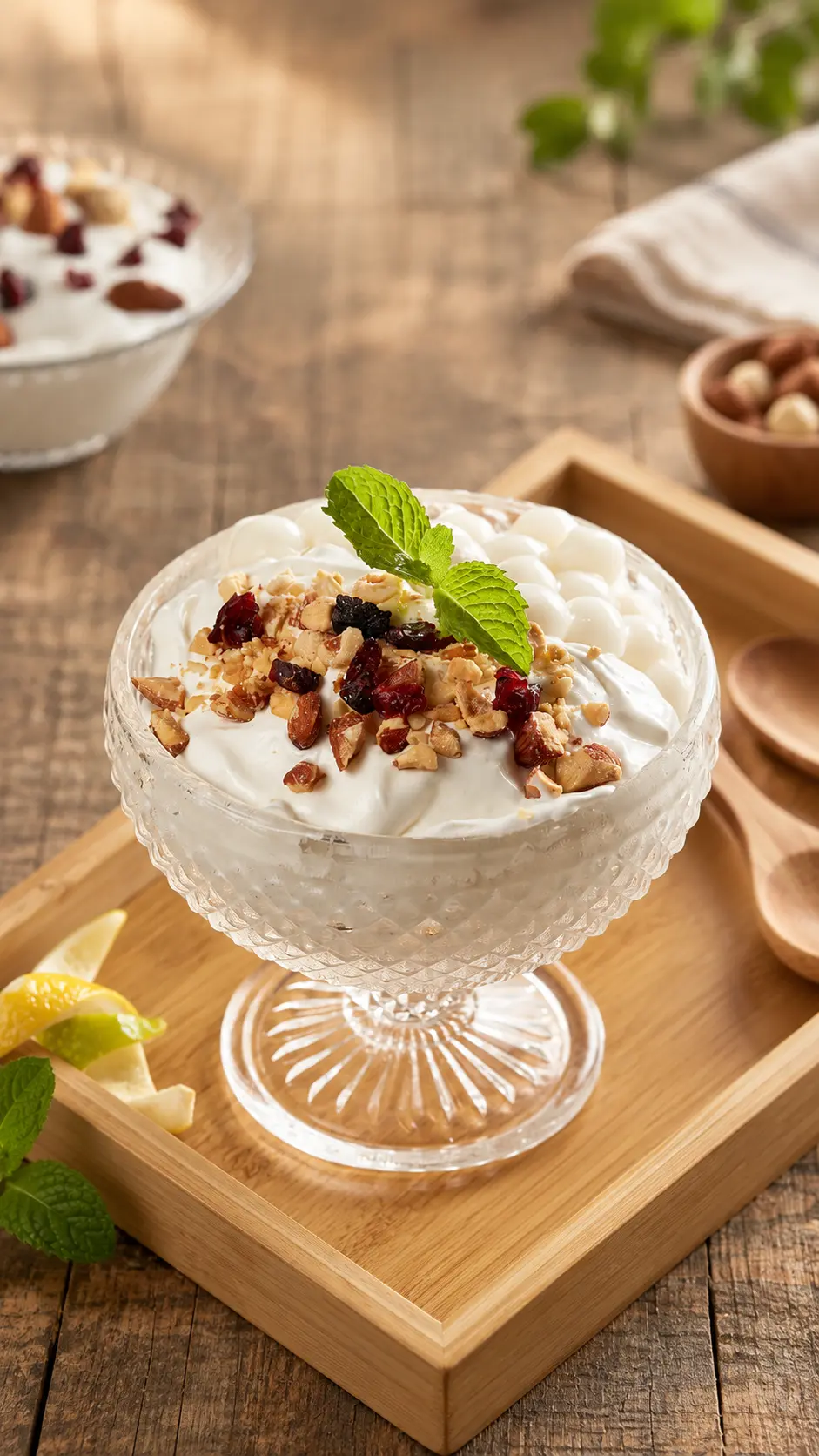
Improve creaminess, body and consistency in yogurt-style products, dairy desserts and processed dairy systems.

REDUCE WATER
SEPARATION
Protect texture and moisture distribution during freezing, frozen storage and thawing.
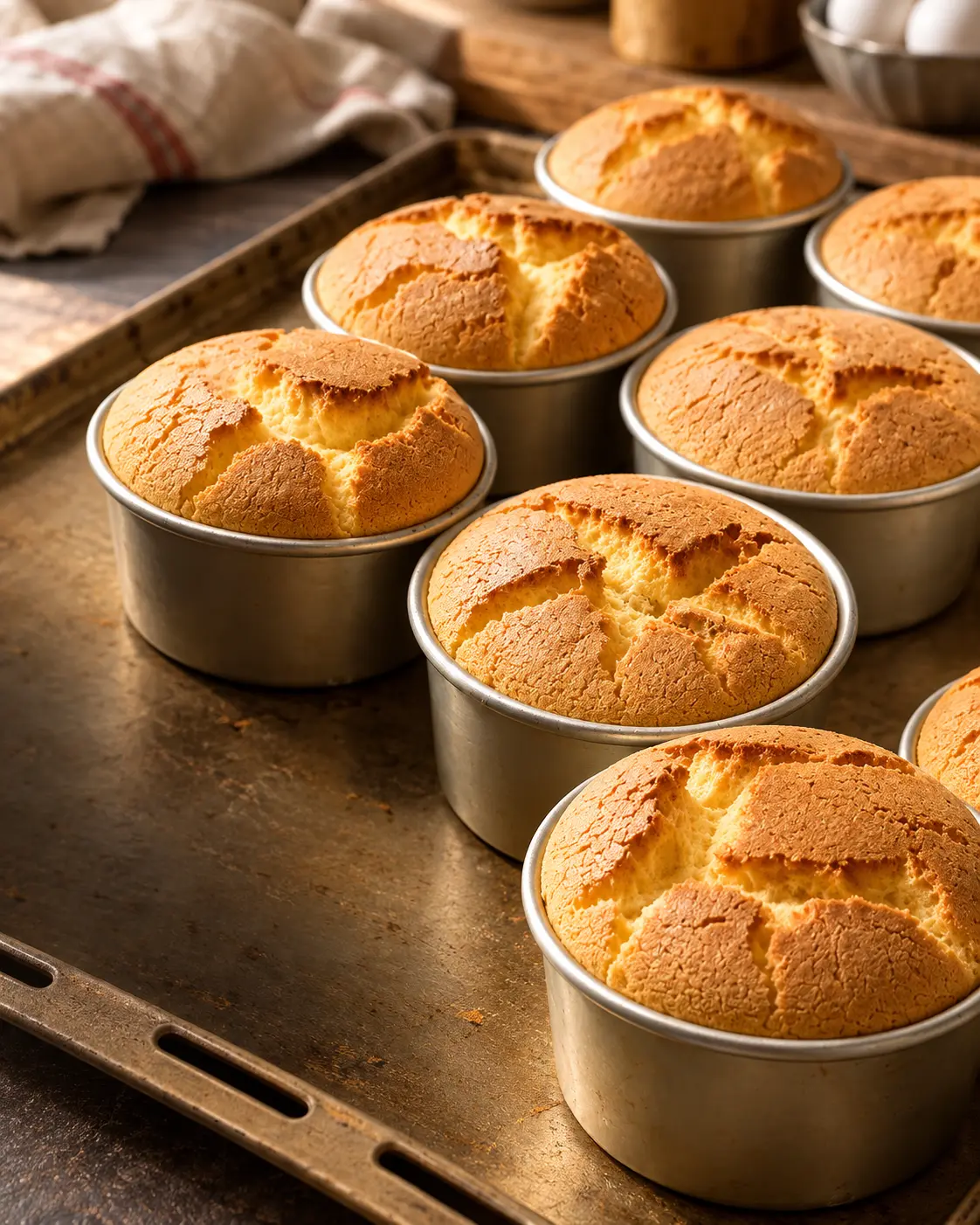
MANAGE MOISTURE
& SOFT TEXTURE
Support moisture retention, softness and consistent texture in bread, cakes and other processed bakery products.
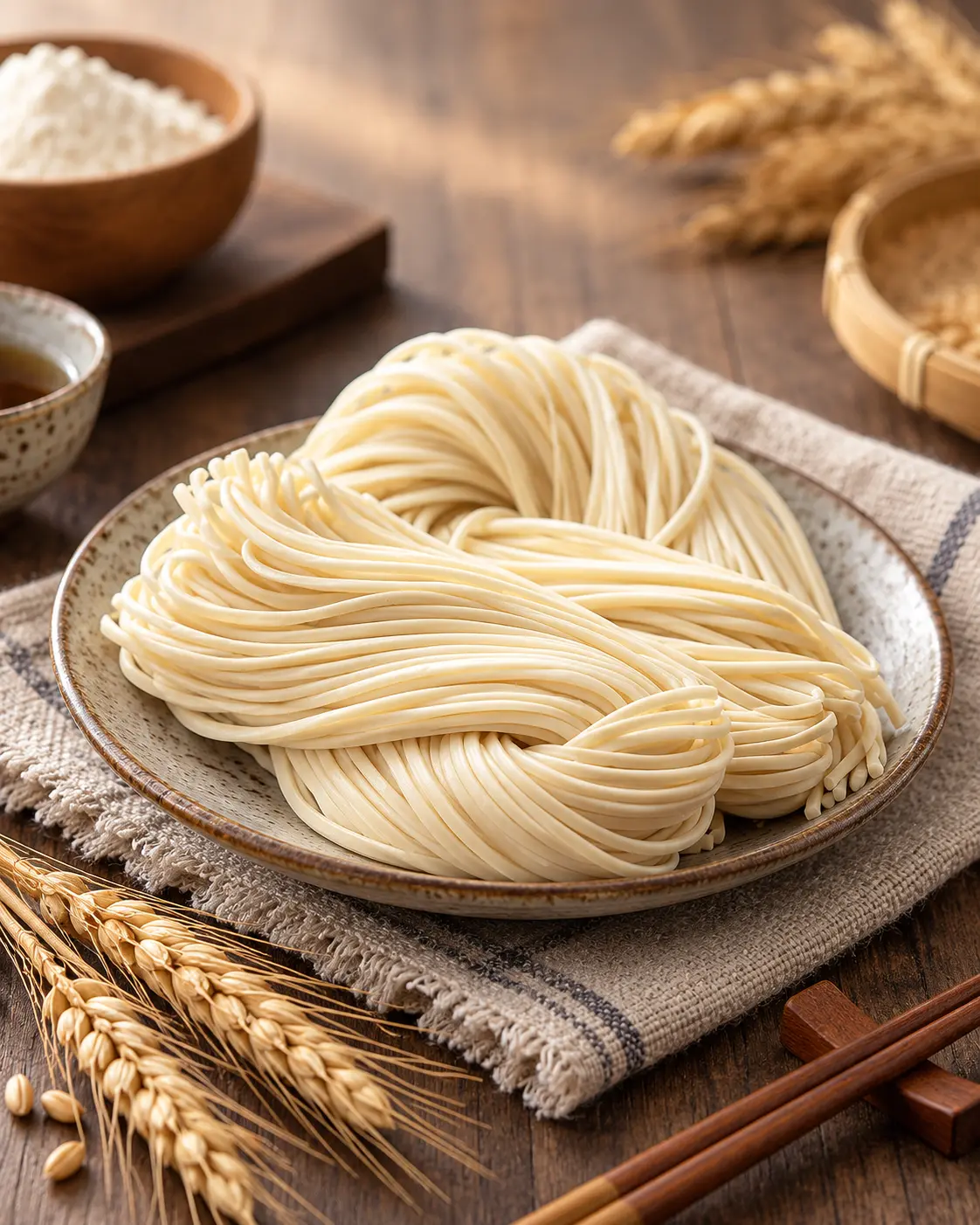
IMPROVE BITE
& HYDRATION
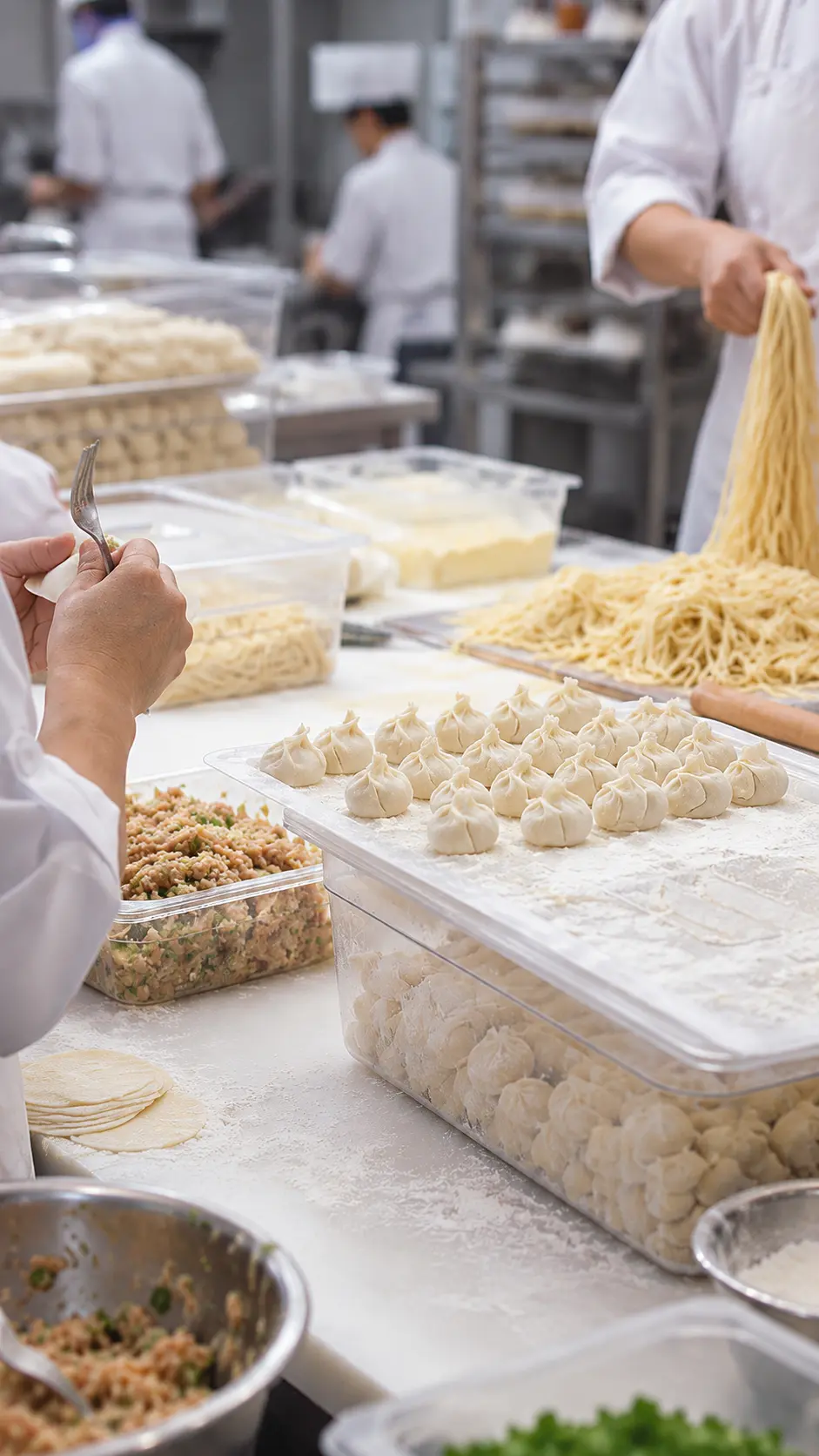
Support elasticity, reduce stickiness and control texture across instant noodles, rice noodles and other noodle systems.

STABILIZE,
CARRY & PROTECT
Support oil-water emulsification and protect flavors, oils and active components through processing, encapsulation and drying.
WHAT SHOULD BE TESTED BEFORE PRODUCT SELECTION?
VERIFY STARCH PERFORMANCE UNDER THE CONDITIONS YOUR FORMULATION WILL ACTUALLY FACE
Final starch performance depends on formulation, dosage, processing conditions and storage. Technical evaluation should reproduce the conditions that matter most in the finished food system.
VISCOSITY PROFILE
Measure how viscosity develops during heating and how well the starch system retains body after mixing, shear and cooling.


pH, salt, sugar, oil, protein, dosage, temperature, shear and storage conditions can all influence the final performance of a starch-thickened food system.
GO DEEPER INTO STARCH PERFORMANCE
USE TECHNICAL GUIDES TO UNDERSTAND FUNCTION, PROCESSING BEHAVIOR AND APPLICATION SELECTION
Explore starch fundamentals, functional properties, processing knowledge and application-focused guidance to better understand how starch technology behaves inside real food formulations.

MODIFIED STARCH GUIDE
Start with the fundamentals: what modified starch is, how different starch technologies are classified and how functionality connects with food applications.