
Ingredion Q3 2026 Earnings: Profit Falls and Guidance Is Cut
Ingredion Incorporated (NYSE: INGR) released its third-quarter 2026 financial results on November 5, 2026. The report showed lower operating income, weaker earnings per share and continued pressure from higher manufacturing and raw material costs. Q3 release

Source: Ingredion Q3 release and non-GAAP reconciliation.
For the third quarter, Ingredion reported net sales of $1.792 billion, down 1% from $1.816 billion in the same period of 2025. Reported operating income fell 19% to $201 million, while adjusted operating income also declined 19% to $206 million. Adjusted diluted earnings per share (EPS) decreased from $2.75 to $2.28. Q3 release
Management identified the slower-than-expected financial recovery at its Argo manufacturing facility as the main reason for the weaker results and the reduction in its full-year outlook. Higher input costs and softer consumer demand added further pressure. Q3 release
Another important development was the increase in tapioca-related costs. During the earnings call, management reported that tapioca starch prices had increased approximately 45% since January 2026, while Ingredion's own tapioca costs were approximately 65% higher year over year. Earnings call
This report examines Ingredion's financial performance, raw material costs, regional business results and revised 2026 guidance. It also considers what these developments could mean for food manufacturers and modified starch buyers. Q3 release
Primary sources: Ingredion Q3 2026 Earnings Release and November 5 Earnings Call Transcript.
1. Ingredion Reports Q3 2026 Results: Financial Performance at a Glance
Ingredion's third-quarter results showed a clear difference between revenue performance and profitability. Although net sales decreased by only 1%, gross profit and operating income declined at a faster rate. Q3 financial tables
The following table compares the company's third-quarter 2026 results with the same period in 2025. Q3 financial tables
| Financial Metric | Q3 2025 | Q3 2026 | Year-over-Year Change |
|---|---|---|---|
| Net sales | $1,816 million | $1,792 million | -1% |
| Cost of sales | $1,361 million | $1,393 million | +2% |
| Gross profit | $455 million | $399 million | -12% |
| Reported operating income | $249 million | $201 million | -19% |
| Adjusted operating income | $254 million | $206 million | -19% |
| Net income | $172 million | $142 million | -17% |
| Reported diluted EPS | $2.61 | $2.23 | -15% |
| Adjusted diluted EPS | $2.75 | $2.28 | -17% |
Source: Ingredion Q3 2026 Earnings Release and Ingredion Form 10-Q, filed November 6, 2026. Financial amounts are in U.S. dollars. Percentage changes are rounded.
Diluted EPS in 2026
1.1 Revenue remained relatively stable, but profitability weakened
Net sales decreased by approximately $24 million compared with the third quarter of 2025. However, cost of sales increased by $32 million, from $1.361 billion to $1.393 billion. Q3 financial tables
This difference contributed to the decline in gross profit, which fell from $455 million to $399 million. Operating expenses also increased by 6%, reaching $215 million compared with $203 million in the previous year. Q3 financial tables
Based on the reported figures, Tianjiang calculates that Ingredion's gross margin decreased from approximately 25.1% to 22.3%. Its reported operating margin also declined from approximately 13.7% to 11.2%. Q3 financial tables
| Calculated Margin | Q3 2025 | Q3 2026 | Change |
|---|---|---|---|
| Gross margin | 25.1% | 22.3% | -2.8 percentage points |
| Reported operating margin | 13.7% | 11.2% | -2.5 percentage points |
| Adjusted operating margin | 14.0% | 11.5% | -2.5 percentage points |
Source: Tianjiang calculations using Ingredion's reported net sales, gross profit and operating income. These are calculated ratios, not separately reported company financial measures.
The figures suggest that higher production and operating costs had a greater impact on profitability than the relatively small decline in revenue. For food ingredient manufacturers, this highlights the importance of managing raw material costs, manufacturing efficiency and pricing strategies. Tianjiang analysis Q3 financial tables
1.2 What caused the change in net sales?
The reported 1% decline in net sales does not tell the entire story. Ingredion's earnings release provides a breakdown of the factors affecting its revenue. Q3 financial tables
| Sales Bridge | Impact (USD millions) |
|---|---|
| Q3 2025 net sales | $1,816 |
| Foreign exchange impact | +$26 |
| Volume impact | +$21 |
| Pakistan business divestiture impact | -$65 |
| Price and product mix | -$6 |
| Q3 2026 net sales | $1,792 |
Source: Ingredion's Q3 2026 net sales reconciliation. Figures are rounded and expressed in USD millions.
The sale of Ingredion's majority stake in its Pakistan business reduced the year-over-year reported net sales comparison by $65 million in the third quarter comparison. Excluding the Pakistan business, Ingredion reported a 2% increase in net sales, supported by favorable foreign exchange and higher volumes in Latin America and Texture & Healthful Solutions. Q3 financial tables
This distinction is important. The reported revenue decline should not be interpreted as evidence that demand weakened across every part of Ingredion's business. Tianjiang analysis Q3 financial tables
2. Segment Performance: Which Businesses Faced the Most Pressure?
Ingredion operates across several business areas, including specialty ingredients, food and industrial ingredients, and regional food ingredient markets. Its Q3 2026 results show different performance patterns across these segments. Q3 segment results
| Business Segment | Q3 2026 Net Sales | Sales Change | Operating Income | Income Change |
|---|---|---|---|---|
| Texture & Healthful Solutions | $610 million | +1% | $95 million | -10% |
| Food & Industrial Ingredients – LATAM | $624 million | +7% | $109 million | -6% |
| Food & Industrial Ingredients – U.S./Canada | $504 million | -1% | $52 million | -36% |
| All Other | $54 million | -55% | -$11 million | Loss increased |
Source: Ingredion's Q3 2026 segment financial information. All Other includes businesses that are not individually classified as reportable segments. Its revenue comparison also reflects the Pakistan divestiture.
Where Q3 net sales came from
- Texture & Healthful Solutions$610M · 34.0%
- Food & Industrial Ingredients – LATAM$624M · 34.8%
- Food & Industrial Ingredients – U.S./Canada$504M · 28.1%
- All Other$54M · 3.0%
2.1 Texture & Healthful Solutions: Continued volume growth
Texture & Healthful Solutions reported net sales of $610 million, up 1% from $605 million in Q3 2025. However, operating income declined 10%, from $105 million to $95 million. Q3 segment results
Management attributed the decline mainly to higher tapioca costs, manufacturing expenses and unfavorable price mix. Positive sales volumes partly offset these pressures. Q3 segment results
The segment recorded its tenth consecutive quarter of net sales volume growth. Continued demand for clean label ingredients also supported its performance. Q3 segment results
Source: Ingredion Q3 2026 Earnings Release.
2.2 Latin America: Stronger sales but lower operating income
Food & Industrial Ingredients – LATAM reported net sales of $624 million, an increase of 7% from $585 million in the previous year. Q3 segment results
Operating income, however, decreased 6% to $109 million. Higher sales volumes in Mexico and Brazil helped support revenue, but currency-related costs in Mexico and operational disruption following an earthquake in Colombia affected profitability. Q3 segment results
The results demonstrate that higher sales do not always lead to higher operating income when currency and manufacturing costs move in an unfavorable direction. Q3 segment results
Source: Ingredion's regional segment results.
2.3 U.S. and Canada: The largest operating income decline
Food & Industrial Ingredients – U.S./Canada reported net sales of $504 million, down 1% from $507 million in Q3 2025. Q3 segment results
Operating income fell 36%, from $81 million to $52 million. The company attributed the decline to higher manufacturing expenses at the Argo facility and lower sales volumes, partly offset by favorable price mix. Q3 segment results
This segment was a major factor behind Ingredion's weaker quarterly profitability and its revised full-year guidance. Q3 segment results
Source: Ingredion Q3 2026 Earnings Release.
2.4 Segment operating income changes
The following chart compares the year-over-year operating income changes in Ingredion's three main reportable business segments. Q3 segment results
Operating income change, Q3 2026 vs. Q3 2025 Q3 segment results
Texture & Healthful Solutions: -10% Q3 segment results
Food & Industrial Ingredients – LATAM: -6% Q3 segment results
Food & Industrial Ingredients – U.S./Canada: -36% Q3 segment results
Bar length represents the size of the reported year-over-year decline, using 36% as the maximum reference. Source: Ingredion Q3 segment results.
3. Why Did Ingredion Lower Its Full-Year 2026 Guidance?
Ingredion lowered its full-year 2026 financial outlook after its third-quarter results fell short of management's expectations. The company identified the slower financial recovery at Argo, higher input costs and weaker consumer demand as the main factors. Earnings call
3.1 Argo manufacturing costs remained a major challenge
The Argo facility in Bedford Park, Illinois, is an important part of Ingredion's North American starch and sweetener operations. Earnings call
Management explained that production had remained stable for a second consecutive quarter and that inventories had largely been rebuilt. However, financial recovery was progressing more slowly than production recovery. Earnings call
According to the earnings call, approximately two-thirds of the quarterly profit shortfall was related to higher-than-expected input and operating costs. These included maintenance spending intended to improve equipment reliability and production yields. Earnings call
Management also discussed costs associated with an Argo thermal event, reporting approximately $8 million in Q3 expenses and $25 million year to date. Earnings call
Source: Ingredion Q3 2026 Earnings Call Transcript.
3.2 Higher energy, transportation and manufacturing expenses
Ingredion also reported higher energy-related expenses affecting utilities, freight and logistics. Earnings call
These cost increases can affect ingredient manufacturers in several ways. Higher transportation expenses increase the cost of moving raw materials and finished products, while higher energy costs can increase the operating expenses of manufacturing facilities. Earnings call
Management stated that the company was using targeted pricing and productivity initiatives to offset many of these higher input costs. However, the time required to recover costs through customer pricing varies by region and product category. Earnings call
Source: November 5, 2026 earnings call.
4. Tapioca Starch Prices: A Major Raw Material Concern in Q3 2026
One of the most important developments for the starch industry was the increase in tapioca-related costs. Earnings call
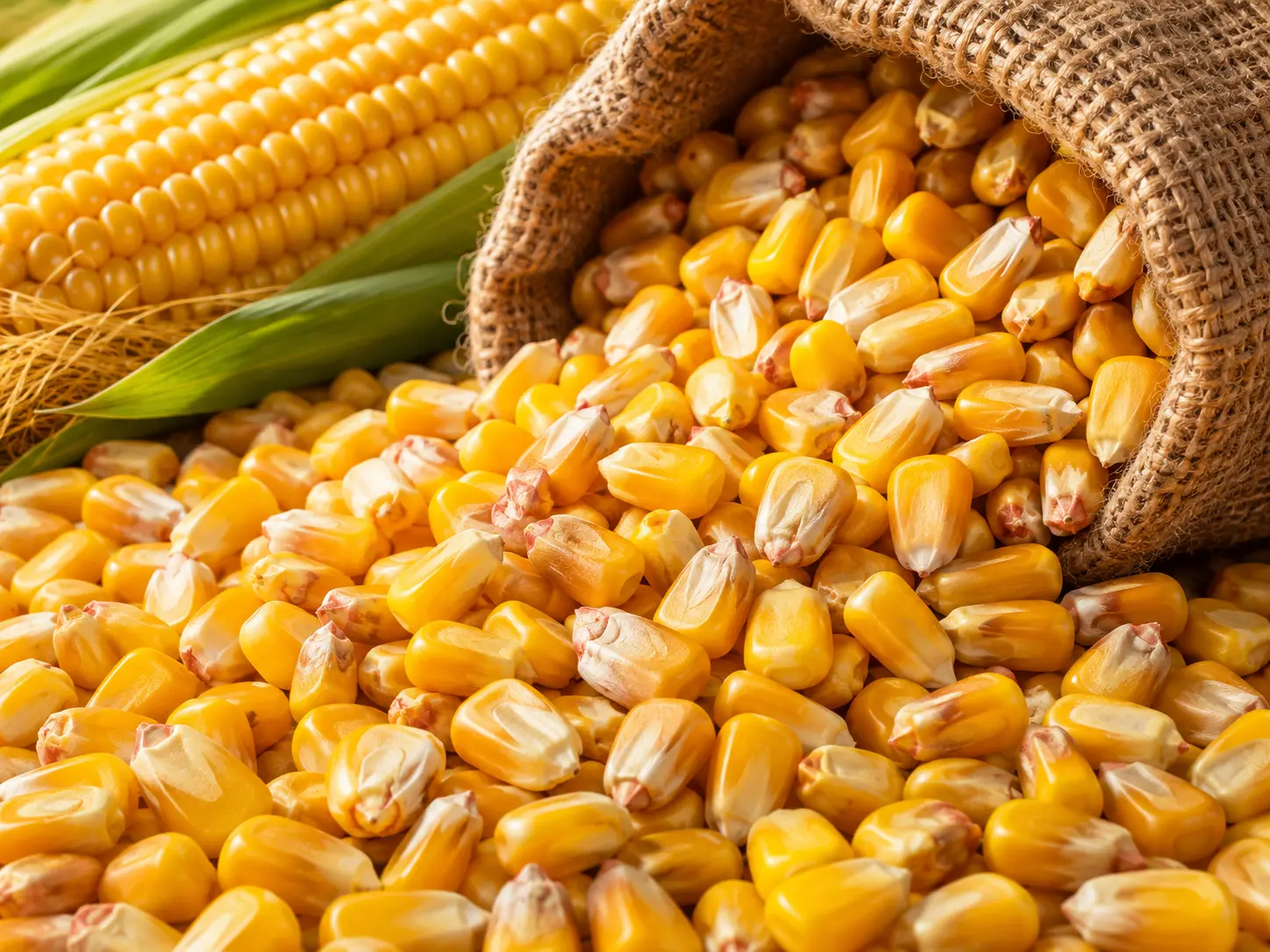
During the Q3 earnings call, Ingredion's management reported that limited cassava root availability in Thailand had pushed tapioca starch prices to record levels. Earnings call
The company provided two important figures: Earnings call
| Cost Indicator | Reported Increase | Comparison Period |
|---|---|---|
| Tapioca starch prices | Approximately +45% | Since January 2026 |
| Ingredion's tapioca costs | Approximately +65% | Year over year |
Source: Ingredion management comments in the Q3 2026 earnings call transcript. These are two different measures and should not be treated as directly comparable market price indexes.
4.1 Why cassava supply matters to tapioca starch manufacturers
Cassava is the primary agricultural raw material used to produce tapioca starch. When root availability becomes limited, starch processors may face higher purchasing costs and greater pressure on production planning. Earnings call
Thailand plays an important role in international tapioca starch trade. Supply conditions in major producing regions can therefore affect export prices and purchasing decisions in other markets. Earnings call
Ingredion's management linked the higher tapioca costs to limited root availability and stated that the cost increase had also affected volumes in its Asia-Pacific business. Earnings call
Source: Ingredion Q3 earnings call.
4.2 Why higher tapioca costs do not immediately lead to customer price changes
Ingredion explained that it normally takes approximately one to one-and-a-half quarters to recover higher tapioca costs through selling prices. Earnings call
This creates a timing difference between raw material purchases and the prices charged to customers. When raw material costs rise quickly, manufacturers may experience temporary margin pressure before new selling prices fully reflect the higher costs. Earnings call
Management also said tapioca prices were beginning to soften as the company approached the fourth quarter. It hoped prices would remain more stable and moderate. Earnings call
These comments suggest that the market was showing signs of reaching a more balanced position, although future price movements remained uncertain. Earnings call
Source: November 5 earnings call transcript.
4.3 Why Ingredion is not reporting major substitution away from tapioca
Despite higher prices, Ingredion's management said it had not observed material customer substitution away from tapioca starch. Earnings call
The company explained that tapioca offers distinctive texture, mouthfeel and a clean taste in certain food applications. Earnings call
This is an important point for starch buyers. A higher raw material price does not automatically mean that customers can replace one starch with another without changing product quality. Earnings call
For manufacturers, any alternative raw material should be tested for viscosity, texture, stability, processing performance and final product quality before a formula change is approved. Tianjiang analysis Earnings call
Source: Ingredion Q3 2026 earnings call.
5. Corn Starch vs. Tapioca Starch: Understanding the Cost Difference
Ingredion's management also discussed the different cost conditions affecting corn and non-corn raw materials. Tianjiang analysis Earnings call
During the earnings call, management said that non-corn raw materials, including tapioca and potato, had added cost pressure. In contrast, the company's net corn costs remained relatively stable, supported by strong co-product values. Tianjiang analysis Earnings call
This is an important distinction. Net corn costs are Ingredion's company-specific cost measure and should not be interpreted as proof that corn prices remained unchanged in every market. Tianjiang analysis Earnings call
| Comparison Area | Tapioca-Based Raw Materials | Corn-Based Raw Materials |
|---|---|---|
| Q3 cost trend reported by Ingredion | Significant cost pressure | Relatively stable net cost |
| Main cost consideration | Cassava root availability | Corn costs and co-product values |
| Reported company impact | Higher tapioca costs affected profitability | Co-product values helped offset costs |
| Buyer consideration | Supply availability and price volatility | Raw material sourcing and product specifications |
Source: Ingredion management's November 5, 2026 earnings call. The comparison reflects the company's reported cost conditions, not a universal price comparison between all corn and tapioca starch suppliers.
For food manufacturers, the results highlight the importance of understanding the raw material structure behind their ingredient suppliers. Tianjiang analysis Earnings call
Different starch sources have different functional characteristics. Corn-based modified starch may be suitable for certain formulations, but it is not automatically interchangeable with tapioca-based modified starch in every application. Tianjiang analysis Earnings call
Manufacturers should therefore evaluate both raw material costs and technical performance when reviewing their sourcing strategies. Tianjiang analysis Earnings call
6. Clean Label Ingredients Remain an Important Growth Opportunity
Despite the pressure on operating income, Ingredion continued to report positive developments in its specialty ingredient business. Earnings call
Management highlighted continued demand for clean label solutions as food manufacturers respond to consumer interest in simpler ingredient lists, nutrition and affordability. Earnings call
According to the earnings call, Management reported 8% year-to-date growth in clean label sales. It also cited growth of more than 30% in Asia-Pacific in its discussion of clean label performance. Earnings call
Ingredion also reported its tenth consecutive quarter of net sales volume growth in the Texture & Healthful Solutions segment. Earnings call
Sources: Ingredion Q3 2026 Earnings Release and earnings call transcript.
6.1 Why clean label matters to modified starch manufacturers
Clean label development is an important area for ingredient manufacturers because food companies continue to review how ingredients affect product quality, consumer perception and labeling requirements. Earnings call
Modified starches can support texture, consistency, stability and processing performance in many food applications. The development of suitable starch solutions can therefore help manufacturers meet formulation requirements while maintaining product quality. Earnings call
However, clean label suitability depends on the specific ingredient, its processing method, the application and the relevant labeling rules. Not every modified starch product should be described as clean label. Tianjiang analysis Earnings call
For suppliers, this creates an opportunity to invest in formulation research, application testing and more specialized ingredient solutions. Earnings call
7. Ingredion's Revised Full-Year 2026 Financial Guidance
One of the most important outcomes of the Q3 earnings report was the reduction in Ingredion's full-year 2026 financial outlook. Q2 outlook Q3 outlook
The following table compares the guidance provided after Q2 2026 with the updated guidance announced on November 5. Q2 outlook Q3 outlook
| Financial Indicator | Q2 2026 Guidance | Updated Q3 2026 Guidance |
|---|---|---|
| Reported diluted EPS | $9.15–$9.75 | $8.04–$8.49 |
| Adjusted diluted EPS | $10.30–$10.90 | $9.25–$9.70 |
| Net sales | Flat to up low single digits | Flat |
| Adjusted operating income | Down mid-single digits | Down mid-teens |
| U.S./Canada segment operating income | Down 20–25% | Down 35–40% |
| Cash from operations | $700–$800 million | $650–$750 million |
| Capital expenditures | $450–$490 million | $450–$490 million |
Sources: Ingredion Q2 2026 Earnings Release and Ingredion Q3 2026 Earnings Release.
The adjusted EPS guidance range moved lower
7.1 Adjusted EPS guidance was reduced
Ingredion previously expected full-year adjusted diluted EPS of $10.30 to $10.90. The updated range is $9.25 to $9.70. Q2 outlook Q3 outlook
This represents a reduction of $1.05 at the lower end and $1.20 at the upper end of the previous guidance range. Q2 outlook Q3 outlook
The company also reduced its reported diluted EPS outlook from $9.15–$9.75 to $8.04–$8.49. Q2 outlook Q3 outlook
Source: Ingredion's Q2 and Q3 2026 financial guidance disclosures.
7.2 U.S. and Canada operations remain under pressure
The company now expects Food & Industrial Ingredients – U.S./Canada operating income to decline by 35% to 40% for the full year. Q2 outlook Q3 outlook
This is a deeper reduction than the previous expectation of a 20% to 25% decline. Management linked the revised outlook to the slower financial recovery at Argo and continued operational cost pressure. Q2 outlook Q3 outlook
Source: Ingredion's updated full-year guidance.
7.3 Cash flow and capital investment expectations
Ingredion now expects full-year cash from operations of $650 million to $750 million, compared with its previous range of $700 million to $800 million. Q2 outlook Q3 outlook
Capital expenditures are still expected to be between $450 million and $490 million. Q2 outlook Q3 outlook
The company reported $389 million in cash provided by operating activities for the first nine months of 2026, compared with $539 million during the same period in 2025. Capital expenditures and mechanical stores purchases reached $313 million, compared with $299 million a year earlier. Q2 outlook Q3 outlook
Sources: Q3 earnings release and Q3 2026 Form 10-Q.
8. Ingredion's Financial Position and Business Outlook
As of September 30, 2026, Ingredion reported total debt of approximately $1.8 billion and cash, including short-term investments, of approximately $993 million. Form 10-Q
At December 31, 2025, total debt was also approximately $1.8 billion, while cash and short-term investments totaled approximately $1.033 billion. Form 10-Q
These figures provide additional context for evaluating the company's financial position as it continues manufacturing investments and prepares for its planned acquisition of Tate & Lyle. Form 10-Q
Source: Ingredion Q3 2026 financial disclosures.
8.1 The planned Tate & Lyle acquisition
Ingredion is also progressing with its planned acquisition of Tate & Lyle. According to Tate & Lyle's November 5, 2026 update, regulatory and antitrust filings were in progress, and the transaction was still expected to be completed in the second half of calendar year 2027. Tate & Lyle update
The proposed transaction is an important strategic development for the global food ingredients industry. However, its completion remains subject to the required regulatory processes. Tate & Lyle update
Source: Tate & Lyle, Results for the Six Months to September 30, 2026.
9. What Does Ingredion's Q3 2026 Report Mean for Food Manufacturers and Starch Buyers?
Ingredion's financial results provide useful information about the challenges facing large ingredient manufacturers. For food producers and starch buyers, the report highlights several areas that deserve attention. Tianjiang analysis Earnings call
9.1 Review raw material sourcing risks
Food manufacturers should understand how much of their production depends on a particular agricultural raw material. Tianjiang analysis Earnings call
When cassava availability becomes limited, tapioca-based ingredients may experience higher cost pressure. Companies that rely heavily on one raw material source may face greater exposure to changes in agricultural supply and export prices. Tianjiang analysis Earnings call
Reviewing sourcing options and maintaining qualified alternative suppliers can help manufacturers prepare for unexpected supply disruptions. Tianjiang analysis Earnings call
9.2 Evaluate alternative starch sources carefully
The difference between Ingredion's reported tapioca and net corn cost trends shows why raw material diversification deserves attention. Tianjiang analysis Earnings call
Corn-based modified starch may offer an alternative for selected food applications. However, a change in starch source should never be based on price alone. Tianjiang analysis Earnings call
Manufacturers should conduct laboratory testing and production trials to confirm viscosity, texture, stability, processing performance and finished product quality before approving a new ingredient. Tianjiang analysis Earnings call
9.3 Pay attention to supplier pricing and contract structures
Ingredion's management described a delay of approximately one to one-and-a-half quarters in recovering higher tapioca costs through customer pricing. Tianjiang analysis Earnings call
For buyers, this highlights the importance of understanding how supplier contracts respond to changes in raw material, energy, transportation and currency costs. Tianjiang analysis Earnings call
Clear pricing terms and regular supplier communication can make procurement planning more predictable. Tianjiang analysis Earnings call
9.4 Continue monitoring clean label ingredient demand
The reported growth in clean label sales indicates that specialty ingredient development remains an important part of Ingredion's business. Tianjiang analysis Earnings call
Food manufacturers should continue monitoring consumer preferences, formulation requirements and applicable labeling regulations when developing new products. Tianjiang analysis Earnings call
Suppliers that combine technical support, application testing and consistent product quality may be better positioned to serve customers with changing formulation needs. Tianjiang analysis Earnings call
10. Key Takeaways from Ingredion Q3 2026 Earnings
Ingredion's third-quarter 2026 report highlights the relationship between raw material costs, manufacturing efficiency, customer demand and profitability. Tianjiang analysis Q3 release
- Revenue: Net sales reached $1.792 billion, down 1% year over year. Excluding the Pakistan business divestiture, net sales increased 2%. Q3 release
- Profitability: Reported and adjusted operating income both decreased 19%, while gross profit declined 12%. Q3 release
- Argo operations: Slower-than-expected financial recovery at the Argo facility was the main reason behind the weaker results and reduced guidance. Q3 release
- Tapioca costs: Management reported a 45% increase in tapioca starch prices since January 2026 and a 65% year-over-year increase in Ingredion's tapioca costs. Earnings call
- Corn costs: Ingredion said its net corn costs remained relatively stable, supported by strong co-product values. Earnings call
- Clean label: Management reported 8% year-to-date growth in clean label sales. Earnings call
- Full-year outlook: Adjusted EPS guidance was reduced to $9.25–$9.70, and expected cash from operations was lowered to $650–$750 million. Q3 release
For the wider modified starch industry, the report highlights the importance of raw material diversification, manufacturing efficiency and product innovation. Food manufacturers should continue evaluating supplier reliability, formulation performance and long-term sourcing strategies rather than relying on short-term price movements alone. Tianjiang analysis Q3 release
Frequently Asked Questions About Ingredion Q3 2026 Earnings
When did Ingredion release its Q3 2026 financial results?
Ingredion released its third-quarter 2026 financial results on November 5, 2026. The reporting period ended September 30, 2026. Q3 release
What was Ingredion's Q3 2026 revenue?
Ingredion reported net sales of $1.792 billion, representing a 1% decrease from $1.816 billion in Q3 2025. Q3 release
Why did Ingredion lower its 2026 earnings guidance?
The company cited slower-than-expected financial recovery at its Argo manufacturing facility, higher input costs and softer consumer demand. These factors contributed to lower profitability and a reduced full-year outlook. Q3 release
How much did tapioca starch prices increase in 2026?
During its November 5 earnings call, Ingredion management reported that tapioca starch prices had increased approximately 45% since January 2026. The company's own tapioca costs were approximately 65% higher year over year. Earnings call
Did Ingredion report stable corn costs?
Yes. Management said Ingredion's net corn costs remained relatively stable during the quarter, supported by strong co-product values. This statement refers to the company's net cost position, not every corn price in the global market. Earnings call
What is Ingredion's updated 2026 adjusted EPS guidance?
Ingredion now expects full-year 2026 adjusted diluted EPS of $9.25 to $9.70, compared with its previous guidance range of $10.30 to $10.90. Q3 release
What does the report mean for modified starch buyers?
The report highlights the importance of monitoring raw material costs, qualifying alternative suppliers and checking product performance before changing starch formulations. Buyers should consider both ingredient prices and long-term supply reliability. Tianjiang analysis Q3 release
Sources and References
The following public documents were used to prepare this analysis. Company financial figures are based primarily on official disclosures, while management comments are identified as information from the earnings call.
- Ingredion Incorporated Reports Third Quarter 2026 Results — November 5, 2026.
- Ingredion Form 10-Q for the Quarter Ended September 30, 2026 — Filed November 6, 2026.
- Ingredion Q3 2026 Earnings Call Transcript — November 5, 2026.
- Ingredion Incorporated Reports Second Quarter 2026 Results — August 4, 2026.
- Ingredion Q3 2026 Earnings Conference Call and Supporting Materials — Official investor relations page.
- Tate & Lyle PLC: Results for the Six Months to September 30, 2026 — November 5, 2026.
About This Analysis
This Tianjiang industry article is for informational purposes. It provides an independent analysis of publicly available financial disclosures and management statements from Ingredion Incorporated.
Financial and legal disclaimer: This article is not investment advice, financial advice or a recommendation to buy or sell any security. Financial information is based on publicly available disclosures as of November 9, 2026. Adjusted financial measures are non-GAAP measures and should be read together with their corresponding GAAP measures and official reconciliations. Forward-looking statements reflect management's expectations at the time of publication and are subject to business, market, regulatory and other risks. Actual results may differ materially from current expectations.